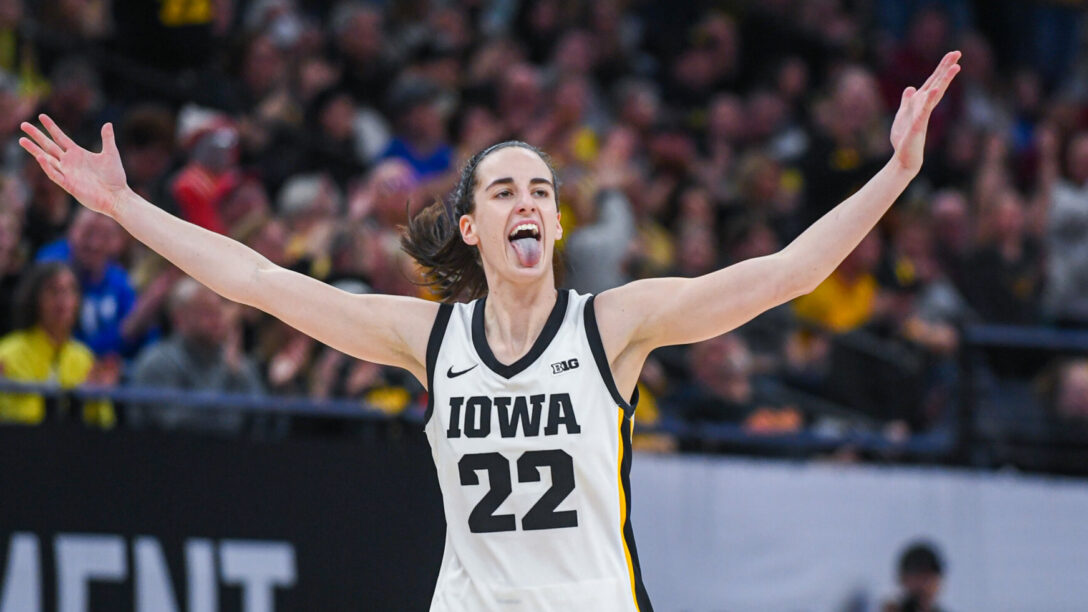

About a year ago, I visited with several senior bankers and private equity executives, all of whom suggested that the women’s sports space was part of their investment thesis. Sure, Caitlin Clark was in the middle of her first run to the national championship game, and helped set the first of many TV ratings records. And, yes, U.S. women’s soccer had already become arguably the most beloved national squad since the Dream Team.
But their comments foreshadowed even more capital, a rush of fresh deal flow, and financial potential. To wit: ESPN’s recently signed $800 million NCAA rights deal (which includes the women’s basketball tournament) already seems like a steal. NWSL franchise values have eclipsed $100 million in some markets. The WNBA Draft set viewership records. And Fox has carried women’s volleyball on its broadcast network.
Amid all this positivity, however, a growing pain has emerged: Women’s sports has gotten so popular, so fast, that some of the marketing efforts around it lack key infrastructure. Much of the marketing just seems so basic—banners and display, eyeballs, etcetera, rather than the real storytelling that creates the most significant R.O.I. for all parties.
Carol Stiff, who runs the Women’s Sports Network, described meetings where advertisers had no marketing plans to accentuate their ad purchases—something that almost certainly would not happen in men’s sports, where brands have been advertising for so long that it has become more of a rinse-and-repeat model. “We need investors to come in and demand better windows for exposure,” she said. “But I think the pressure’s on now.”
The effort to usher more corporate professionalism into the women’s sports space continues on Thursday with the Sports Innovation Lab’s NewFront, in New York. Invites were sent out to more than 200 media buyers and brand marketers. Sara Gotfredson, a former ESPN ad sales executive, started the sports media advisory Trailblazing Sports Group about 18 months ago to help brands develop these kinds of campaigns. Gotfredson said media organizations need to look at these types of deals on a grander scale. “Right now, it’s hard for brands and agencies to buy women’s sports because the players are not always the size of ESPN,” she said. “They might check the box and say, ‘Okay, great. We bought the unit in the champ game,’ or they might go do one N.I.L. deal. But there’s a long tail in women’s sports. We’re really trying to help bring a lot of entities together and serve it up on a platter to brands so that they can invest more across more parts.”
Gotfredson mentioned a recent six-figure deal that could serve as a model: Visa’s partnership with the USWNT Players Association, which includes the brand paying $10,000 to each of the players’ families to help defray the costs of traveling to the World Cup in Australia and New Zealand. “Then we created media around it, and then Visa put its own media behind it,” she said.
Gotfredson referenced another advertiser, one of the biggest in sports, whose agency called wanting to increase its spend in women’s sports. But when Gotfredson asked basic questions about how the brand can help her audience, the agency reps just responded with a media plan focused on homepage takeovers. “I’m looking for them to be my strategic partner,” Godfredson said. “I would love for them to give me 10 of their female athletes and we’ll create a diary or a narrative around them as they’re going through the draft. We don’t have the resources to pay for that. We don’t have the resources to produce that. So we’re looking for more of a partner-type approach versus just buying some impressions.”
Gotfredson, who saw the potential for women’s sports when she was at ESPN, believes these types of deals will ensure growth for the entire sector. “From a storytelling perspective, when you look at the fans of women’s sports, it’s not just women,” she said. “They’re men and women, and they really skew young. They’re in the social and digital landscape a lot, and they care about what these women are doing off the court just as much as they care about what they’re doing on the court.”