Fox’s $22B Rokunomics, Versant’s Long Putt, De Kooning’s Market Revival
|
Welcome back to The Daily Courant, your afternoon compendium of Puck’s best new reporting. Here’s what you
need to know… and stick around for more on the latest WarnerMount wrinkle. |
- What I’m Hearing: A U.K. regulator just threw an unexpected wrinkle into Paramount’s $110 billion acquisition of Warner Bros. Discovery, with culture secretary Lisa Nandy declaring she was “minded to intervene.” Eriq Gardner digs into the peculiar U.K. review process now hanging over the transaction and what Nandy might extract from David
Ellison in exchange for safe passage. [Read More]
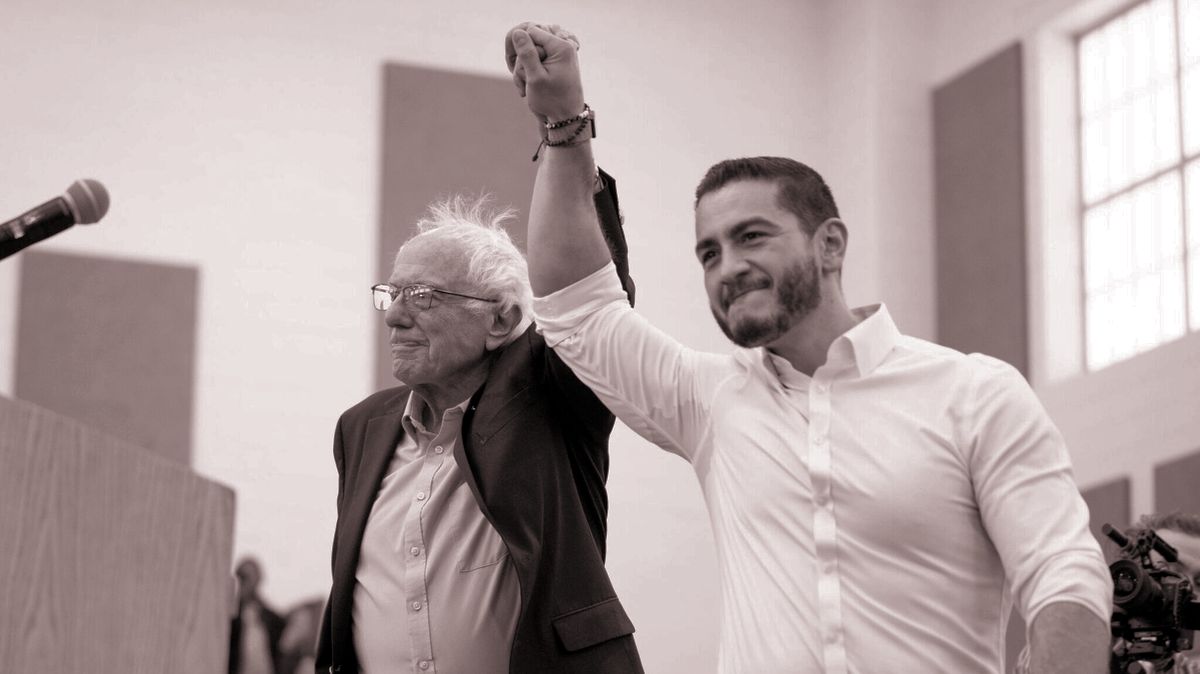
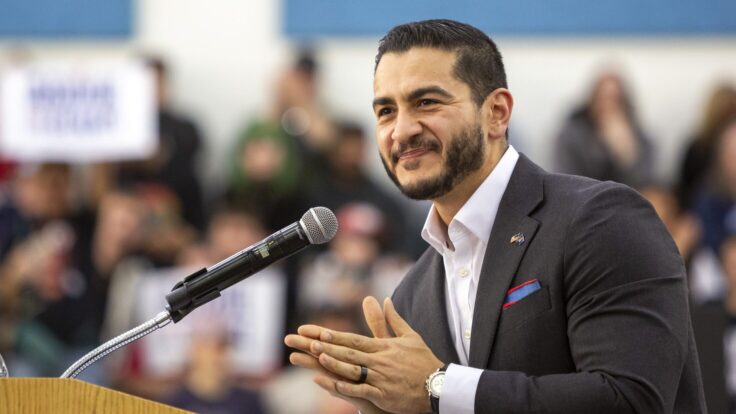
- The Hidden Layer: Abdul El-Sayed, the Bernie-endorsed candidate in Michigan’s Senate primary, just released a radical new A.I. policy plan
that calls for 50 percent public ownership of frontier labs and elected officials on their boards. Ian Krietzberg sits down with El-Sayed to discuss why he considers A.I. an affordability issue on par with housing and healthcare—and how he’s bracing for the A.I. super PACs that might soon target his campaign. [Read More]
-
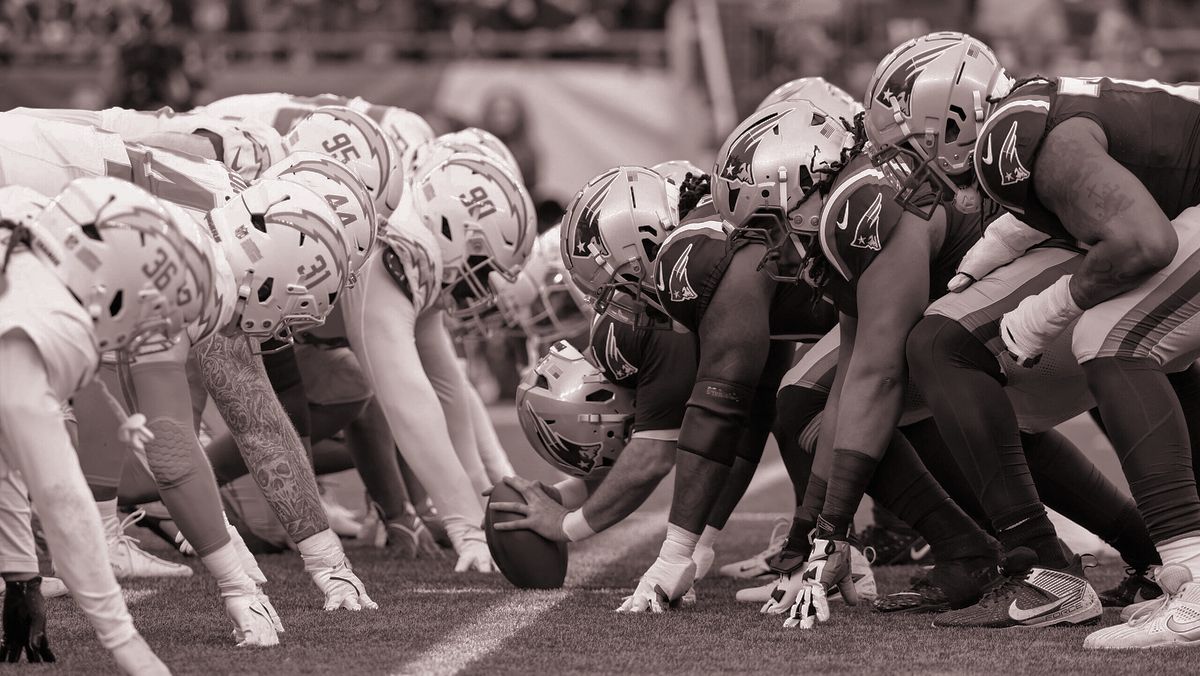
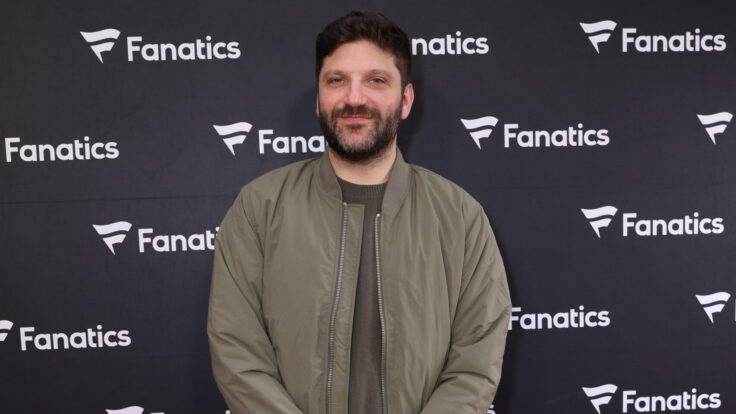
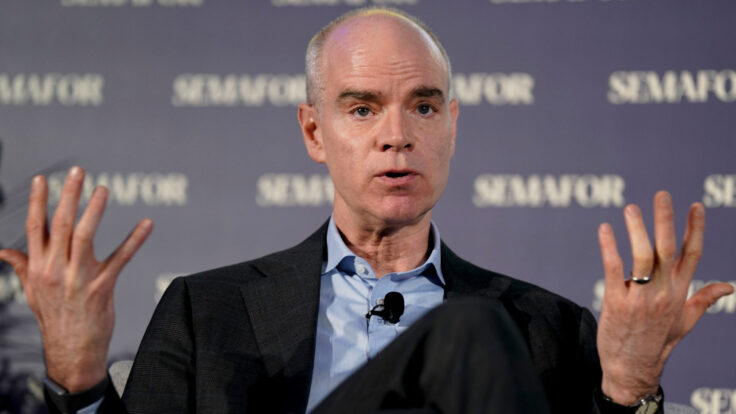
The Varsity: Fox just bought Roku for $22 billion, Comcast is spinning off NBCUniversal, and the NFL’s next media rights deal could reshape the economics of every network and streamer in the country. John Ourand rings up Wells Fargo analyst Steven Cahall to explain why an imminent sale of NBC is less than likely, the fuzzy logic surrounding the Fox–Roku
deal, and whether linear networks can actually afford to pay more for the NFL. [Read More]
|
|
|
|
America’s Workforce Academy: Paid training, a job and a path to America's future. America’s Workforce Academy, built by Meta, will give hundreds of thousands of Americans the skills to build our country's AI future. The program offers paid training in electrical, plumbing, fiber installation and many other trades, with a job upon completion. No experience necessary. No degree required. No cost to the participant.
Because the future is for everyone. Learn more. |
|
|
|
- Line Sheet: Spanx, once the literal word for shapewear, has fallen far behind Skims in the cultural conversation, punctuated by three straight quarters of sales decline. Malique Morris illuminates the brand’s identity crisis since Blackstone bought a majority stake in 2021—and why a real turnaround may require Blackstone to accept a far lower valuation than the $1.2 billion it
paid. [Read More]
- Wall Power: The auction market for works by Willem de Kooning is the hottest it’s been in years, with 56 works selling for more than $77 million so far in 2026. Marion Maneker previews two
new exhibitions—at the Art Institute of Chicago and Princeton—that are quietly fueling a new moment for one of the century’s essential painters. [Read More]
|
- The Powers That Be: Peter Hamby connects with Dylan Byers to dissect Versant’s acquisition of Full Swing, the popular golf simulator, and what it signals for the company’s ambitions beyond cable. [Listen Here or
Watch Here]
|
And now, a little more on WarnerMount’s new red flags… |
|
|
|
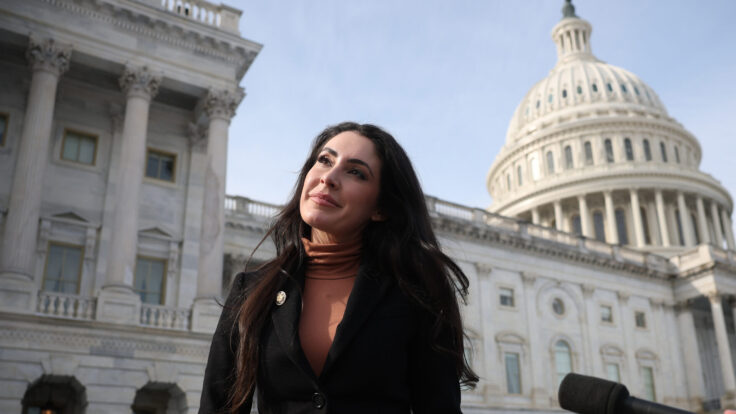
This past weekend, as the U.S. celebrated 250 years of independence from British rule, Paramount Skydance
executives found themselves pondering a question: Could the U.K. still determine the fate of an American empire? As Eriq reports, British culture secretary Lisa Nandy’s declaration that she was “minded to intervene” in the $110 billion Paramount–WBD merger has introduced an unexpected wrinkle—and sent the deal’s architects scrambling to figure out whether Britain can actually stop it.
The answer, Eriq writes, is murkier than the headlines suggest. Britain’s
system is less a tidy sequence of filing, waiting, and receiving a formal blessing than a period of regulatory courtship, with the parties testing concerns and negotiating informally before deciding whether actual intervention is necessary—which is partly why Paramount believed it could close without London’s explicit blessing. However, much of the chatter isn’t about killing the deal, but about the price of passage. Every month of uncertainty raises costs and increases pressure on dealmakers to
offer concessions—like, say, a divestment of CNN—that they might otherwise resist. The whole contest, in the end, often comes down to credibility. So which side better projects that it’s willing to endure the pain?
Click here to read Eriq’s full story. |
|
|
|

| Ian Krietzberg
|
|
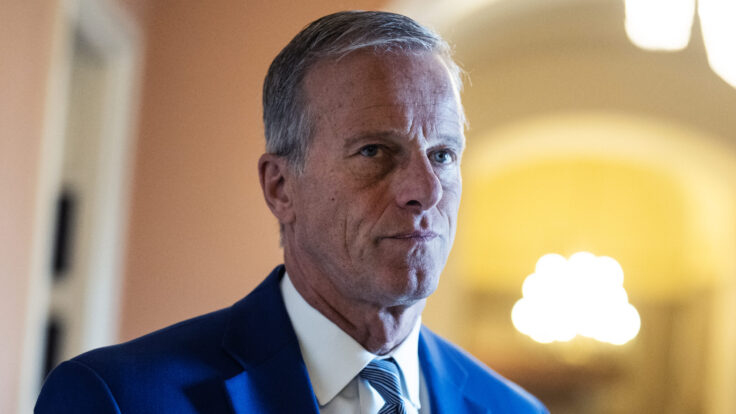
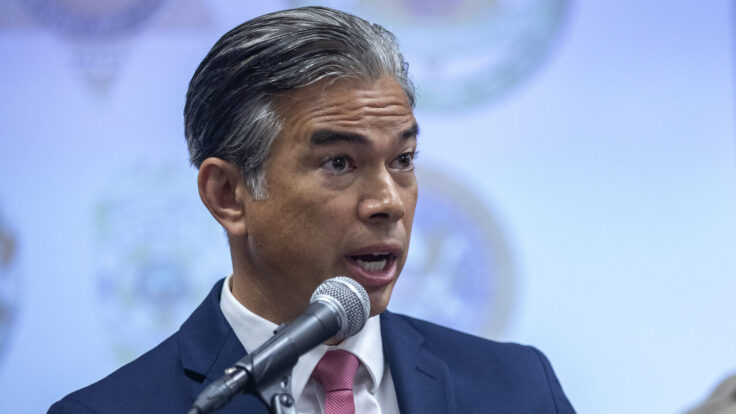
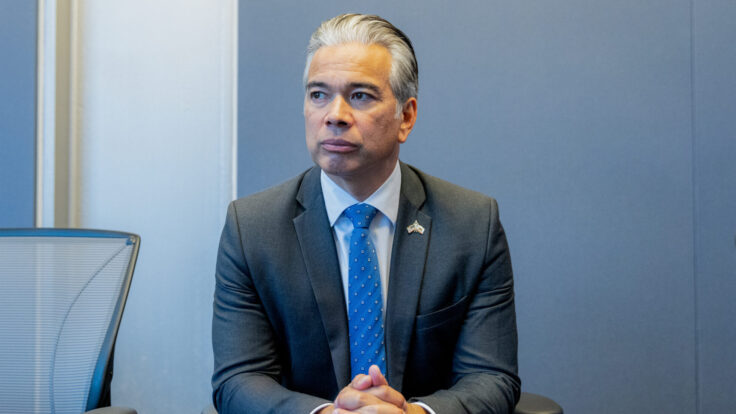
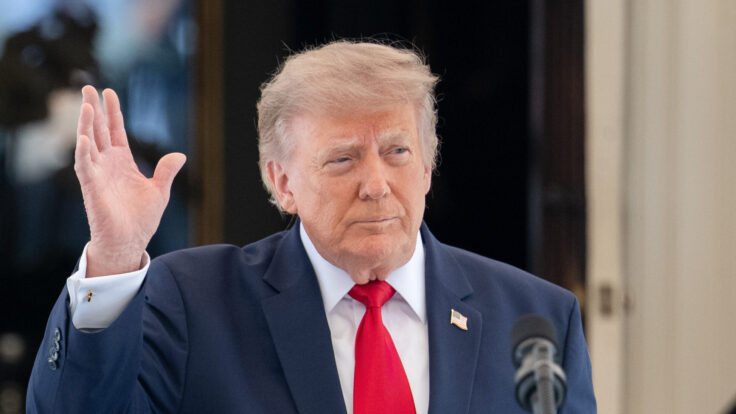
Abdul El-Sayed, Michigan’s Bernie-endorsed Senate candidate, has released an aggressive A.I.-regulation plan that includes Big Tech
divestiture (you heard that right) and a series of “no-goes.” Here, he talks about A.I. as an affordability issue, the myth of Chinese domination, and the inaction of the U.S. Senate. |
|
|
|

| John Ourand
|
|
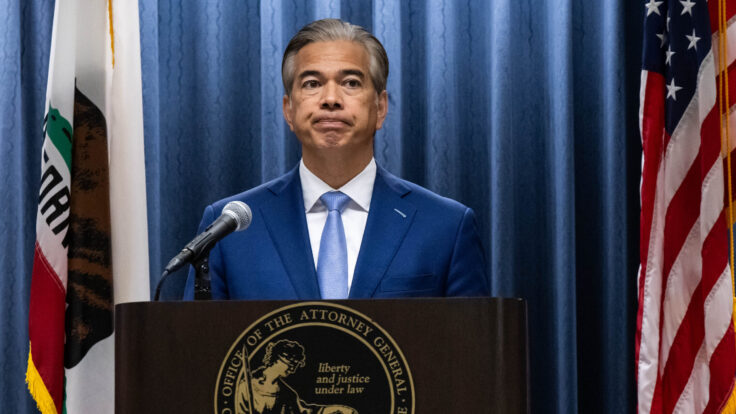
As talk of a new suite of NFL deals cools, analyst Steven Cahall predicts a bruising rights fight that will reshape media economics, while
casting doubt on blockbuster M&A scenarios for NBC and Fox. |
|
|
|
America’s Workforce Academy: Paid training, a job and a path to America's future. For 250 years, America has delivered the world’s greatest inventions because of the generations of Americans who built them. The AI revolution will bring historic opportunity. America’s Workforce Academy, built by Meta, will train the electricians, welders, crew leaders, plumbers, fiber installers and other skilled tradespeople who will
build it. It’s an unprecedented program, powered by an initial $115 million first year investment. Because the future is for everyone. Explore the program. |
|
|
|

| Malique Morris
|
|
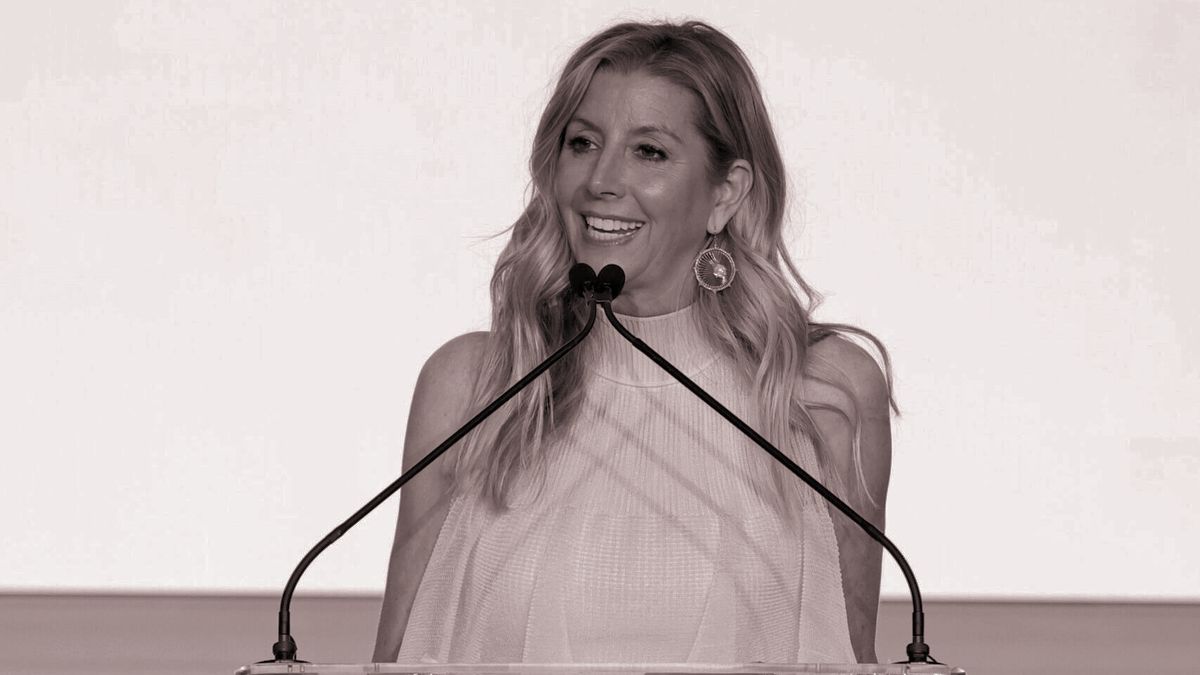
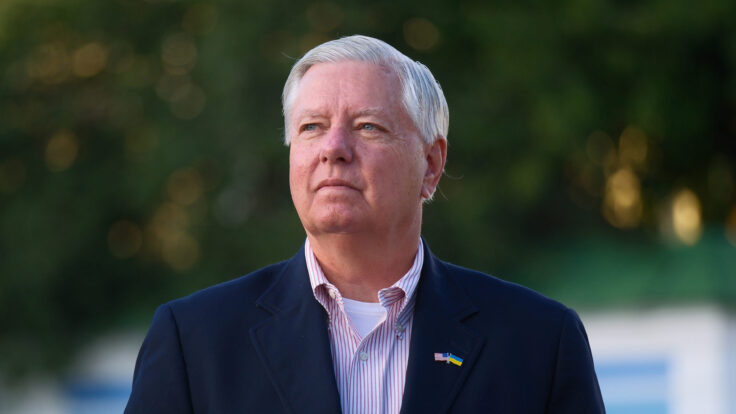
Five years into Spanx’s life under private equity rule, its early highs have fizzled, its lunch has been eaten by Skims, and its owners
have to be looking for a next chapter. So where does it go from here? |
|
|
|

| Marion Maneker
|
|
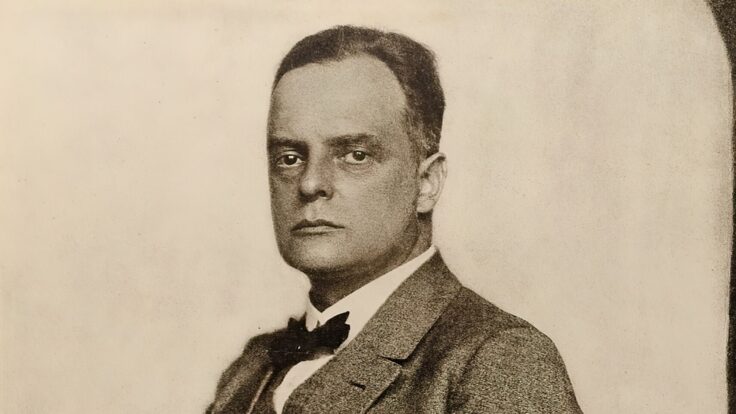
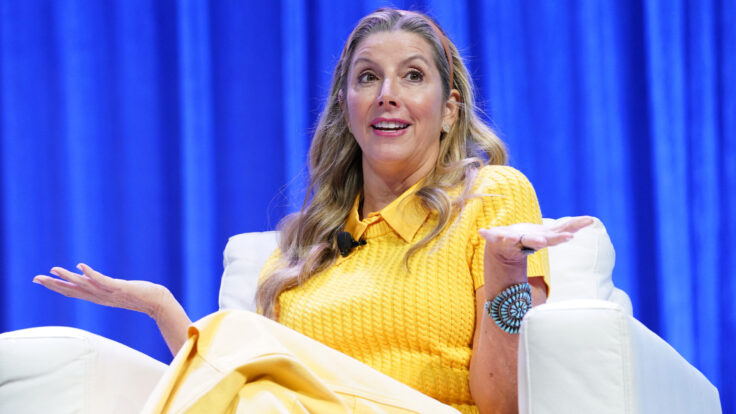
Two current de Kooning shows—one at Princeton and one in Chicago—feature different eras and aspects of the Dutch-American artist’s
mastery. But both make a similarly compelling case for de Kooning as the meticulous leader of abstract expressionism and set the stage for a market shift. And they help explain his market bounce. |
|
|
|

| Peter Hamby
|

| Dylan Byers
|
|
Dylan Byers joins Peter to make the case that Versant is more than its declining linear assets—pointing to the acquisition of Full Swing,
the popular golf simulator, as a sign of broader ambitions beyond cable. Dylan also weighs in on Sky buying ITV, which will make the combined company an attractive acquisition target—assuming they can clear the regulatory hurdles ahead. |
|
|
|
Need help? Review our
FAQ page or contact us for assistance. For brand partnerships, email ads@puck.news.
You received this email because you signed up to receive emails from Puck, or as part of your Puck account associated with {{customer.email}}. To stop receiving this newsletter and/or manage all your email preferences, click here. |
Puck is published by Heat Media LLC. 107 Greenwich St., New York, NY 10006 |
|
|
|
|