{{ 'now' | timezone: 'America/New_York' | date: '%b %d, %Y' }} |
|
|
Hello and welcome back to The Best & The Brightest. I’m Leigh Ann Caldwell on
this Martin Luther King Jr. Day.
In tonight’s issue, Abby Livingston has the latest on Sen. Amy Klobuchar’s potential run for governor in Minnesota, a likely slam-dunk race that has been complicated by both scandal and now tragedy, making the politics of coalition-building far trickier and more sensitive. Plus, news and notes on the Greenland saga, which keeps getting more bizarre by the day, rattling America’s allies.
Also mentioned in this
issue: Donald Trump, Jonas Gahr Støre, Chris Coons, Mike Johnson, Angie Craig, David Scott, Elizabeth Warren, Al Franken, Peggy Flanagan, Tim Walz, Tom Emmer, and… Jesse “The Body” Ventura.
Let’s get started… |
- The
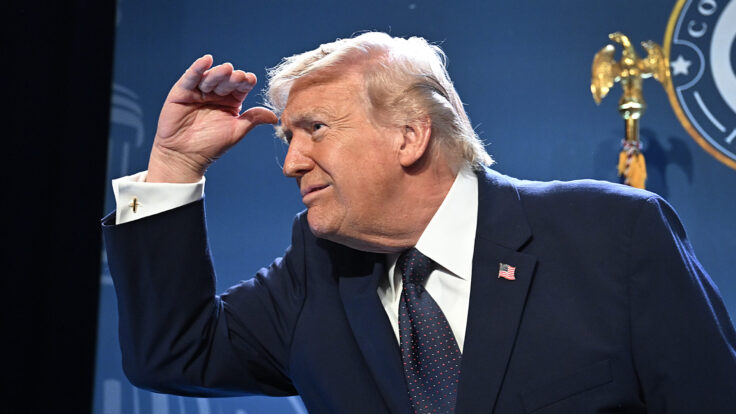
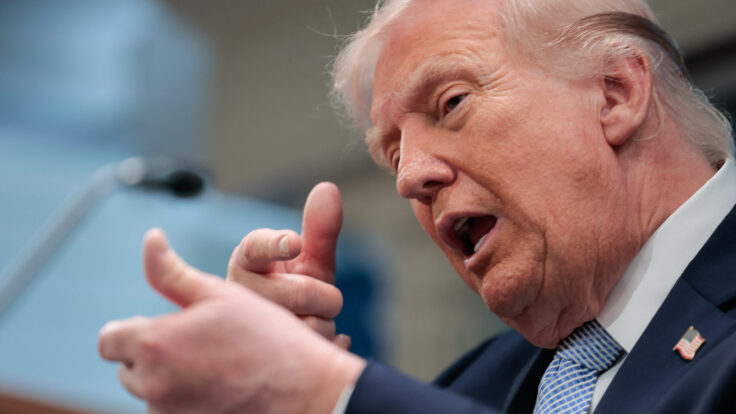
battle for Greenland gets personal: At first, it was a national security priority. Then, it was about critical minerals and shipping routes. Now, Donald Trump has all but admitted that his threatened annexation of Greenland is a consequence of his Nobel Peace Prize snub. “Considering your Country decided not to give me the Nobel Peace Prize,” Trump reportedly texted Norwegian Prime Minister Jonas Gahr Støre over the weekend, “I no longer feel an obligation
to think purely of Peace.”
In a statement confirming he had received the text, Støre said that Norway’s position on Greenland is clear: “Greenland is a part of the Kingdom of Denmark, and Norway fully supports the Kingdom of Denmark on this matter.” (A gentle reminder, perhaps, that Denmark and Norway are different countries.) He also reiterated how prize winners are selected. “I have clearly explained, including to President Trump, what is well known: The prize is awarded by an
independent Nobel Committee and not the Norwegian government,” he said.
Democratic Sen. Chris Coons, who led a CODEL to Copenhagen over the weekend, told me that the Danes are mystified as to why Trump is so intent on seizing Greenland, where the U.S. already enjoys almost limitless power to operate military bases in full cooperation with Denmark and NATO. Now, perhaps, they might have their answer.
Republicans, for their part, have been mostly silent about Trump
linking the perceived Nobel snub to his justification for threatening Greenland—even as the president threatened retaliatory tariffs against Denmark and a half-dozen other European allies that had sent troops to Greenland. Those threats have been met with alarm and outrage across Europe, where leaders are now discussing retaliatory actions of their own.
The surreal possibility of the U.S. attacking a NATO ally has overshadowed what was meant to be a week of celebrating transatlantic ties:
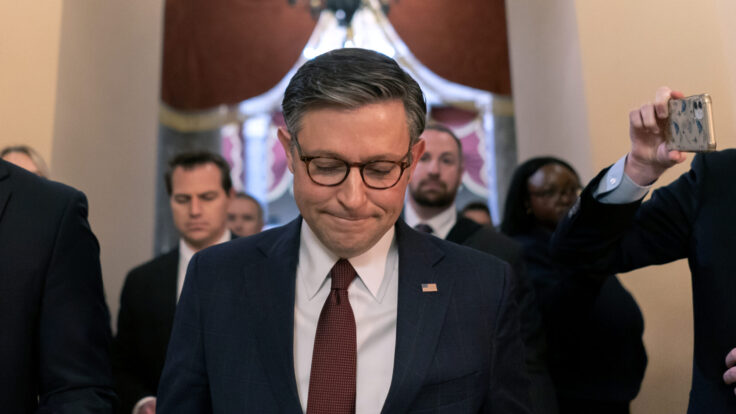
Several U.S. officials are currently in Davos, where Trump is expected to address the World Economic Forum on Wednesday. Meanwhile, House Speaker Mike Johnson will deliver an address to the British Parliament tomorrow to commemorate the 250th anniversary of the United States. Don’t expect him to disagree with the president; Parliament’s response, however, could be quite interesting.
|
|
|
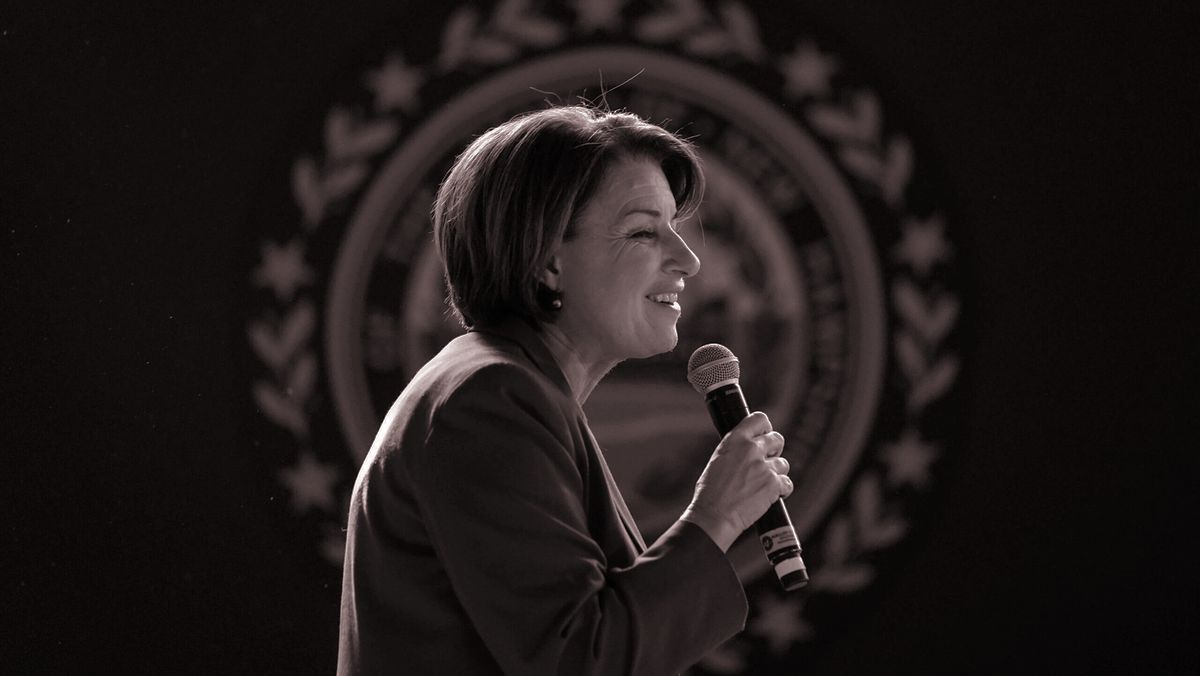
Two days before the killing of Renee Good, news leaked that Senator Klobuchar was weighing a
bid to succeed Tim Walz as governor of Minnesota. But while the chatter about Klobuchar has receded from the headlines, Democrats are quietly discussing the political impact of a second open Senate seat in 2026. |
|
|
It has been a horrible year for Minnesota Democrats. In the last seven months, they’ve grappled with the
assassination of a former state House speaker, a ballooning statewide fraud scandal, and now President Trump’s escalating pseudo-military occupation of Minneapolis. “God, what a mess,” said a Democratic consultant who’s worked in Minnesota. “I don’t even know what to say. What a mess.”
Amid all this chaos, the Minnesota party establishment is in the middle of a historic shake-up. Two days before the fatal ICE shooting of Renee Good, news leaked that
Senator Amy Klobuchar was considering running for governor to replace Tim Walz, whose administration has been blamed for poor oversight of Minnesota’s food assistance programs. That trial balloon was obscured by other news cycles, but it remains a live question for the state’s political class: Will Klobuchar run? If she wins, she could pick her own successor in early 2027, who would hold the position through 2028. And with Senator Tina Smith
already retiring this year, which candidates would step up if there were two open-ish Senate races over the next two cycles?
For the moment, any potential public jockeying has been frozen by current events. While nearly every Klobuchar observer I’ve spoken with believes she’s running, they see the ICE occupation and the Good shooting as cutting off the media oxygen for any sort of organized rollout. Picking the right moment to announce is nearly impossible.
Further
complicating matters, few Democrats saw a Klobuchar gubernatorial run coming. After all, it had been assumed that Walz would run for a historic third term and be the presumed nominee. Usually, if an antsy senator wants to run for their governor’s mansion, they telegraph that ambition years in advance. Either Klobuchar had been holding her cards extremely close to the vest, or, more likely, the whole idea spontaneously took flight amid Walz’s downfall, which occurred at
Palin-esque speed. Most of my sources believe it’s the latter.
Of course, running for governor would seemingly preclude Klobuchar from running for president again in 2028. It would be hard for her to build her case as a freshly sworn-in governor—particularly one who would inherit ownership of a politically lethal fraud scandal and have to contend with Trump’s near-single-minded focus on pitting the federal government against Minneapolis. Anyway, Klobuchar’s days as a
national candidate are probably fading as Gavin Newsom and Josh Shapiro lay out their ’28 ambitions. And there’s the prevailing sense in Minnesota, as in Washington, that the food assistance scandal is a political and legal mess that Klobuchar is uniquely qualified to clean up.
Still, more than a few Democrats have mentioned, with a mix of anxiety and curiosity, the reemergence of Jesse “The Body” Ventura, the former wrestler who served
as governor of Minnesota from 1993 to 2003. So if Klobuchar wants to get into the race and freeze the field, operatives say, she cannot wait forever. As one national Democratic strategist who’s done work in the state told me, “The longer she waits, the more attractive she makes it for someone else to fill the void—either someone from the far left, or an independent maverick-type like Jesse Ventura. She needs to launch her campaign for governor right away.” |
Whatever she decides, Klobuchar’s decision will, of course, weigh heavily on the state’s first truly open
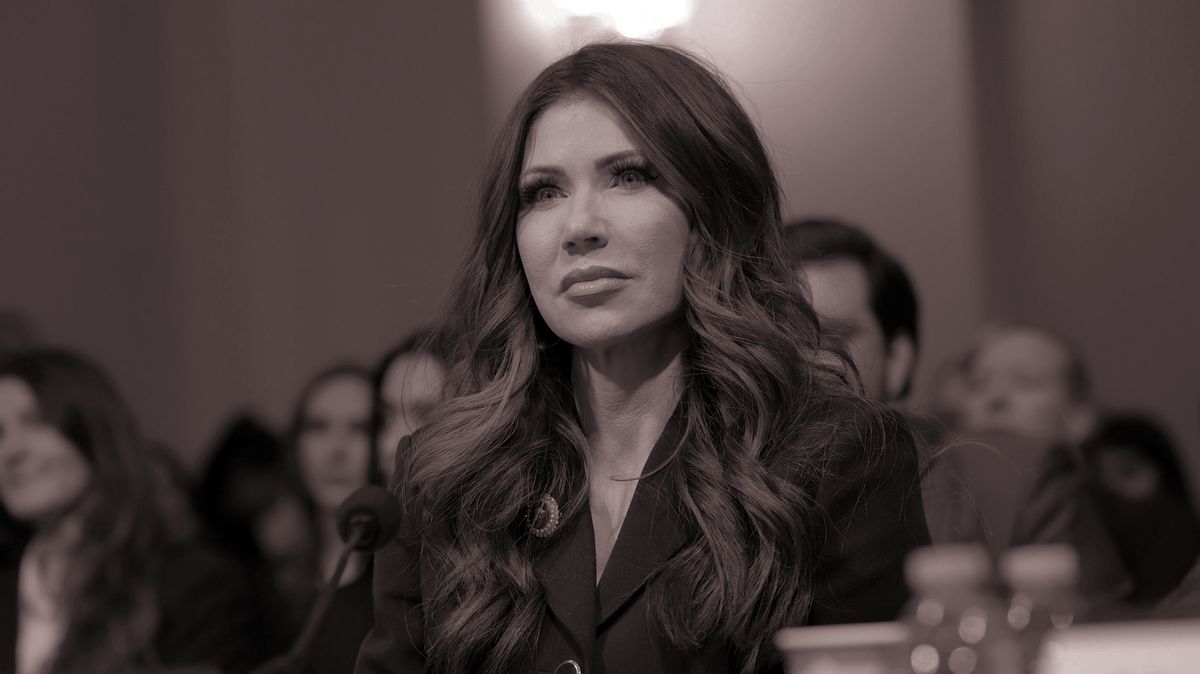
Senate race since 2006. The Democratic primary to replace Senator Smith, between Rep. Angie Craig and Lt. Gov. Peggy Flanagan, is shaping up to be a prize fight. Democrats are not exactly worried about losing this seat—both Cook and Inside Elections rate it as “Likely Democratic”—but national Democrats are hoping the eventual nominee emerges from the primary strong enough to avoid heavy general-election spending. And Dems are cautiously sizing up a potential
Republican candidate in Michele Tafoya, a former N.F.L. sideline reporter. While she’s a political novice, she also doesn’t have a voting history for Dems to pick through.
On paper, Craig is the stronger candidate. In 2024, in just her third term in the House, she demonstrated a remarkable political acumen in ousting David Scott, the top Democrat on the House Agriculture Committee—dealing a crucial blow to the party’s hallowed seniority system. Her
campaign finance reports reveal deep relationships across the party, with more than two dozen donations or endorsements from House and Senate colleagues, including Hakeem Jeffries, Nancy Pelosi, Virginia Gov. Abigail Spanberger, and Sens. Ruben Gallego and Andy Kim. And, not surprisingly, she’s a major draw for corporate PACs with an interest in the ag sector. She has proven general-election bona fides, having
flipped a Republican-held House seat in 2018 after losing on her first try. And she is financially dominating Flanagan, with nearly $3 million in cash on hand to Flanagan’s $800,000, according to their most recent campaign finance reports. (Flanagan is not taking corporate PAC donations.)
But I’ve been warned not to count Flanagan out. The lieutenant governor has close relationships in the state and beyond, as well as her own headline endorsements, including from longtime political ally
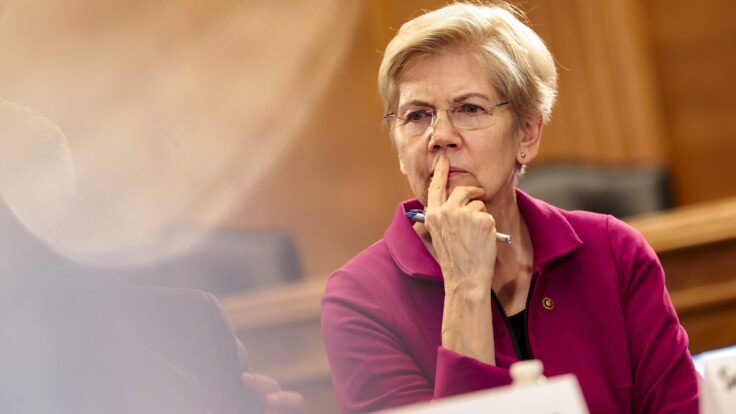
Al Franken and Sen. Elizabeth Warren. She also lists endorsements from six other senators, including Bernie Sanders, Chris Murphy, and Chris Van Hollen.
The mud is already flying: Craig’s camp is likely to try to pin the food assistance fraud scandal on Flanagan, the second-ranking state official behind Walz. And Flanagan’s backers are trying to make hay over Craig’s vote for the Laken
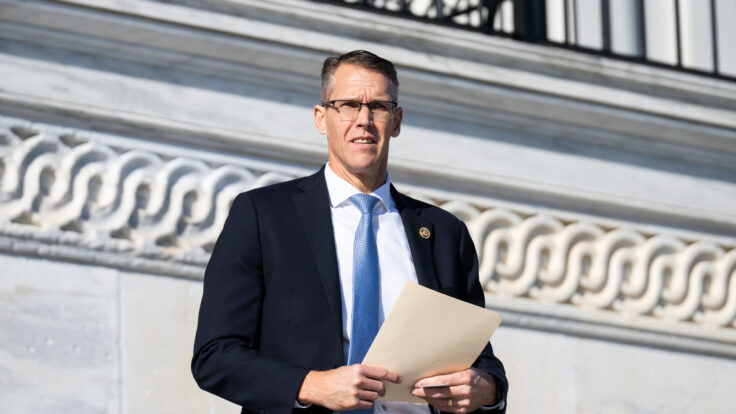
Riley Act, which stiffened immigration enforcement. Both women are blanketing social media and MS Now with commentary and activism regarding ICE’s actions in the state: Dems note that Flanagan has done a great deal of political organizing around the ICE occupation, which could become a factor in the nomination fight. Meanwhile, after Good’s death, Craig got into a sparring match on the House floor with Minnesota Republican Tom Emmer, and has appeared at ICE facilities alongside
Ilhan Omar. ICE opposition is beginning to eclipse other issues in Democratic primary politics, and how this plays out in Minnesota could presage the contours of primary fights in other states, too.
The feminist wing of the Democratic Party is thrilled that two female candidates are facing off in Minnesota. But there can only be one winner. Neither Klobuchar nor Smith intends to endorse in this race, and so far, Emily’s List is staying out as well. Privately, there’s a
great deal of Democratic trepidation about picking sides, as most operatives and politicians have crossed paths with both candidates over the course of their careers. In fact, a recurring fanfic scenario has been buzzing around Democratic circles, of a would-be Gov. Klobuchar eventually resigning from the Senate and then appointing the loser of the Senate primary. “Hell, maybe we’ll get both of them,” the Dem consultant said. |
|
|
Finally, a media podcast about what’s actually happening in the media—not the oversanitized, legal-and-standards-approved
version you read online. Join Dylan Byers, Puck’s veteran media reporter, and Julia Alexander, a longtime media analyst, as they sit down with TV personalities, moguls, pundits, and industry executives for raw, honest, sometimes salacious conversations about the business of media and its biggest egos. New episodes publish every Tuesday and Friday. |
|
|
Unique and privileged insight into the private conversations taking place inside boardrooms and corner offices up and down Wall
Street, relayed by best-selling author, journalist, and former M&A senior banker William D. Cohan. |
|
|
Need help? Review our
FAQ page or contact us for assistance. For brand partnerships, email ads@puck.news.
You received this email because you signed up to receive emails from Puck, or as part of your Puck account associated with {{customer.email}}. To stop receiving this newsletter and/or manage all your email preferences, click here.
|
Puck is published by Heat Media LLC. 107 Greenwich St., New York, NY 10006 |
|
|
|