
Join Puck to listen to this article
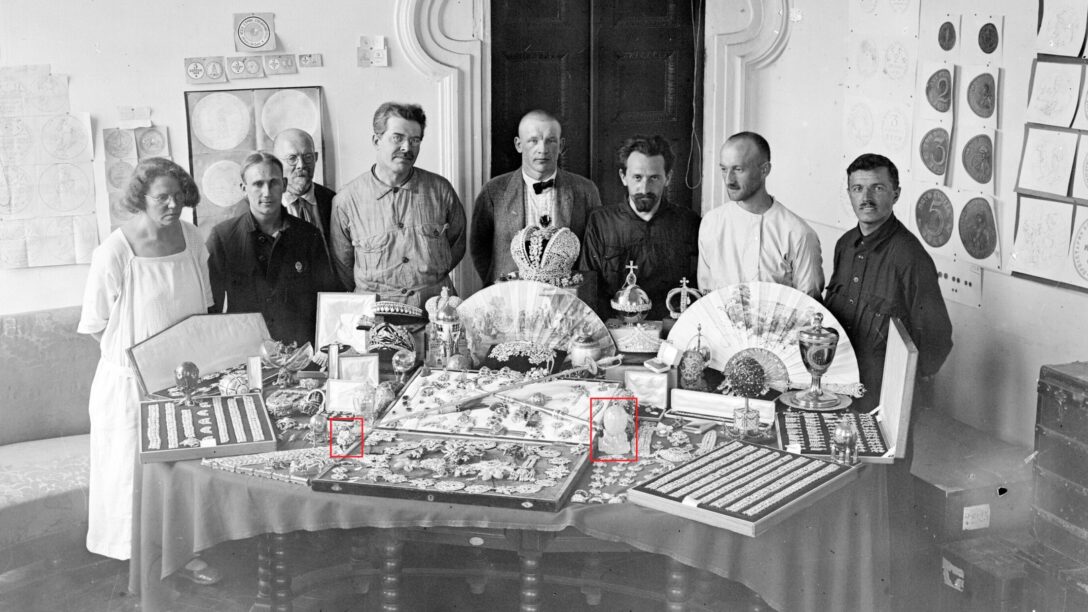
Back in 1994, Christie’s specialist Alexis de Tiesenhausen found himself traveling the world with the extremely fragile, 5.5-inch-tall Fabergé Imperial Winter Egg in his carry-on luggage. The Fabergé Imperial Eggs—so called because the Russian imperial family commissioned them from the House of Fabergé jewelry firm between 1885 and 1916—are rare, with only 52 known to have existed. Tiesenhausen was toting the Imperial Winter Egg around and showing it to potential bidders. That meant putting the egg, which Emperor Nicholas II had commissioned as an Easter gift for his mother in 1913, through airport x-ray machines and presenting it to customs officials—tasks he tried to do discreetly, not always with success.