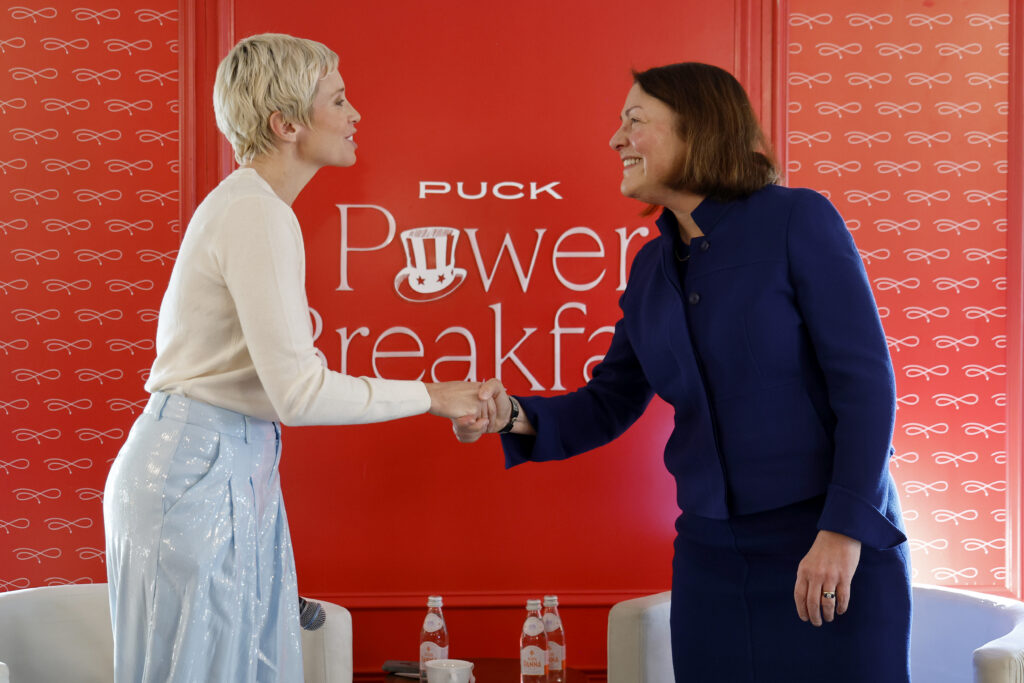
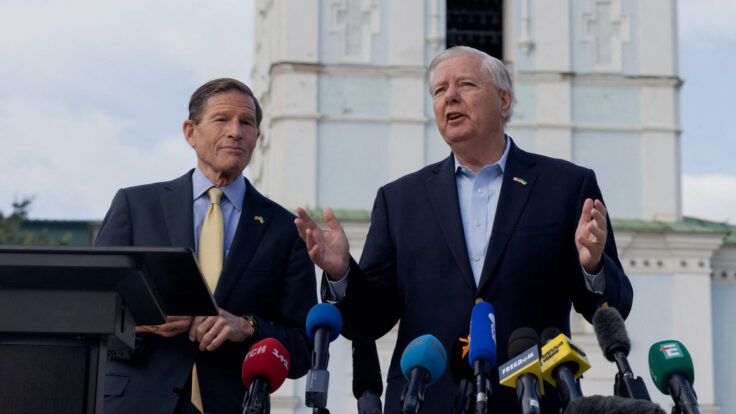
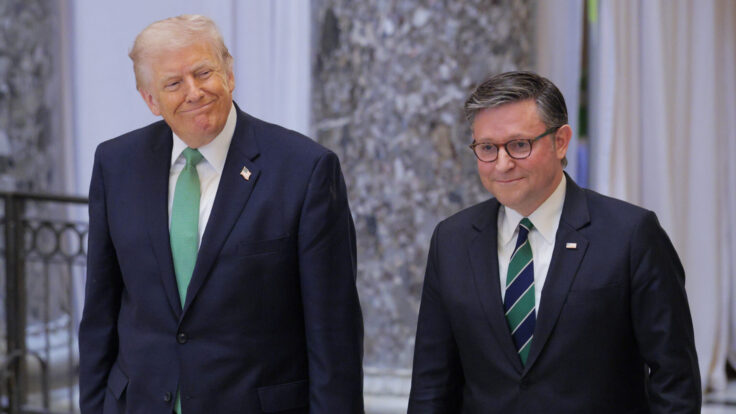
With an election cycle looming, immense power has been invested in the congressional campaign committee chairs responsible for delivering the House: Suzan DelBene and Richard Hudson. I sat down with both of them to hear their dueling plans for ’26 and why they’re more bullish than ever.
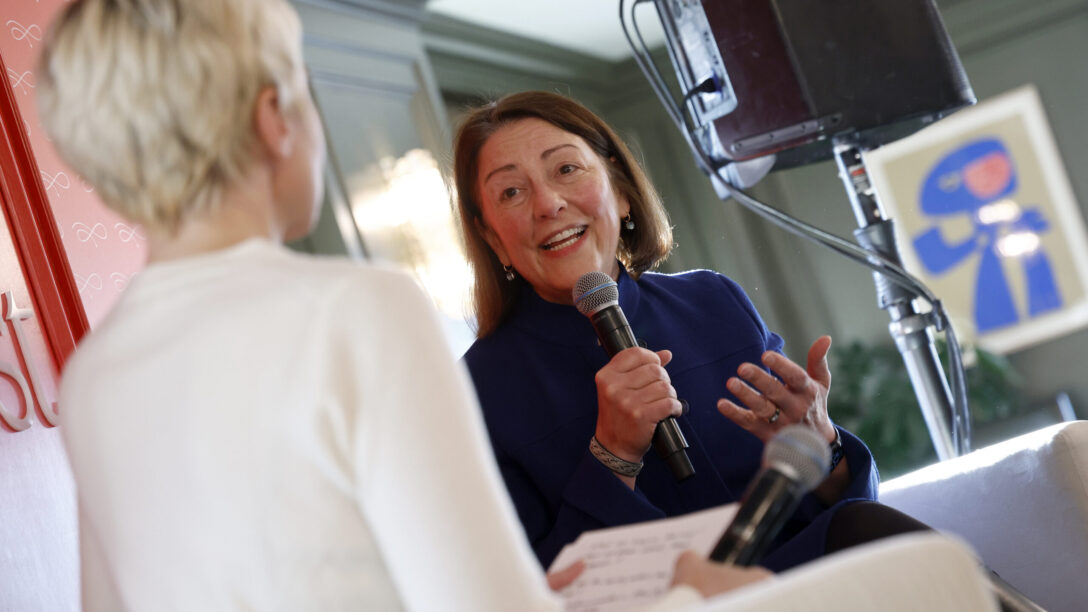
“I think we have acknowledged that there’s always more that we can do on healthcare. You should always look at what’s working, what’s not working, and then understand what you can do to make it better,” says Rep. Suzan DelBene.
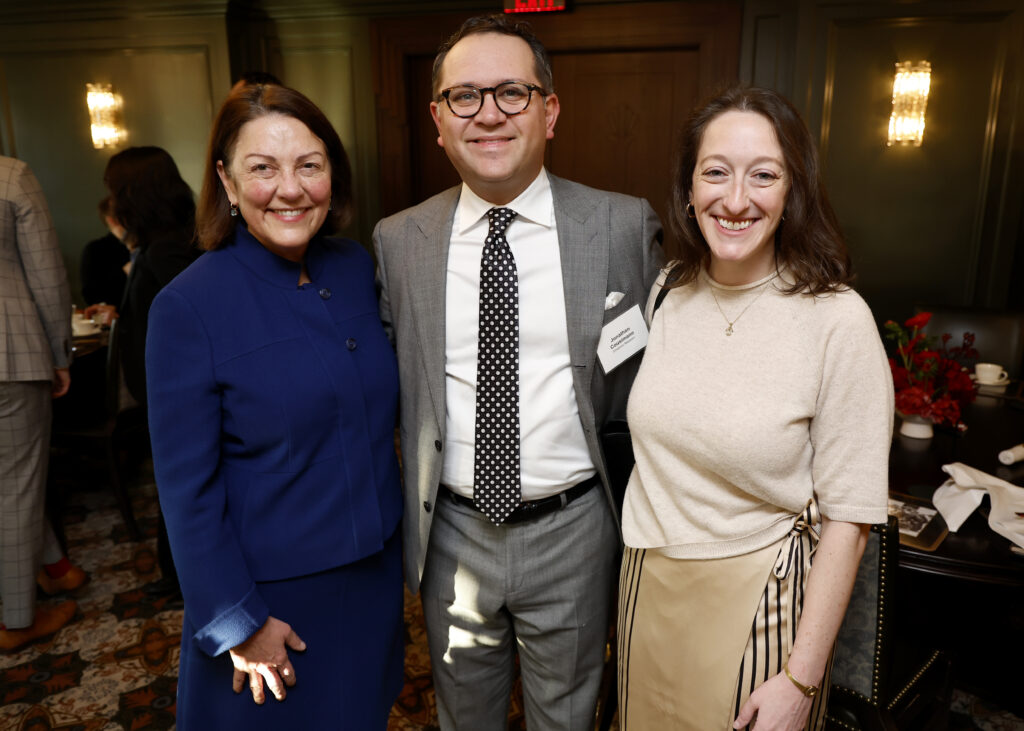
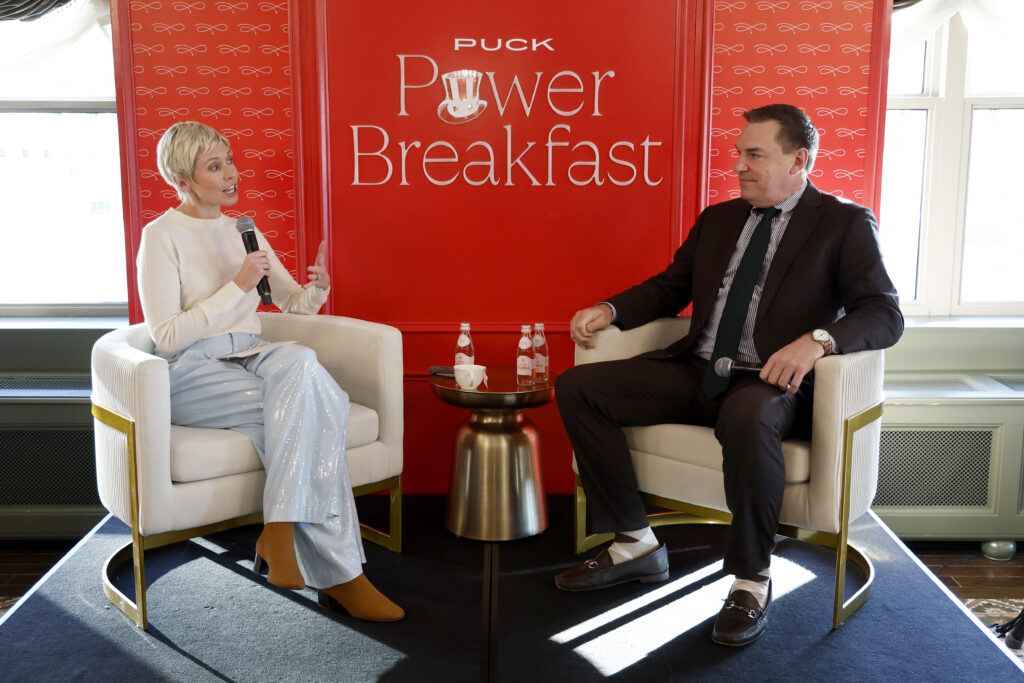
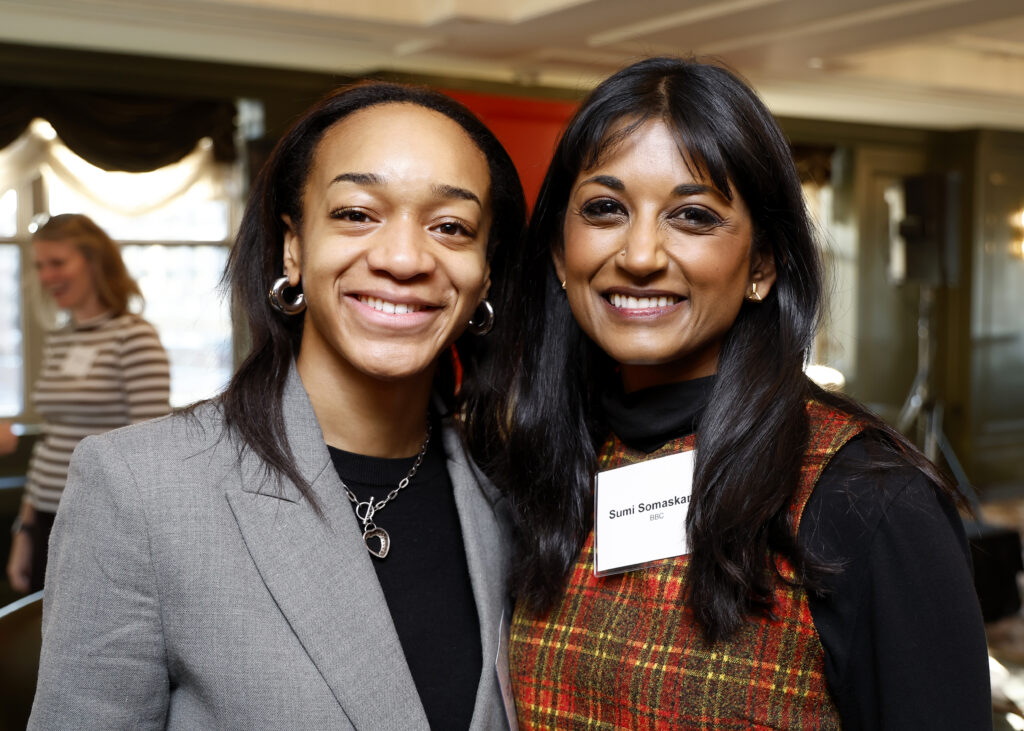
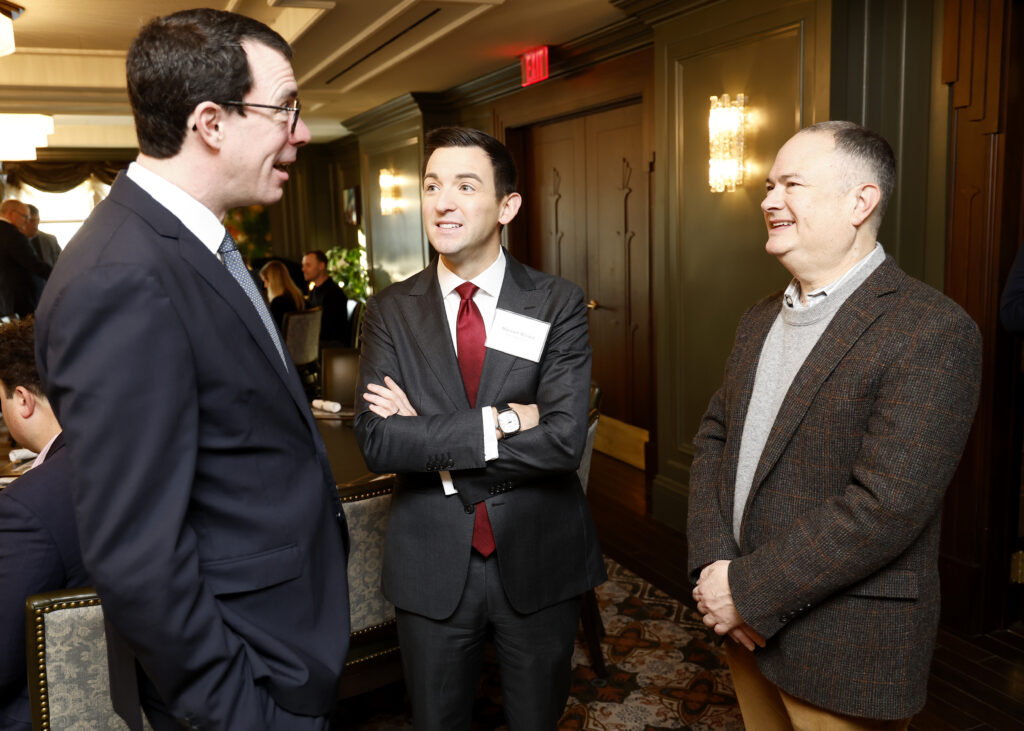
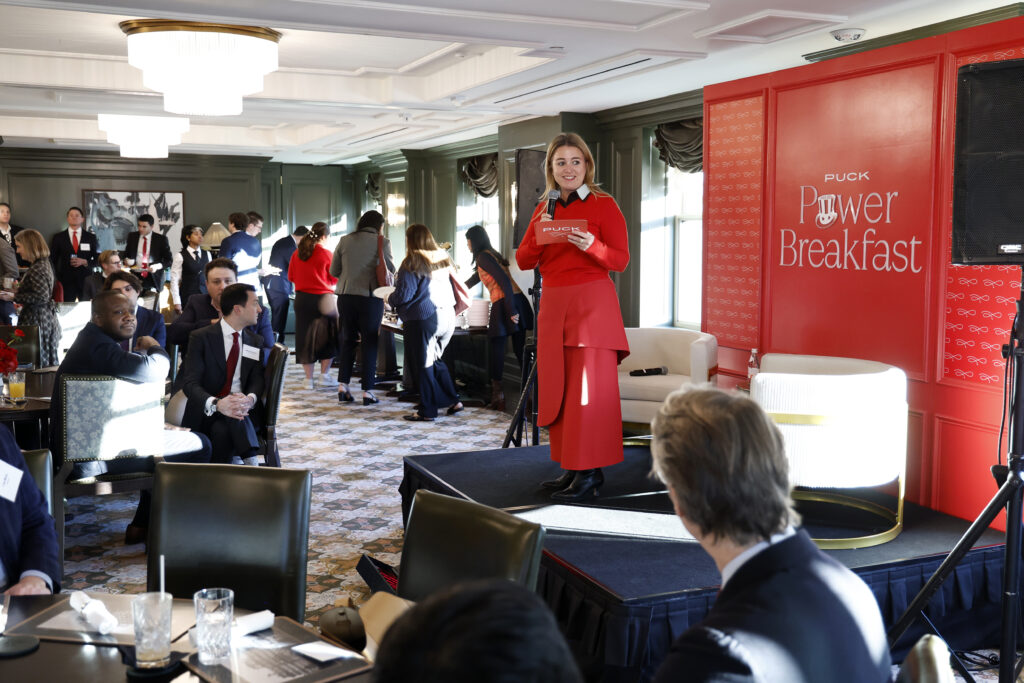
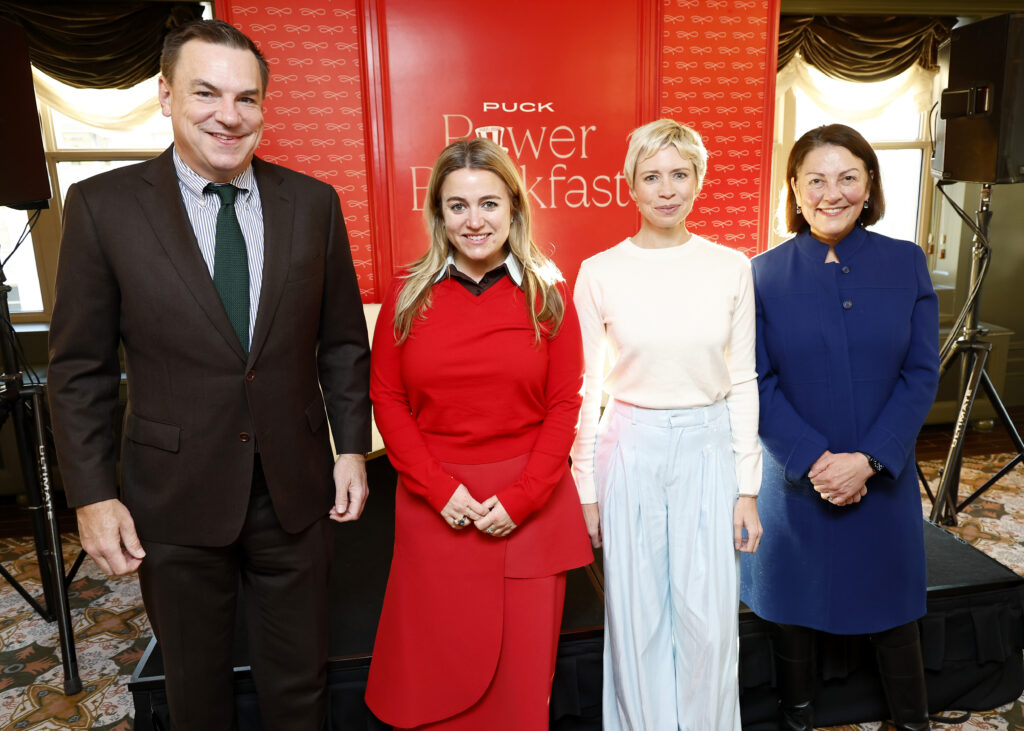
All Photos: Paul Morigi/Getty Images for Puck
Less than a year out from the midterms, much of the political action on Capitol Hill will center on the two congressional committee chairs tasked with winning control of the House: Democratic Rep. Suzan DelBene on one side, and Republican Rep. Richard Hudson on the other.As ever in Washington, the electoral calculus before both parties is in a state of flux, fueled by macroeconomics and micro-dramas alike. Last month, of course, Republicans underperformed with the key demographics that ushered Trump into the White House, while Democrats won by bigger-than-expected margins in off-year elections across the country. But the details of the national mood are hard to glean: Republicans have higher favorability than Democrats by about six points, even as congressional Democrats are leading the generic ballot by just over 3.5 points, according to Real Clear Politics. In short, no party has a monopoly on voter sentiment.
This morning, both DelBene and Hudson sat down with me at Ned’s Club in Washington for a postmortem of the 2025 elections, as part of our Puck Power Breakfast series. Perhaps unsurprisingly, the two found common ground in bemoaning the ongoing mid-decade redistricting war, but vowed to fight on—and they both spoke with unexpected candor about Trump’s impact on each party’s chances of winning the House. Hudson was surprisingly forthcoming with his views on ICE raids, tariffs, redistricting, and how the president talks about affordability. DelBene implied that far-left candidates aren’t the right fit for competitive, swing-district races. The following interviews were edited for length and organized thematically, but stay tuned for an upcoming episode of The Powers That Be, where you can hear their conversation in its entirety.
The State of Play
Leigh Ann Caldwell: Chair DelBene, how do you make sense of the polling that shows Democrats with higher unfavorables than Republicans, even while Dems are favored on the generic ballot?
Suzan DelBene: First and foremost, great candidates matter. The reason we overperformed last cycle and continue to have momentum is because we have incredible candidates. And it’s not necessarily just people making a pure partisan vote. We’re talking about purple districts across the country. That’s our focus. That’s where we’re defending and looking at flipping. In those districts, you need candidates that appeal to folks across the ideological spectrum.
Chair Hudson, what went wrong for your party in the 2025 elections?
Richard Hudson: Turnout on the Democrat side was record levels for an off-year election, and Republican turnout was about what it usually is. Democrats are out of power. They’re motivated. They don’t like Donald Trump, so they’re going to turn out. Our side is happy because our guy won the White House, and they like the policies that are coming. So they aren’t motivated by fear or anger to show up. I think that’s a lesson for us going into the midterms. Turnout is everything. And if we don’t do more than we would normally do, if we don’t turn out our voters, that’s a real threat for us.
This is the challenge that Republicans have had in the Trump era. So how do you go about changing that for 2026?
Hudson: That’s the whole game plan. Our entire election strategy is based on that. The good news is, two years out, we knew that was our problem. That means literally knowing where the voters are, communicating to them how important the election is, and then literally dragging them to the polls. And look, I don’t need them all to show up, but I need some of them.
It’s the Affordability, Stupid
Chair Hudson, Trump held a rally last week where he called the affordability issue a hoax. Is that helpful? How do you get the president to be on the same page of what you need to deliver to voters on this issue?
Hudson: What he said was that the Democrats blaming Republicans for affordability is a hoax.
That’s such a nuance that voters don’t care about. They are feeling what they feel now.
Hudson: Could he have done a better job of starting his remarks by saying, I understand what you’re going through, I ran for president again because I want to make your lives better, the Democrats are now trying to blame me for their policies, I’m on a rescue mission to save you? Yeah, he could have communicated it more artfully, but he’s being taken out of context on purpose to try and make it look like he doesn’t care about what the American people are going through. The hoax he’s describing is the Democrats trying to blame him for their affordability crisis that we’re trying to fix.
Polling is starting to suggest that people are associating tariffs with high prices, and that’s a Trump policy specifically. Is that a challenge for you? Do you want the Supreme Court to overturn the tariffs?
Hudson: No, I hope the Supreme Court doesn’t overturn tariffs. If I thought the plan was that high tariffs are the future for this country, I wouldn’t be on board with it. The plan is to reset our trade alliances, to reset the world stage for trade for America, because we’ve been getting a raw deal for a long time. It’s a challenge because this is a painful transition. But I do know we’re going to land the plane at some point, and we are going to get trade deals with Europe and China and our major trading partners. And this reset is going to be a windfall for America because we’re going to finally have fair trade rules around the world. Once the rules get more clear, I think you’re going to see a flood of capital in the market, and this economy is going to take off like no one’s going to believe. I just hope it’s soon so we can get the impact before the election.
It needs to happen in the next few months?
Hudson: I think in the next six months.
The Healthcare Quagmire
Chair DelBene, do Democrats need to acknowledge that the Affordable Care Act is too expensive?
DelBene: I think we have acknowledged that there’s always more that we can do on healthcare. You should always look at what’s working, what’s not working, and then understand what you can do to make it better. What’s been so disappointing to see in Congress is, Republicans aren’t saying what’s working and what’s not working. They’re saying, We just want to get rid of that policy. We have no plan, and we don’t care about what’s working. We just want to get rid of everything because it was somebody else’s idea.
Chair Hudson, do Republicans have a healthcare problem?
Hudson: We have a messaging problem. We’re not very good at talking about healthcare. But the bottom line is, Republicans have a healthcare plan. It’s to make sure that every family in America can get the healthcare they need at a price they can afford. And you do that through bringing market forces into healthcare, by putting consumers in charge of healthcare decisions. The other side’s view of healthcare is that a country as big and rich as ours ought to give free healthcare to everybody. What we want is individuals to choose the healthcare they want and be able to afford it.
We made a decision beginning last Congress that we’re not going to have one big healthcare bill. That kind of strategy doesn’t work anymore. We’ve been passing individual policies rather than doing one big bill and we’ve had a little bit of success. We’ve got a lot of ideas that we’ve either passed out of the House or passed out of our committee and haven’t gotten across the finish line. We just have to do a better job of talking about it.
Taking Swings
Rep. Hudson, do you want Donald Trump in your swing districts?
Hudson: Definitely. He’s a net positive everywhere. He motivates the other side to turn out, but he also motivates our side. We delivered almost the entire agenda already—all the promises he made, we’ve delivered. So we can now go back to the voters and say, You asked for this. Here’s what we’re doing, here’s what we’ve done to make your life better. And I think that’s why we’re going to defy history.
Who do you think are the swing voters in this cycle?
Hudson: For the most part, for Republicans, it’s Hispanic voters. We’ve learned how to communicate with Hispanic voters. We’re much better at it. But if you look at the recent elections in Virginia and New Jersey, I’m not sure either of our candidates for governor spent any resources or time communicating with Hispanic voters in those states. We got beat with the Hispanic vote pretty significantly. But that’s because Hispanic voters didn’t show up. So we’ve got to figure out whether they didn’t show up because we didn’t communicate with them, or if there’s some other issue there.
Could it be the aggressive tactics of ICE?
Hudson: It could be, but I’ve got some evidence of talking to people on the street that those Hispanic voters are the ones who are most happy about these ICE raids, because they’re getting the criminals out of their neighborhoods. At some point there will be an end to the ICE raids.
Are you hoping they end soon?
Hudson: Hopefully sooner rather than later. But I do support what the president is doing. We have a criminal gang network that has been built in this country. Every city in America, the cartels have built out a network that is trafficking in humans, drugs, committing crimes—and it all happened during the Biden years. We’ve got to roll that up, and the president is doing a good job with it.
Chair DelBene, are you seeing a specific demographic that’s softening? For example, in New Jersey, Latino voters really flipped from voting for Trump in 2024. What about suburban women?
DelBene: Those are great examples, but also farmers. Farmers are being hit incredibly hard. Between tariffs and the policies to cut resources for nutrition, and policies to give money to Argentina—all of that is impacting our farmers in places like Iowa, where we have three seats in play. We have incredible opportunities in places like that. You’ve got folks who are seeing what’s happening on the ground, what’s impacting them, direct cause and effect from policies from Donald Trump.
The Redistricting Dilemma
Chair Hudson, was redistricting worth it?
Hudson: Anybody who tries to be holier than thou on redistricting is lying to you. Everybody’s got blood on their hands. No one has pure motives. The Democrats have been doing this for a long time. I wasn’t involved. I wasn’t consulted. No one asked my opinion. It wasn’t really my idea, and I don’t have any impact on how they draw the maps. If you look at the way it’s going to play out, Republicans are going to net some seats. I’ll let others decide whether it was worth it or not.
Do you think Florida should move forward?
Hudson: Sure. If you look at Florida, Texas, North Carolina—the three fastest-growing states in the union—the population has changed a lot since the last census, so it makes sense that they want to redraw the lines.
Should the mid-decade redistricting be done after this cycle?
Hudson: I’d love to see it not happen again. It’s really on the Supreme Court. I would love for the Supreme Court to put some serious guardrails and say, Let’s stop doing this. Let’s do redistricting once a decade. And I think everybody will be better off.
Trump says that he’s going to help you win back the House. Should he spend some of those resources on primarying Indiana’s state Senate Republicans?
Hudson: That’s up for him to decide. I think he needs to spend a lot of those resources holding the House.
Chair DelBene, given that Republican redistricting isn’t going exactly as they had planned, should Illinois, Virginia, and Maryland still try to redistrict this cycle?
DelBene: We’re going to continue to fight back, and we have. I think communities across the country want to stand up. Other states will continue, and those are the decisions they’re going to make. They know Republicans are going to do everything they can to continue to rig the system because they can’t win otherwise. We are not going to just stand aside while they do that.
Should this happen every cycle?
DelBene: No. I think there needs to be a strong policy so we have free and fair elections across the country everywhere.
Midterm Predictions
Chair DelBene, how many seats do you think you will net?
DelBene: I’m always going to under-promise and over-deliver. But we will take back the House. We have strong momentum. We have great candidates. That’s why we even expanded our map more recently, because we know we have more opportunities across the country.
Chair Hudson, how many seats will you all pick up this cycle?
Hudson: I’m confident we’re going to hold the House. And if the economy takes off like I think it is, I think we’ll pick up a significant number of seats.
And if the economy doesn’t take off?
Hudson: Then we’ll hold the House, but it’ll be a tight number.
Didn't get an email? Check your spam folder and confirm the spelling of your email, and try again. If you continue to have trouble, reach out to fritz@puck.news.
Didn't get an email? Check your spam folder and confirm the spelling of your email, and try again. If you continue to have trouble, reach out to fritz@puck.news.
Member Exclusive
Get access to this story
Create a free account to preview Puck’s full offering, including exclusive articles, private emails from authors, and more.