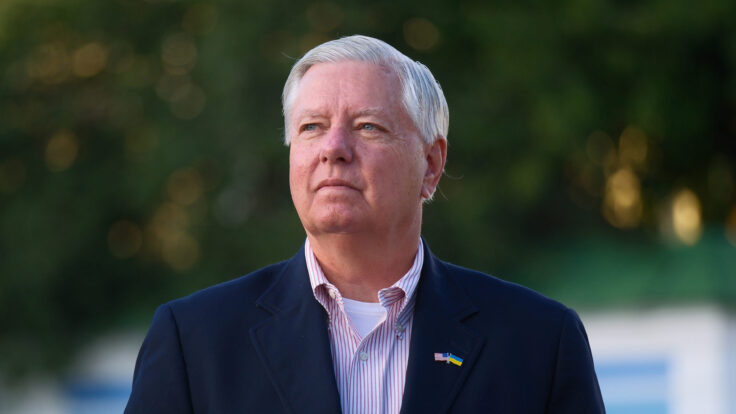
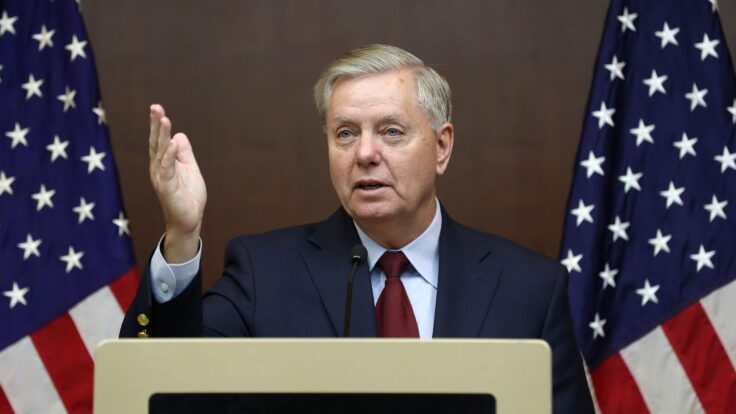
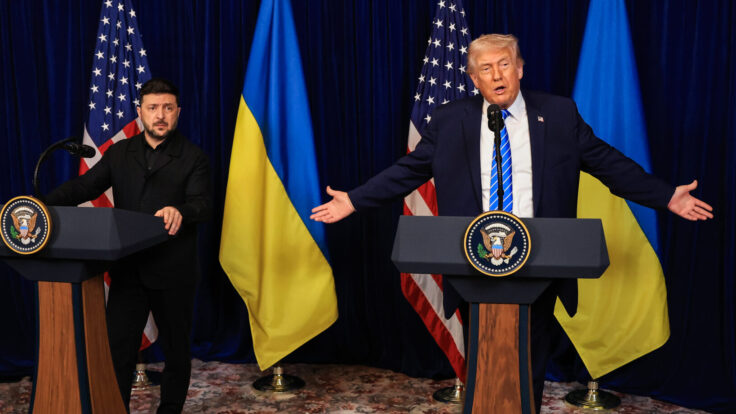
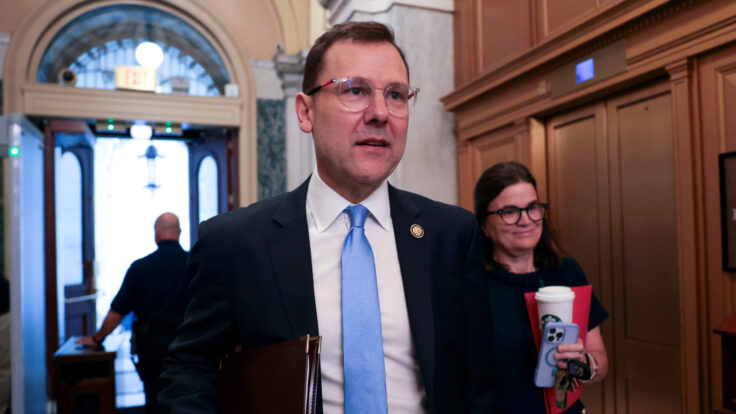
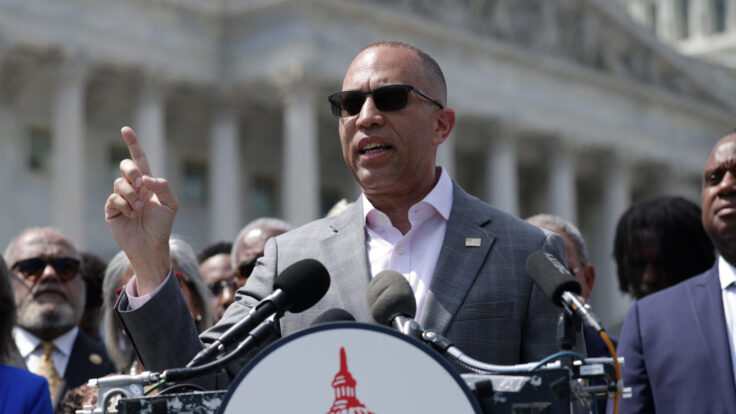
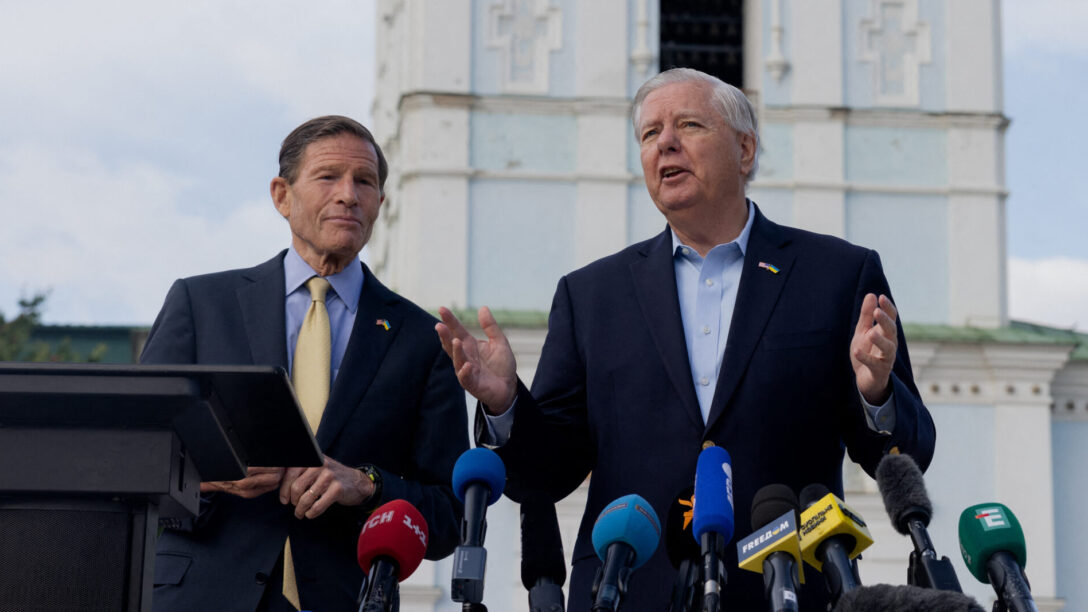
Last Friday, Sen. Lindsey Graham held a press conference in Kyiv and announced that, “as of thirty minutes ago,” he and a bipartisan group of senators had reached a compromise with the Trump administration on Russian sanctions. For two years, he and Democratic Sen. Richard Blumenthal had been working on a bill that would ramp up pressure on Russia by imposing massive tariffs on any country buying its energy. All along, Graham and Blumenthal had more than enough votes to pass the bill—the bipartisan legislation had a whopping 85 co-sponsors—but it never came up for a vote because the White House rejected it. The bill, the administration argued, would have hamstrung Trump’s ability to negotiate with Putin to bring his war against Ukraine to an end. Even some of the administration’s critics felt the bill, in its original form, was unworkable.
The Last Testament of Lindsey Graham

Julia Ioffe
July 16, 2026