{{ 'now' | timezone: 'America/New_York' | date: '%b %d, %Y' }} |
|
|
|
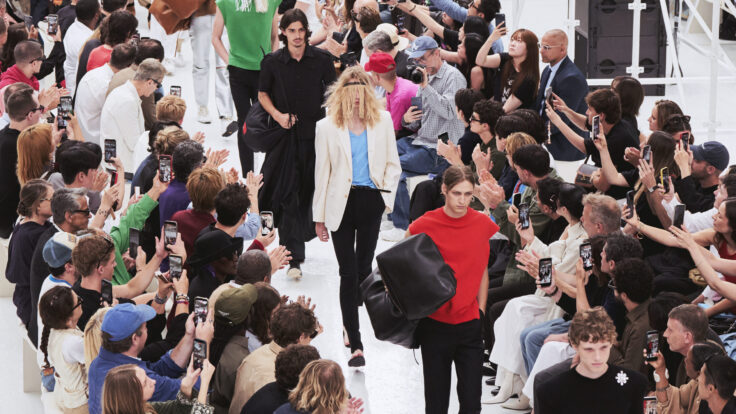
Hi, and welcome to Line Sheet, coming at you live from Copenhagen, where everyone is artificially
tan, naturally blonde, and wearing a drawstring for some reason. In today’s issue, I’ve got the latest on another succession story for the ages, concerning the future of Fast Retailing, whose founder, Tadashi Yanai, was supposed to retire seven years ago. I’ll explain why he hasn’t stepped aside, and plenty more. Up top, a quick scan of the weekend’s news, from the trippy Zara trousers (people are literally falling over in them) to the feedback from
Maria Grazia Chiuri’s first Fendi show and a sparkling new hire at Harper’s Bazaar. Plus, Malique “Malique@puck.news” Morris is back with a big scoop on the fate of Spanx.
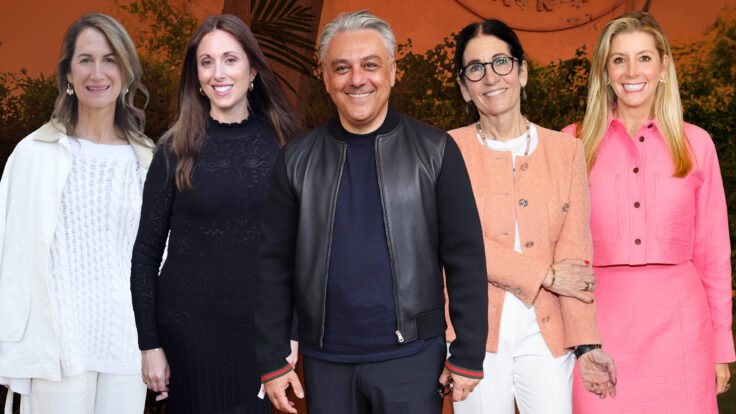
Today on Fashion People, my guest is Derek Blasberg, author of
And Another Thing and perpetual magazine columnist. We discuss last week’s Couture shows and his new book, Fast + Louche. Listen here and
here.
Also mentioned in this issue: Sarah-Linh Tran, Jannik Sinner, Jonathan Anderson, Sara Blakely, Instagram Face, Jil Sander, Clare Waight Keller, Schostal Originals, Phoebe Gates, Laura Reilly,
Kazumi Yanai, Lagreeness, Carlos Nazario, Bernard Arnault, Skims, Molly Young, Koji Yanai, Alexis Page, Vogue, Jia Tolentino, Christophe Lemaire, Bill Gates, Alice Cavanagh, Sneex, Teruyo Nagaoka, Johnny Was, Daisuke Tsukagoshi, Chloe Malle, Samira
Nasr, Malina Joseph Gilchrist, Angelo Flaccavento, Mickey Drexler, and more. |
|
|
|
A MESSAGE FROM OUR SPONSOR |
|
|
|
Four Things You Should
Know…
|
|
|
|

| Malique Morris
|
|
- Blackstone unloads
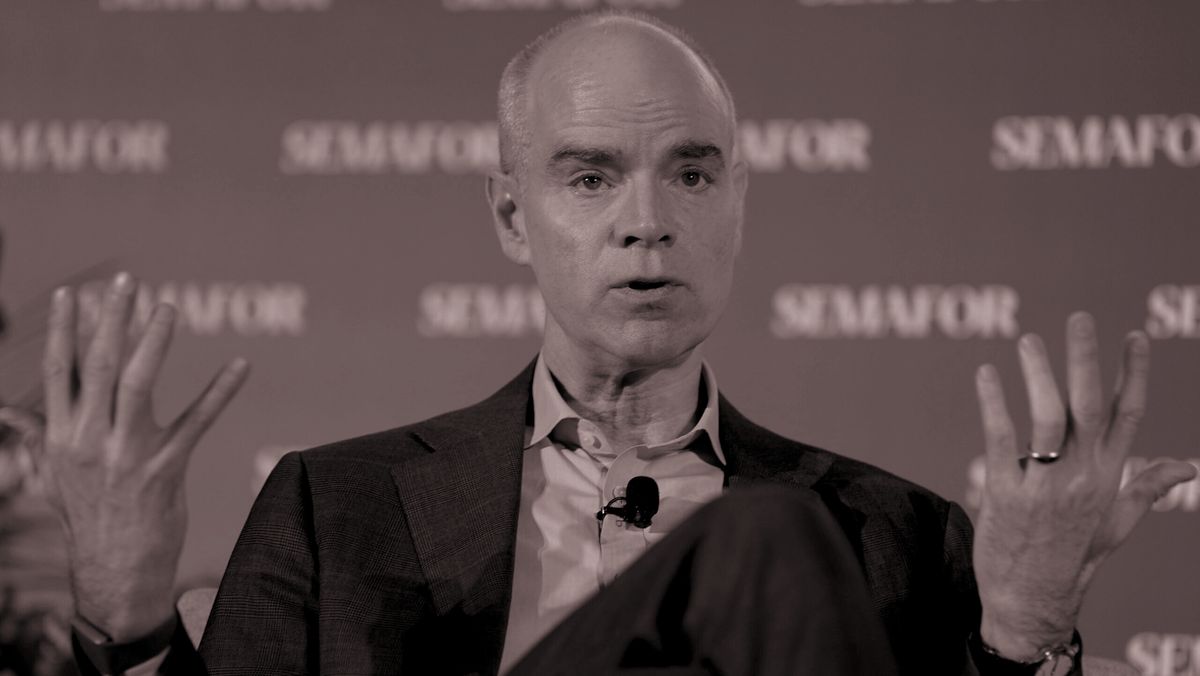
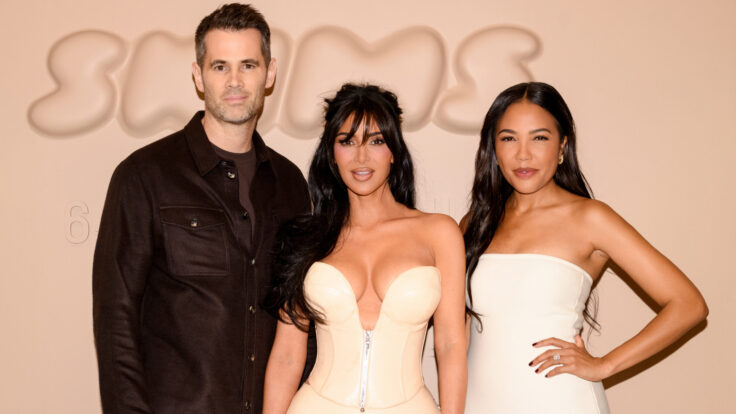
Spanx: Since private equity giant Blackstone acquired Spanx for $1.2 billion in 2021, the shapewear company has cycled through five C.E.O.s while profits fell by nearly half. Much of that had to do with the category’s takeover by Skims, on track to generate north of $1.3 billion in annual sales this year. It seems Blackstone has had enough. As I
reported over the weekend, Blackstone quietly sold its majority stake to HPS Investment Partners back in June. HPS is a private credit lender and BlackRock subsidiary that provided Spanx with debt financing in 2021. “We believe this transaction best positions Spanx and its iconic brand for success moving forward, and continue to believe in the long-term prospects for the
business,” a Blackstone spokesperson said in a statement. (Spanx didn’t respond to a request for comment.)
The deal’s pricing was not immediately clear, but it almost certainly didn’t represent a premium. I’m told that HPS has already reduced Spanx’s debt and eliminated interest payments. A board overhaul is coming next—founder Sara Blakely, who transitioned from C.E.O. to executive chair following the 2021 sale, has now exited the board to focus on Sneex, the footwear
brand she founded in 2024 that specializes in a confounding sneaker-pump hybrid.
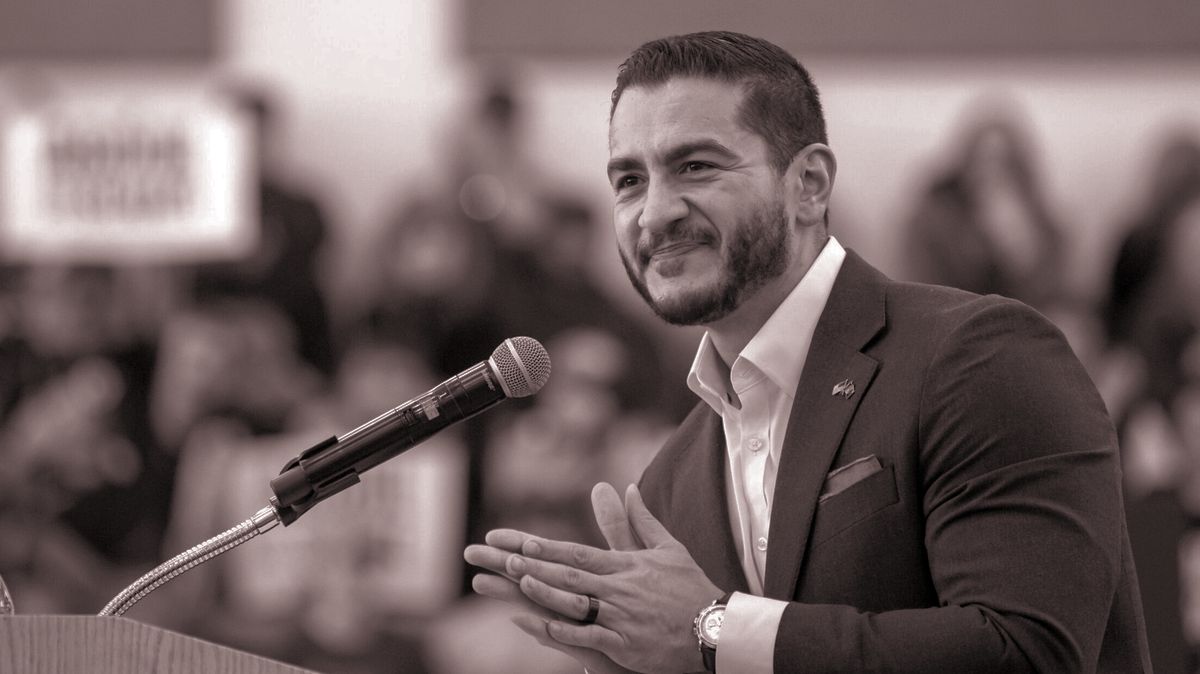
The HPS sale was announced to employees during an all-hands meeting on Friday, according to sources, one day after Spanx disclosed layoffs impacting at least two departments. Spanx’s current C.E.O., Robert Trauber, who joined in May from boho lifestyle brand Johnny Was, is the company’s third chief executive in just eight months. Once HPS reconstitutes the board, attention is likely to shift
to the C-suite.
|
|
|
|
- Can
you issue a safety recall on a pair of pants?: An industry executive friend of mine is obsessed with this story about a pair of pull-on Zara pants that are apparently causing those who wear them to trip and incur minor injuries. (Check out this CNN video.) According to my friend, the satin pants are probably a little too long and a little too wide for
some people who bought them. (A Zara representative didn't respond to a request for comment.)
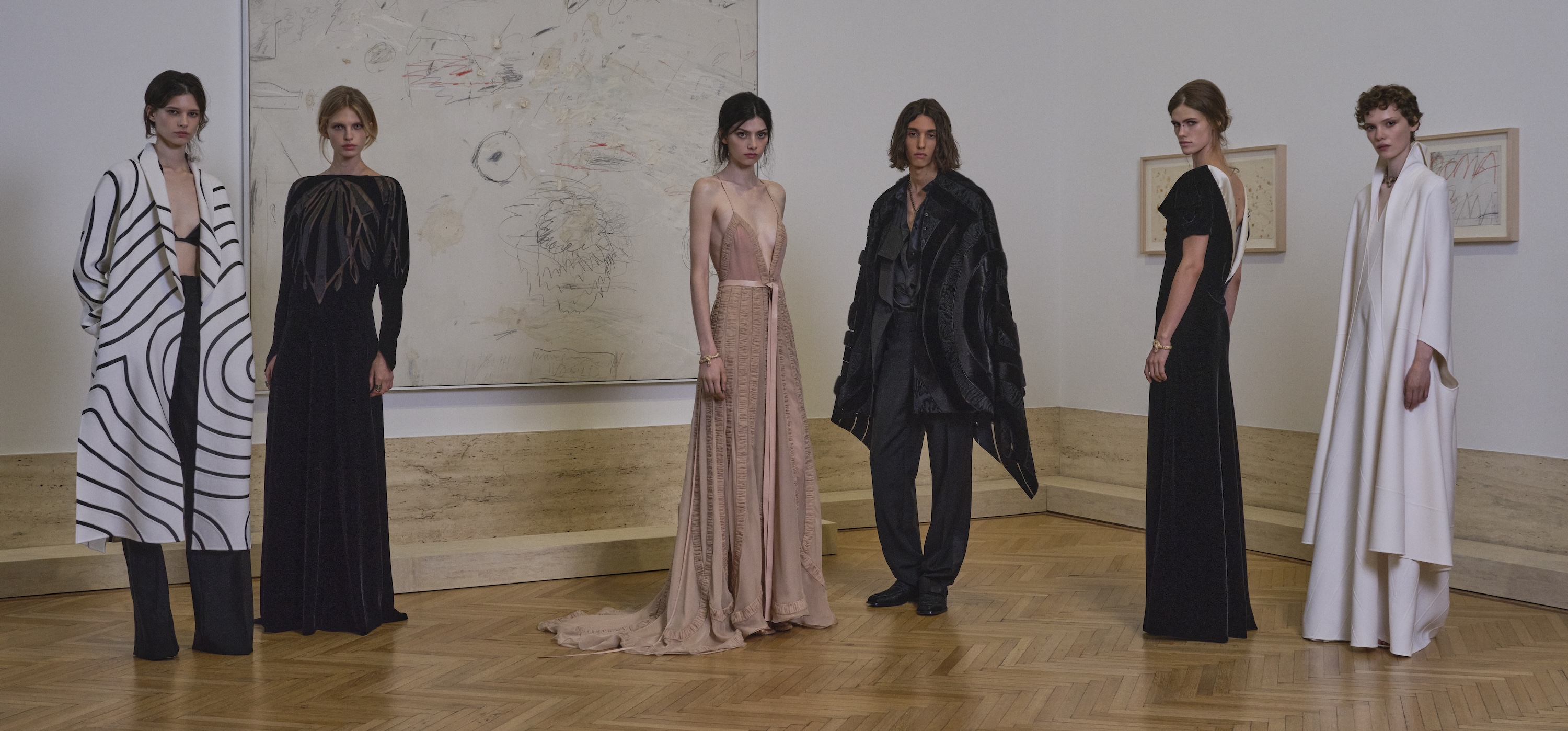
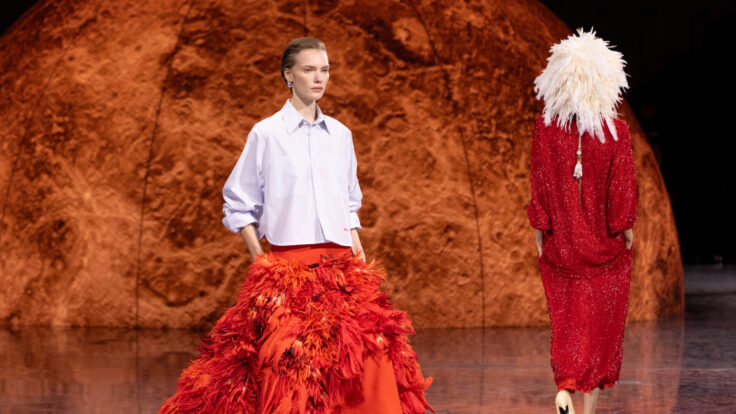
- Maria Grazia’s memo to the fashion industry: The general takeaway from Fendi’s Couture show in Rome, other than the fact that a visit to Schostal Originals is a press-trip requisite, was that Maria Grazia Chiuri refuses to create a collection that panders to fashion industry insiders. As
Angelo Flaccavento said in his review, the collection was “technically flawless but oddly somber.” Honestly, I’d wear a lot of this, but would I go to her for couture if I were a client? Unclear.
|
-
Look, Chiuri has a loyal customer and has garnered thousands of sign-ups to the company’s database. All that should matter is whether or not she’s adequately pleasing that cohort while creating a few hit handbags and shoes along the way.
|
|
|
|
A MESSAGE FROM OUR SPONSOR |
|
|
|
- Harper’s
Bazaar’s new fashion person: I’m told Malina Joseph Gilchrist has joined the American edition of the magazine as style director at large. (It’s a role similar to the one vacated by Carlos Nazario, who rejoined Vogue under Chloe Malle.) September will mark her first cover. Gilchrist is an incredible stylist with a real international following, and I was secretly
hoping she might get the T magazine job. Let’s see what she brings to Samira Nasr’s Bazaar. “It’s a homecoming of sorts because Malina worked with us in the early days,” Nasr told me. “It’s with great pleasure that we get to welcome her back in a more meaningful role.”
|
And now on to the main event… |
|
|
|
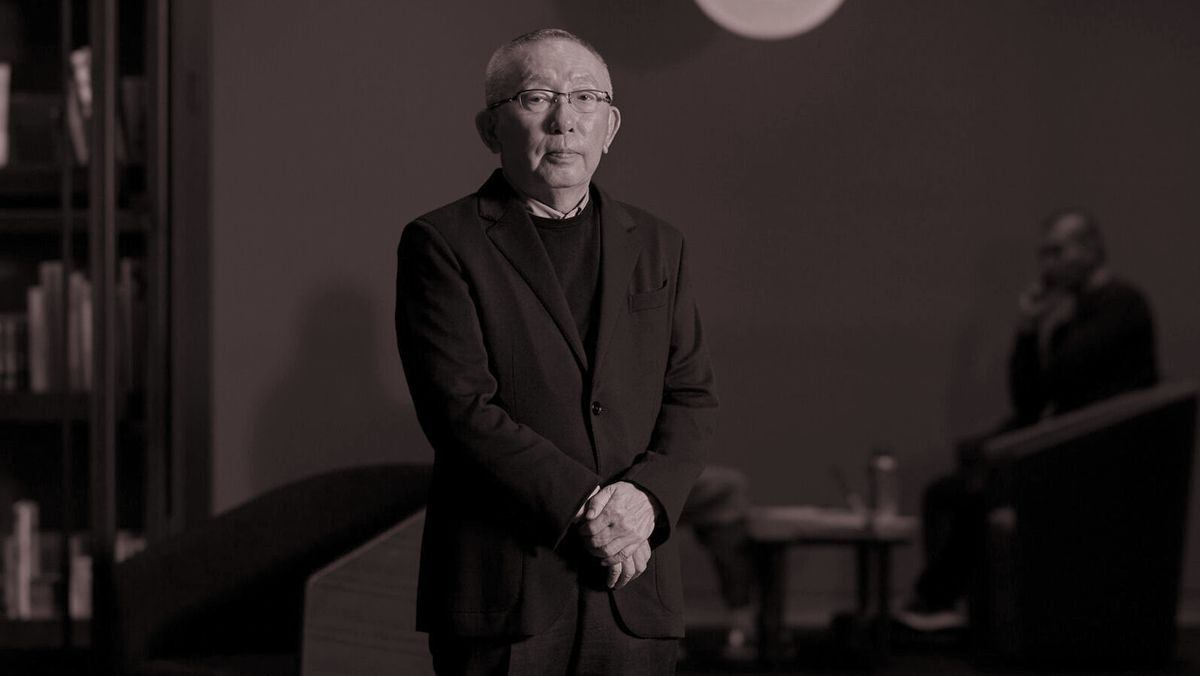
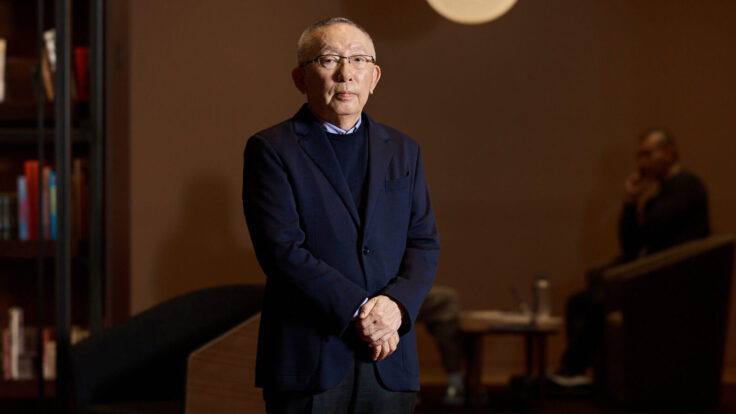
Tadashi Yanai was supposed to retire years ago, but the 77-year-old head of Uniqlo is still
vetoing sweaters, consulting his wife, and recruiting designers like J.W. Anderson for the $20 billion business. What he doesn’t have is a succession plan. |
|
|
|
Twice a season, the creative teams at Uniqlo meet to present collection concepts to executives and the board of Fast Retailing, including Tadashi Yanai, the company’s founder and mastermind. Like many of his micromanaging contemporaries, from Mickey Drexler to Bernard Arnault, Yanai’s level of involvement is astonishing. He personally looks at every single piece that the teams put out, often calling on the opinion of his wife, Teruyo Nagaoka, who has no formal role at the company but whose taste he trusts implicitly.
A few months back in one of these product reviews—which included presentations by Clare Waight Keller and Jonathan Anderson—multiple people in the room said that Tadashi was even more opinionated and riled up than usual. He kiboshed a Uniqlo U collection designed by an in-house studio in the wake of Christophe Lemaire and Sarah-Linh Tran’s departure, and was generally dismissive of a lot of the presentation. Of course, Yanai is exacting no matter what, but something seemed off this time. Waight Keller, whose ability to communicate easily with Yanai and the rest of the Japanese executive team apparently helped her ascend to become creative director of all of Uniqlo, seemed visibly confused by his reactions. (Neither Uniqlo nor Waight Keller immediately responded to requests for comment.)
Some people in the room dismissed it as Yanai acting imperiously; he is, after all, 77 years old, and has spent the last 42 years turning a family tailoring business into a global empire. He was a proto-data miner, using a vertically integrated supply chain and unsentimental mindset to build Uniqlo into a $20 billion-a-year-in-sales business—far larger than Gap ($3.5 billion) but still trailing the trendier and broader Zara
($30.4 billion).
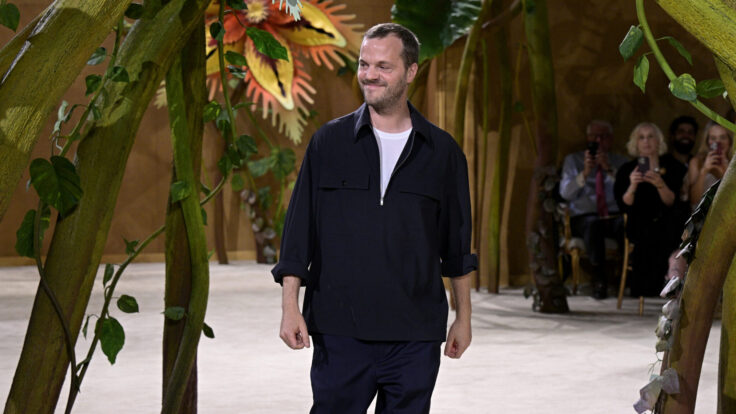
But Yanai has a lot to be pleased about. I’m told that J.W. Anderson for Uniqlo is the most successful of its lines in terms of sell-through. Visit any airport in Europe, and you’ll note that J.W. Anderson for Uniqlo is the preferred jeans brand these days. That may sound surprising to Americans, for whom Uniqlo remains relatively exotic—even as the company generated about $1.9 billion in U.S. revenues in 2025, up 25 percent from a year earlier and essentially the same as
Banana Republic. But that’s probably because Yanai, for all his success, still hasn’t nailed the advertising piece in the U.S., where the company’s LifeWear proposal falls on deaf ears. |
|
|
|
And yet Yanai got lucky as the culture of consumption changed, and product became the marketing. His
obsession with hiring star designers to create long-running collections—first, Jil Sander, then Lemaire, Anderson, and Waight Keller—also brought him a different sort of exposure. Fashion industry insiders looking for a high-quality alternative to the Gap became early adopters—Heattech turtlenecks are practically a cult item—and the linkage with brand-name designers offered marketing opportunities that wouldn’t have existed otherwise, and continues to this day.
A final Uniqlo U collection with Lemaire and Tran, expected to release this fall, will undoubtedly result in a flood of profiles and exposure. The on-and-off nature of +J, the collaboration with Sander, stoked endless fascination. Yanai may have failed to succeed at high fashion—Helmut Lang, which he acquired more than 20 years ago and never managed to get right, remains a drag for the company—but high-fashion designers succeed at Uniqlo.
Yanai is still spouting off his opinions, in part,
because Uniqlo obviously works incredibly well with him in charge. Fast Retailing just raised its full-year outlook, expecting bigger sales and profits in 2026 than originally anticipated. But it’s also a case of founder syndrome, and a lack of a real succession plan. Yanai has made it clear that his two sons, Kazumi and Koji, will not be taking over when the time comes. Unlike some of his counterparts, though, there is a deep executive bench within the ranks of
Fast Retailing who could potentially do the job. In 2021, Daisuke Tsukagoshi was named C.E.O. of daily operations—effectively, C.O.O.—and there is a robust team backing him up. Still, Yanai’s original plan was to retire at 70. That was seven years ago. The more likely outcome is that he will live forever. |
The folks behind Phia—co-founded by Phoebe Gates, who refers to herself as
“Bill Gates’s daughter” in a paid Instagram advertisement for the shopping app—have been accused of “cookie stuffing” by Bloomberg. A rep for Phia claims the “stuffing”—essentially, taking online credit for driving sales it didn’t drive—was a coding accident and has been fixed.
[Tech Crunch]
Come for Molly Young’s book recommendations, stay for the New York City summer trend report. [The Life and Errors of Molly
Young]
Friend-of-Line Sheet Alice Cavanagh surveys Paris’s health and wellness scene. She spared my beloved Lagreeness. [How to Spend It]
Instagram Face is creeping out Jia Tolentino.
[The New Yorker]
Alexis Page, one of the most influential people in the beauty industry, chats for two hours with Magasin’s Laura Reilly about her beauty and wellness habits, her likes, her dislikes, etcetera. I predict this is going to be a top-five converting newsletter for
Laura. [High Touch]
Jannik Sinner’s Wimbledon win is a boon for Gucci. [British Vogue] |
Until tomorrow,
Lauren
P.S.: We use affiliate links because we are a business. We may make
a couple bucks off them. |
|
|
|
Need help? Review our
FAQ page or contact us for assistance. For brand partnerships, email ads@puck.news.
You received this email because you signed up to receive emails from Puck, or as part of your Puck account associated with {{customer.email}}. To stop receiving this newsletter and/or manage all your email preferences, click here. |
Puck is published by Heat Media LLC. 107 Greenwich St., New York, NY 10006 |
|
|
|
|