
Join Puck to listen to this article
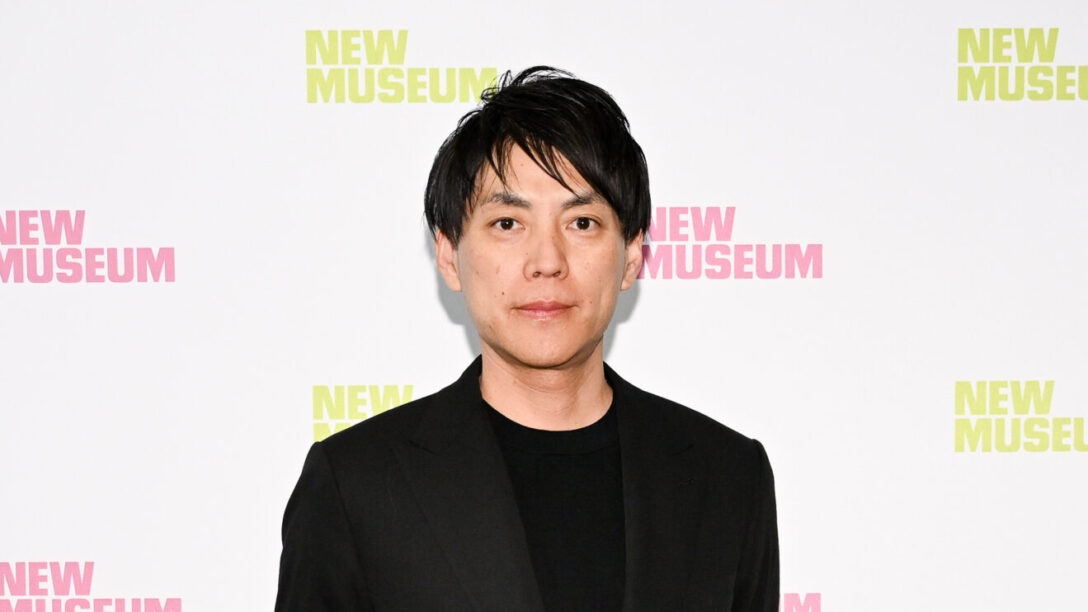
The excitement around the New Museum’s annex exceeded normal expectations for an architectural face-lift. Earlier this month, the long-awaited extension finally opened, doubling the preexisting exhibition space to 120,000 square feet and addressing some of the original building’s well-known shortcomings—the museum was notoriously difficult for curators to program and not always pleasant for visitors to navigate. How did OMA, the architects tasked with reimagining the museum, solve those problems? I spoke with Shohei Shigematsu, a partner at the firm, to learn more about the difficult task of building a functional, forward-facing museum for the 21st century. As usual, this conversation has been lightly edited for length and clarity.