Stars of the Season: Mikey Madison & Denis Villeneuve
A pair of compelling keynote conversations from Puck’s inaugural Stories of the Season event in Los Angeles, featuring ‘Anora’ leading actress Mikey Madison and ‘Dune: Part Two’ director Denis Villeneuve.
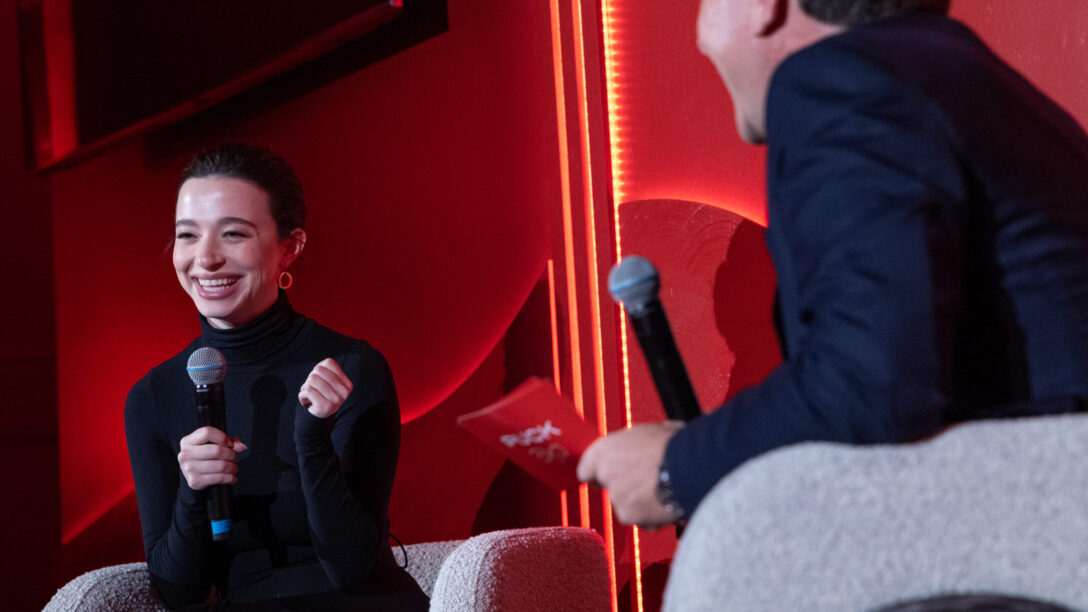
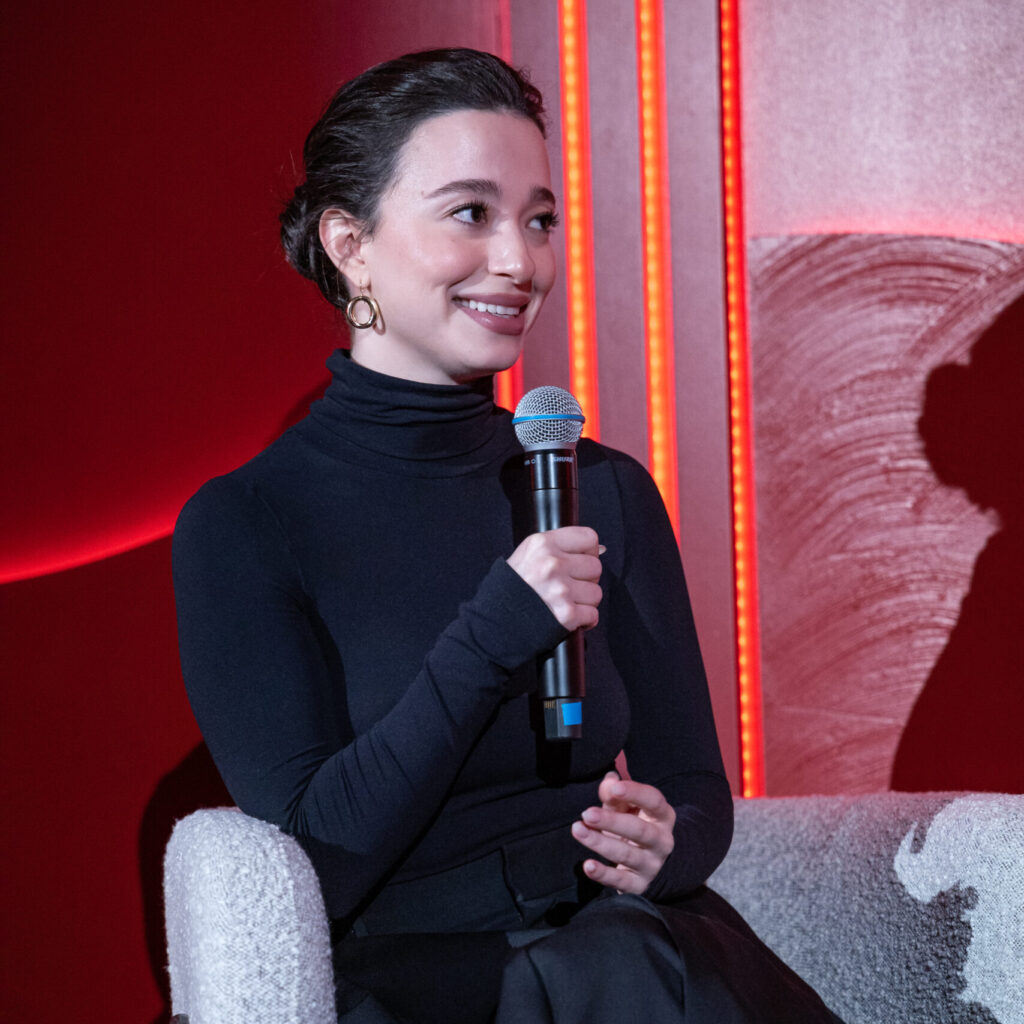
“‘Stardom’ has never been a word that’s come to mind when I think of my career,” Mikey Madison told Matt.
Photo: Puck
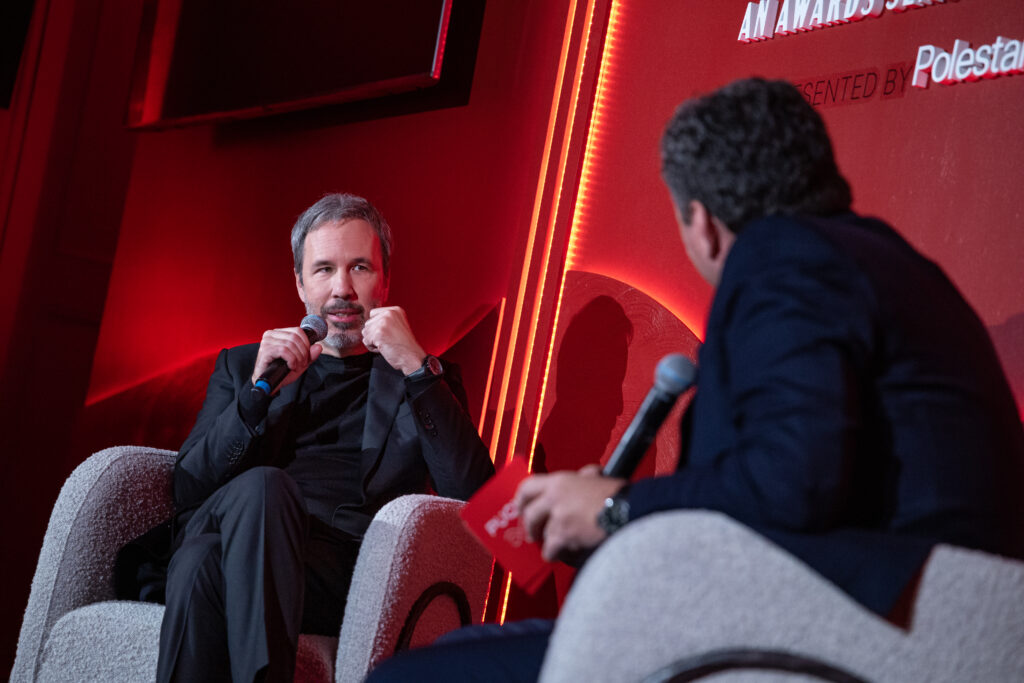
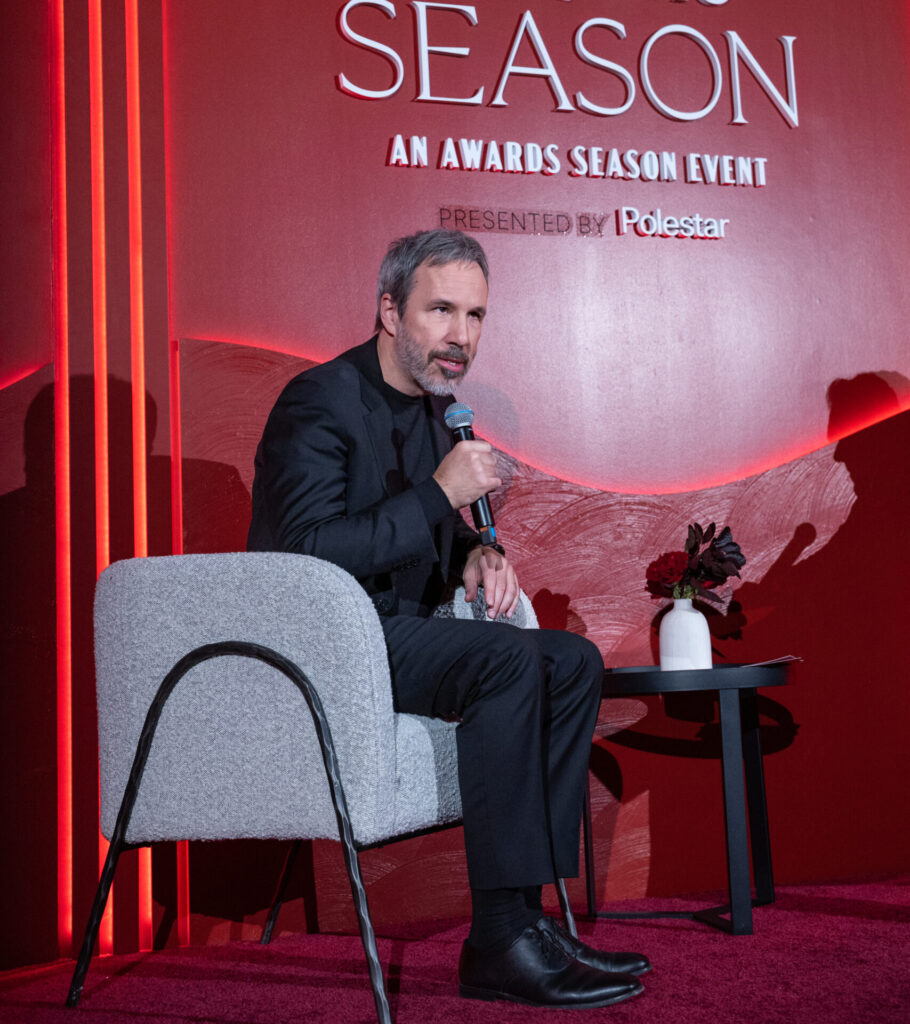
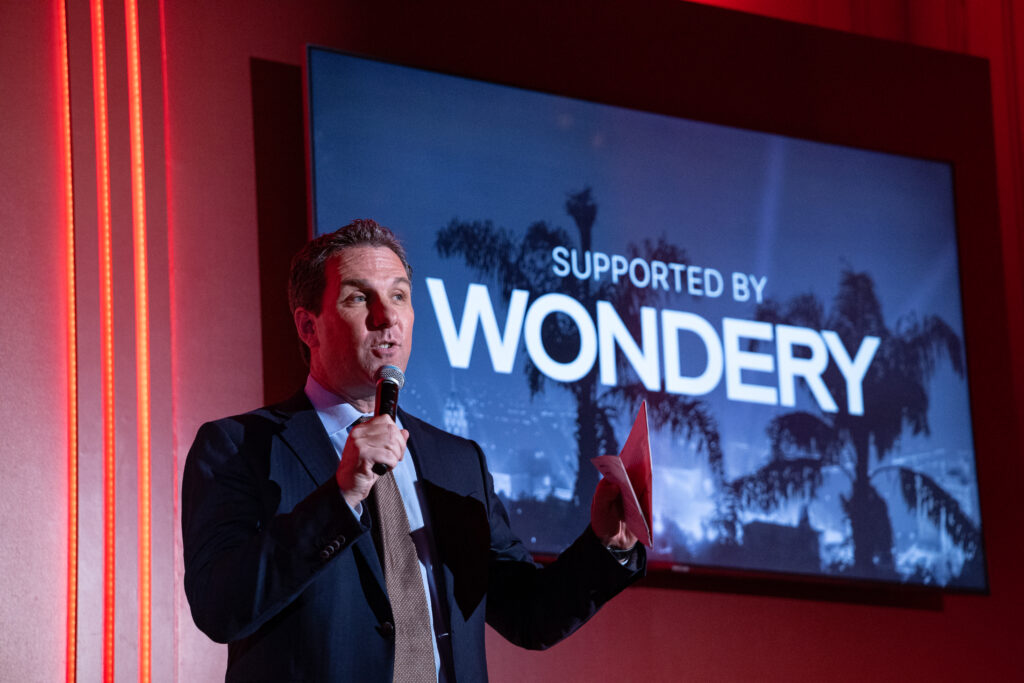
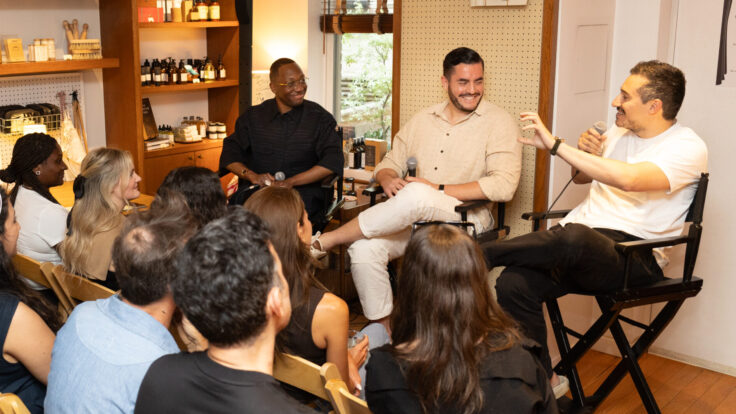
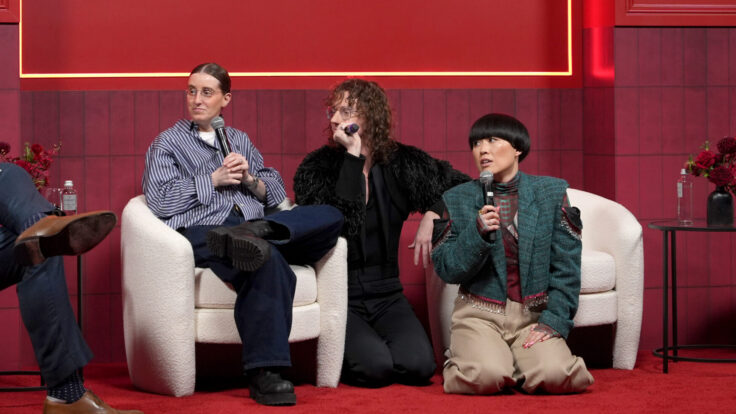
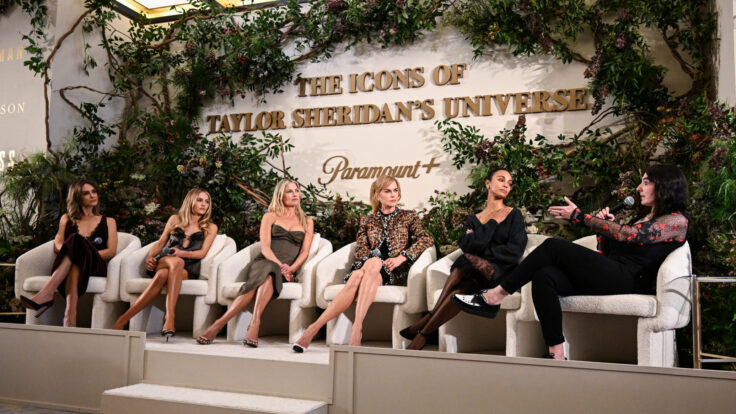
In the final panel conversion from Puck’s inaugural Stories of the Season event in Los Angeles, MattBelloni, our resident Hollywood insider and author of the private email What I’m Hearing, hosted a live taping of his excellent podcast, The Town, in which he conducted keynote interviews with Anora lead actress MikeyMadison and Dune: Part Two director DenisVilleneuve.
In the first conversation, Mikey discusses her path from child TV star to budding A-lister, what it’s like working with directors SeanBaker and QuentinTarantino, her biggest takeaways from filming Anora, and more. Then Denis and Matt dig into the dynamics of modern filmmaking and moviegoing, the necessary symbiosis between directors and studio executives, Denis’s view on the commercial and creative appeal of Dune, and much more.
The evening was presented in partnership with Polestar, along with supporting sponsors Mayer Brown, Wondery, and HBO and Max. The following has been lightly edited for length and clarity.
Mikey Madison’s Star Power
Matt Belloni: I’ve always been fascinated by the transition from child stardom to adult stardom, and the strategy that goes into it. How did you go about choosing your roles, given the experiences you had as a kid, but obviously knowing you wanted to go in different directions as an adult?
Mikey Madison: “Stardom” has never been a word that’s come to mind when I think of my career. I’ve always really just thought about the work, and I’ve been really lucky for every single job that I’ve had. There’s been years where I haven’t worked, and years where I’ve worked a lot. It’ll be almost a decade since I started acting on my TV show, Better Things. So I think when it comes to choosing roles, it’s intuitive.
I’m at a point now where I’m able to put a lot of thought into what exactly I want to do next—or specifically, how I want to feel in the next character that I play. It used to be a lot more auditioning for other people, trying to convince them that I was right for a particular role. It feels slightly different now.
Did Sean Baker tell you what the movie would be about first?
He pitched it as a kind of Russian gangster film at first. And I knew very, very little about my character and who she would be. I was essentially just saying yes to working with Sean, which was an easy answer for me. I think I would’ve loved any character he wanted me to play because I’m such a fan of his work, and I’ve always been intrigued by the kind of worlds that he creates and the characters that he involves. My character being a sex worker wasn’t something that fazed me. In fact, I’ve been able to learn so much about that community and have really fallen in love with so many incredible people who have similar lived experiences to my character.
Sean said that he wanted to develop the character in Anora with you. What was that process like, and what did you bring to the development of that character?
It was a collaborative process. He would share scenes with me that he was writing. One time he asked me if I thought there was too much fighting involved, and I told him, Honestly, the more brawl, the better. My character, Ani, is a fighter in so many different forms. She fights physically, but she also fights to secure the life that she feels she’s earned. But I think the biggest collaboration came after the script was written, and when we were in Brighton Beach about to shoot, and while we were actually shooting.
Photo: Puck
There’s a lot of nudity and intimate scenes in this movie. There was no intimacy coordinator on this film, and you guys have said it’s because you all felt comfortable enough. What does Sean do on set to make actors comfortable?
Safety and comfortability are priorities of Sean and his wife and producing partner, SamanthaQuan. I had created such a comfortable, close friendship with them for an entire year leading up to me actually being on set and playing the character, to where we were able to just really streamline filming those scenes. We talked at length about what the scenes would entail and what they would look like, and it was easy. We shot them quickly, and they were fun to film because there’s a lot of humor and innocence in a lot of the sex scenes.
That’s one of the things I really like about Sean as a filmmaker: He’s able to take a scene that’d be quite serious in a different film, and flip it on its head and make it something completely different and earnest in a way. I’m at a point in my career where I’m very outspoken, and so if there was ever any instance where I felt uncomfortable, I would say so. But it never happened in this film. I’m lucky to have that positive experience.
The list of actors that were in Once Upon a Time… in Hollywood are you, Austin Butler, Margaret Qualley, Sydney Sweeney… and the list goes on and on. Do you think Quentin Tarantino has a particular eye for great young talent, or do you think that being in a Tarantino movie just opens up a lot of doors for bigger opportunities down the line?
I think it’s both. It’s really a testament to Quentin’s creative vision and how he’s able to seek out specific actors, see something special in them, and really put them forth in his films. I credit him for having other creatives look at me in a different light. To that point, I’d just done television; Once Upon a Time was my introduction into the film world. It’s a huge reason why Sean cast me in Anora. I remember him telling me he thought one day he would work with me, but he didn’t know in what capacity. I think the doors were sort of cracked open at that point, and then after Once Upon a Time, they were pulled open a little bit more.
When you’re filming a movie, are you the kind of person who can’t do other things, like take meetings or work on other projects? Or are you the kind of person who can just turn it off after set?
I think it depends. When I was making Anora, it was really hard for me to think about anything else because I had immersed myself in this film, in the character, and in the specific world.
What is the one thing that you learned from filming Anora that you will take with you for the rest of your career? What was the big learning moment?
This film is one of the most special things that has ever happened to me, genuinely. If I had to pick only one thing, I learned how much I love this job and how lucky I am to be able to do what I do. If I could choose anything in the world to dedicate my life to, it would be filmmaking. I learned a lot about my dedication as an actor, my work ethic, and how far I’m able to push myself. I’ve also been able to discover a lot about the sex work community, and have made so many incredible friends from that community, and that’s been a really impactful part of my life.
Photo: Puck
Denis Villeneuve’s Sci-Fi Philosophy
I talk and write a lot about art and commerce, and sometimes art versus commerce. Which do you think is winning these days?
Villeneuve: It’s art, but art is unpredictable. I’m not sure which one is prevailing right now, but for sure, the future is art because that’s what will make the future of cinema. When you solely focus on commerce, it fails.
You said in an interview that what will save cinema is freedom and taking risks. Do you think that’s achievable in this current climate?
It’s necessary. Taking risks is what keeps Hollywood alive.
You’ve talked a lot about what attracted you to Dune from a creative standpoint. What made you think Dune would be a success commercially, as well?
When I read the book as a kid, I was absolutely compelled. I fell in love with those characters; I fell in love with their stories. There’s a cult about this book. People are obsessed with this book because of the power of these ideas. And I thought that if it translated well to the big screen, you could have something that could reach people. So, did I think Dune could be a success? Well, I was praying for it, but I couldn’t predict it.
When people said it was unfilmable or that there were challenges in adapting this book the way you wanted to, what was your answer to that?
Technically, I only adapted a part of the book; I adapted an angle of the book. If you try to bring all of the death, richness, and details of the book, of course, you’re going to die. I killed a lot of darlings, and I hope [Dune author] Frank Herbert is not cursing me right now. This adaptation says more about me than Frank. I made a million choices in order to bring this to the screen.
You’re so good at directing action sequences. I’m curious, what kinds of action movies and action sequences do you like? What’s influenced you?
That’s a good question, and frankly, it’s a big compliment. When you watch the opening sequence of Saving Private Ryan, that was like a master class into the impact of action. And the film that’s struck me the most about action is a Kurosawa movie, Seven Samurai. There’s a way he approached violence—the rhythm of the scenes and the point of view, in order to convey the right meaning to action. It’s something I was really inspired by and studied during Covid.
Photo: Puck
I’m always fascinated by the relationships between filmmakers of your stature. What’s your relationship like with other filmmakers? Are you friends with other top filmmakers? Do you call them for advice?
Frankly, I’m impressed by other directors. I love and adore actors, but I will not be star-struck by an actor. But [meeting] other directors freaks me out. Chris Nolan and I have developed a friendship. Spielberg, too. That’s still a bit surreal for me. I write notes on other directors’ films. And I love to exchange and share. I’m craving for a sense of community, so when another director reaches out, I’m always deeply moved.
And how do you work with studio executives? Do you consider those to be important relationships to you?
It’s massively important to establish a link of trust and strong communication in order to make sure that what ends up on the screen is the dream you had. At first, I didn’t want to come to make movies in Hollywood because I thought that I’d lose my identity. We’ve heard many stories of foreign directors coming here and being crushed by the system, and I was afraid of that. But I was lucky enough early on to work with people who protected me and took care of me.
You tend to work with the same collaborators, and your core team seems to be the same. What would you say is the throughline and the consistent attributes of your team members? And what are you looking for in your team?
I want people who are there because they love the project and not because they will have a big paycheck at the end of the day. I want people who love cinema. I want people who fall in love with the project as much as I do, and there’s nothing more moving for me than when I feel that in my crew. I’m not saying I succeed all the time, but my key collaborators are artists who care and give everything to the project.
What makes a good sci-fi movie?
A movie that doesn’t get lost in ideas and keeps the focus on humanity. A good sci-fi is where there’s an equilibrium between the concepts and the human stakes.
You were very vocal back in 2021 when Warner Bros. put the first Dune on the streaming service the same day it came out in theaters, calling it a hijacking. How are you feeling about the state of movie theaters these days?
What brings me a lot of joy is seeing the youth going back to theaters. It probably won’t get back to what it used to be, but I hope it gets to a healthy place. For me, the big screen is just part of the language. It’s the idea to share a story together—to receive the communal, emotional experience of cinema in a theater is something that’s not to be experienced alone. I think one of the beautiful things about humanity is to listen to stories together, and cinema has a big share of the responsibility in that.
Didn't get an email? Check your spam folder and confirm the spelling of your email, and try again. If you continue to have trouble, reach out to fritz@puck.news.
Didn't get an email? Check your spam folder and confirm the spelling of your email, and try again. If you continue to have trouble, reach out to fritz@puck.news.
Member Exclusive
Get access to this story
Create a free account to preview Puck’s full offering, including exclusive articles, private emails from authors, and more.