
Join Puck to listen to this article
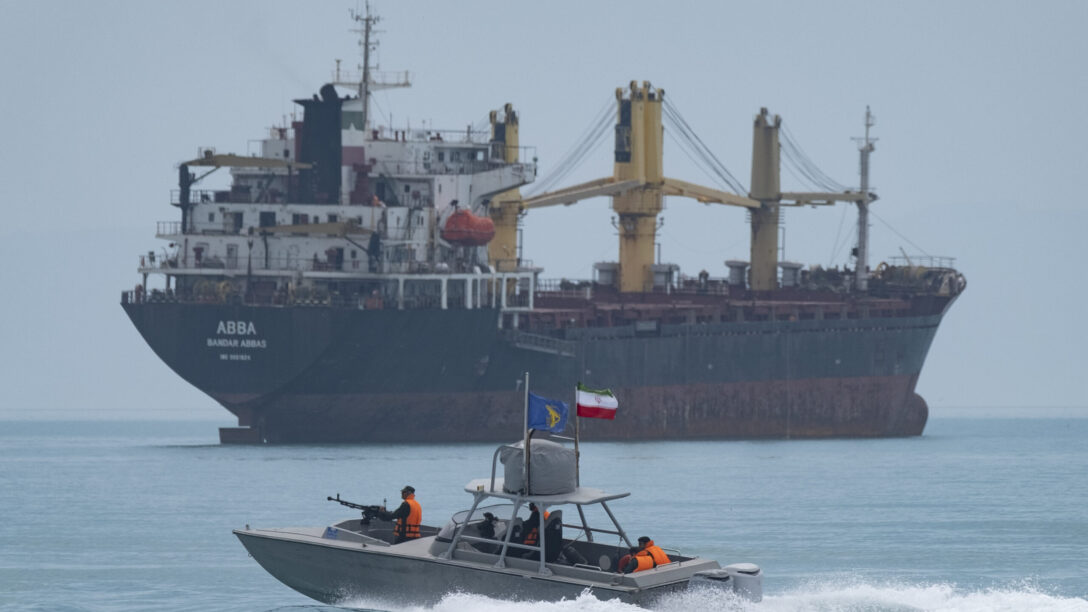
It’s not only gas prices that are spiking after Iran effectively closed the Strait of Hormuz, throttling one-fifth of the world’s oil supply. As it turns out, the 21-mile-wide channel is also a chokepoint for roughly a third of the world’s helium and about half of the global seaborne trade in sulfur—both essential components in semiconductor manufacturing. “The overarching story is that the world’s most important chip producers depend on energy and chemical supplies that move through some of the most geopolitically volatile waterways on Earth, and the Trump administration doesn’t seem to have a contingency plan for it,” said Sam Winter-Levy, a fellow at the Carnegie Endowment for International Peace.