{{ 'now' | timezone: 'America/New_York' | date: '%b %d, %Y' }} |
|
|
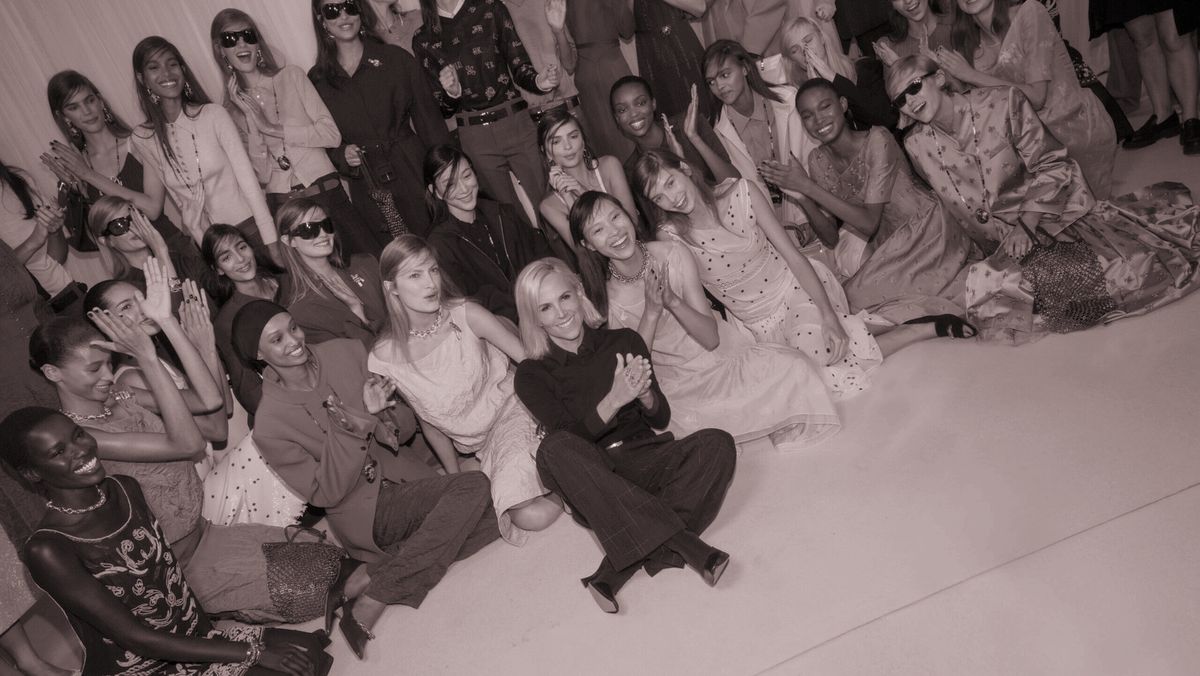
Lauren at NYFW, Mark Shapiro’s Rights Fight, Kirk’s College Legacy
|
Welcome back to The Daily Courant, your afternoon compendium of Puck’s best new reporting.
First up
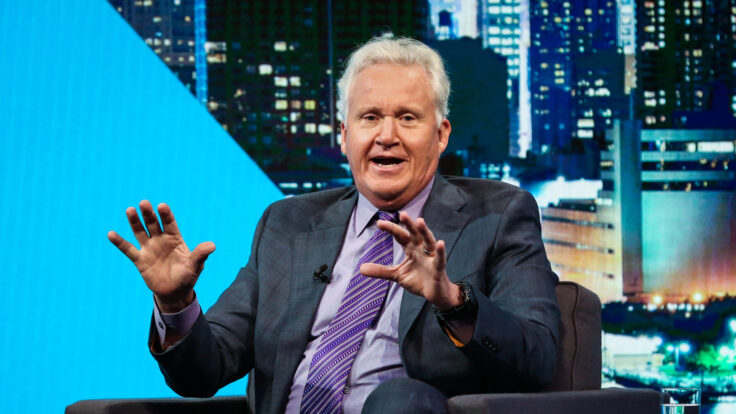
today, Eriq Gardner weighs the merits of a bizarre argument by former N.S.A. general counsel Stewart Baker, who proposed that the White House should declare a national emergency to feed Hollywood’s I.P. into an A.I. arms race with China. Of course, there are myriad legal roadblocks surrounding this fantasy, but how far might Trump go if his tech allies keep asking him to push the envelope?
Plus, below the fold: Lauren
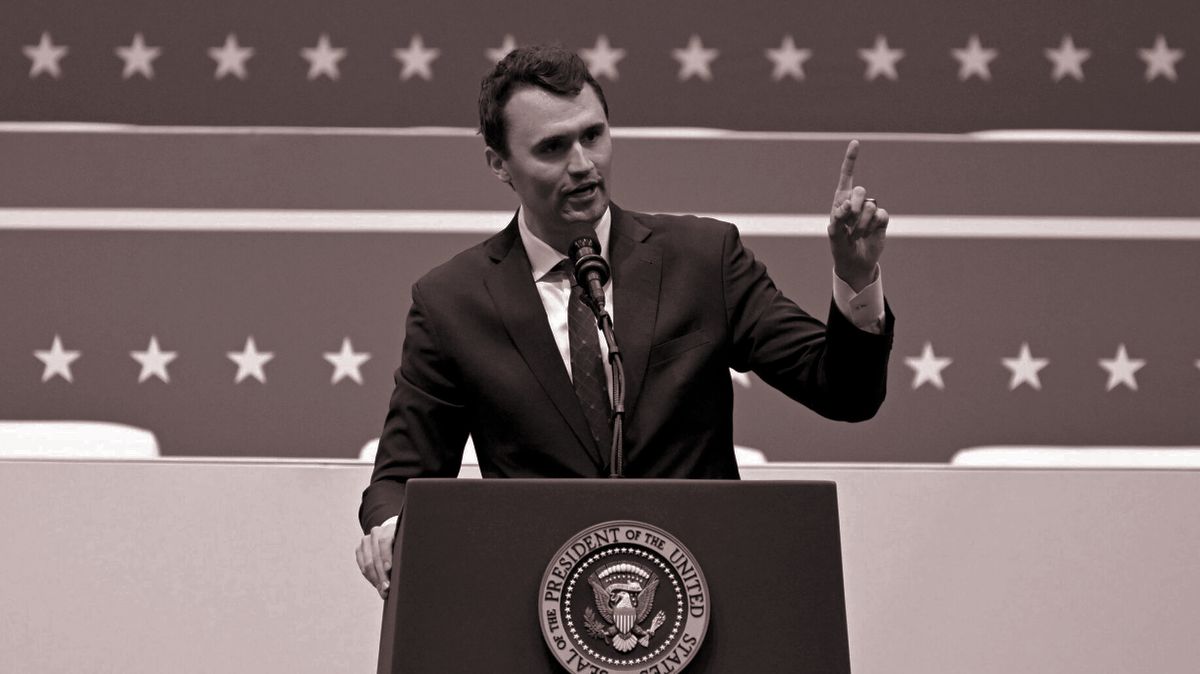
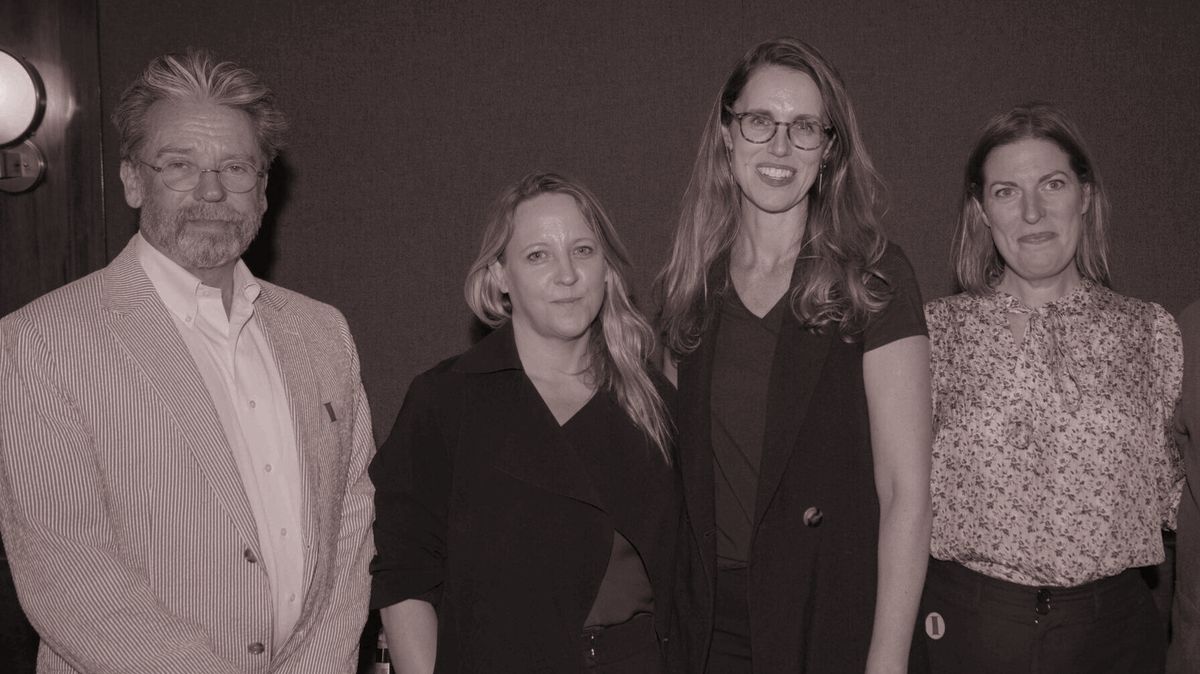
Sherman candidly assesses New York Fashion Week’s highs and lows. Peter Hamby digs into exclusive polling on Charlie Kirk’s legacy with college students. Ian Krietzberg chronicles the emergence of the first “self-building” A.I. Marion Maneker convenes four museum directors to discuss the evolving landscape of art institutions. And exclusively for Inner Circle members, Julia Alexander deduces the true
meaning of Adam Silver’s proclamation that the NBA has become a “highlights-based sport.”
Meanwhile, on the pods: John Ourand is joined on The Varsity by TKO president Mark Shapiro to discuss his blockbuster UFC and WWE deals. And on The Powers That Be, Peter and Dylan Byers game out what a potential WBD–Paramount Skydance mashup might look like. |
|
|

| Eriq Gardner
|
|
As the president expands his legal assault on the media, a former N.S.A. general counsel has argued that the White House should declare a
national emergency to seize Hollywood’s I.P. for an A.I. arms race with China. Is it a total fantasy or just a new normal in these strange times? |
|
|
A MESSAGE FROM OUR SPONSOR |
Philip Morris International Inc.'s U.S. businesses (collectively, "PMI U.S.") are on a mission to improve public health in America by
providing the ~30 million legal-age consumers who still smoke traditional cigarettes with better, smoke-free alternatives. PMI U.S. is committed to responsible marketing practices that help prevent access to its products by people under the age of 21. PMI U.S. businesses employ more than 2,900 people and operate product manufacturing facilities across America. Since 2022, PMI U.S. has contributed approximately $25 million to charitable causes, amplifying the good work of organizations already
active within communities through financial contributions and volunteering. |
|
|

| Lauren Sherman
|
|
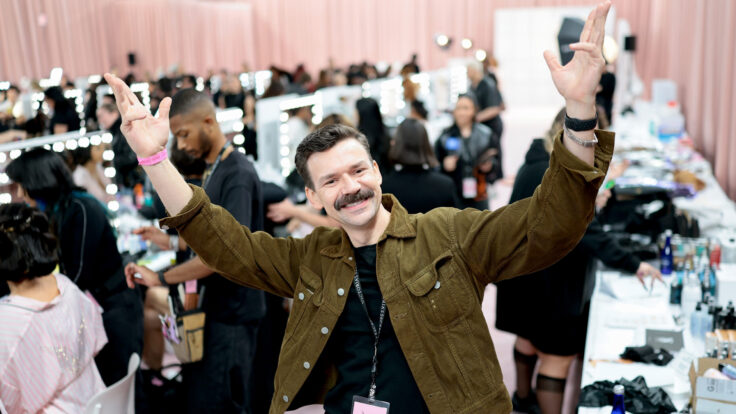
News and notes from 17 shows in New York, many of which were unmemorable, while plenty of others—Eckhaus, Calvin, Tory, etcetera—offered
clues to where the industry, and individual brands, are headed. |
|
|

| Peter Hamby
|
|
New data from Generation Lab undercuts Trump’s mythmaking about his murdered ally, who was unquestionably a savvy organizer, even if he
wasn’t at all popular on the campuses he loved to visit. |
|
|

| Ian Krietzberg
|
|
News and notes on Aloe, a buzzy new entrant in the A.I. race, which is seemingly capable of building, vetting, and using tools to more
reliably answer user queries. |
|
|

| Marion Maneker
|
|
A candid conversation with four museum directors of wildly varying kinds of institutions, about what it means to be stewards of art in an
especially uncertain environment. |
|
|
A MESSAGE FROM OUR SPONSOR |
Philip Morris International Inc.'s U.S. businesses (collectively, "PMI U.S.") are on a mission to improve public health in America by
providing the ~30 million legal-age consumers who still smoke traditional cigarettes with better, smoke-free alternatives. PMI U.S. is committed to responsible marketing practices that help prevent access to its products by people under the age of 21. PMI U.S. businesses employ more than 2,900 people and operate product manufacturing facilities across America. Since 2022, PMI U.S. has contributed approximately $25 million to charitable causes, amplifying the good work of organizations already
active within communities through financial contributions and volunteering. |
|
|

| Julia Alexander
|
|
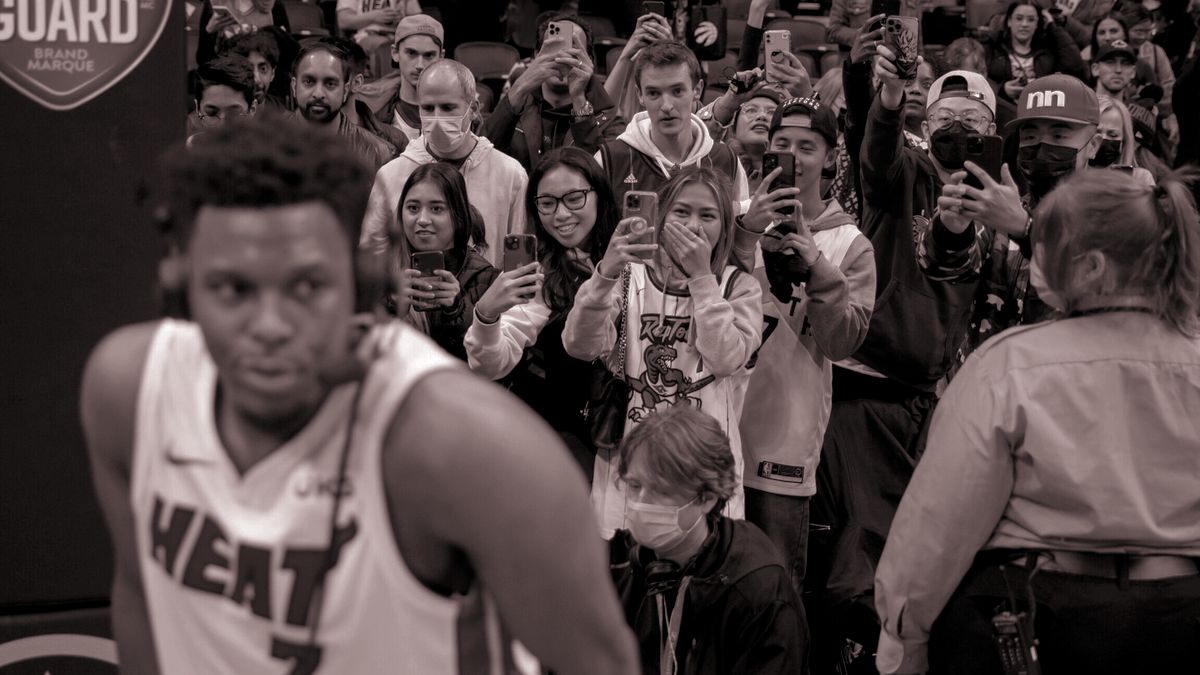
Adam Silver knows that young people are watching NBA content on free social platforms rather than TV—not ideal when the league is trying
to prove it’s actually worth the $77 billion that its partners just paid for games. So what’s he going to do about it? |
|
|

| John Ourand
|
|
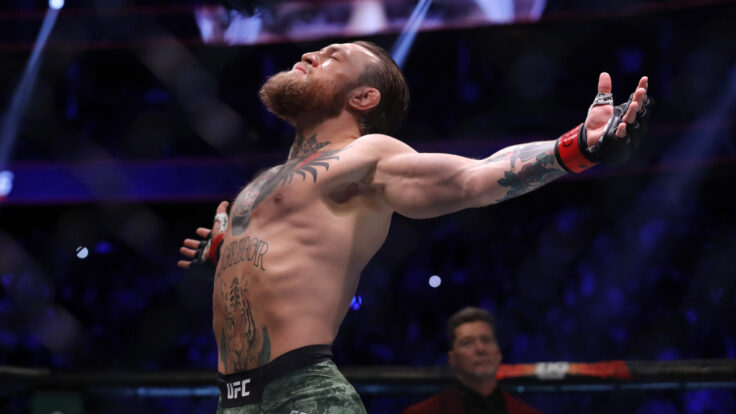
Mark Shapiro, president of WME Group and TKO, joins John for a candid conversation about his blockbuster UFC and WWE deals, and the
market’s broader convulsions. Shapiro also offers his thoughts on Netflix’s and YouTube’s live sports strategies, weighs in on boxing’s resurgence, and ranks where Netflix’s Crawford–Canelo spectacle—which packed 70,000 into Vegas’s Allegiant Stadium—belongs in the pantheon of championship bouts. |
|
|
|
| Peter Hamby
|

| Dylan Byers
|
|
Dylan Byers joins Peter to game out what a potential WBD–Paramount Skydance mashup might look like, as an emboldened David Ellison
reportedly readies a multibillion-dollar cash bid for WBD. They break down the implications for CNN and CBS News—and whether Ellison’s grand design could vault him into the rarefied air of tech giants like Netflix and YouTube |
|
|
Need help? Review our FAQ page or contact us for assistance. For brand partnerships, email ads@puck.news. You received this email because you signed up to receive emails from Puck, or as part of your Puck account associated with {{customer.email}}. To stop receiving this newsletter and/or manage all your email preferences, click here. |
Puck is published by Heat Media LLC. 107 Greenwich St, New York, NY 10006 |
|
|
|