Welcome back to Wall Power. I’m Marion Maneker.
Greetings from
the Great Plains. By the time you read this, I’ll be in Chicago—but only briefly. I’m making my way from Minneapolis to New York. While I’m dodging semis on I-94, you can read Glenn Adamson’s sharp piece on the designer Minjae Kim, who trained as an architect but has taken inspiration from his abstract painter mother and Buddhist priest father to design the furniture for Oberon, the restaurant opening this month at the New Museum.
Up top,
a rare bronze replica of a marble statue from antiquity, which inspired awe in Michelangelo, will be sold in its own single-lot sale in London early next month. Plus, after Glenn’s column, I have some thoughts on Marc Spiegler’s New York Times op-ed on Friday.
Also mentioned in this newsletter: Auguste-Jean Marie Carbonneaux, Shohei Shigematsu, Julia Sherman, Ali
Ghriskey, Giancarlo Valle, MyoungAe Lee, Sigmund Freud, Henri Matisse, Buster Keaton, Jackie Greenberg, Misha Kahn, Jessi Reaves, Katie Stout, Mario Bellini, and more.
Let’s get started… |
|
|
|
A MESSAGE FROM OUR SPONSOR |
A MASTERPIECE IN MOTION Unmistakable style. Undeniable attention to detail. Experience composition and craftsmanship at their finest in a Range Rover.
EXPLORE
|
|
|
|
Sotheby’s £2M Single-Lot Sale of Laocoön
|
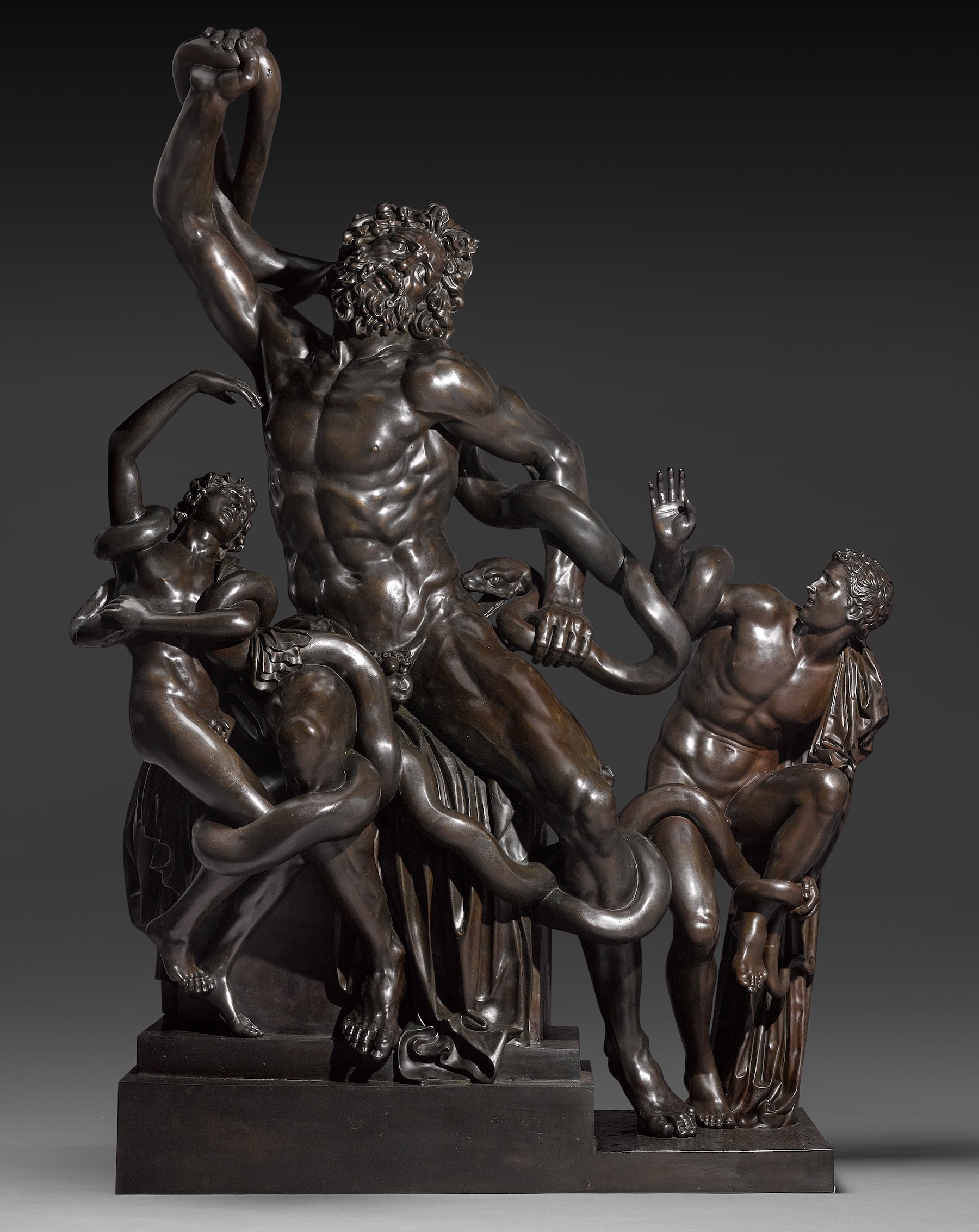
Auguste-Jean Marie Carbonneaux, Hamilton
Laocoön (1817), estimated £2 million–£3 million. Photo: Courtesy of Sotheby’s |
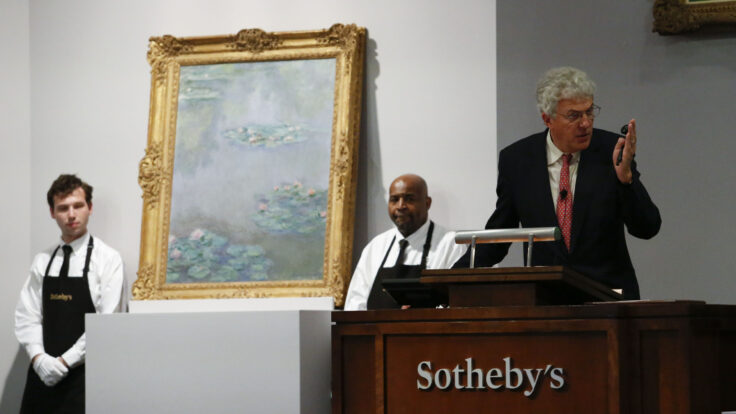
On July 1 in London, Sotheby’s will hold a single-lot sale of a £2 million bronze copy of a
classical statue that Pliny the Elder called “the most worthy of admiration” and was also an inspiration to Michelangelo. The original marble statue was inspired by the death of Laocoön—a character in Virgil’s Aeneid who tried to warn the Trojans of the Greek plot within the wooden horse—and was rediscovered during the Renaissance, when it entered the papal collection of Pope Julius II, Michelangelo’s patron. The work
was so revered it was once featured in a peace treaty, and demand for copies of the marble statue in bronze was great enough to cause four different replicas to be made over the course of 275 years.
The bronze on offer at Sotheby’s was made by Auguste-Jean Marie Carbonneaux in 1817. It passed through two of 19th-century Britain’s most notable collections, including the Duke of Hamilton’s, from which it gets its name: Hamilton Laocoön. With little
that can be considered comparable on the market, it will be interesting to see where the final price lands. The art market is a search for novel objects with connections to great moments in the past. This work seems to tick many of those boxes.
Now, let’s meet Minjae Kim… |
|
|
|
The Korean-born furniture designer transcends sticky definitional
debates about art and design to create some of the most memorable furniture you’ve ever seen. |
|
|
|
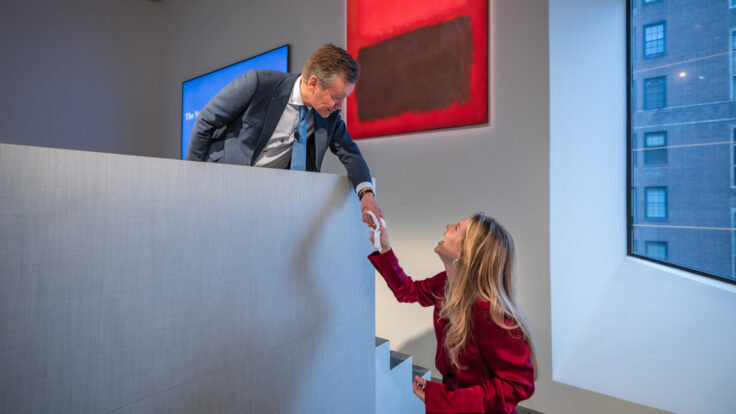
The New Museum’s extension, which opened in March, is quite literally a breath of fresh air. The
institution’s two-decade-old building, by the Japanese firm SANAA, was always beguiling from the street—it still looks like a stack of presents, ready to be opened. But until now it was fatally cramped inside, each floor besieged by its own circulation space. The new addition fits onto this existing structure like a giant prosthetic. The principal architect, OMA’s Shohei Shigematsu, has
compared it to the launchpad armature for an orbital rocket. In addition to a generously proportioned atrium and stairway, which provide access to each gallery floor, the building now has much-needed amenities including a larger gift shop and that must-have for any contemporary museum: a nice restaurant. It’s called Oberon, and its doors open this
month.
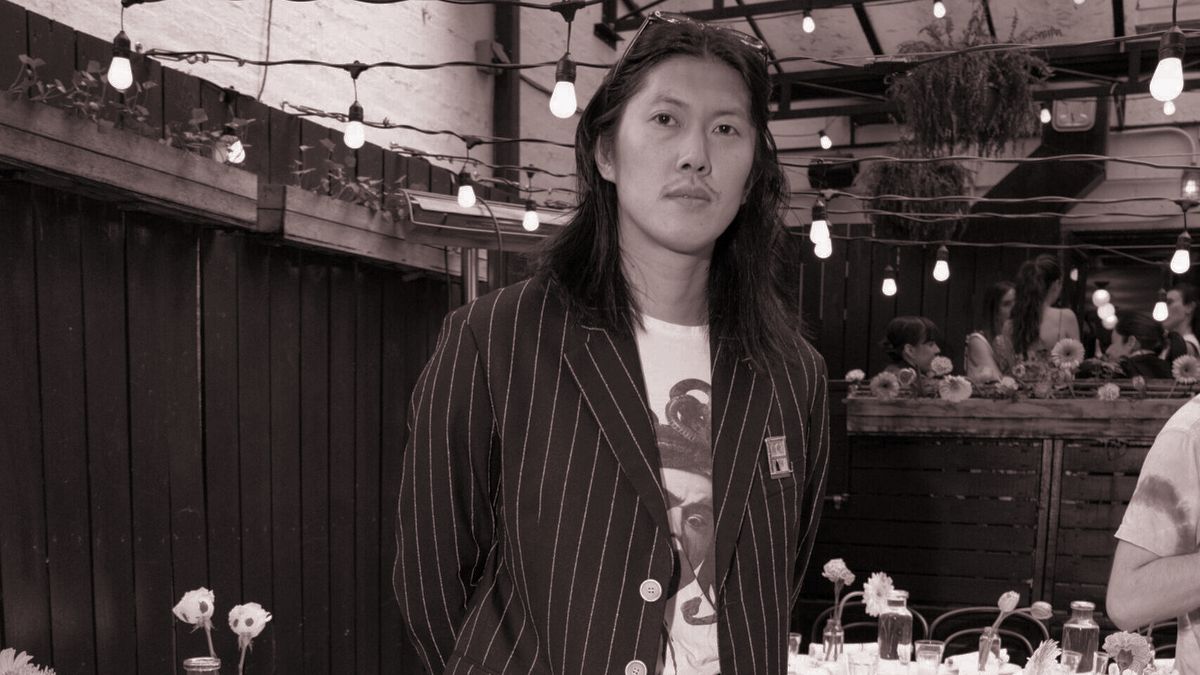
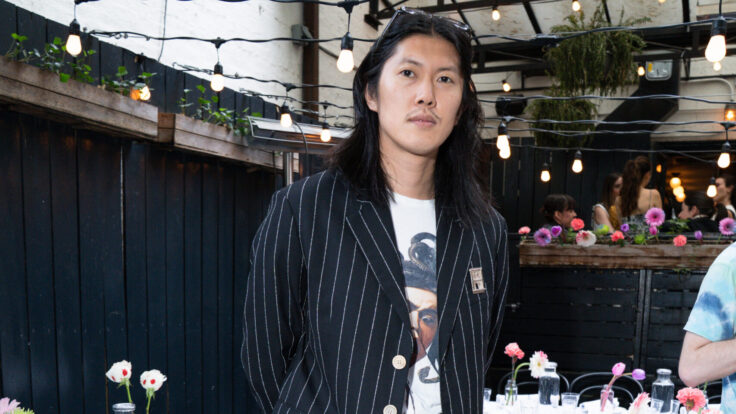
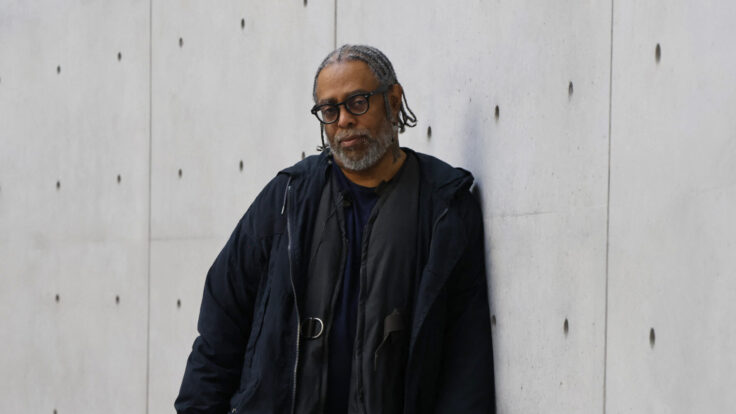
That’s where Minjae Kim comes in. Born in Seoul in 1989 and now working out of a studio in East Williamsburg, Kim is one of the most exciting furniture makers in the country. An experimentalist at heart, his creations are, like all the best contemporary art and design, a little bit strange and instantly memorable. Inside Oberon, Kim’s furniture lends a creative vibe in keeping with the venue: executive chef Julia Sherman, and her chef de cuisine,
Ali Ghriskey, are both artists trained at the Rhode Island School of Design. |
|
|
|
A MESSAGE FROM OUR SPONSOR |
A MASTERPIECE IN MOTION Unmistakable style. Undeniable attention to detail. Experience composition and craftsmanship at their finest in a Range Rover.
EXPLORE
|
|
|
|
First trained as an architect at Columbia University, Kim later worked in the interior design
office of Giancarlo Valle. This background gave him a keen understanding of Shigematsu’s overall scheme for Oberon. Kim’s furnishings perfectly complement the curvaceous space, which is lined with cork, an ecological choice that also dampens sound. For Oberon’s tables—some are square, while others float in the zone between square and round—he paired the material with natural and stained ash. Their peculiar shape is inspired by his mother, the abstract painter MyoungAe
Lee, who constructs exquisitely irregular works from canvas, plaster, cloth, and pigment. Lee still lives in South Korea, but that hasn’t stopped them from collaborating, including on a mother-and-son show at the New York City gallery Matter in 2022. He has attributed much of his sensibility to her: “I almost can’t avoid making work that doesn’t relate to
hers.”
Kim’s approach to the Oberon commission also reflects the influence of his father, a priest and practitioner of Won Buddhism—a reformist tradition originating in Korea that focuses on practical mindfulness. In general, Kim’s work reflects this worldview, with its quiet, understated integrity. Perhaps it’s fitting that he started his career during the Covid pandemic, in a state of enforced monkish solitude: With Giancarlo Valle projects on hold, he began making fiberglass works at
home, a material he could easily manipulate in the confines of his apartment. The time-killing side project soon achieved escape velocity: Kim left Valle’s office in 2021, concurrent with his breakout solo show at the Los Angeles gallery Marta, one of America’s most important incubators of art and design talent. Among other striking pieces, the show featured an uncanny figural armchair inspired by one owned by Sigmund Freud and a large desk honoring the paper cutouts of
Henri Matisse, as well as one of his mom’s paintings.
Last year, Kim returned to Marta with Phantom-22, an exhibition about the ghosts of Los Angeles—famously, “the city that plays itself.” The show’s title was an allusion to P-22, the elusive mountain lion that prowled Griffith Park and the Hollywood Hills between 2012 and 2022, and it featured furniture inspired by Buster Keaton’s wonderful two-reeler from 1920, One Week, in which the
silent comedian misassembles the parts of a prefabricated house into something straight out of a Cubist painting. The work in Kim’s show was diverse—seating forms, tables, room dividers, lighting, cabinets, sculpted pumas—but it all had the same contrapuntal, bricolaged aesthetic. |
Last month, I had the chance to share a stage with Kim, along with Salon 94’s
Jackie Greenberg, in a panel discussion at the New Art Dealers Alliance—which, like other art fairs, has started to include more design in its program. Unsurprisingly, we were asked to discuss the relationship between art and design, a topic that’s been beaten to death but always seems to resurface.
For his part, Kim was commendably clear: He doesn’t really care how you define his work as long as you find it compelling. This attitude is common among his generational
peers, who tend to regard classifications of all kinds as more or less irrelevant. Institutions have not necessarily adapted to this way of thinking. Salon 94 and Marta are among the few galleries that effectively traverse the realms of art and design, and most museums remain balkanized territory. Even so, you can see a consensus forming that these categories are edifices fading in the rearview mirror of history. At best, they’re only helpful for navigation.
And yet what distinguishes Kim
as a cross-disciplinary artist—as well as others in his cohort, like Misha Kahn, Jessi Reaves, and Katie Stout—is not just his generative imagination but also his impressive formal control and conceptual rigor. I once heard the Italian architect Mario Bellini say that designing a chair is harder than designing a whole building. His proof? It’s easy to name an architect who has designed many great buildings, but hard to name
anyone who’s made more than a single great chair. Kim has at least one to his name already—more precisely, a whole family of related seating forms, “all developed from a ‘blank chair,’ which could be ordered in multiples and individually carved to different results,” as he told me. They share the same heavy, square legs, deeply carved seats, and slight, bipartite backs that reach upward toward the ceiling—a gesture occasionally emphasized with rabbit-ear curves or fists held aloft, as if in
triumph. The chairs might be a little crazy, but they certainly work. |
|
|
|
The same can be said for all of Kim’s furniture. You never know what he’s going to make next—as
with other rare talents, his creative vocabulary expands as he goes along, rather than getting stuck inside it—but when it’s finished, it all makes perfect sense. Surface magazine once asked him to describe “the problem that his work solves,” a question you’d only ask a designer, not an artist. His response was fascinating, if a little puzzling: “Sometimes my work allows one to place a piece of furniture where they don’t really want a piece of furniture there.” My guess is that he
wasn’t being literal when he said this; he wasn’t thinking only about activating a particular part of a room. As always, he was thinking poetically. Where can furniture go that it hasn’t been before and where it might never be expected? Kim is one of the artists who can tell us. |
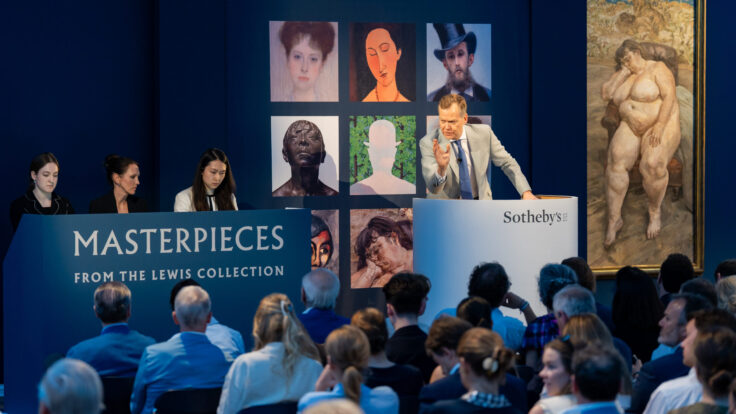
I’m still trying to figure out what was going on in Marc Spiegler’s New York
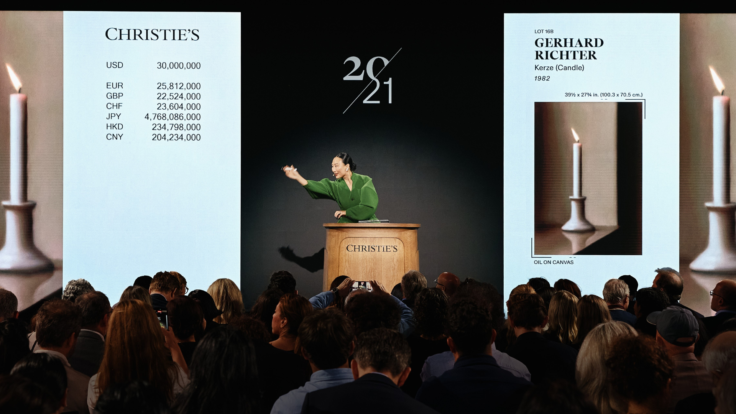
Times op-ed on Friday. In the column, he wrote that galleries feel the art world has “fallen off its axis,” and their former sense of “noblesse oblige” in “a cozier, somewhat esoteric place” governed by “gentlemen’s agreements” has been replaced by an art world that “became part of pop culture, with flashy museums opening in cities around the world”
and art fairs that “became cultural events themselves, attracting celebrities and lots of media attention.”
But according to Spiegler, the costs of participating in the supersized art world are too great for galleries. And also that there are new collectors who aren’t in it to support artists but are instead “driven more by a desire for social cachet or to engage in financial speculation.” Naturally, to protect their artists, galleries have to treat new collectors with suspicion, even
hostility, “driving them into the welcoming embrace of auction houses.”
His solution: “Most urgently, galleries need to push for legally enforceable resale agreements that can block flipping and let them be less fearful of unknown potential clients. And galleries need to stop promoting art as an investment.” After that, galleries need to act local and develop markets closer to home. The race to internationalize the art market, in Spiegler’s view, left many young galleries unstable at
home. He said he warned them of this trap when he ran Art Basel.
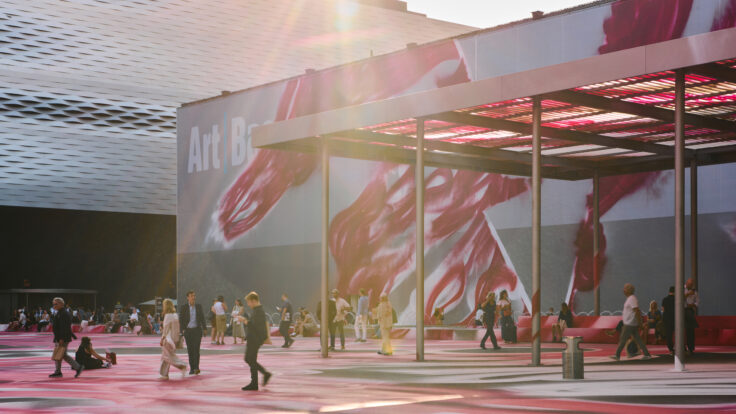
On the face of it, none of this advice is terrible (except the fixation on resale agreements, which are not enforceable because of property law that will not change.) The growth of Art Basel has led to the art fair’s own regionalization. I suppose there’s logic to telling galleries that they should be well resourced in their home market and see art fairs as access to specific regions other than their own. Though I’m
not sure why this advice needed to be in The New York Times.
But Spiegler lost me long before he got there. I’m not sure I recognize the art world he describes, in particular the “noblesse oblige” and “gentlemen” stuff, or the idea that the art world is an eternal battle between art galleries and auction houses. This seems to be a fixation of Spiegler’s going back 20 years. I don’t think it was true then, but it was a useful mindset for an art fair director trying to
convince galleries that you had their best interests at heart. I’m not sure what purpose it serves now.
Yes, galleries have to make a choice between selling indiscriminately to anyone who walks in the door or placing their artists’ work with collectors who might advance the artist’s career. There’s nothing new in that. They also have a tendency to overplay that hand by demanding new collectors buy the gallery’s slow moving inventory as a demonstration of loyalty.
Is the art world
driven by financial speculation? Not really. There have been moments where one sector of the art market accelerates, creating the brief perception that everyone is making money but you. Those moments are self-correcting—and we’re a good three years past the last one, with few potential buyers thinking they’ll make a quick buck in art. |
Thanks, Glenn, for your profile of Minjae Kim. I’m looking forward to going to Oberon sometime this
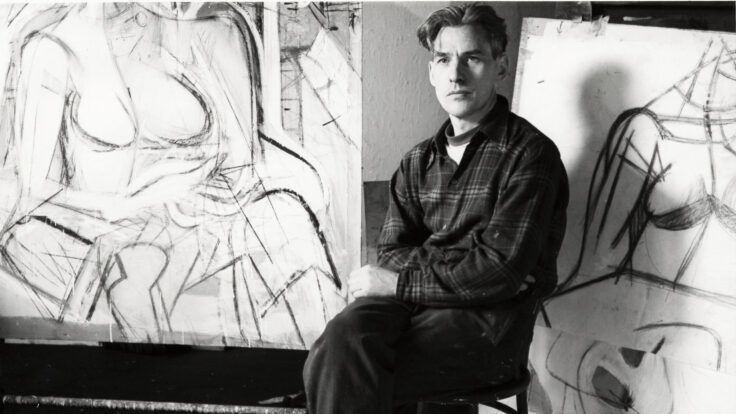
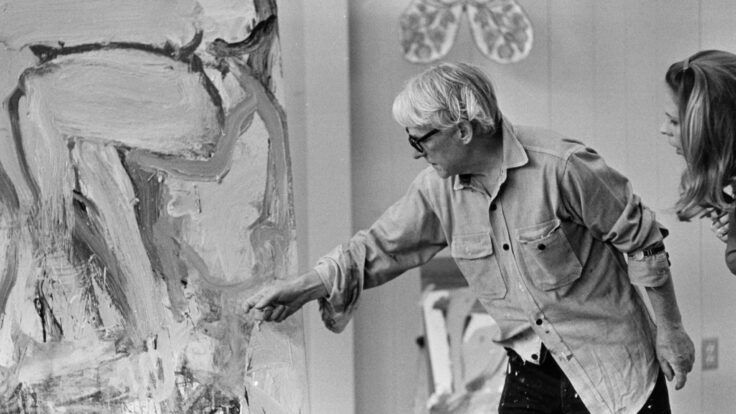
summer. In the meantime, I’ll be heading to the Art Institute of Chicago tomorrow morning to see the de Kooning show there. Then we make the drive to Cleveland. I’ll have more to report on Tuesday.
Looking forward to getting back to Gotham,
M |
|
|
|
Puck founding partner Matt Belloni takes you inside the business of Hollywood, using exclusive reporting and insight
to explain the backstories on everything from Marvel movies to the streaming wars. |
|
|
|
The ultimate fashion industry bible, offering incisive reportage on all aspects of the business and its biggest
players. Anchored by preeminent fashion journalist Lauren Sherman, Line Sheet also features Rachel Strugatz, who delivers unparalleled intel on what’s happening in the beauty industry, as well as Malique Morris on retail, D.T.C., and more. |
|
|
|
Need help? Review our FAQ page or contact us for assistance. For brand partnerships, email ads@puck.news. You received this email
because you signed up to receive emails from Puck, or as part of your Puck account associated with {{customer.email}}. To stop receiving this newsletter and/or manage all your email preferences, click here. |
Puck is published by Heat Media LLC. 107 Greenwich St., New York, NY 10006 |
|
|
|
|