Hollywood’s Comedy Problem, Trump vs. Powell, Nikeology 201
|
|
Happy Friday and welcome back to The Daily Courant, your pocket guide to Puck’s best new reporting.
Today, we lead with Julia Alexander’s incisive analysis of Netflix’s precedent-setting Q1 earnings, in which, for the first time ever, the streaming giant decided not to report subscriber numbers. It’s the latest sign that, after winning the streaming wars, Netflix’s real competition is YouTube and Meta, not Hollywood.
Plus, below the fold: John Ourand pores over Netflix’s earnings to divine the streamer’s sports rights ambitions. John Heilemann chats with Wall Street insider Steve Rattner about the impact of Trump’s tariff jihad on global financial markets. And exclusively for Inner Circle members, Lauren Sherman and retail analyst Simeon Siegel assess whether Nike can win back mindshare in our disintegrating monoculture.
Meanwhile, on the pods: Matt Belloni is joined by producer David Stassen on The Town to chart how TV comedy has evolved in the streaming era. On The Grill Room, Dylan Byers and Julia discuss whether Apple should pick up F1’s U.S. media rights and if Meta can survive its antitrust trial. On Fashion People, Lauren and The Ringer’s Amanda Dobbins scrutinize Sofia Coppola’s storied relationship with fashion. On Impolitic, Heilemann rings up Maya Wiley to make sense of the head-spinning Kilmar Abrego Garcia saga. And on The Powers That Be, Peter Hamby and Bill Cohan preview Trump’s spat with Fed chair Jerome Powell.
|
|
|
 |
Julia Alexander |
|
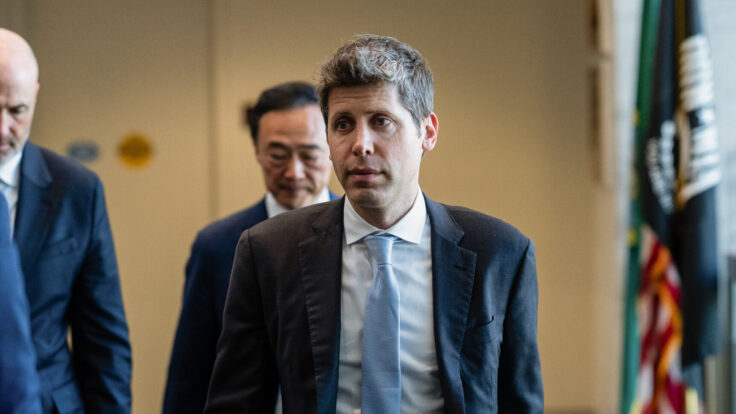
Netflix pioneered the premium streaming video industry and, in doing so, defined success in the space with one key metric: subscriber growth. Now, the company is attempting to redefine success. Yesterday’s quarterly results marked the first time that Netflix didn’t disclose subscriber numbers at all. Instead, co-C.E.O.s Greg Peters and Ted Sarandos are trying to convince the market to focus on what really matters: money. But as Julia notes, this subscriber-reporting pivot is a harbinger of a far more significant transition. While streaming’s first era was defined by a race to scale, its second will be dictated by the battle for engagement and attention. With a commanding lead over the other so-called “streaming giants,” Netflix is now setting its sights on competing for viewing time with Meta and YouTube.
Read Now
|
|
|
 |
John Ourand |
|
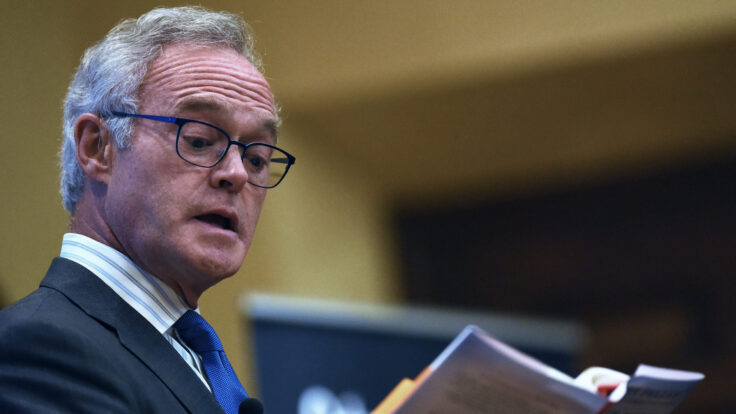
Sports leagues have salivated for years over the possibility that Netflix will become a steady and recurring party at the negotiating table. And, after swearing off sports for years, Netflix has slowly started to come around. It’s hard to figure out, however, whether Netflix is still in exploration mode, or something a little more significant. Co-C.E.O. Ted Sarandos did say that he wants to keep building the amount of live content, including sports, that Netflix offers, adding that most of its live programming is carried in the U.S., “but we intend to grow the capability to do it around the world in the years
ahead.” All of which suggests that Netflix is certain to get more involved in picking up sports rights, but on its own terms.
Read Now
|
|
|
 |
John Heilemann |
|
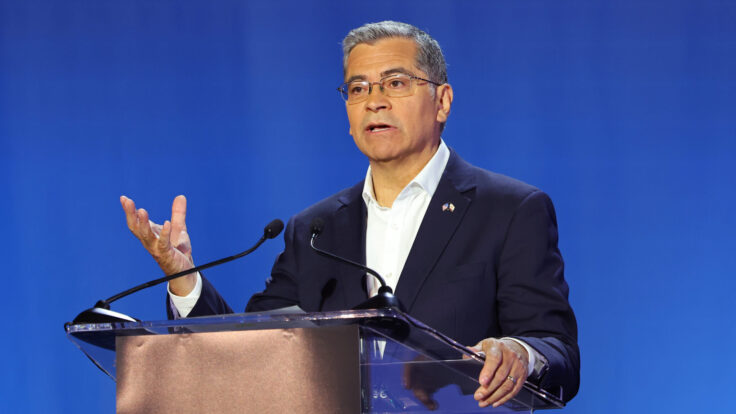
Thanks to Donald Trump and his ChatGPT-enabled tariff jihad, last week was one of the most tumultuous, tempestuous periods for stocks and bonds and currencies that we’ve ever seen. What happened across those five days—and what happens next—is a story that sits at the intersection of Wall Street and Washington, of financial mechanics and political mojo, of conventional plutocratic maneuvering and MAGA-fueled disregard for history, precedent, and institutional coherence. Herewith, John connects with longtime Wall Street eminence Steve Rattner to discuss the global economic impact of Trump’s trade war, attempt to make sense of his protectionist agenda, and debate the notion that there’s any master plan lurking behind the chaos.
Read Now
|
|
|
 |
Lauren Sherman |
|
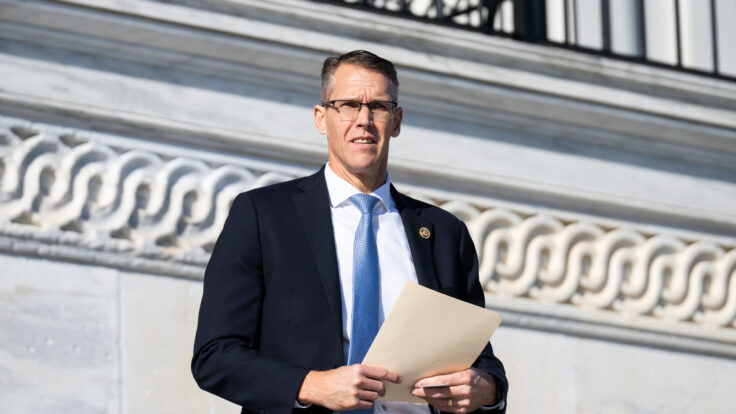
Much of Nike’s success over the last 50 years has been due to the company’s ability to make the right stuff for golfers, basketball players, runners, and people who shop at both DSW and Dover Street Market, alike. But Nike—still one of the most significant brands in the world—is now navigating an active business crisis, with broken-down retail relationships, employee morale issues, and on top of all that, a burgeoning tariff war. As the still-new C.E.O. Elliott Hill works on getting his company back on track, Lauren sat down with Simeon Siegel, a retail analyst at BMO Capital Markets, to get a temperature check on one of the last remaining fixtures of our disintegrating monoculture.
Read Now
|
|
|
 |
Matthew Belloni |
|
Matt is joined by David Stassen, co-creator of Netflix’s Running Point, to talk about the many ways that TV comedy has changed in the streaming era. Dave uses his experience as a working writer and producer for over 15 years to shed some light on what’s changed the most in the TV business, including why seasons of television are so much shorter now, how a shorter season affects the writing and pitching process, what streamers are looking for in the comedy space, and how the definition of success has changed. Matt finishes the show with an opening weekend box office prediction for the new Ryan Coogler film, Sinners.
Listen Now
|
|
|
 |
Dylan Byers |
|
Julia Alexander reunites with Dylan for a deep dive into the media industry’s most compelling flashpoints: Formula One’s fantasy of a $180 million U.S. rights deal, the growing anxiety around non-football sports rights, Mark Zuckerberg’s F.T.C. showdown, and more. As Julia explains, with audience engagement plateauing, streaming giants are under pressure to reinvent the playbook—because when engagement lags, monetization follows.
Listen Now
|
|
|
|
Lauren Sherman |
|
The Ringer’s Amanda Dobbins joins Lauren on the pod to discuss one of their shared interests: Sofia Coppola. Together, the duo interrogate Coppola’s relationship with fashion, on- and off-screen: her incredible influence on modern aesthetics, her impact on the industry, and why she’s personally important to them. (As true professionals, they also tried their best not to be too sycophantic. They may or may not have failed.)
Listen Now
|
|
|
|
John Heilemann |
|
John is joined by Maya Wiley, president and CEO of the Leadership Conference on Civil and Human Rights, to discuss the case of Kilmar Abrego Garcia and its implications for the rule of law in America. Wiley argues that the case—and Donald Trump’s open defiance of the Supreme Court’s unanimous order that the administration facilitate Garcia’s repatriation from a notorious prison in El Salvador—is about more than one man’s fate, immigration or foreign policy, the Trump administration’s deportation agenda, or even the constitutional principle of due process. It’s about Trump’s yen for unchecked power, and how, if he gets it, the next Kilmar Abrego Garcia could be you.
Listen Now
|
|
|
 |
Peter Hamby |
 |
William D. Cohan |
|
Bill Cohan and Peter dig into Donald Trump’s latest spat—this time with Fed chair Jerome Powell. As Trump pushes for rate cuts amid shaky, self-inflicted economic headwinds, Powell is vowing independence. Now, Trump’s hinting at ousting him before his term ends. Then, the duo turns to Newsmax’s I.P.O. circus, as Bill breaks down how valuable the MAGA-adjacent media company actually is.
Listen Now
|
|
|
Need help? Review our FAQ page or contact us for assistance. For brand partnerships, email ads@puck.news.
You received this email because you signed up to receive emails from Puck, or as part of your Puck account associated with . To stop receiving this newsletter and/or manage all your email preferences, click here.
|
|
Puck is published by Heat Media LLC. 107 Greenwich St, New York, NY 10006
|
|
|
|