{{ 'now' | timezone: 'America/New_York' | date: '%b %d, %Y' }} |
|
|
|
Greetings from Los Angeles, and welcome back to In the Room. We’ll get to Comcast in a
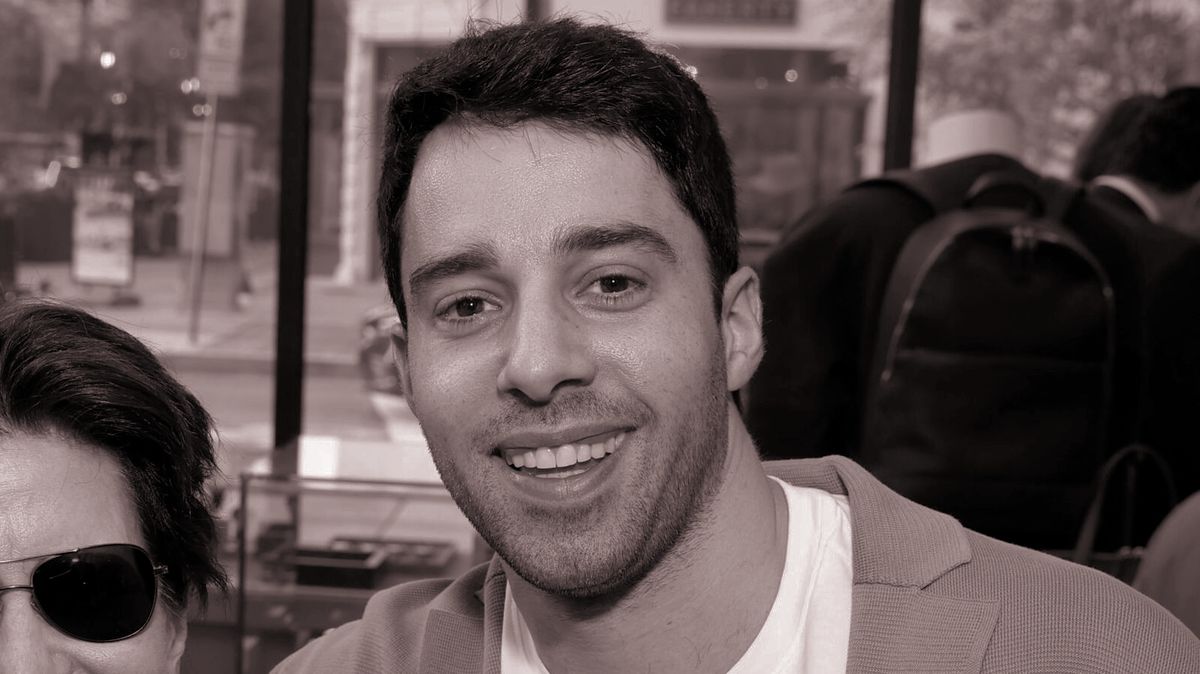
minute, but the real news out here is that Bob Iger and Josh Kushner are exploring a bid for the NBA expansion team in Las Vegas. “The bid would be for a majority investment in the team,” per Bloomberg. Recall that the last time Bob left Disney, he almost bought the
Phoenix Suns.
In tonight’s email, news and notes on the surprise Comcast–NBCUniversal split—another tectonic shift in the industry’s long and protracted dismantling, and the end of an era for Brian Roberts’s vertically integrated pipes and programming business. Brian says this is “absolutely not” a precursor to M&A, but of course it is. So, who’s on his Sun Valley dance card?
🎙️ Plus, on tomorrow’s episode of The Grill Room, Campbell
Brown, the former Meta executive and veteran NBC News and CNN anchor, stops by to explain her latest venture, Forum A.I., which aims to evaluate the nation’s leading L.L.M.s for bias and accuracy. We’ll also discuss how both the business and practice of journalism are changing in the age of A.I. Follow The Grill Room on Apple,
Spotify, or wherever you prefer to listen.
Also mentioned in this issue: Bari Weiss, David Ellison, Mark Thompson, Amy Entelis, Scott Pelley, Kara Swisher,
Michael Angelakis, Elon Musk, Mike Cavanagh, Shari Redstone, Ted Sarandos, and many more. |
-
Bari, fit to print: The New York Times’s story about CNN staffers’ Bari Weiss angst ran over the weekend and, as anticipated, affirmed much of what I’ve
reported over recent months. David Ellison wants to pair Bari with a seasoned TV executive, it’s almost certainly not going to be Mark Thompson, and a lot of folks inside Hudson Yards are panicking (go figure). I did enjoy this detail, though: “As the merger approaches, the 18th-floor Manhattan office of Amy Entelis, the CNN executive in charge of on-air talent, has turned into something of a psychiatrist’s couch for anchors and
correspondents, who often drop in to air their anxieties about the looming changes.”
Of course Amy is absorbing a lot of anxiety right now! Hell, I’ve become a scream pillow for many CNN folks, and I don’t even work there. But in fairness, I also talk to quite a few people at CNN who think the Bari angst is overblown, and who remain cautiously optimistic about her arrival despite all the recent chaos at CBS News. These are journalists who pay close attention to the competition at
CBS and rightly note that most of the journalism there isn’t nearly so compromised as Scott Pelley & Co. might have you believe. We didn’t hear any of those voices in the Times piece. But we did hear from Kara Swisher! - Speaking of Kara…: She’s leveraging a new AP profile to pivot to political coverage as 2028 approaches. While I admire the attempt to play the political influencer—and to play for those ad dollars—ahead of an election cycle, I’m not entirely sure it will work. As Kara herself told the AP, “You can’t manufacture this stuff. … The kids like what the kids like.”
- Josh’s first 100 days…: New Disney chief Josh D’Amaro seems to be handling his own public
image pretty well. He spoke to the Journal about his first 100 days. “I think if you talk to anyone inside of this organization about what I’m trying to do culturally, it’s speed and
risk-taking,” he said. Obviously, this executive transition has been handled far more elegantly than the last one.
|
|
|
|
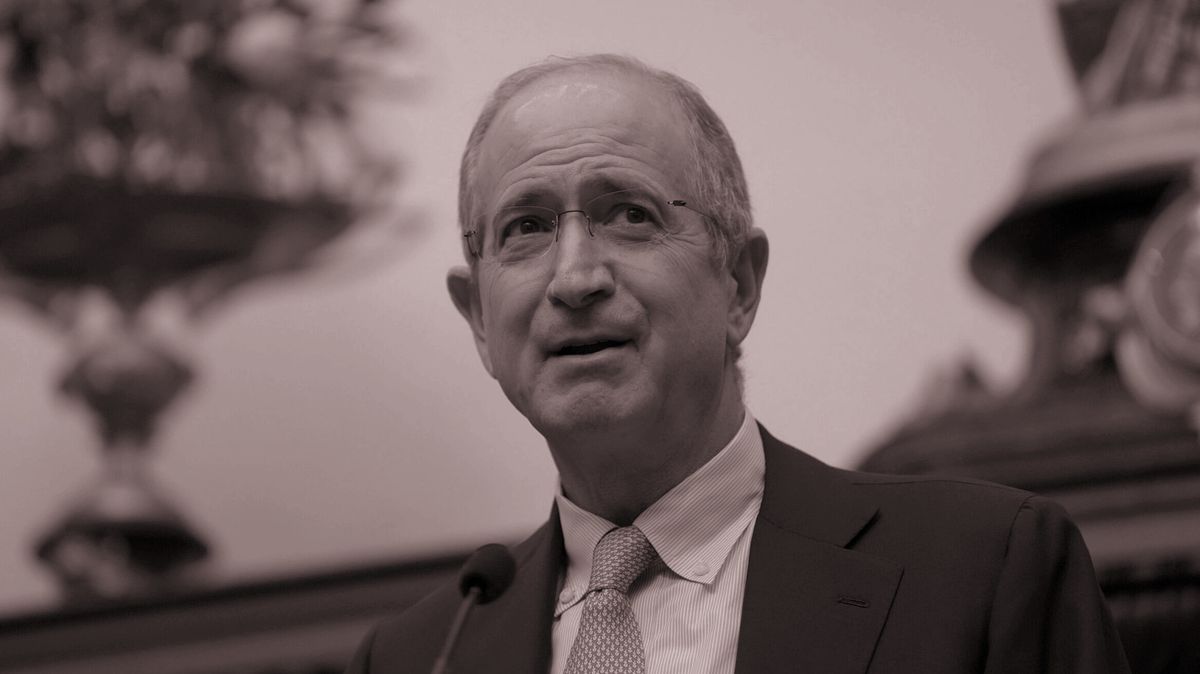
Brian Roberts’s plan to spin off NBCUniversal opens up an array of tantalizing
strategic possibilities for a number of competitive suitors—from Netflix to Amazon and beyond. And while the theme park business is solid, who can really make the most of the linear assets that Roberts is casting off? |
|
|
|
On Monday, shortly after Brian Roberts announced his intention to split Comcast
and NBCUniversal into their own pure-play companies—the latest tectonic shift in the industry’s long and protracted dismantling—he stressed to investors that this was “absolutely not” a prelude to future mergers and acquisitions. Needless to say, dear reader, absolutely no one believes that.
After all, the split—which sent Comcast’s long-impotent stock soaring as much as 20 percent in premarket trading—is not merely an admission that Brian’s 15-year-long pipes-plus-programming
convergence strategy has run its course. It’s also a recognition that both sides of his business are vulnerable and need optionality for consolidation in their respective industries—i.e., to execute on an M&A path while suggesting they might do otherwise. Either way, this creates a host of new strategic possibilities for both Comcast and NBCUniversal, all of which will make for great conversation fodder at next week’s Allen & Co. conference in Sun Valley. (See you at
Konditorei!)
On the cable-broadband side, new Comcast chief Michael Angelakis could explore an acquisition of Charter, which saw its own stock jump 14 percent on the news. That potential combination would unlock the synergies of the nation’s two largest cable providers at a time when they need scale to fend off mounting pressure from wireless and satellite operators, including Elon Musk’s Starlink. Charter, which is currently in the process
of acquiring Cox Communications, is already on the consolidation track; a deal as large as Comcast-Charter would need to jump through a number of federal and state regulatory hurdles.
Meanwhile, NBCUniversal will become an obvious acquisition target. In anticipation of that role, NBCU’s new C.E.O., Mike Cavanagh, may position it as a buyer of smaller assets like Lionsgate or Starz as a means of bulking it up for its own eventual sale—much as Shari
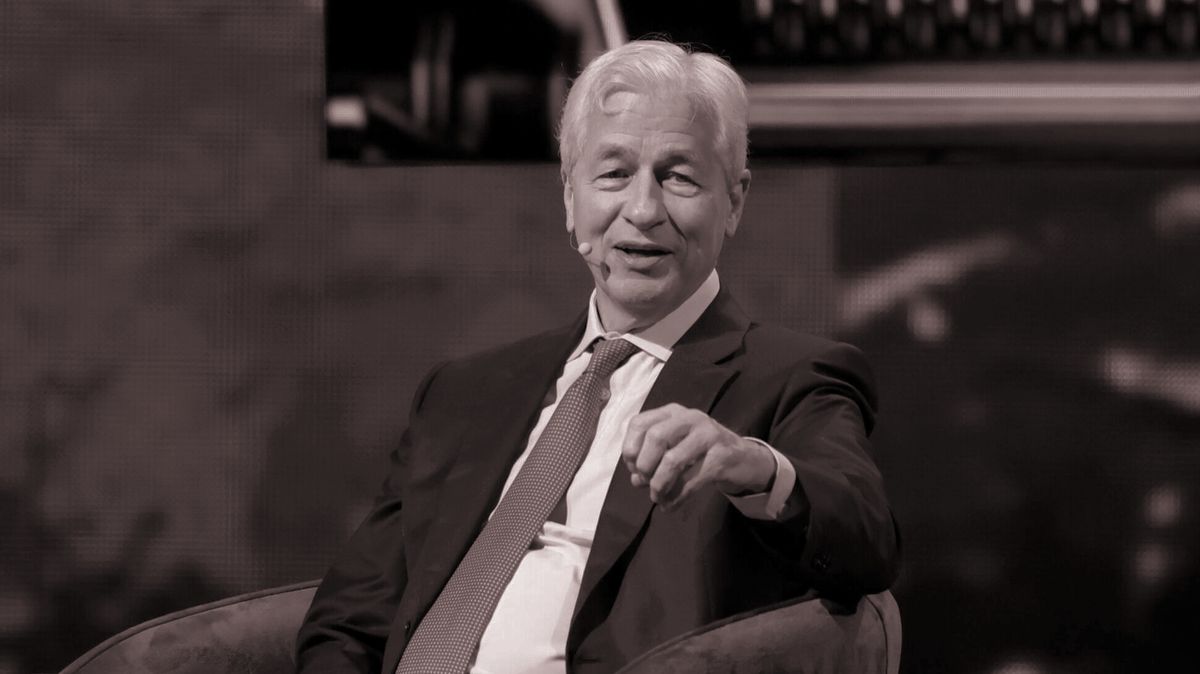
Redstone spent years doing as a buyer at Paramount before becoming a seller. Obviously, that didn’t work as well, but Cavanagh is a remarkable operator. He spent years at JPMorgan Chase, where he was the co-head of investment banking and a one-time potential Dimon successor, before joining Carlyle and eventually landing at Comcast. Shari’s chief corporate achievement up to then was wresting control of Paramount away from her father’s girlfriends. Anyway, don’t let Brian
or Mike’s insistence on that point obscure the broader trajectory. |
So, who might buy NBCUniversal? Ted Sarandos just made a play for Warner Bros.
Discovery and lost out to the Ellisons. Presumably, Netflix will take a look at NBC’s streaming and studio assets, which would give them another avenue to formidable I.P., a content library, top-tier NFL and NBA rights, and a theme parks business—all for a much nicer price. (One can’t help but wonder if the Ellisons would have preferred that deal.) Amazon and Apple will presumably take a look, too, though they also don’t want linear assets. In the most likely
scenario, NBCUniversal would spin those off and pass them to private equity, which could break them up and sell the pieces in a multiple arbitrage situation.
This is all a ways away, of course—it will take Brian a year to unwind these companies—and it’s hard to know what the downstream effects would be for the likes of NBC Sports or NBC News until we actually know the buyer. That said, the longer NBC remains independent, the more vulnerable those assets become. Indeed, those
aforementioned NFL and NBA rights require the balance sheet, distribution platform, and promotional ecosystem of a much larger company to justify their escalating cost. Without Comcast, those economics become harder to defend—all of which makes Netflix not only a rational potential acquirer, but perhaps the preferred exit option, too.
In any event, the split, while seismic in significance, feels long overdue. The synergies that once existed between broadband infrastructure and
entertainment no longer exist, which left Brian with two fundamentally different businesses in need of separate strategies—and, eventually, different dance partners. Recall how, five months ago, Cavanagh himself suggested that there wasn’t a strategic advantage to separating these two businesses, and that NBC “doesn’t get stronger by being smaller or as a stand-alone entity.” Presumably, he still feels the same way. |
|
|
|
A professional-grade rundown on the business of sports from John Ourand, the industry’s preeminent journalist,
covering the leagues, players, agencies, media deals, and the egos fueling it all. Plus, the latest intel from Eriq Gardner on the sports legal beat. |
|
|
|
Join Puck’s chief political columnist, John Heilemann, as he roams the corridors of power and influence in America on
this twice-weekly interview show, taking you beyond the headlines with the people who shape our culture: icons and up-and-comers, incumbents and insurgents, moguls and machers in the overlapping worlds of politics, entertainment, tech, business, sports, media, and beyond. The conversations are rich and revealing, unrehearsed and unexpected… and reliably impolitic. A Puck-Audacy joint, new episodes drop every Wednesday and Friday. |
|
|
|
Need help? Review our FAQ page or contact us for assistance. For brand partnerships, email ads@puck.news. You received this email because you
signed up to receive emails from Puck, or as part of your Puck account associated with {{customer.email}}. To stop receiving this newsletter and/or manage all your email preferences, click here. |
Puck is published by Heat Media LLC. 107 Greenwich St., New York, NY 10006 |
|
|
|
|