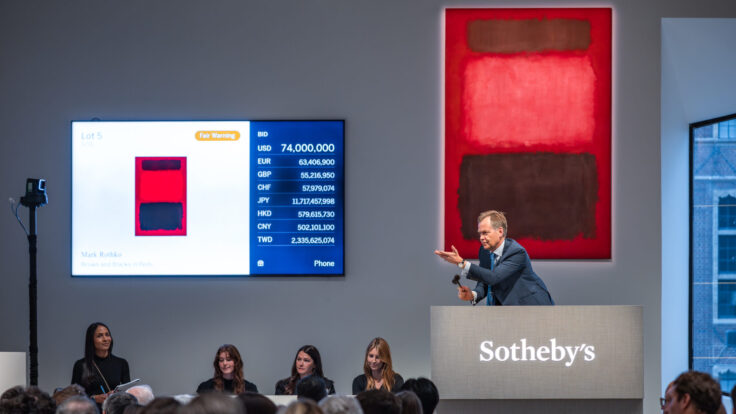
Welcome back to Wall Power. I’m Marion Maneker. Thanks to Alex
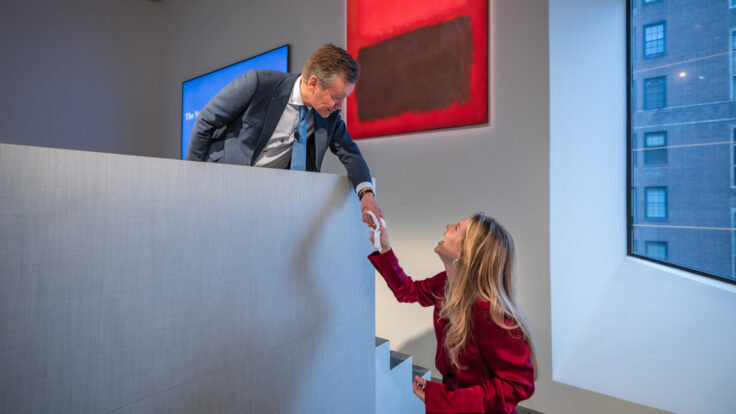
Bolen and all of the folks at Oscar de la Renta for co-hosting our very stylish and entertaining Super Bowl party on Sunday night. I thought I would sneak out during Bad Bunny’s halftime show when no one was looking, but I ended up having such a good time that I went the distance.
In tonight’s issue: The Frick is opening a new show
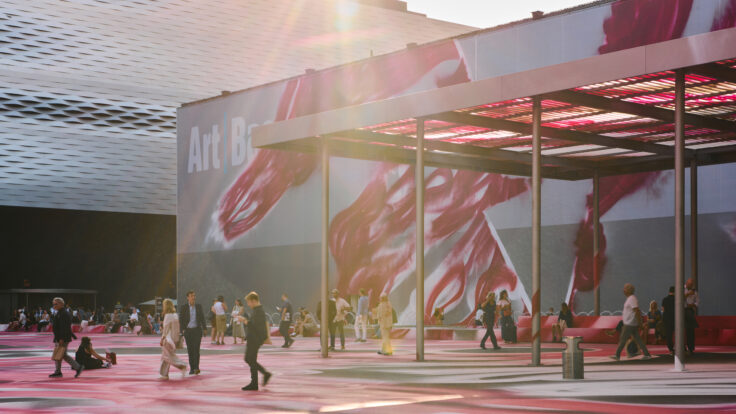
about fashion, power, and portraiture on Thursday, and I went to the preview this morning so I can tell you all about it. I also have some details on the Antonello da Messina painting that was preempted at Sotheby’s last week and is now going to a museum in Italy. Meanwhile, more sales reports are trickling in from Art Basel Qatar as the registrars start shipping art to new owners. Plus, I’m getting wind of a potential art scam, but I need your help to find out if anyone has
been duped.
Mentioned in this issue: Fabrizio Moretti, Álvaro Saieh Bendeck, Ali Cherri, Issy Wood, Terry Adkins, Andrew Russeth, Thomas Gainsborough, Gainsborough Dupont, Henry Huntington, Peter Darnell Muilman, Charles Crokatt, William Keable, Ignatius Sancho,
Grace Dalrymple Elliott, George IV, Anthony van Dyck, Bernard Howard, Charles Howard, and many more... |
|
|
A MESSAGE FROM OUR SPONSOR |
Created in 1904 by Louis Cartier for his friend, the aviator Alberto Santos-Dumont, the Santos watch is an
ever-evolving idea. As one of Cartier's most iconic wristwatches, this emblematic design features an industrial structure and visible screws, cultivating a spirit of innovation. Shop Santos de Cartier. |
|
|
- Sotheby’s withdrawn Antonello sells for $15 million: Just before last week’s Old Masters paintings sale at Sotheby’s, I got word that the prized Antonello da Messina painting—with an Ecce Homo image on one side and a depiction of St. Jerome in penitence on the other—would be withdrawn from the sale due to a private transaction. The Italian press is now
reporting that the buyer was the Italian Ministry of Culture, working with dealer Fabrizio Moretti, who purchased the work from its Chilean owner. (Most of the people I spoke to believe the seller is billionaire Álvaro Saieh Bendeck.) Sotheby’s says the price was $14.9 million, or significantly above the $10 million
low estimate the work would have fetched at Sotheby’s. (There was an irrevocable bid on the lot.) The Italian press speculates that the painting will end up at the Museo di Capodimonte in Naples.
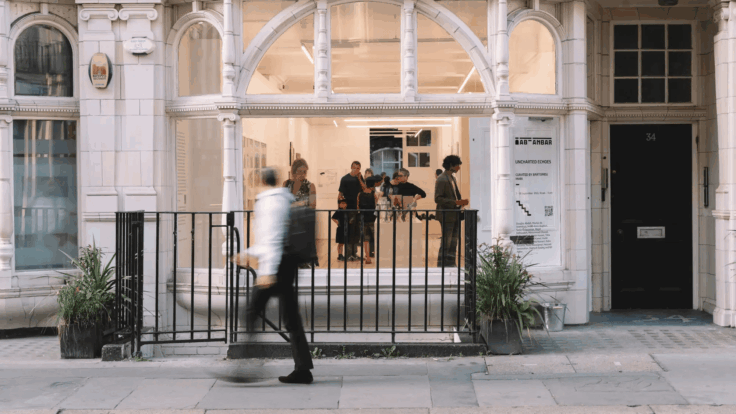
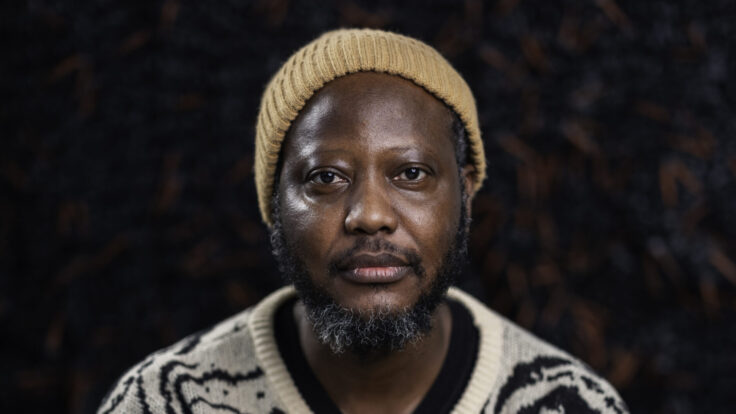
- Art Basel Qatar sales continue to come in: I’m still hearing from galleries who made the trip to Doha last week. Almine Rech sold most of the Ali Cherri works it brought to the fair, at prices ranging from €30,000 for watercolors to
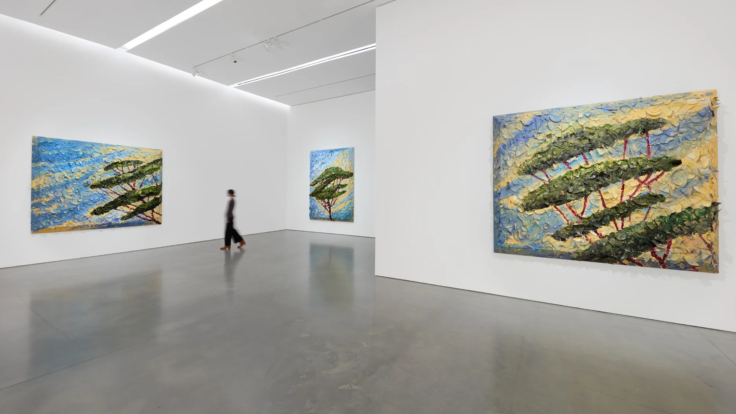
€130,000 for sculptures. VeneKlasen sold all six of the Issy Wood paintings it offered in Doha, for prices ranging from $35,000 to $190,000. And Paula Cooper Gallery sold four works by Terry Adkins “to a public institution in the region.” The gallery says the works were priced between $300,000 and $400,000, which implies the total sale price for the group was somewhere above $1 million.
- Scam alert: I saw that
my friend and Artnet editor Andrew Russeth was the victim of an email impersonation scheme, though the scammer’s goal is unclear. This morning, I also got a text from a director at a prominent gallery telling me that they were being spoofed by someone, too, but were not sure why. Are any other galleries experiencing this? Reply to this email or hit me up on +1 917.825.1391 if you have any intel to share.
|
Now, let’s get to the main event… |
|
|
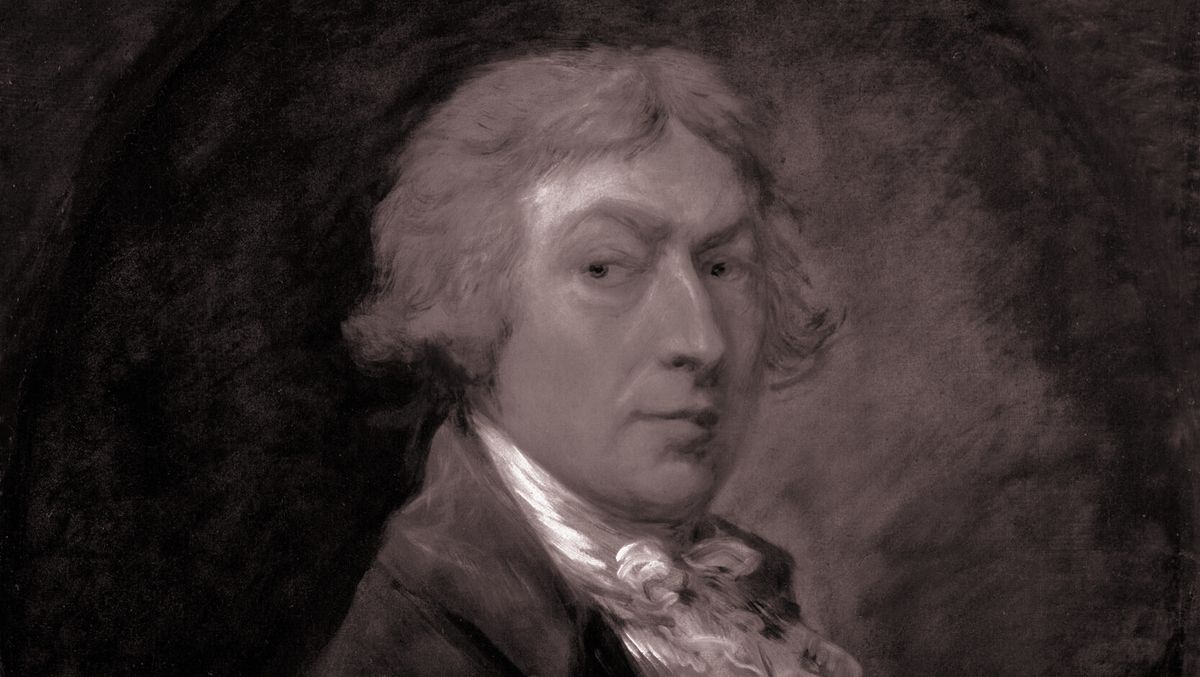
The Frick’s new Thomas Gainsborough show captures the portraitist finessing (and
even tweaking) class consciousness and fashion in Georgian England—and unwittingly mirroring the Instagram fictions of our day. |
|
|
The challenge of appreciating art from another culture is that we don’t know the codes, understand
the backstories, or share the references that made it so resonant with the original audience. The barrier is often lowered with Old Masters paintings because of the familiar classical and religious references. But when it comes to portraiture, especially from 18th century Georgian England, ordinary or seemingly straightforward images can turn out to be something else entirely. That’s what’s so interesting and refreshing about the Frick Collection’s
new show, Gainsborough: The Fashion of Portraiture, which opens Thursday. It may not fully decode the complex social world of Britain’s “first fashion,” but it does give viewers the tools to relate to images that would otherwise seem stuffy and remote.
Let me give you an example. If you go to Huntington Library in San Marino, California—something of a West
Coast corollary to the Frick—there’s a dining room encircled with full-length portraits by fashionable 18th century portraitists. Thomas Gainsborough’s The Blue Boy, from 1770, is the most famous of these. It depicts a young man in a bright blue suit thought to be Gainsborough’s nephew and successor, Gainsborough Dupont. Looking at this and the other portraits, you might assume that the subjects are dressed as they lived, that Dupont
was wearing the 18th century equivalent of a young noble’s best formal clothes—his bar mitzvah suit, if you will. |
|
|
A MESSAGE FROM OUR SPONSOR |
|
|
As it turns out, that’s not true at all. In fact, Gainsborough had attired his blue boy in
something he called van Dyck dress, or a made-up sartorial vocabulary that gave his subjects a look of ancient distinction. But, like the contemporary in-jokes in The Divine Comedy, these sorts of cultural references are mostly lost on modern audiences. The point of Gainsborough: The Fashion of Portraiture is to dismantle the artifice of 18th century portraiture—which served up much of the same factitious role-playing that Instagram does today—and let us in on the secrets
behind all the imagemaking. |
The Gainsborough show strives to illuminate the intersections between Georgian painting and the
fashion industry of the time, with an entire catalogue essay devoted to the shared materials and manufacturing processes that “informed the evolution of Gainsborough’s approach to and production of portraits.” This included his use of colors and pigments, often derived from dyes also used in fabric. Indeed, the show wants to make the case for fabric being at the center of fashionable society. Gainsborough’s family was involved in the fabric and drapery business, and the artist developed a
“virtuosity” for painting “textures and sheens of different fabrics.” |
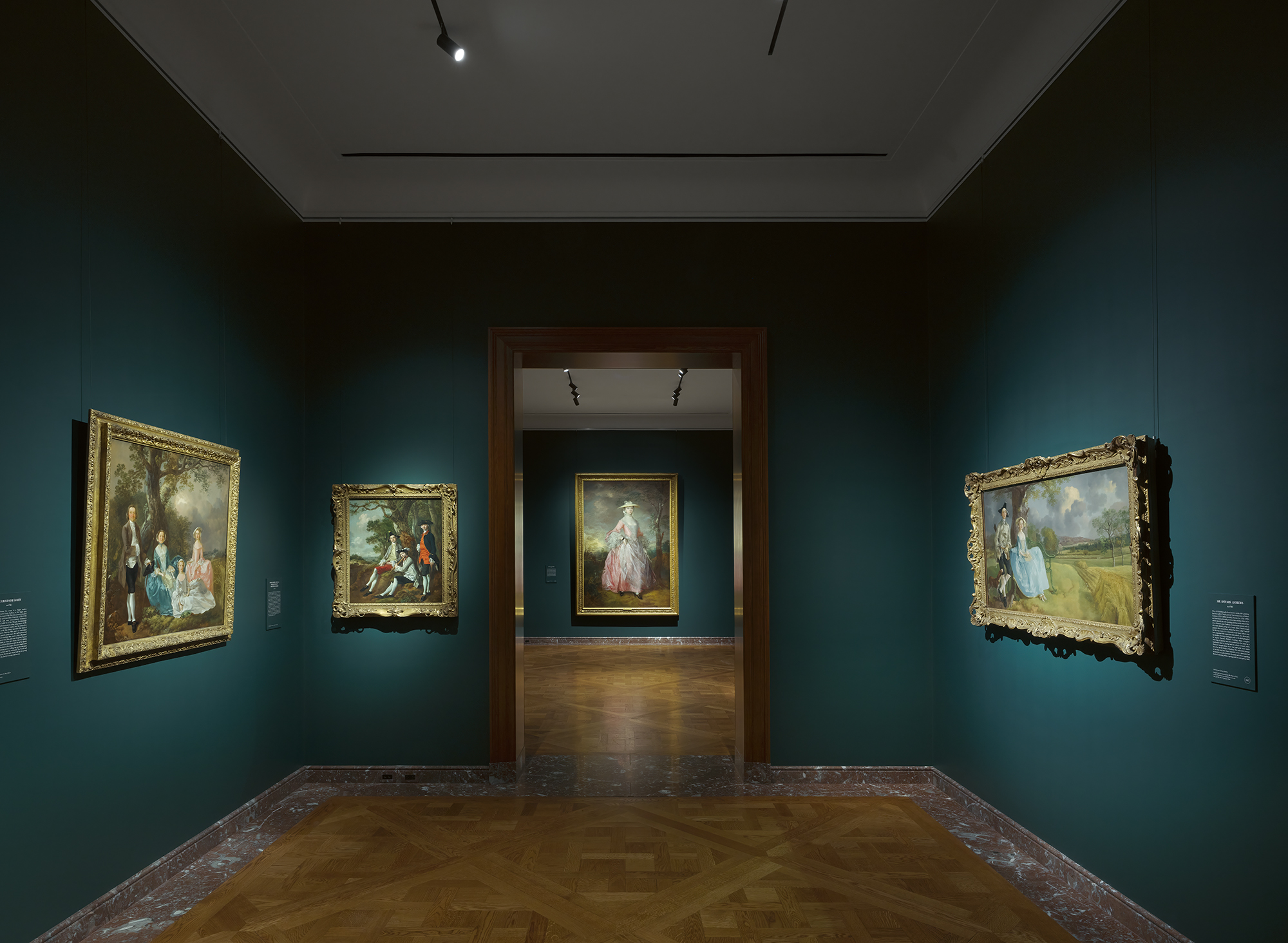
Gainsborough: The Fashion of Portraiture at The Frick Collection, New York. Photo:
Joseph Coscia Jr. |
Moreover, during the period Gainsborough was working, much of the landed gentry benefited from an
agricultural boom that generated a great deal of new wealth. Subsistence farms and common lands were enclosed into larger estates to be run more efficiently and to the greater benefit of the landlords. They in turn invested in modernizing agriculture, as well as new industries like coal mining, iron production, and textiles. Combine that domestic growth with extensive colonization in India and the New World, and suddenly you have a society with many newly prosperous characters trying to make
claims to their social status.
That’s where Gainsborough thrived. The son of a bankrupted weaver in Suffolk, Gainsborough was a talented draftsman, ultimately earning apprenticeships with a London engraver and an artist who would become a founding member of the Royal Academy. At 19, he married the illegitimate daughter of a duke, which gave his young family an income but also a strong grounding in the fluid nature of English society. Climbing the ladder, Gainsborough established his
reputation as a portraitist in provincial Ipswich before moving to the more fashionable Bath. After 15 years there, Gainsborough moved to London, where he would paint portraits of King George III and Queen Charlotte. |
|
|
The Frick’s show takes great pains to demonstrate the evolution of Gainsborough’s art. He started
by setting portraits within landscapes, both because he liked to paint them and because landscapes allowed him to show persons of different classes and social stations in believable settings. That’s how we get the “conversation piece” portraying Peter Darnell Muilman, Charles Crokatt, and William Keable. The first two men had been born into wealthy merchant families in Amsterdam and Charleston, South Carolina, before buying estates in Essex, but
the third was a local painter and musician. Mr. and Mrs. Andrews, painted around 1750, shows the pair on a bench. But it’s as much a depiction of their lands as of the couple, who had made their fortune through savvy money lending and the further accumulation of land. |
Once Gainsborough had upgraded to London, a new matrix of pictorial problems presented itself.
Georgian society had a fair number of figures who lived in a status penumbra, and Gainsborough didn’t shy away from depicting them. Among the portraits in the show are a divorced “woman of pleasure,” a duke who didn’t quite like dressing as one, and even a servant to one of his better patrons, Lady Montague.
The servant, a man named Ignatius Sancho, had been born on a slave ship but hired by the duke partly due to his intelligence. When Gainsborough
painted individual portraits of the family, he also painted Sancho—not dressed as a servant, but as the noted composer, writer, and abolitionist he was becoming. It’s a mystery whether the noble portrait Gainsborough produced was a gift from the family to Sancho or a sign of Gainsborough’s respect for the man.
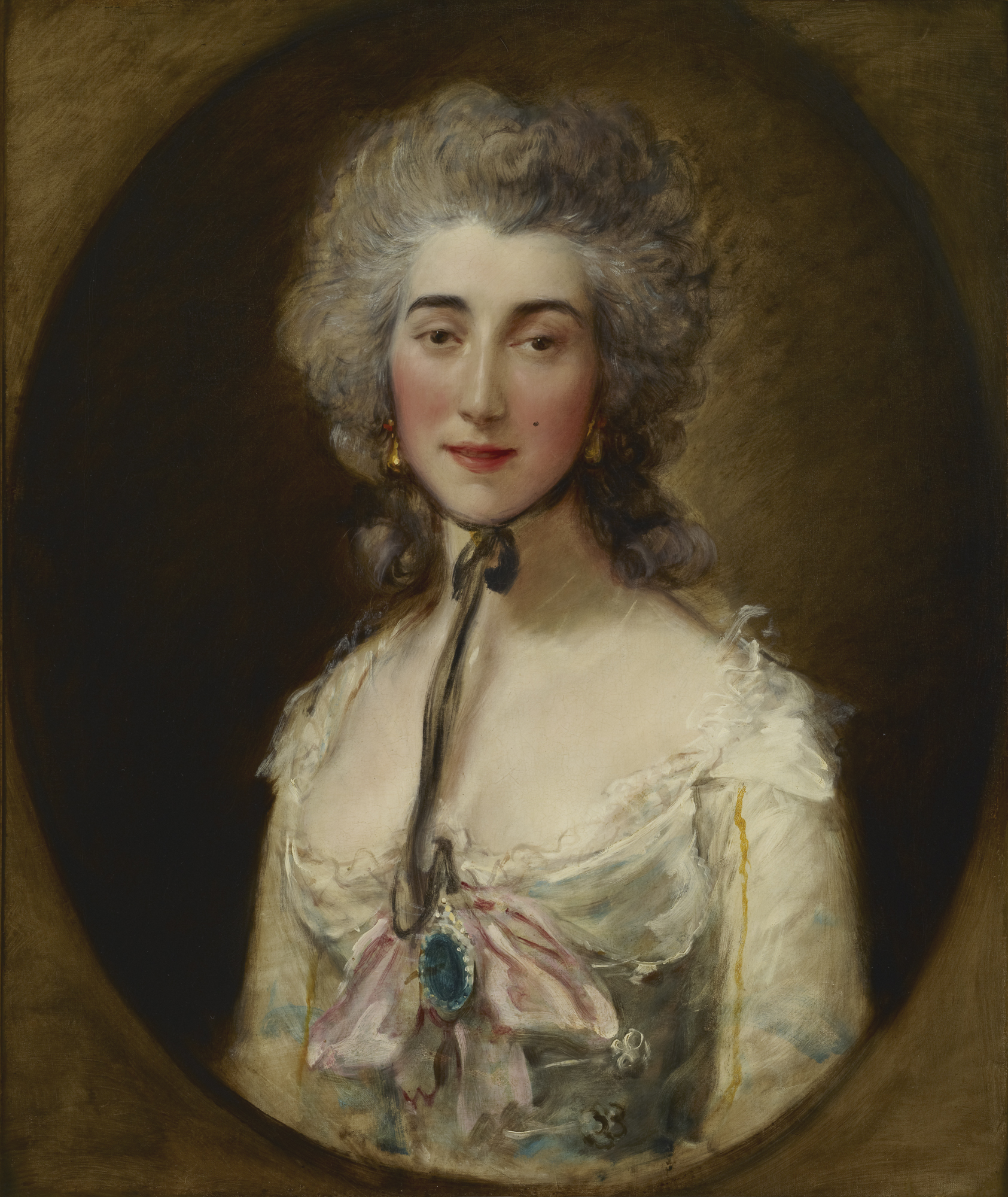
Gainsborough’s artistic choices were radical in more subtle ways, too. The show includes two paintings of Grace Dalrymple Elliott, who was educated in France,
married a Scottish doctor 18 years her senior, and later divorced him. Elliott would go on to become the mistress of King George IV, among other men, and spy for the British during the French Revolution, but her divorce relegated her to a social purgatory that required constant finesse. In the first of the exhibition’s Elliott portraits, she appears as if just returned from a walk outdoors, attired in a fanciful yellow dress suggesting a masquerade ball, with a
towering hairstyle adding to her striking height. Critics latched on to public gossip about Elliott, but the overall effect of the portrait was to excuse her lapses due to her great beauty. Four years later, Gainsborough would paint a bust-length portrait of Elliott, in the fashion of her own time, with dramatic makeup. By then, though, she had given birth to an illegitimate child of the Prince of Wales, and the likeness did more to upset critics than soothe her reputation. |
Thomas Gainsborough, Grace Dalrymple Elliott (1782). Photo: Michael Bodycomb
|
Finessing his work was a familiar task for Gainsborough. He often had to repaint portraits to add
symbols of changing rank, include children, or address the aging of the sitter. The rapidly changing fashions of Georgian England also posed a problem for society portrait painters. Should subjects be depicted in their own clothes, fantasy dress that gave the sitter a more heroic or beguiling look (the Georgian equivalent of filters), or something else entirely? None of Gainsborough’s rivals had an easy solution. But Gainsborough’s facility with painting fabric meant that he often invented
clothes for his subjects.
Toward the end of his life, Gainsborough, who had spent a fair amount of time copying the work of Anthony van Dyck, a successful court painter of a century earlier, came upon the idea of depicting men in what the exhibition refers to as “van Dyck dress.” In the center of the main room at the Frick featuring these Gainsboroughs is the artist’s last portrait, a painting of Bernard Howard, who would become the 12th Duke of Norfolk.
His predecessor, Charles Howard, was known to indulge in the affectation of dressing below his station in life. But in both their Gainsborough portraits, they are dressed in timeless black outfits that assure the viewer of their august nobility. |
That’s all I have for today. I’ll be back tomorrow for a conversation with Anders
Kold, curator and head of acquisitions at Denmark’s Louisiana Museum of Art. Upgrade to the Inner Circle here if you want to join us.
Until then,
M |
|
|
Puck founding partner Matt Belloni takes you inside the business of Hollywood, using exclusive reporting and insight
to explain the backstories on everything from Marvel movies to the streaming wars. |
|
|
The ultimate fashion industry bible, offering incisive reportage on all aspects of the business and its biggest
players. Anchored by preeminent fashion journalist Lauren Sherman, Line Sheet also features veteran reporter Rachel Strugatz, who delivers unparalleled intel on what’s happening in the beauty industry, and Sarah Shapiro, a longtime retail strategist who writes about e-commerce, brick-and-mortar, D.T.C., and more. |
|
|
Need help? Review our FAQ page or contact us for assistance. For brand partnerships, email ads@puck.news. You received this email because you
signed up to receive emails from Puck, or as part of your Puck account associated with {{customer.email}}. To stop receiving this newsletter and/or manage all your email preferences, click here. |
Puck is published by Heat Media LLC. 107 Greenwich St., New York, NY 10006 |
|
|
|