A Trump Polling Shock, Big Tech vs. Hollywood, MLB’s Privacy Problem
|
|
Welcome back to The Daily Courant, your afternoon road map to Puck’s best new reporting.
Today, we lead with Eriq Gardner’s deep dive into the legal battles set to define the future of artificial intelligence. This week, a federal judge agreed to consolidate multiple copyright infringement cases against OpenAI; meanwhile, Anthropic and Meta et al. are facing A.I. trials of their own. Each case is different, but all coalesce around a single, trillion-dollar question:
Should A.I. be allowed to train on copyrighted material? And will the creators of that work ever get paid?
Plus, below the fold: Peter Hamby breaks down Donald Trump’s less-than-rosy post-inaugural polling numbers. John Heilemann identifies the fissures in the president’s economic brain trust. Julia Alexander takes stock of Major League Baseball’s streaming conundrum. Sarah Shapiro explores the newest retail experiment from Urban Outfitters. And Marion Maneker offers his takeaways from Clare McAndrew’s benchmark art market report.
Meanwhile, on the pods: John Ourand discusses the evolving nature of sports analysis with broadcaster Peter Schrager on The Varsity. And on The Powers That Be, Julia Alexander joins Peter Hamby to survey the state of Big Tech in Hollywood.
|
|
|
 |
Eriq Gardner |
|
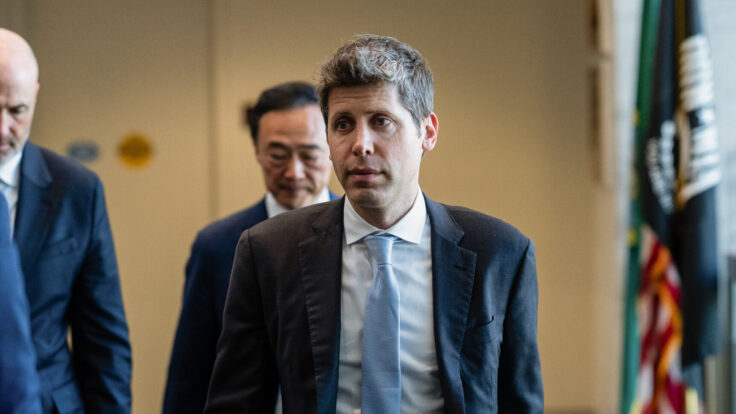
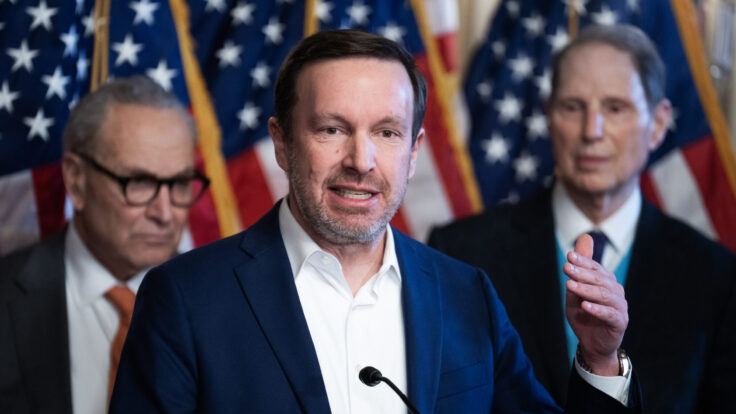
With copyright infringement suits piling up against Sam Altman’s OpenAI, the company has been granted a request for all cases to be consolidated. What Altman and co. didn’t bargain for was the case’s presiding judge: New York’s Sidney Stein, who has ruled against high-profile defendants in similar copyright cases, and recently rejected OpenAI’s dismissal of claims from The New York Times and others. As Eriq reports, the potential outcomes here remain uncertain, but with A.I. copyright fights also moving forward against companies like Anthropic and Meta, it’s clear the industry is hurtling toward an extremely expensive, if convoluted, resolution.
Read Now
|
|
|
 |
Peter Hamby |
|
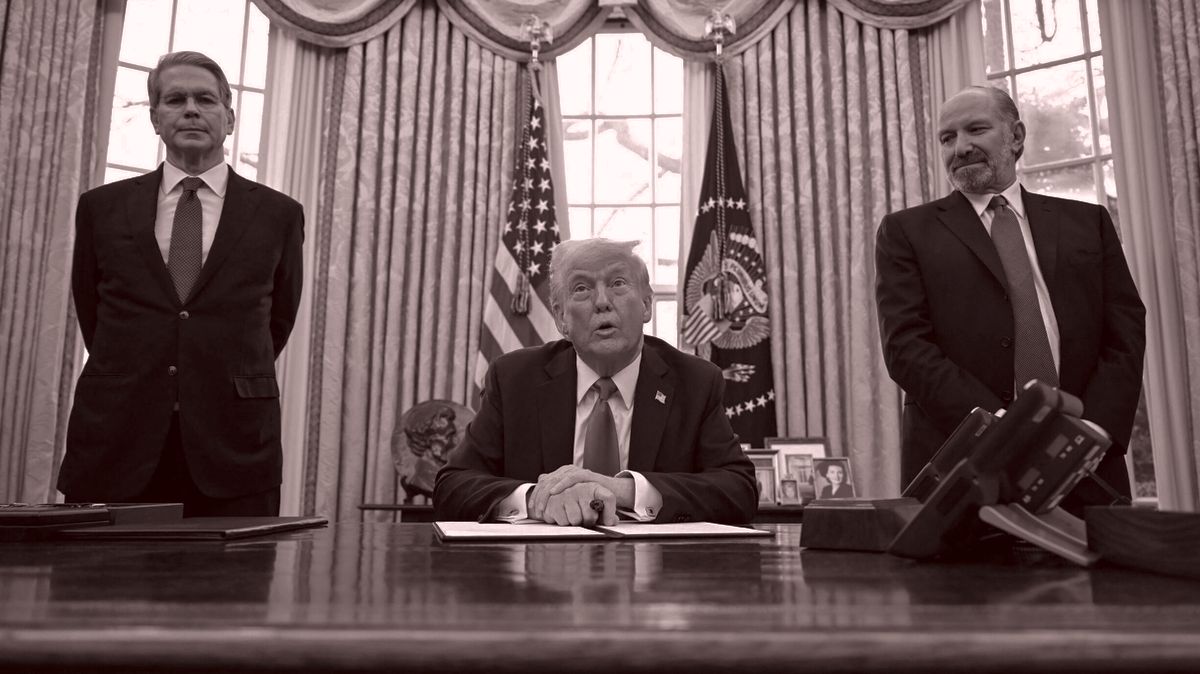
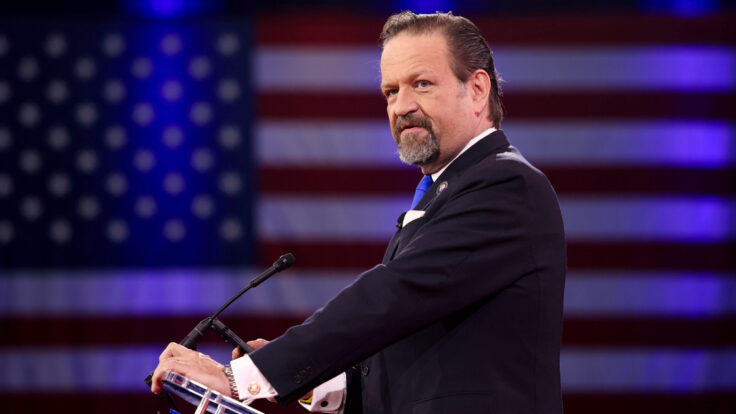
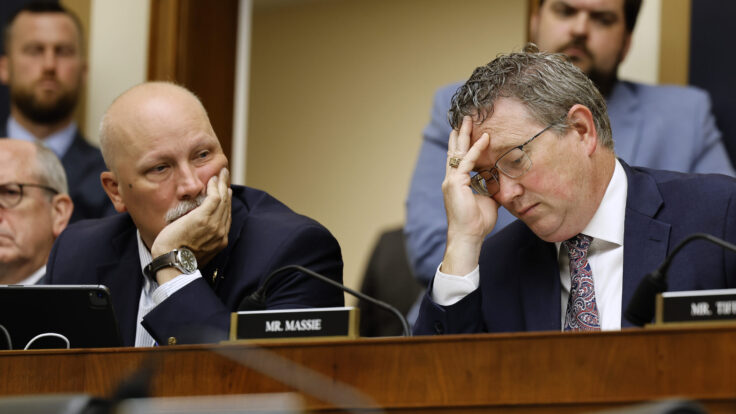
So much for the spin that the White House is “ebullient” about the economy: According to a half-dozen new surveys, voters are souring on Trump’s trade war, fast, as markets tank in response to the president’s tariffs. Polling shows 42 percent of Republicans now say they feel uneasy about their personal financial situation. Trump himself doesn’t have to worry about reelection, so perhaps he doesn’t have to care about voters recoiling from his economic program, Peter writes. But the same can’t be said for House and Senate Republicans, who will have to answer for Trump’s actions—and their own inaction. As Senator Thom Tillis put it in conversation with U.S. Trade Representative Jamieson Greer on Tuesday: “Whose throat do I get to choke if this proves to be wrong?”
Read Now
|
|
|
 |
John Heilemann |
|
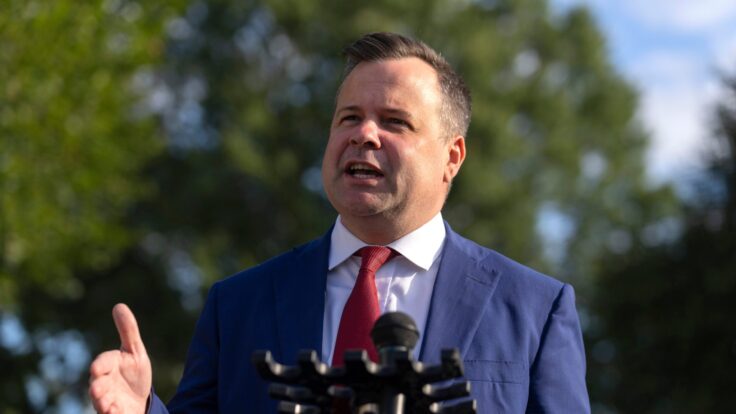
With the prospect of an escalating trade war dragging the United States into a recession, Wall Street is fixating on the brain trust interpreting and executing the president’s economic vision. Interestingly, as John notes, Scott Bessent and Howard Lutnick were initially perceived to be Trump’s cabinet “normies”: experienced finance executives who could keep the president grounded in economic reality. Yet as markets recoil and recession indicators flash red, Bessent and Lutnick’s messaging has become unmoored, sycophantic, and contradictory—burning credibility with billionaires like Bill Ackman and even Elon Musk. As one hedge fund kingpin told John, “They’re a mess.”
Read Now
|
|
|
 |
Julia Alexander |
|
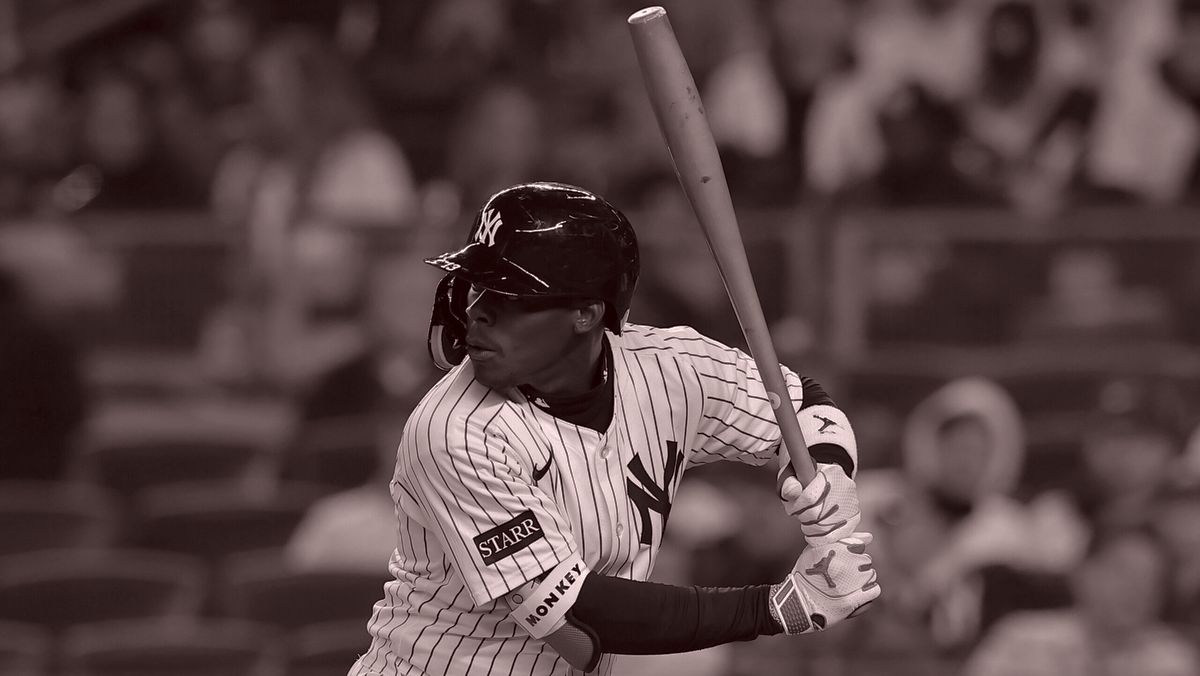
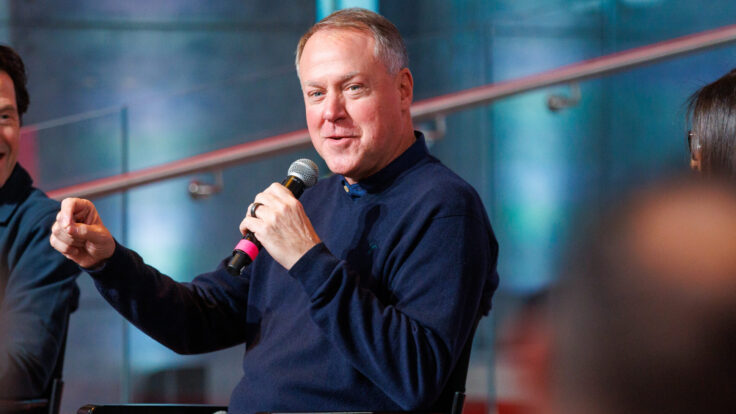
Torpedo bats are making baseball… fun again? They could also give the MLB more leverage in negotiations with prospective TV partners. In fact, the game has rarely been more popular with audiences aged 18 to 35, Julia writes. But baseball being cool on social media with Gen Z doesn’t necessarily translate to cable revenue. Young fans are savvy enough to watch their favorite team without splurging on cable: An anti-piracy firm found that the majority of fans aged 13-40 watch at least one game per week via illegal streams. So it only makes sense for the league to consider streaming options to make baseball accessible again. The creative solution may not be new bats, but leveraging the MLB’s current popularity and meeting fans where they’re at.
Read Now
|
|
|
 |
Sarah Shapiro |
|
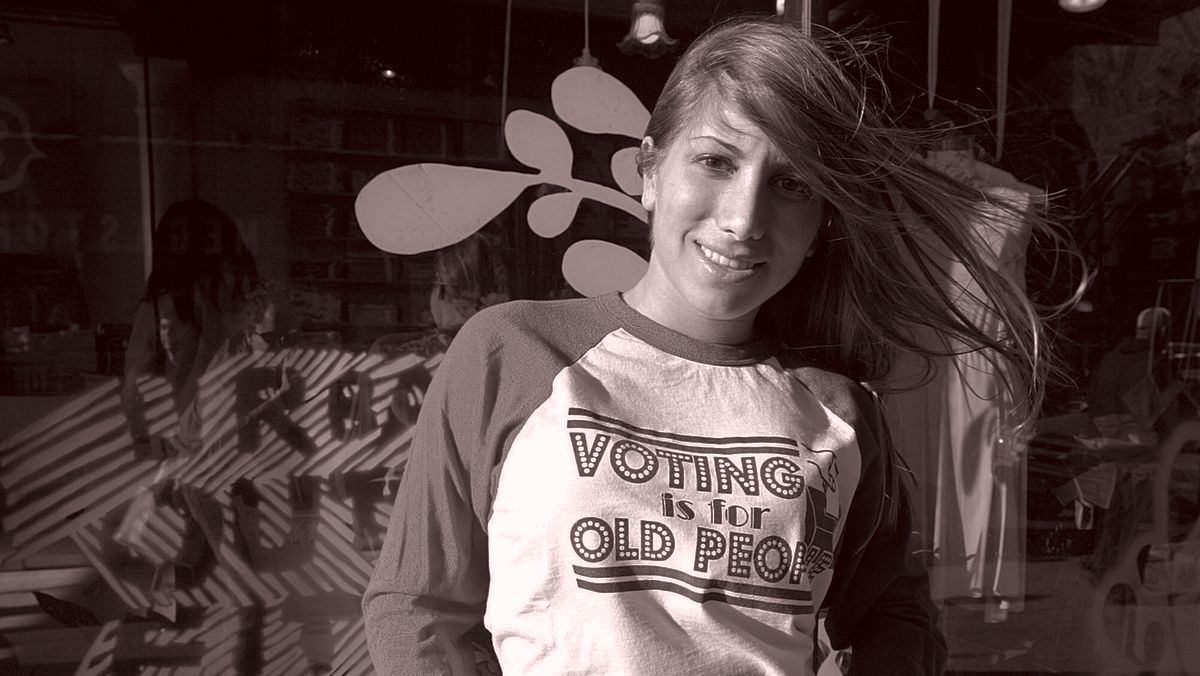
Urban Outfitters recently introduced a new experiment to their retail channels: the aptly named Reclectic. It’s a secondhand/outlet-style concept that sprung out of their unique incubator program, which allows Urban to test and learn businesses that may work under their umbrella. As Sarah reports, industry insiders are closely watching the early success of Reclectic as a clue to how retailers might be able to capture the full spectrum of value generated during the life cycle of fashion garments—not just at the point of sale, but also through subscription services and resale at even steeper discounts that appeal to Gen Z, and that give Urban a second (and third) bite at the apple.
Read Now
|
|
|
 |
Marion Maneker |
|
With data from Clare McAndrew’s definitive annual art market report, Marion argues that the art market is democratizing—for better and for worse. To wit: Galleries selling more than $10 million in art a year saw a decrease in sales, while micro-galleries with sales totaling less than $250,000 a year saw significant increases. It’s not that big-ticket items aren’t selling, Marion writes, there are just fewer of those transactions (or they’re becoming harder to track). Good news, maybe, but there are still questions about the health of the market—especially if the broader economy tilts into a recession.
Read Now
|
|
|
 |
John Ourand |
|
Beloved sportscaster Peter Schrager drops by the pod to chat about his decision to jump from NFL Network to ESPN and the evolving business of professional sports analysis. Then Peter and John weigh in on what’s next for the NFL and ESPN in the streaming era, and the impact that Netflix and Amazon will have on the media rights market in 2029.
Listen Now
|
|
|
|
Peter Hamby |
|
Julia Alexander |
|
Julia Alexander joins Peter to debate what Big Tech is really doing in Hollywood, and whether Apple, which is heavily reliant on manufacturing overseas, will use Trump’s tariffs as cover to retreat from the content business. They also examine the explosive growth of YouTube TV, and discuss whether its focus on live sports and a superior UX could help it replace cable for good.
Listen Now
|
|
|
Need help? Review our FAQ page or contact us for assistance. For brand partnerships, email ads@puck.news.
You received this email because you signed up to receive emails from Puck, or as part of your Puck account associated with . To stop receiving this newsletter and/or manage all your email preferences, click here.
|
|
Puck is published by Heat Media LLC. 107 Greenwich St, New York, NY 10006
|
|
|
|