| Jon Kelly
|
|
Good morning,
I hope you’re having a great holiday
weekend.
It was another remarkable week: Matt Belloni and Eriq Gardner sorted through the entertainment industry’s A.I. anxieties with our newest partner, Ian Krietzberg; Kim Masters captured the internal drama at Ben Affleck’s well-capitalized startup; Julia Alexander scrutinized Netflix’s creator economy opportunities; Dylan Byers revealed everything you ever wanted to
know about CNN but were too afraid to ask; John Ourand checked in on the chilly sports media market; Lauren Sherman previewed the succession scenarios at Ralph Lauren and Armani; Sarah Shapiro pondered Vuori’s exit options; Bill Cohan dug into Saks’s $600 million debt scheme; Rachel Strugatz relayed a beauty startup feel-good story; Marion Maneker investigated an art world scandalette, and
Julie Brener Davich analyzed the Old Masters sales in London.
Meanwhile, Leigh Ann Caldwell charted the BBB glide path; John Heilemann collected Sen. Angus King’s grievances on the subject; and Abby Livingston polled Democratic operatives about their Mamdani concerns.
Check out these stories, and others, via the links below. And stick around for the backstory on how it all came
together. |
|
|

| FASHION
|
|
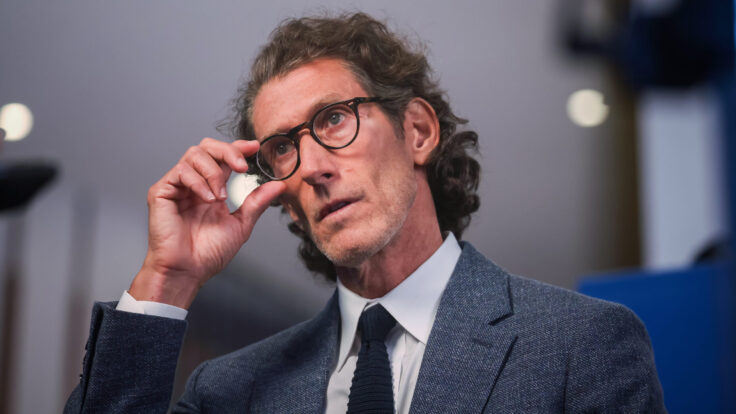
Lauren Sherman
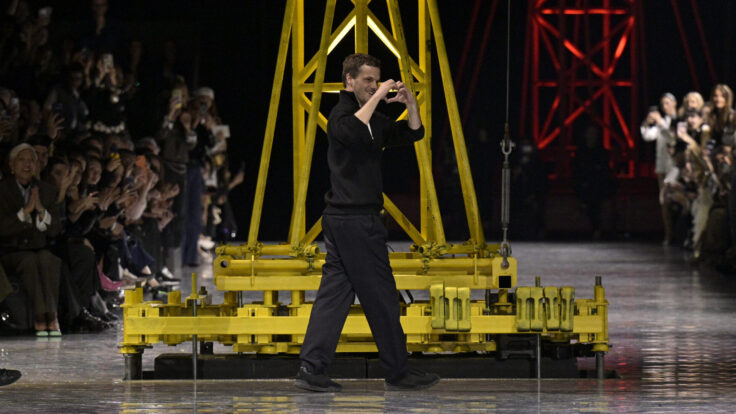
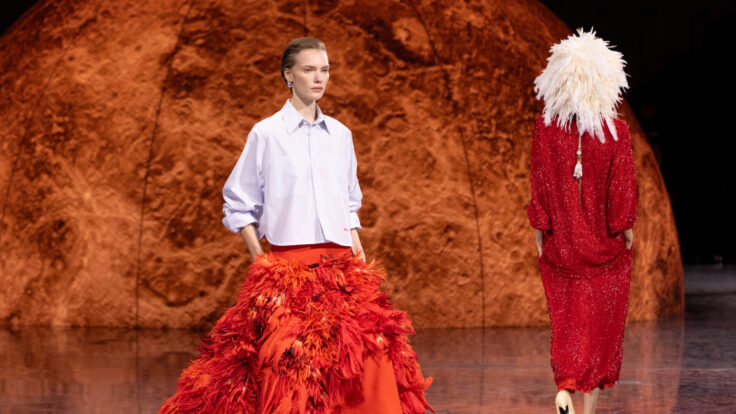
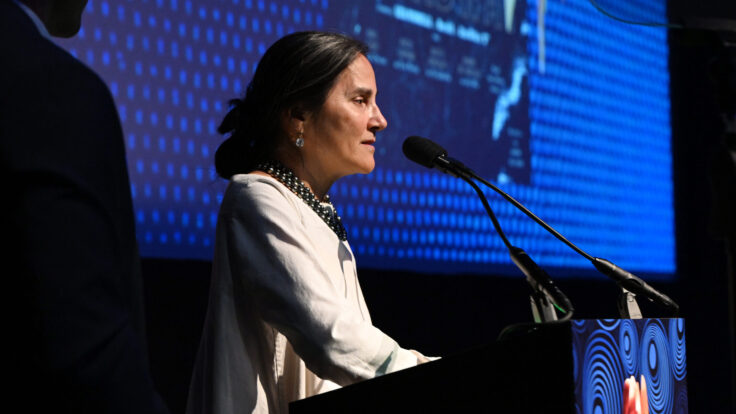
contemplates the inevitable retirements of Giorgio Armani and Ralph Lauren, and has the readout on Jonathan Anderson’s Dior debut.
and…
Rachel
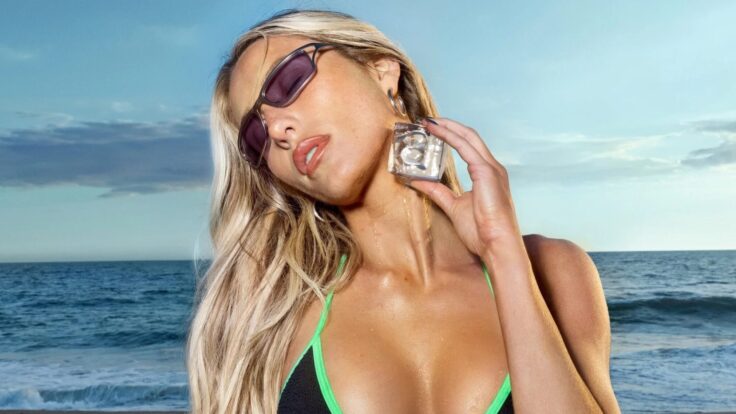
Strugatz chronicles Patrick Starrr’s inexorable rise.
meanwhile…
Sarah Shapiro imagines the Vuori I.P.O.-scape. |
|
|

| ART MARKET
|
|
Marion Maneker
assesses the damage from the Tim Blum earthquake.
and…
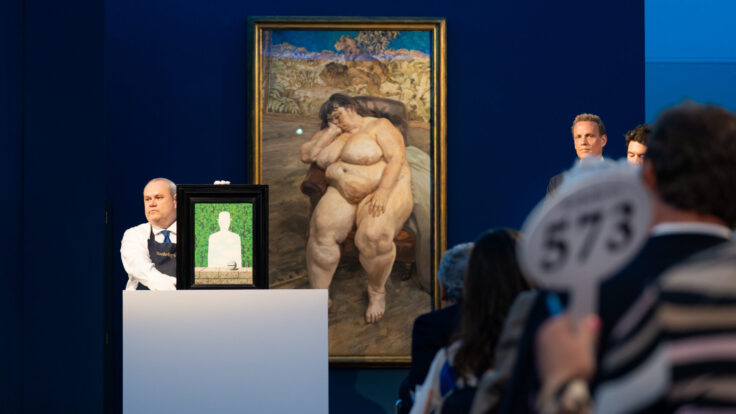
Julie Brener Davich explains the calculus behind a $44 million Canaletto sale. |
|
|

| HOLLYWOOD
|
|
Matt Belloni and Eriq Gardner
dissect the Town’s worst A.I. fears with Puck’s newest partner, Ian Krietzberg.
meanwhile…
Julia Alexander breaks down Netflix’s shortform ambitions. |
|
|

| MEDIA
|
|
Dylan Byers
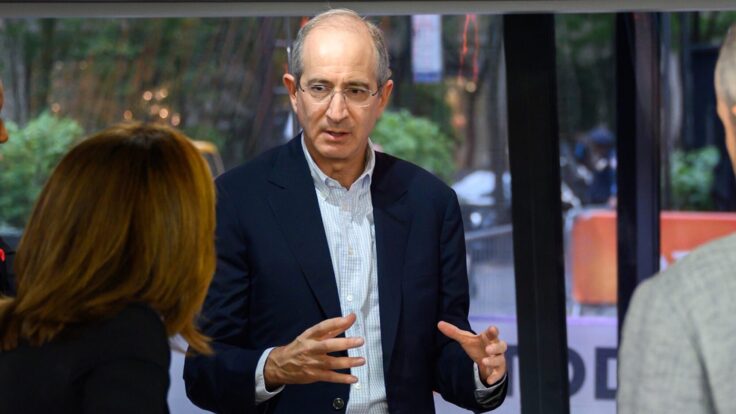
presages CNN’s corporate life under GunnarCo.
and…
Julia Alexander offers a data-driven analysis of the Google Zero aftershocks in the news business. |
|
|

| WALL STREET
|
|
Bill Cohan
pores over the latest Saks bond indentures. |
|
|

| WASHINGTON
|
|
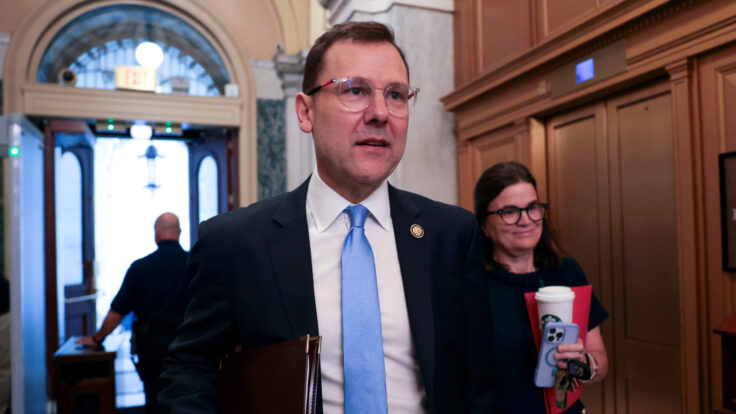
Leigh Ann Caldwell
conveys the G.O.P.’s willies about the BBB.
and…
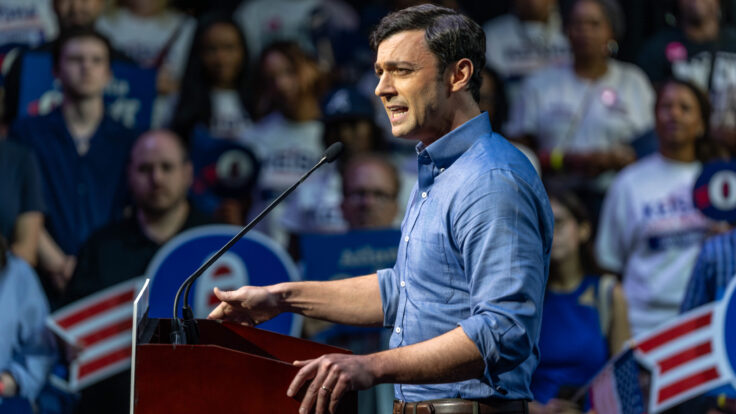
Abby Livingston diagnoses the Democrats’ Mamdani-phobia. |
|
|

| PODCASTS
|
|
Dylan and Julia chew over YouTube’s success in niche categories on
The Grill Room.
and…
John Ourand and Axios’s Sara Fischer discuss the SEC and Big Ten’s land grabs on The Varsity.
and…
Lauren and How
Long Gone’s Chris Black weigh in on the Anna Wintour succession plot on Fashion People.
and…
John Heilemann and Sen. Angus King map the BBB fallout on
Impolitic.
and…
Matt and CNN’s Brian Stelter lament Shari Redstone’s blood sacrifice on The
Town.
and…
Leigh Ann and Ian unpack Trump’s anything-goes A.I. plan on The Powers That Be. |
As a reminder, you can update your profile at any time to get more stories like these directly in your
inbox. Click here to customize your email settings. |
Nearly 15 years ago, amid one of the great post-financial crisis inflection points in our increasingly
digital existence, I took an editor’s job at the prestigious but undeniably musty New York Times Magazine. Obviously, I admired the Times as much as anyone else in the media business, but I was an anomaly on the sixth floor of 620 Eighth Avenue in almost every way. Most notably, I was a decade, if not more, junior to all the other editors—not only did I come to the job with my own cultural reference points, but my career had been forged by very different economic and
technological realities, and I had a slightly messianic conviction that our industry needed to reinvent itself while it still had the chance. After all, I was part of a new leadership team hired to reimagine a brand that had just come to terms with the fact that its very title—with that word Magazine hanging like an anchor—made less and less sense in our evolving media landscape.
Memorably, I started the job on the 10th anniversary of 9/11—at the Times, which is
understandably steeped in nostalgia and a wee bit of self-regard, you’re awarded a copy of A1 on your start date. Many people hung their start-date Page One in their offices and cubicles, and I did so too for a time, trying to fit in. Living history aside, it was a fascinating time to be at the Times: The company was undergoing its own transformation, between the $250 million Carlos Slim bailout in 2009 and the much-ballyhooed Innovation Report, which would come five years
later and eventually revitalize the business. In fact, my first day also marked the very start of the brief and rocky Jill Abramson administration. A teaser to her report from the ground in Afghanistan, undoubtedly an attempt to burnish her credentials, ran in the paper the day I started.
Watching the Times navigate the digital and
social disruption had a profound impact on my career. But the future wasn’t always so clear at the time. A pair of new magazine features I greenlighted, in particular, captured the flavor of the moment and our imprecise ability to see around the corner. The first was The One Page Magazine, which reduced the flourishes and conventions of the fading glossy format—celebrity interviews, service packages with B-list talent, self-serious well features, ask-an-expert gags—to microscopic items on a
single print page. It was a commentary on the creeping obsolescence of the form, sure, but also an attempt to honor it. The One Page Magazine spawned some stars, like Taffy Brodesser-Akner, the author of Fleishman Is in Trouble, but it also inevitably annoyed plenty of people in the industry and the building who didn’t quite appreciate the slightly existential parody. They had a point.
I also worked on a feature called They’re Famous! (On the Internet), which was
devoted to the new generation of stars who had built their unique followings on social media and digital video channels. (We didn’t yet have the word “influencer” in those quaint times.) The column was a light-hearted reflection of the weirdly bifurcated cultural moment that we inhabited, where talented comedians and other personalities could achieve virality and yet be totally anonymous in the broader culture.
I was thinking back to those days this week while reading a pair of absolutely
brilliant pieces by my partner Julia Alexander that illuminate how far the media business has come in the last decade and a half, and also how unrecognizable it may be in another 10 years. In Why Netflix Shouldn’t Be YouTube, Julia prosecutes the hypothesis that the streaming giant can one day cross the $1 trillion valuation threshold by luring select
independent digital creators onto its platform.
On its face, it’s an utterly valid supposition. Yet in Julia’s distillation, it falls apart for a couple key reasons, but it can largely be reduced to one: Netflix operates a scale-by-hits playbook (more hits equals more engagement and less churn) while YouTube deploys the precise opposite strategy—a hits-by-scale model, whereby the deluge of content creates more opportunities for audiences to find their niche, and attracts
more ad dollars to the platform. Either way, the very fact that premium platforms would seek to leverage digital creators tells us how much things have changed from the old days.
In her equally excellent piece Google Zero Dark Thirty, Julia takes on a topic that transported me back to those One Page Magazine days. Months ago, Google’s search engine
started providing A.I.-generated responses to queries “above the fold,” so to speak, pushing the top results further down the page. This seemingly simple transition—an attempt to keep consumers on the platform instead of sending them elsewhere—has had a profound impact on publishers. In fact, I’d surmise Google’s pivot to A.I. is going to be as consequential in the industry as the financial crisis, the rise of social media, and the advent of the iPhone—maybe combined. As Julia notes with
data-driven somber grace, Google’s manifestation of a post-click world demonstrates that we’re not at the end of an era, but the fore of a brave new world. And that, of course, is one of the great stories of our time—and precisely what you should expect from Puck. |
|
|
Need help? Review our FAQ page or contact us for assistance. For brand partnerships, email ads@puck.news. You received this email because you signed up to receive emails from Puck, or as part of your Puck account associated with {{customer.email}}. To stop receiving this newsletter and/or manage all your email preferences, click here. |
Puck is published by Heat Media LLC. 107 Greenwich St, New York, NY 10006 |
|
|
|