'22 Discontents, Jan. 6 Aftershocks, and the Old Wars of Wall Street
Happy Thursday, and thanks as always for reading The Daily Courant, highlighting the latest and most provocative new reporting at Puck. Today, on the anniversary of the Jan. 6 riot, Tina Nguyen shares her on-the-ground reporting from the Capitol steps, examines the interlocking far-right groups behind the attack, and predicts what it all means for the '22 midterms and beyond. As Tina writes, the insurrection itself wasn't a surprise to reporters who had been covering the Trump movement. It was everything that came next that was truly shocking.
Plus, below the fold: Peter Hamby considers Biden's succession calculus and Bill Cohan takes a closer look at the incredible collapse of Bear Stearns.
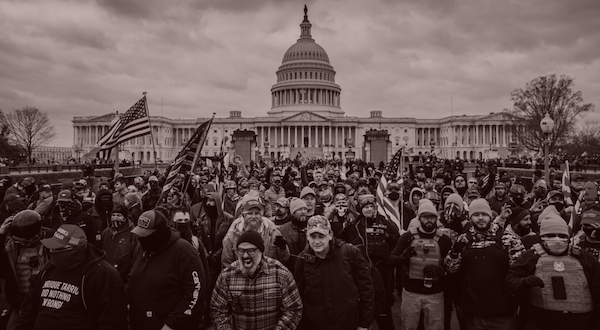
I was at the Capitol on that fateful day, and what I remember most is that the insurrection wasn’t a surprise to those of us who covered the Trump movement. In fact, my sources had been discussing it for months. It’s everything that came next that shocked me. “We patriots ought to be in that building,” Bill Dunphy, a preacher from Ohio who had just led a group in prayer, told me on January 6th, 2021, pointing at the Capitol rotunda. “That building belongs to us. That building belongs to We the People. They work for us. And here we are, barred to the point that we can’t even stand on, get on the property, within what, 120 yards?”
I shivered, burrowing into my white parka. Between this preacher and the United States Congress were dozens of Capitol Police officers, several black S.U.V.s, and lots of metal fencing. I worked for Politico at the time and was credentialed to enter the building, so I was familiar with the intense security procedures, as befit a theater of government, which I explained to him. But Dunphy shook his head incredulously. “The bottom line is, there’s enough of us to decide to move on into that building. They don’t have enough security to stop us.”
That was a refrain that I’d continue to hear for the rest of that infamous day, and it wouldn’t have been unusual, given the horror that we all know eventually unfolded, save for one thing: I heard this at 9:56 AM, hours before someone first charged the gates into the Capitol at 12:53 PM. In fact, I’d been stationed at the Capitol for that entire morning, initially filing a story with my colleague, Daniel Lippman, about Trump supporters harassing lawmakers as they showed up for work. Our first draft had been sent to our editors roughly 25 minutes before the first gate was breached (and was, naturally, never published). Dunphy’s desire to storm the gates was shocking, but not surprising to me. As someone who covered the politics of the far right, I’d been hearing about this obsession over and over for some time. For years, actually, and certainly for the previous months.
The grassroots flank of the Republican Party, after all, has been obsessed with occupying government buildings ever since the early days of the Tea Party in 2009. Over the past year of the pandemic, and increasingly after the November election, armed right-wing militias began aiming their ire at the government by protesting in front of—and sometimes, inside—state buildings. Dunphy had been urging his audience to avoid cheering on Donald Trump at the Ellipse because it was a “distraction,” in his words, from the real action inside Congress. He spoke openly and admiringly about the two-month period, a decade ago, when 100,000 labor activists occupied Wisconsin’s State Capitol building.
Dunphy’s draconian “we the people” sentiment mirrored what I’d heard relentlessly for weeks, months, years. But I didn’t quite think about the implications of his full statement until this summer, when I bought a very good white hybrid sedan (45 highway miles per gallon), packed it to the brim, and bailed from Washington, D.C. for what was supposed to be a two month road trip across the country...
FOUR STORIES WE'RE TALKING ABOUT 
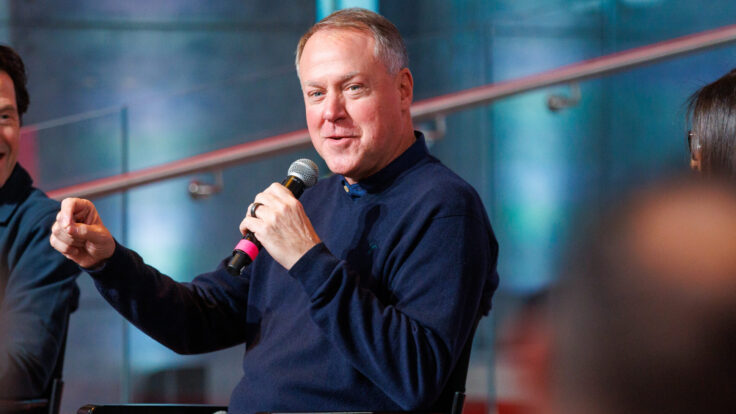
Part II of my year-end list of the 22 boldest, totally bankable, 100 percent probable predictions from actual industry insiders. MATTHEW BELLONI 
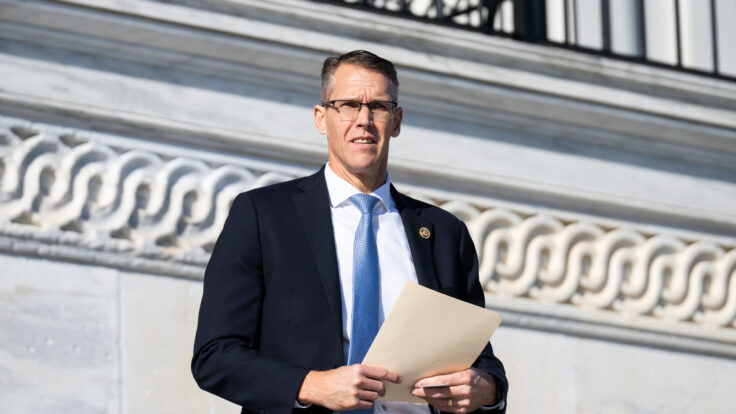
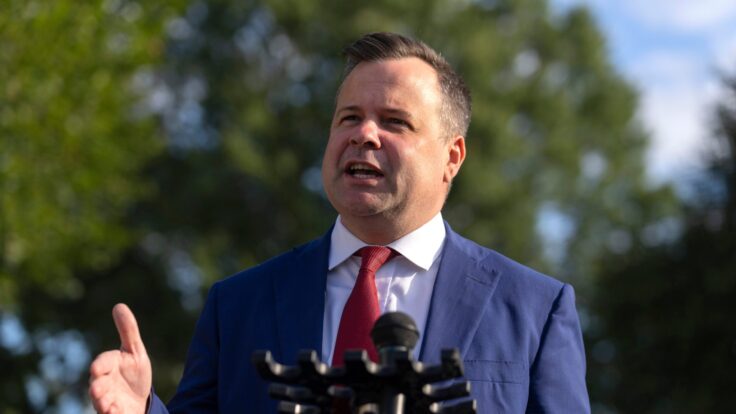
Notes on the president’s 2024 thinking, the Kamala curse, and the limitations of the Youngkin-McCormick MAGA playbook. PETER HAMBY 
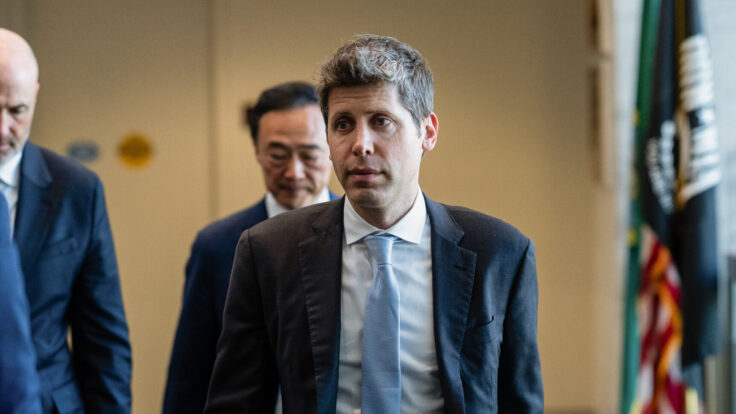
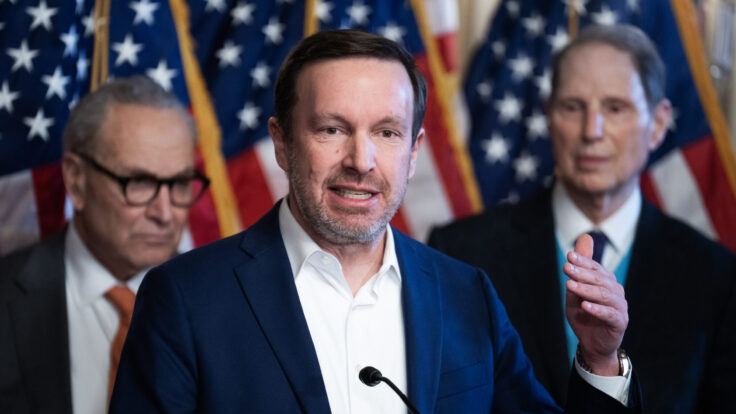
In modern politics, key relationships with a Silicon Valley benefactor can transform long-shot candidates into bonafide contenders. TEDDY SCHLEIFER 
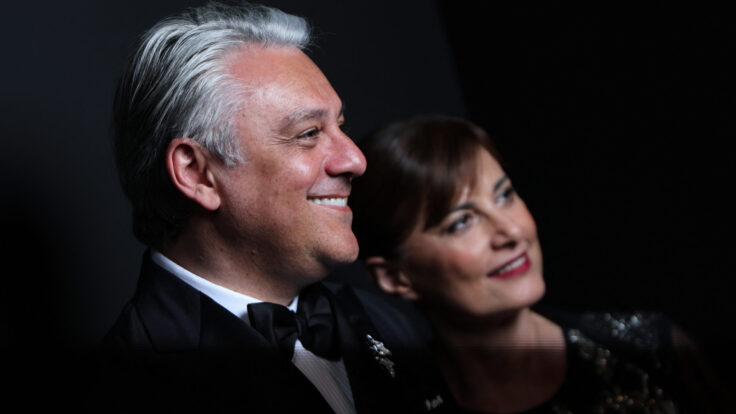
The epic story of how a crafty bond salesman took over Bear Stearns—and risked an apocalypse to fight for it. WILLIAM D. COHAN 
You received this message because you signed up to receive emails from Puck.
Was this email forwarded to you?
Sent to {{customer.email}}
Puck is published by Heat Media LLC.
For support, just reply to this e-mail. For brand partnerships, email ads@puck.news |


SHARE