Hi, and welcome to Line Sheet, coming at you live from somewhere over the continental U.S. We did
it! Fashion Month is over! (Well, okay, there are more shows on Tuesday, including Meryll Rogge and Kiko Kostadinov. But, you know…)
As always, this was a wonderful, horrible, exhilarating two weeks. I learned a lot, which I’ll be sharing with you in upcoming issues. Today, though, you’ll get my final assessment of the Paris shows, plus a few additive bits of intel, including a ranking of the top five debuts (and one honorable mention), some news out of Condé Nast International (I’ll
never forget you), early Gucci feedback, and much more.
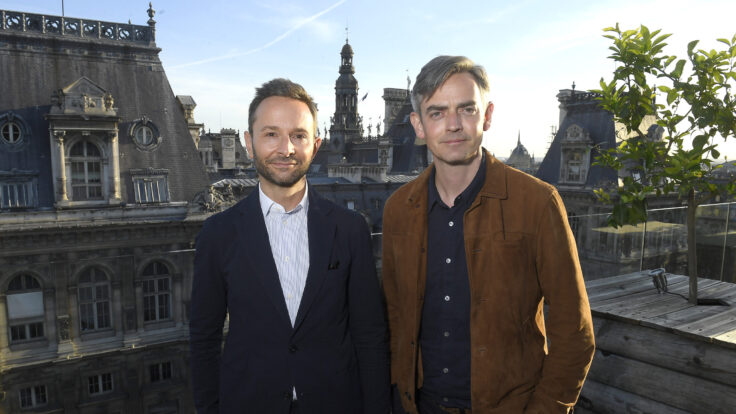
I’m happy to be back in Los Angeles this week, and sorry to have missed Puck’s event last night at San Vicente Bungalows, where my Fantasy Football teammate Dylan Byers chatted with WME group president Mark Shapiro. But I’m glad I was in Paris on Sunday to celebrate the end of Fashion Month with my friend (and occasional manager) Max Stein of Brigade Talent, who recruited me to
co-host a relatively impromptu get-together at Montezuma. It was so fun to see friends, drink Crazy Crazy pét-nat (sorry, I still like natural wines), and discuss the shows. If you weren’t invited, blame Max. And if you were, you can thank him for his hospitality. He is the best.
Mentioned in this issue: Chanel!, Matthieu Blazy, Dior, Jonathan Anderson, Versace, Dario Vitale, Alaïa, Pieter Mulier, Louis
Vuitton, Raf Simons, Margiela, Glenn Martens, Balenciaga, Pierpaolo Piccioli, Gucci, Demna, Alessandro Michele, Valentino, Celine, Michael Rider, Duran Lantink, Loewe, and many, many more… |
|
|
A MESSAGE FROM OUR SPONSOR |
The refined BMW 7 Series is all luxury. With the ability to define your design, the ultimate glamour is yet to be.
Learn more at BMWUSA.com. |
|
|
Three Things You Should Know…
|
- The
return of the Gucci girl: Kering has so much riding on Demna’s Gucci that the company has begun selling his first collection, which won’t be fully distributed until January, for a limited time to rev up interest. I heard from some high-ranking fashion editors that the stores they visited were crowded, and from people with better intel that the product is selling. The most auspicious sign is the designer’s new twist on the Jackie bag, a classic silhouette that was
rendered too stiff in previous iterations. Demna softened it up, tweaked the hardware, and now everyone wants it. Can’t wait for Q4 earnings!
- The most talked-about front rows this month: Like many aging editors, I can’t recognize most of the so-called celebrities who sit front row at fashion shows these days: Not the Korean pop stars, not the YouTubers, not the athletes. And that’s fine. The mix of celebrities at Balenciaga, however, was worth noting.
Meghan Markle was there—a “dear friend” of Pierpaolo’s, I am sure—as was Lauren Sánchez-Bezos (who also showed up later in the week at Chanel). There was also Kristin Scott Thomas, Anne Hathaway, Isabelle Huppert, Shailene Woodley, Stellan Skarsgård, Simone Ashley, Philippine Leroy-Beaulieu, Tracee Ellis Ross,
and many others. Would the number of media impressions have been higher if Lisa from Blackpink had attended? Maybe, but their guest list sent a clear message: This brand is for rich women who like spending money on clothes.
Hermès, whose engagement with celebrities remains minimal, went a different direction, inviting comedy world-adjacents, including Nick Kroll and Julia Louis-Dreyfus and her husband, Brad Hall.
(Louis-Dreyfus is also the daughter of a French billionaire, of course.) Makes sense: There’s a lot of humor in the brand, itself. But Hermès really won the week by placing chef, author, and all-around legend Ina Garten front and center with her Birkin. Who doesn’t want to be her? - Print is only kind of dead: Most of the Condé Nast gossip I heard in Europe is unpublishable (or reserved for a rainy day), but here’s some intel worth
sharing: You know how all the international editions of Vogue are sorta droopy, and Anna Wintour made space for Chloe Malle at American Vogue partly to free up some time to whip them into shape? Well, it appears that some changes are paying off.
The Vogue France September issue, starring French model Jeanne Cadieu wearing vintage Chanel couture, shot by Steven Meisel and styled by
Alastair McKimm, hit a 10-year record for domestic newsstand sales—up 15 percent year over year. If you recall, there was some drama surrounding the hiring of Claire Thomson-Jonville as head of editorial content—she was originally a maternity sub, then it took forever to properly sign her on—but it seems like it was a good choice. Unlike many of the other international editions, French Vogue is once again developing a unique visual
identity—Claire’s covers have been dynamite all around—which is all anyone wants. I hope Chanel is happy!
|
The Top Five (First)
Shows of the Season, Ranked
|
Depending on how you count them, there were at least 13 designer debuts this season. I’m not going to rank
them all, because that doesn’t feel constructive, but here are the five that felt the most consequential for their respective brands, and for the industry. My methodology was not very different from how I typically evaluate fashion shows. I asked myself, Did the designer live up to (or exceed) his or her abilities? Was there a pure appeal to the collection? What was the feedback from both buyers and editors? Do I think it will sell? Did I like it?
That final point is the least important,
but of course everything is subjective. Herewith, you’ll find my picks, with one honorable mention, and a caveat—I didn’t include Demna’s Gucci, which officially hits the runway next season. |
Photos: Estrop/Getty Images, Courtesy of Versace, Courtesy of Loewe |
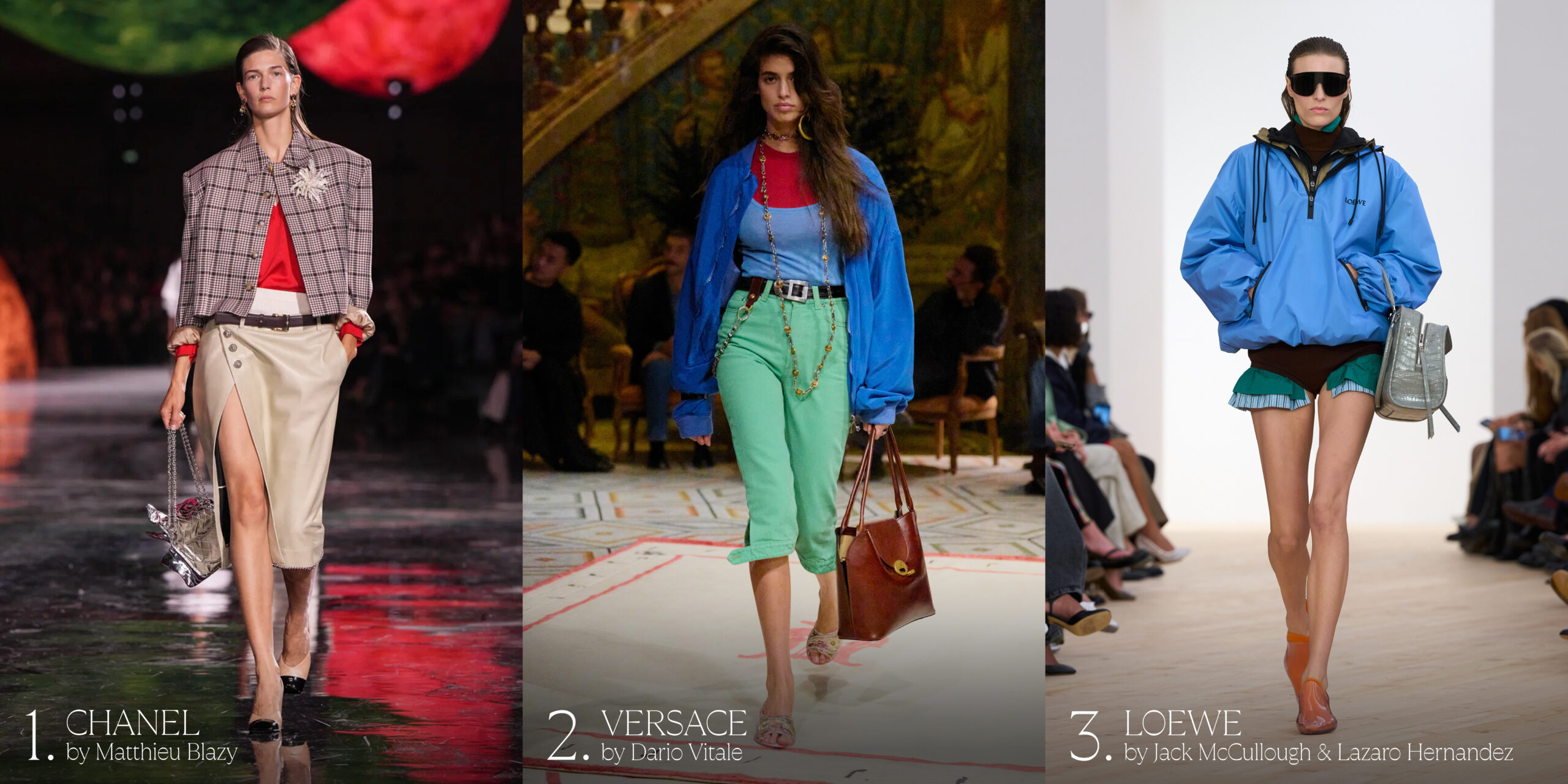
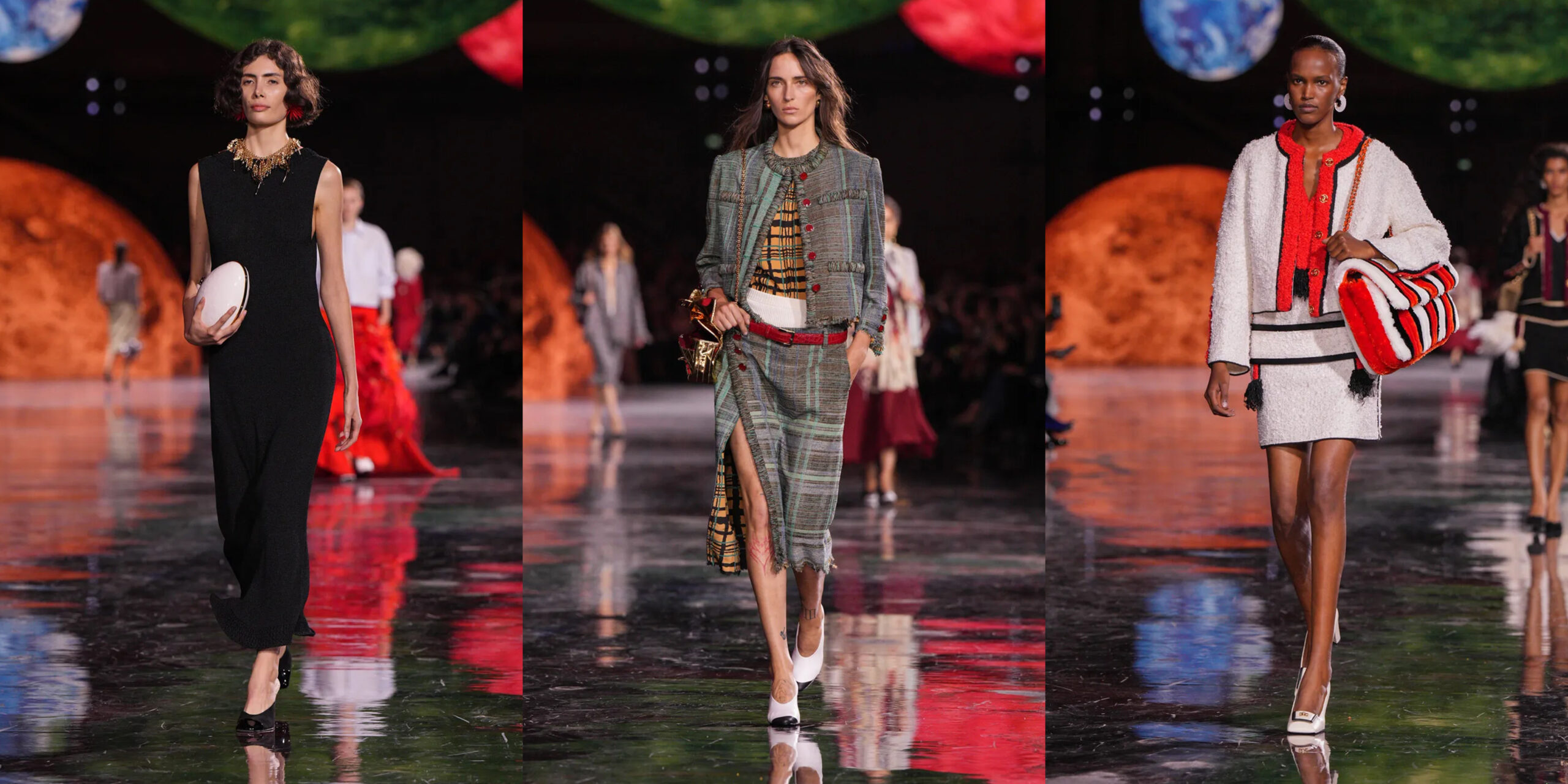
- Chanel by Matthieu Blazy: He nailed it. This was somehow both elegant, directional, beautiful, and above all, desirable. Blazy paid care to the house codes without losing himself, and did better than anyone could have imagined in the process. The set was amazing, the hair and makeup were great. In France, they love to say pas possible. Blazy showed that it is possible. Fashion is saved!
- Versace by Dario
Vitale: The biggest surprise, and one that made a lasting impression. There’s a chance to transform the business.
- Loewe: Jack McCollough and Lazaro Hernandez are two guys who were convinced for years that if they only had more money and resources,
they could fly. And they were right.
|
Photos: Courtesy of Dior, Jil Sander, Celine |
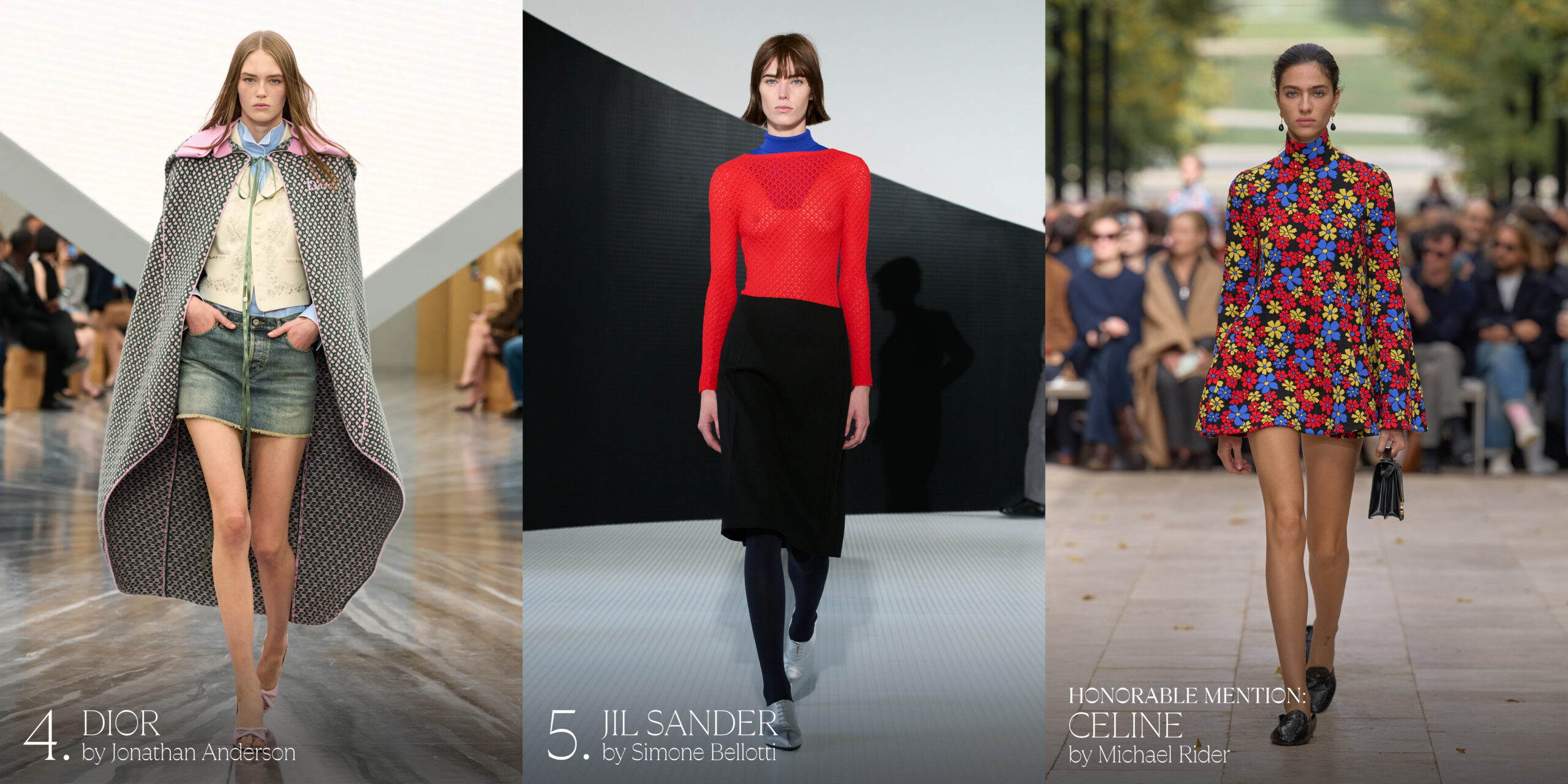
- Dior by Jonathan Anderson: Of the five collections I mention here, this is definitely the one I liked the least—and I wasn’t alone. I really wanted something more straightforward, closer to his proposition for men’s. But I still hugely admire the thinking that went into this—even if, ultimately, it didn’t totally satisfy. Let’s see if it sells.
- Jil Sander by Simone Bellotti: A thoughtful and measured debut that only a seasoned
designer who toiled behind the scenes for decades could pull off. The key here will be pricing. As Jil Sander herself said, cheap minimalism looks dirty. And yet, Jil Sander was never the most expensive brand. If they impart real value, striking a balance between playing to the luxury market and courting the people who will actually want to buy this collection, then it could be a big hit.
|
- Honorable mention: Celine by Michael Rider. This wasn’t a pure debut, but it was ultra chic and optimistic. It was also the collection I received the most feedback about from normal people, the ones who love it when clothes make them happy.
|
|
|
News and notes on the final shows of the season: Pieter Mulier’s beautifully commercial
Alaïa, Pierpaolo’s modern twist on couture, the Alessandro riddle, and Matthieu Blazy’s triumphant debut at Chanel. |
|
|
Paris made everyone nervous, given all the designers making their debuts at new houses, but also because of
what comes after: the judgment of the market. Not every runway collection is commercial, but it must at least fuel sales in one way or another. The question, of course, is whether the consumer is gagging for fashion anymore.
After two weeks in Milan and Paris, my conclusion is that the obsession with European fashion is less feverish than it once was, or ever will be. I am no longer convinced that Louis Vuitton will someday be a €50 billion-in-annual-sales business (after you adjust for
inflation). There are just too many things that consumers can spend money on, especially in China, where homegrown brands are going to emerge as real competitors, as has been the case in so many other creative fields. So far in 2025, the top-grossing film globally is an animated Chinese feature that was mostly distributed domestically and brought in $2.2 billion. The same will happen in this industry, eventually. |
Photos: Courtesy of Alaïa |
And yet, there was plenty of optimism during the last leg of shows, mostly because what constitutes success
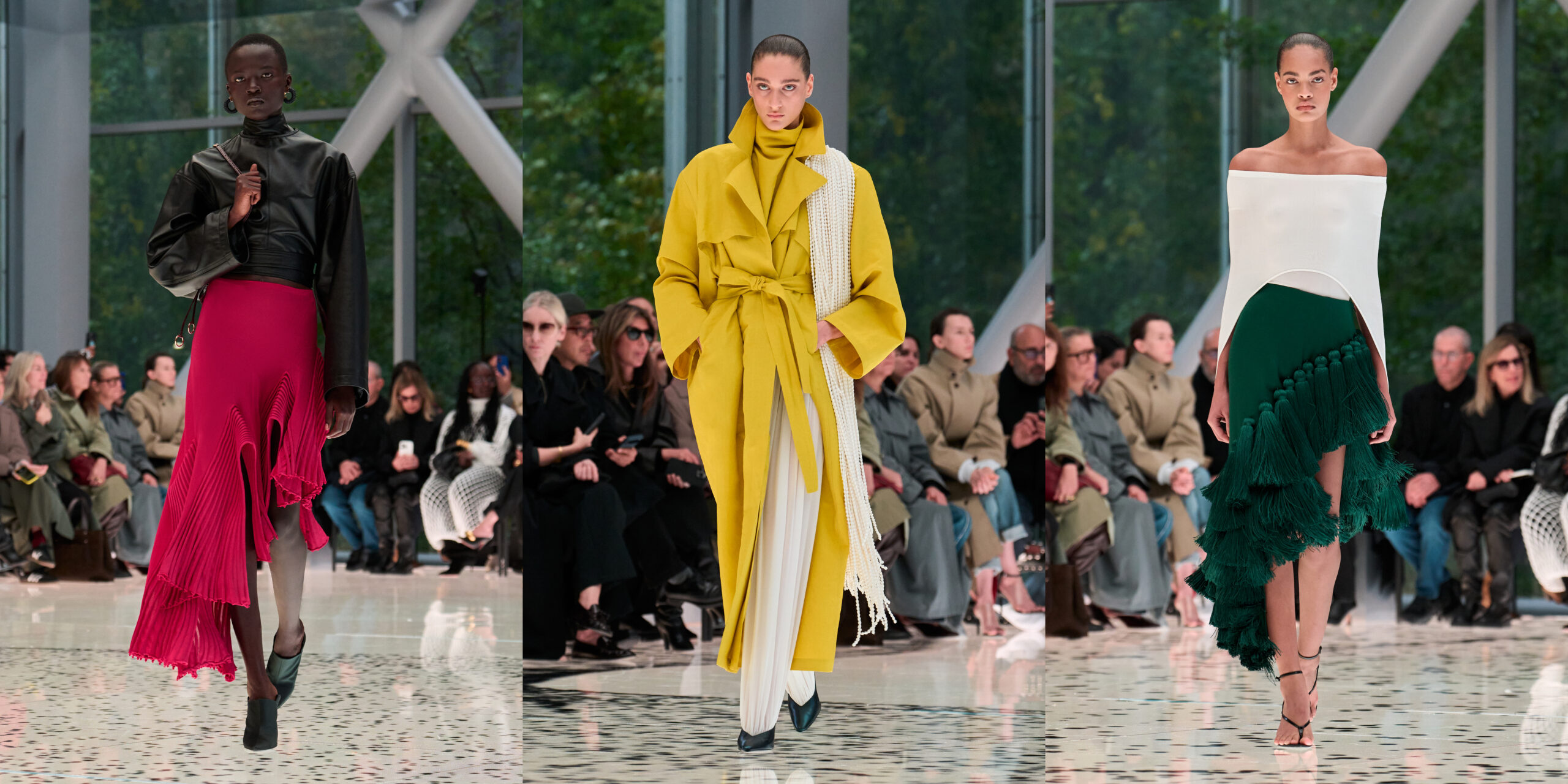
is changing. Richemont-owned Alaïa is still a relatively small business, but it has grown exponentially since the arrival of Pieter Mulier in 2021. In four short years, he’s managed to change the industry, or his corner of it anyway. Before Mulier, it felt as though brands like Alaïa had no chance commercially; they were overwhelmed by better-funded, more broadly distributed megabrands. Now, thanks to Alaïa’s critical and commercial success, there’s hope for makers of beautiful,
special things. |
|
|
A MESSAGE FROM OUR SPONSOR |
The refined BMW 7 Series is all luxury. With the ability to define your design, the ultimate glamour is yet to be.
Learn more at BMWUSA.com. |
|
|
On the runway, Mulier has grown more incisive with time: to me, it’s about the interaction of a garment and a
body. Sometimes it makes you uncomfortable, sometimes it makes you excited—sometimes, as Mulier said in his show notes, it’s about “clothes that make you cry.” Raf Simons, his former design partner, had tears streaming from his eyes as Mulier took his spin around what was formerly the Fondation Cartier, a glass building designed by Jean Nouvel and completed in 1994. (I’ve seen Simons cry more than any other grown man. I love him.)
The collection was
moving not only because of the dynamism of the presentation—a video streamed up from the gridded floor as the models walked through the two rooms—but because of the shape of the garments, which pulled like rubber bands around the body, constricting the arms or making the legs stiff, then freeing the limbs in certain outfits. This collection is going to sell like crazy. The asymmetrical trench, the wavy skirt, the leather jackets were all done in the right colors—pine, pink, citron. It was the
jolt we needed on a rainy Saturday morning to remember that there is more to fashion than product. |
Margiela,
Balenciaga, Celine & More
|
At Margiela, Glenn Martens is still trying to strike a balance between the creative and the
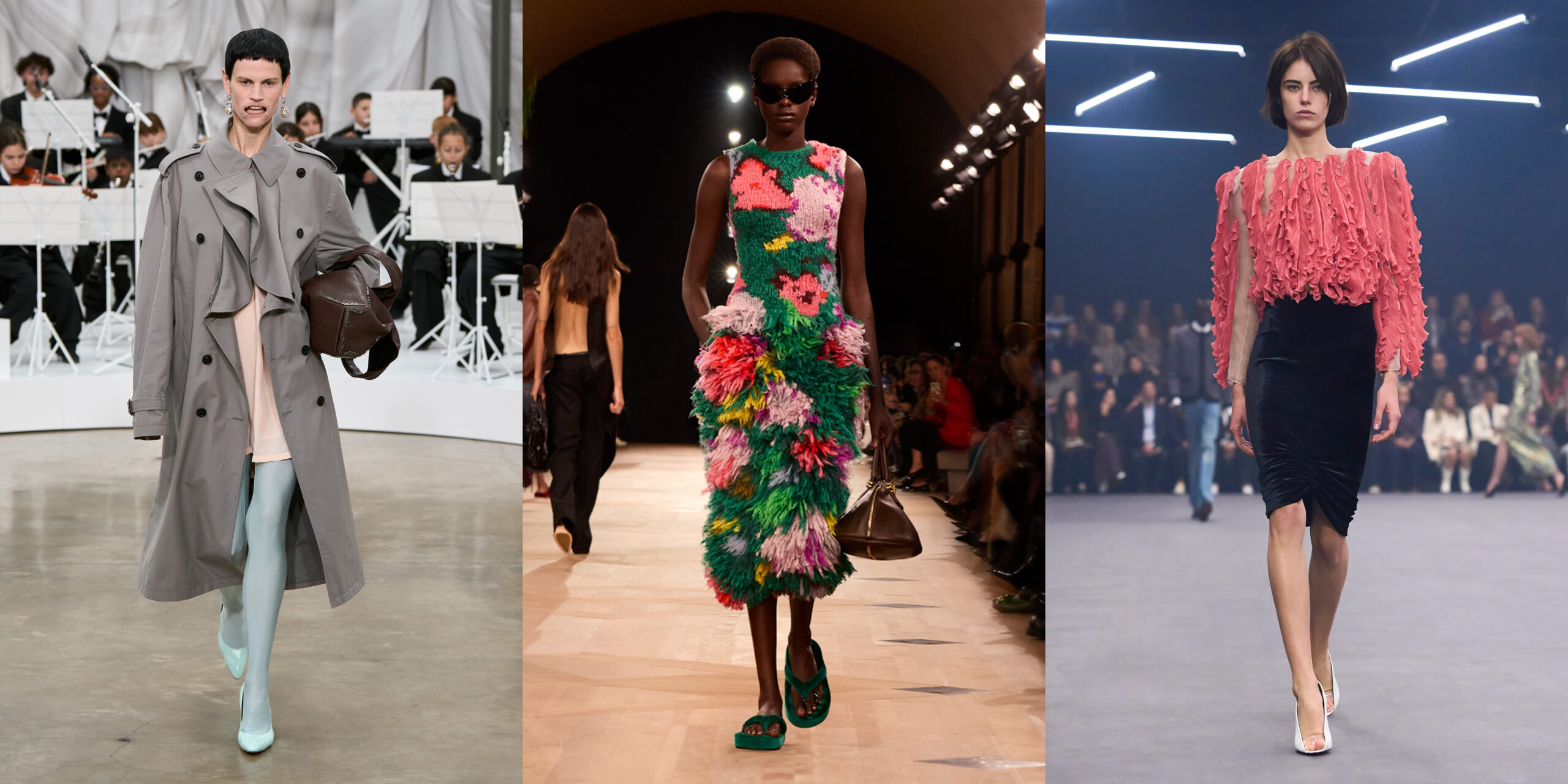
commercial. I liked his couture collection a lot, and I was doubly impressed by his recent collection for Diesel, which unfolded as a sort of Easter egg hunt on the streets of Milan. Martens is super smart—you can tell just by talking to him—and seems hyper-aware of the dynamics of the business. And yet, with this Margiela ready-to-wear debut, I felt he briefly lost the plot. The Four Stitch mouthpieces—which forced the model’s mouths agape—were affecting, but the clothes themselves, which he
said were “a series of concepts and proposals for real life,” didn’t give me a sense of what he thinks a modern Margiela should be. I wanted a bit more fantasy mixed with this reality.
At Balenciaga, Pierpaolo Piccioli faced the opposite problem. What I admired most about his work at Valentino was the way he modernized couture, and backstage in Paris, surrounded by family and friends—including Valentino co-founder Giancarlo Giammetti—he
talked about bringing couture elements to everyday life. I thought he achieved that, especially with the dress work, even if I would have preferred less of an effort to bridge the gap between the coolness of Demna and the prettiness of Piccioli. (The sunglasses and flip flops distracted from the beautiful clothes.) The most daring look was a dress knitted into an archival 1960s print. More of that, please. |
Photos: Courtesy of Maison Margiela, Balenciaga, Valentino |
In between Balenciaga and Valentino, now designed by Alessandro Michele (a show that
Giammetti also attended), all I could think was that we cannot expect more of these designers than they are capable of. They do what they do, and rarely reach another plane or take a different direction. We need to be more accepting of that, and figure out ways to make it viable. At Valentino, Michele pared things back, making it easier to see the clothes. They were, as always, beautiful, and I especially liked the tiered dresses and the open-top heels. This was something of a reset, but
the question remains of whether Michele’s Valentino will find its audience with a new C.E.O. in place. Here’s hoping. |
|
|
Sometimes, it’s just about meeting the moment, which Michael Rider is doing at Celine. It’s
so fun: the ’60s-floral minidresses, the black suiting, the nods to Phoebe with the white buttons. Everyone has their look that they want: a double-breasted blazer, a red turtleneck, loafers. (I’m partial to the taffeta miniskirts.) I can see him taking inspiration from the way our generation dresses now—vintage jeans, Charvet scarves, and a fancy pair of trousers—and making it his own. It looked like a real-life wardrobe, in part because Rider styled it himself this season. (If
you remember the amazing Ralph Lauren 50th anniversary show at Central Park, you’re already familiar with Rider’s prowess in that area, as he styled that, too.) |
Photos: Tom Shickle/Courtesy of Celine, Hermès, Jean Paul Gaultier |
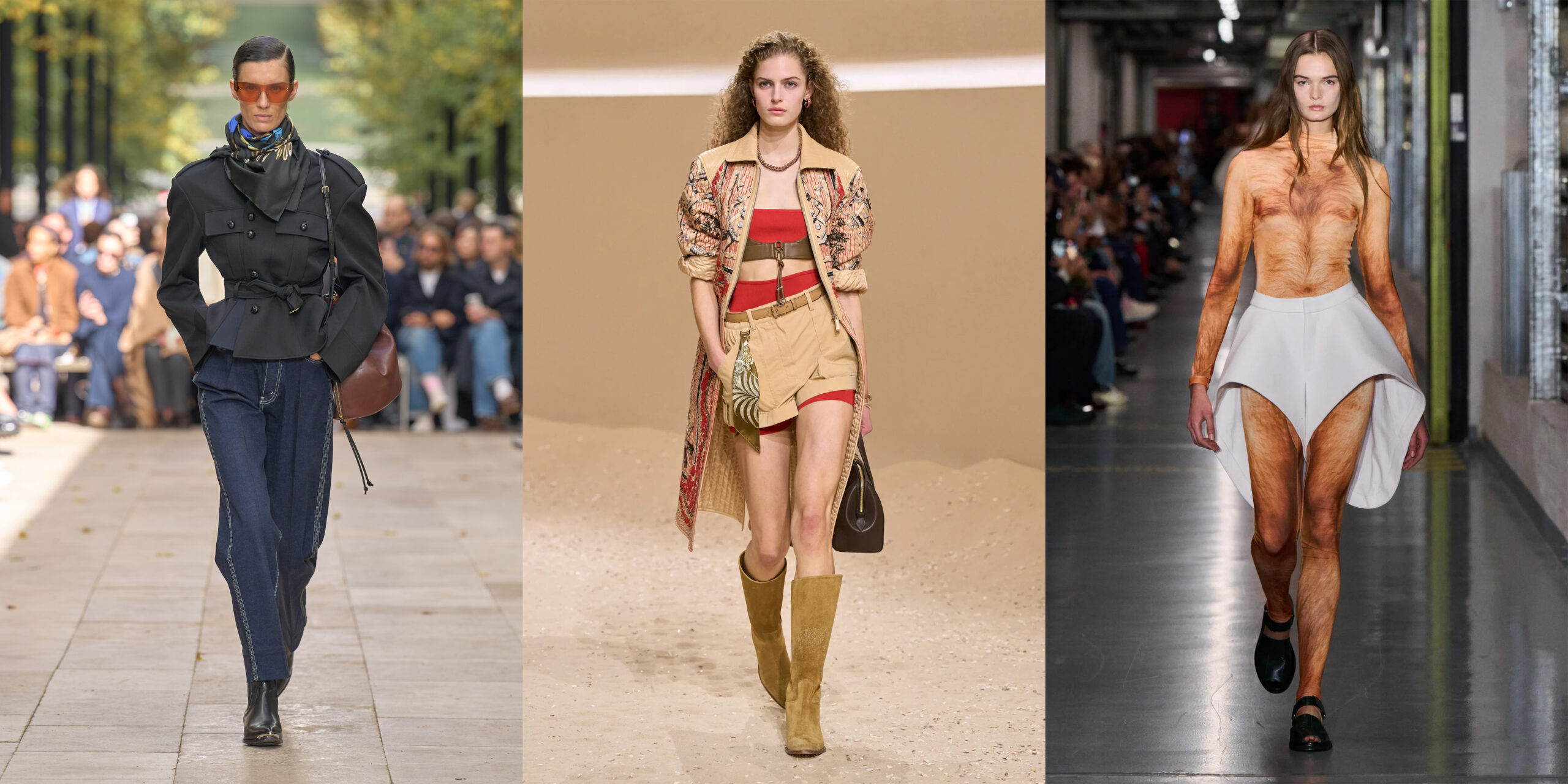
Alas, Duran Lantink, who made his debut as creative director of Jean Paul Gaultier on
Sunday, is far from reaching his limits. I wish this collection, which had a lot of vulgar trompe l’oeil—like the hairy, photorealistic body suit covering a slim model—was more than just commentary on the age of physical optimization. It would have been nice to see some clothes, too, because he’s good at making those. Seán McGirr sure made some great ones at McQueen this season. The low rise is coming for us, and Sean used the McQueen archives in the right way to address that.
(As for the whole narrative about sexy friends partying, sure, that tracks.) |
Photos: Estrop/Getty Images |
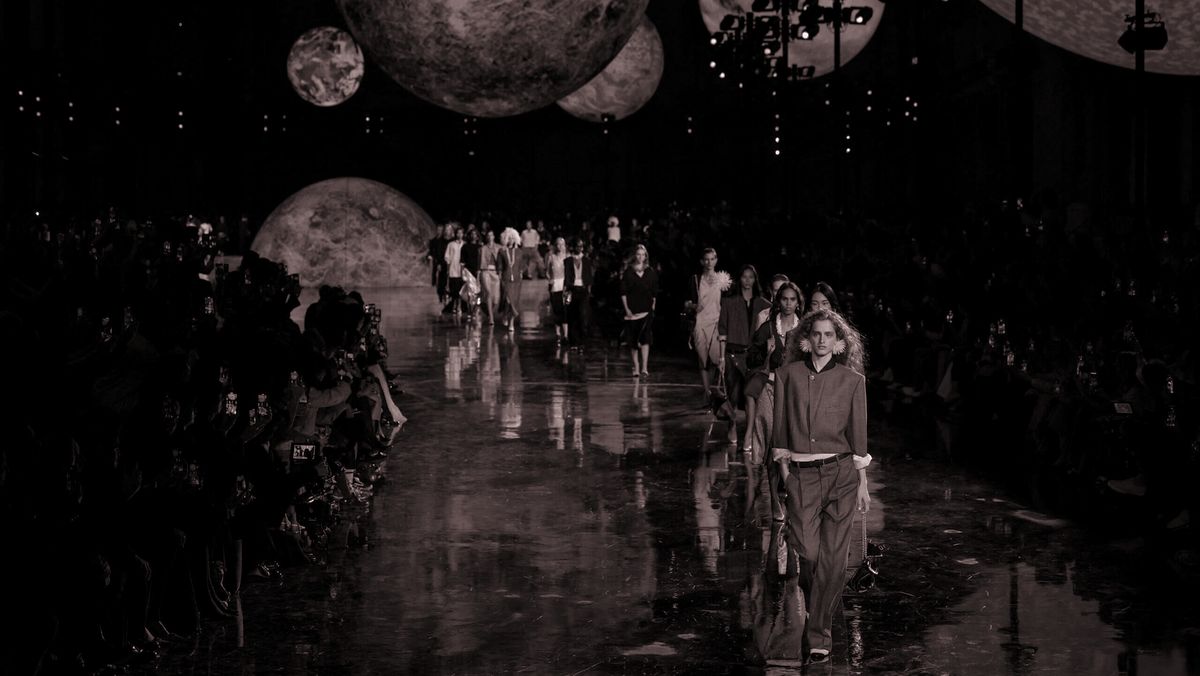
And finally: Holy cow, did Matthieu Blazy prove himself at Chanel. I heard whispers that it
was very elegant, that it looked nice, and that people were going to like it. And then I was blown away. All the technique Blazy honed at Bottega Veneta was applied here with a lighter, more sophisticated touch, from the larger-than-life set and the music of our childhoods (“I Don’t Want to Wait” by Paula Cole! “Rhythm is a Dancer”!) to the expert use of the house codes. He managed to work them all in—the dropped waist, the tweeds, the bags (no quilting though),
the box jacket—in a trope-free way that didn’t ever feel overworked. Of course the shoes and bags were good—Chanel’s always are—but what was truly impressive was how Blazy defined the silhouette and refreshed familiar ideas about how to dress. If Jonathan Anderson is depicting the dark side of fashion, with the horror screams coming out of an Adam Curtis doc, Blazy is the light, using the theme song to Dawson’s Creek to narrate his runway full of truly
beautiful, truly desirable clothes. No wonder everyone is freaking out. |
No reading list today. Sleep well! More tomorrow,
Lauren
P.S.: We use affiliate links
because we are a business. We may make a couple bucks off them. |
|
|
Need help? Review our FAQ page or contact us for assistance. For brand partnerships, email ads@puck.news. You received this email because you signed up to receive emails from Puck, or as part of your Puck account associated with {{customer.email}}. To stop receiving this newsletter and/or manage all your email preferences, click here. |
Puck is published by Heat Media LLC. 107 Greenwich St, New York, NY 10006 |
|
|
|