{{ 'now' | timezone: 'America/New_York' | date: '%b %d, %Y' }} |
|
|
|
Greetings from Los Angeles, and welcome back to In the Room. The Justice Department said
late Friday that it will not block David Ellison’s merger of Paramount Skydance and Warner Bros. Discovery, arguing that the $111 billion deal will improve competition and “benefit consumers and workers.” Congrats, David, you’re almost there.
Also, congrats to Lachlan Murdoch. The Fox Corp board has extended his contract through 2030 and raised his target annual bonus to $9 million and his target annual equity award to $20 million. Not
bad! Lachlan will be celebrating tonight at the U.S.A. vs. Paraguay opener at SoFi.
In tonight’s edition, Julia Alexander dives into the burgeoning business of health and wellness news, where the Times, CNN, and other legacy players are launching new verticals and renting or acqui-hiring influencers. Indeed, for many, creators may be the only path to meaningful growth.
🎙️ Plus, on the latest episode of The Grill Room, Julia and I relived the
Knicks’ instant-classic Game 4 win at MSG and broke down the cultural spectacle of Celebrity Row. We also dove into the latest seismic shocks in the creator economy: CAA and Integrated Media’s $250 million venture, Billy Parks’s Creator Studios at Fox, and the Times’s Substack plan. Follow The Grill Room on Apple,
Spotify, or wherever you prefer to listen.
🗓️ And!…: Stay tuned for forthcoming Grill Room appearances from Versant C.E.O. Mark Lazarus and P.R. disruptor Lulu Cheng Meservey.
📣 Reminder: The Wednesday
issue of In the Room will be exclusive to Puck’s Inner Circle tier starting next week, with my June 17 send. Don’t forget to upgrade your subscription for access to all of Puck’s most exclusive insider reporting, plus access to our sister publication, Air Mail. It is well worth it, and you can afford it. Join here. |
|
|
|
A MESSAGE FROM OUR SPONSOR |
|
|
|
Also mentioned in this issue: Meredith Kopit Levien,
Mark Thompson, Stephen Colbert, Jimmy Kimmel, Jimmy Pitaro, Dana Walden, Jimmy Fallon, Haim, Alex MacCallum, Choire Sicha, Ben French, Andrew Huberman, Peter Attia, Mark Hyman, Sanjay Gupta, Andrew Potter, Tara Parker-Pope, Katelyn
Jetelina, and more. |
|
|
|

| Julia Alexander
|
|
- Kimmel’s Colbert
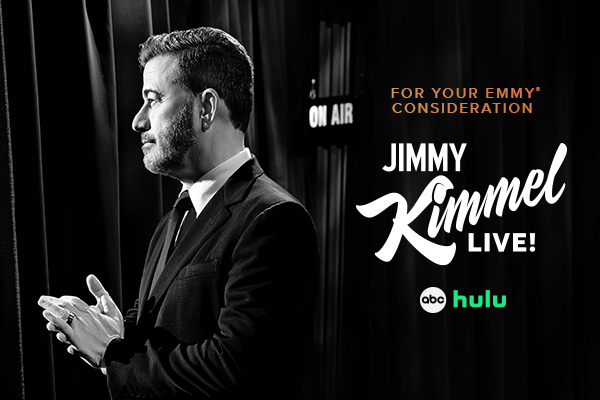
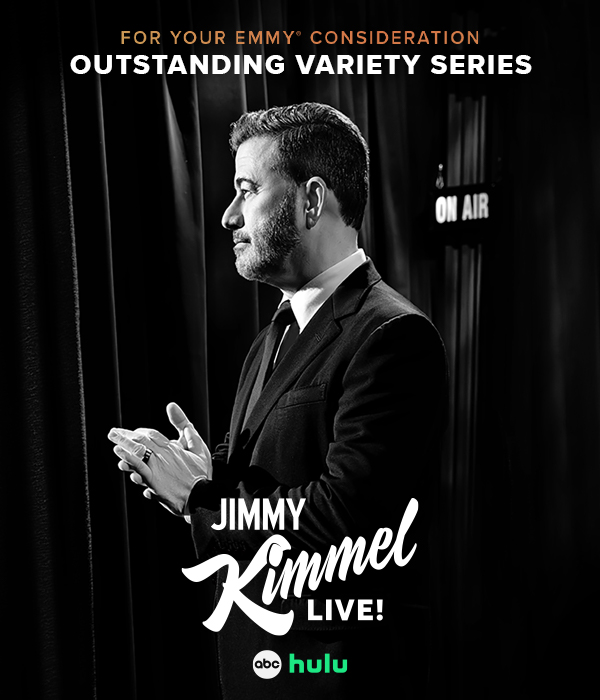
win: My partner Matt Belloni has a fascinating new look at how and where Stephen Colbert’s late night audience is migrating now that Colbert is officially off the air. The big winner? Jimmy Kimmel. As Matt points out, it’s still early days, and some of those Kimmel numbers are
certainly juiced by the NBA pandemonium playing out right now. These past few weeks have been just as big a win for ESPN’s Jimmy Pitaro as for Kimmel and Dana Walden.
But even before the Knicks and Spurs started battling it out in the finals, Kimmel was seemingly onto something. “Kimmel had been consistently crushing Jimmy Fallon during the first two weeks of head-to-head competition between ABC’s Jimmy Kimmel Live! and NBC’s
The Tonight Show Starring Jimmy Fallon,” Matt noted. “And Kimmel is up compared to the same week last year, which also featured the NBA Finals, though not the Knicks and multiple Haim sisters.” So what’s the big takeaway? It’s not that linear TV is being brought back from the dead—sports has always been the format’s last bulwark—but late night TV may still have legs. Comedians like Kimmel and Fallon just need better lead-ins. And that’s particularly difficult when
networks and studios are sending their best programming to their own streaming platforms… or selling to Netflix. - How to make money on the internet: Billy Parks, the head of Fox’s relatively new creator accelerator program, gave me a succinct explanation of his remit last week: “We’re trying to make money on the internet.” More specifically, Fox Creator Studios is designed to identify and develop I.P. that can be platform agnostic,
rather than just ported over to Fox One. It may sound outlandishly simple in 2026, but it took years for Hollywood—and media at large—to understand that the winning play isn’t always to divert audience attention to owned-and-operated platforms, but to work with creators on their native channels.
To wit: Just this week, CAA and TPG’s Integrated Media announced a $250 million fund that will invest in creator talent without trying to necessarily bring those creators into a traditional media
ecosystem. (Usual disclosure: TPG is a Puck investor.) Theoretically, this helps YouTube, which clearly isn’t going anywhere; neither are creators. It’s time to either hitch a ride, or get left in the dust. (You can read more from my conversation with Parks here.)
|
|
|
|
And speaking of creators… |
|
|
|
CNN is chasing The New York Times to tap into the wellness-obsessed world of
peptides and GLP-1s as its next great subscription engine. Can legacy media compete with an army of TikTok doctors? And, perhaps more to the point, should they? |
|
|
|
Last summer, during a long conversation about her business, New York Times Co. C.E.O.
Meredith Kopit Levien told Dylan and me that the paper was more than happy to keep investing in the sort of soft wellness coverage their readers were devouring alongside more serious health news: sleep hacks, personal essays about GLP-1s, investigations into various Chinese peptides. “Being strong in those lifestyle spaces helps us bring more people into the mix, helps us attract people we might not otherwise have a way to get to,” she said
candidly.
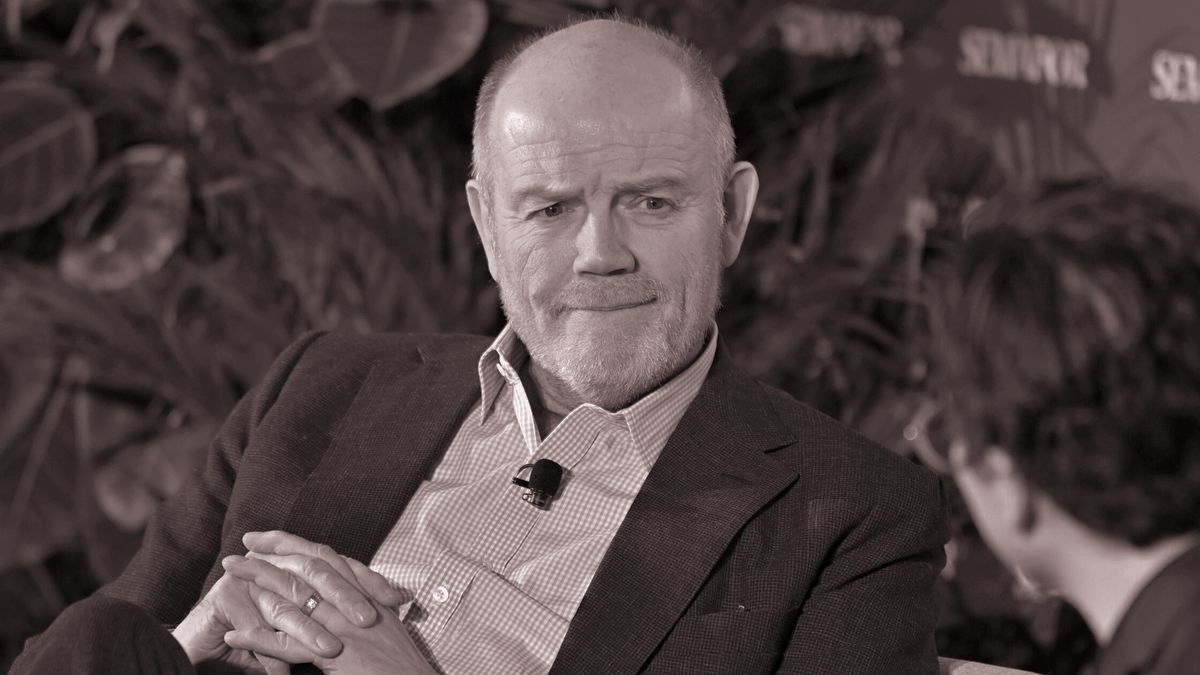
She’s not the only one who’s chasing, or perhaps re-chasing, wellness coverage. CNN’s Mark Thompson, who led the digital transformation at the Times, is now trying to run a similar playbook at CNN, leveraging lifestyle content to drive subscriptions to its new premium app. In August 2024, Thompson argued that “health, wellness, and living longer are news,” while framing the category as vital to CNN’s future, alongside business,
tech, climate coverage, and other more-traditional areas. Last year, Thompson and Alex MacCallum, CNN’s digital chief, brought in Choire Sicha from the Times’s Style section to help oversee new soft news verticals, specifically wellness.
The audience for this specific interest is pretty undeniable. The global consumer wellness industry has nearly surpassed $2 trillion per year, according to McKinsey. In the U.S. alone,
the wellness industry is growing by 10 percent per year, and 84 percent of U.S. consumers consider the topic a priority in their daily lives. (Longevitymaxxing, of course, has been a longtime Silicon Valley tick that’s drifted eastward.) Studies have shown that about 5 percent of all global Google Search queries are related to health or wellness, equating to about 1 billion searches every day. |
|
|
|
A MESSAGE FROM OUR SPONSOR |
|
|
|
For newsroom executives, wellness is an obvious path to engagement, but do readers actually want
wellness content from legacy players? More than half of Gen Z consume wellness and health content from influencers, largely via shortform video apps like Instagram and TikTok, per a recent Pew Research report. And while most news consumers get their information from platforms like X and YouTube, more than 80 percent of Gen Z wellness consumers primarily rely on Instagram. This creates an opportunity—and additional hurdles—for media companies trying to reach these audiences and
capture their dollars. |
Out-Influencing
the Influencers
|
In a field dominated by homegrown stars, from neuroscientist Andrew Huberman to
the Glucose Goddess, the most obvious wellness strategy for legacy media is also the most difficult to pull off: creator partnerships. But as it turns out, it’s not so easy to just hire the talent, either. Bari Weiss tried to bring on Peter Attia, a doctor and well-known longevity expert with more than 10 million followers across YouTube and Instagram, at CBS News, but they parted ways following a controversy over his relationship with Jeffrey
Epstein. (In retrospect, this was a modest crisis in Weiss’s growing oeuvre.) Weiss stuck with the instinct, however. She is still working with Huberman and physician/author Mark Hyman to “widen the aperture of stories we tell,” she said in a press release.
Misinformation is rampant in the social media health space, putting a greater premium on authority and creating an opportunity for established and trusted news brands. Outlets like the Times can
counter that misinformation. As Levien told us last summer, the Times views wellness and health as “important coverage,” adding that the publication can approach the subject in a “rigorous” way.
But none of that rigorous reporting matters if people aren’t reading it. This is less of a problem if you’re Levien—New York Times subscriptions are up about 25 percent over the past two years—but it constitutes a headache for everyone else. CNN, on the other hand, has struggled
to launch its premium app and turn its new journalistic hires into video personalities. CNN’s Sanjay Gupta, who is working on more-exclusive content for its streaming app, is a huge talent, and he narrated much of the early Covid crisis for wealthy educated coastal elites who were marooned in their homes, consumed by anxiety. But he isn’t the type of personality that younger audiences are chasing—especially when most of the wellness content they’re consuming is
free.
Clearly, the company is thinking about how to integrate more digitally native creators into their entire product. Last October, CNN International launched its CNN Creators desk, helmed by Vice’s former senior editorial producer Andrew Potter. The operation focuses on creating content for shortform platforms and brings those journalists back into the main CNN International feed with a dedicated show.
Indeed, practically every major news organization is trying
to find its footing here. The Washington Post launched its Well+Being vertical in 2022 following the pandemic and increased interest in health coverage. They even brought over the founding editor of the Times’s Well blog, Tara Parker-Pope, to lead the section. She’s now gone, and Well+Being has been folded under WaPo’s WP Ventures division—otherwise known as the “third newsroom,” a killing field that was originally designed with creator
partnerships in mind.
For many of these health-focused ventures, creators may be the only path to meaningful growth. This is because readers and audiences want hyper-personalized content. It’s no longer good enough to have widely appealing articles because the algorithms that serve up videos are now hyper-personalized, too. No newsroom can hope to achieve that with reporters alone.
This dynamic again highlights the importance of influencers, who bring their audiences with them.
The quickest solution for newsrooms in need of health and wellness creators may turn out to be the Substack acqui-hire… even if they start as simple, low-stakes licensing deals. Authors like Katelyn Jetelina, who writes the popular, pandemic-boosted Your Local Epidemiologist, lead the science rankings with more than 400,000 subscribers. Her focus, primarily on public health and disproving misinformation, could line up very well with, say, CNN.
Legacy media isn’t
going to compete with the top voices on social and shortform video platforms, but they can integrate into those channels and validate the most authoritative voices to create a health and wellness destination that audiences can trust. In an era of A.I. slop and social media misinfo, that may be the last defining difference. Unfortunately, given all the competitors in the space, there aren’t enough to go around. |
|
|
|
Puck founding partner Matt Belloni takes you inside the business of Hollywood, using exclusive reporting and insight
to explain the backstories on everything from Marvel movies to the streaming wars. |
|
|
|
A professional-grade rundown on the business of sports from John Ourand, the industry’s preeminent journalist,
covering the leagues, players, agencies, media deals, and the egos fueling it all. Plus, the latest intel from Eriq Gardner on the sports legal beat. |
|
|
|
Need help? Review our FAQ page or contact us for assistance. For brand partnerships, email ads@puck.news. You received this email because you
signed up to receive emails from Puck, or as part of your Puck account associated with {{customer.email}}. To stop receiving this newsletter and/or manage all your email preferences, click here. |
Puck is published by Heat Media LLC. 107 Greenwich St., New York, NY 10006 |
|
|
|
|