{{ 'now' | timezone: 'America/New_York' | date: '%b %d, %Y' }} |
|
|
Hi, and welcome back to Line Sheet. We have been blessed with great weather in Milan this week.
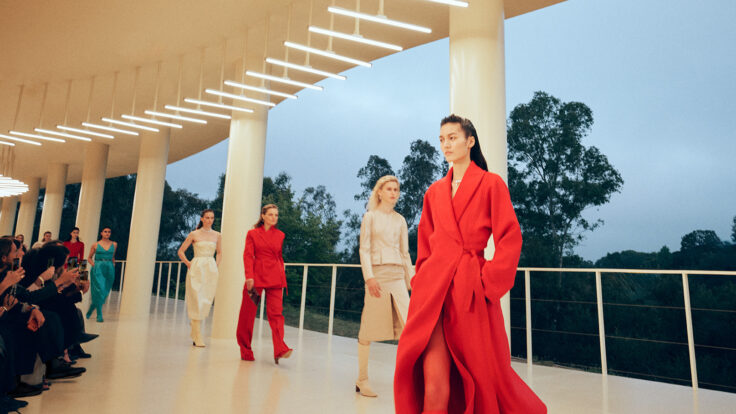
And good fashion, too. Today, you’ll find reports from Marni, Loro Piana, Emporio Armani, and of course, Gucci, where Demna made his runway debut. I also make a declarative statement about bags. And Sarah Shapiro is here with a look at what people are actually buying in stores at the moment. Other than tights, my prediction is that stirrups and the skirt suit will be all over the high street (sigh, what an antiquated term) this
autumn.
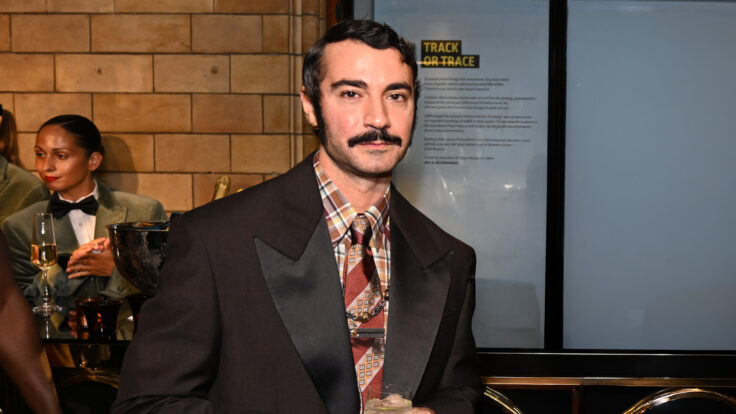
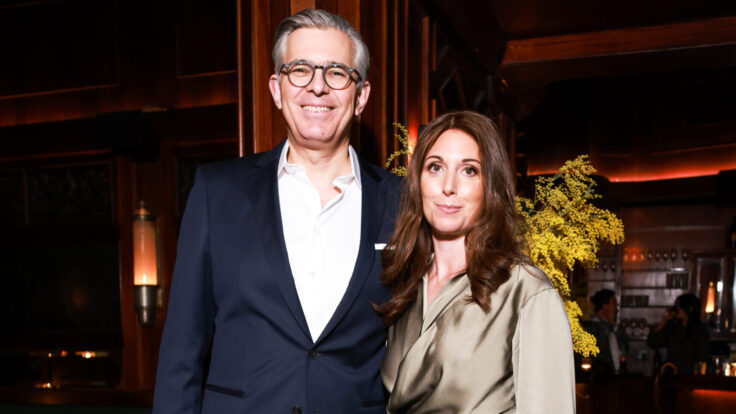
Meanwhile, I just wrapped our cocktail party with Malo and the company’s still-new C.E.O., Michelle Kessler-Sanders, at The Wilde. Michelle has really seen it all: This morning, we were discussing her early 1990s days working at Calvin Klein in the P.R. department (yes, with C.B.K. and Paul Wilmot) and her time, many years later, running the Calvin Klein collection business while
Raf Simons, Pieter Mulier, and Matthieu Blazy were in charge. With Malo, an Italian knitwear-first brand that was virtually dormant in the U.S. before she joined this past June, Michelle has identified opportunity in a post–peak luxury world. Thanks to everyone who came out to say hi, reminisce about the past (Charlotte! Daniella! Sara!
Luca Solca!), and consider the future.
Also mentioned in this issue: Gigi Hadid, The RealReal, Tom Ford, Leo Dell’Orco, Kirna Zabête, Trish Wescoat Pound, The Row, Prada, Beth Buccini, Dôen, Silvana Armani, Nuuly, Michael Rider, Alessandro Michele, Loro Piana, Meryll Rogge, Kate Moss, Lili
Chemla, Andrew Rosen, Dave Hayne, and more… |
Many Things You Should Know…
|
- Demna’s
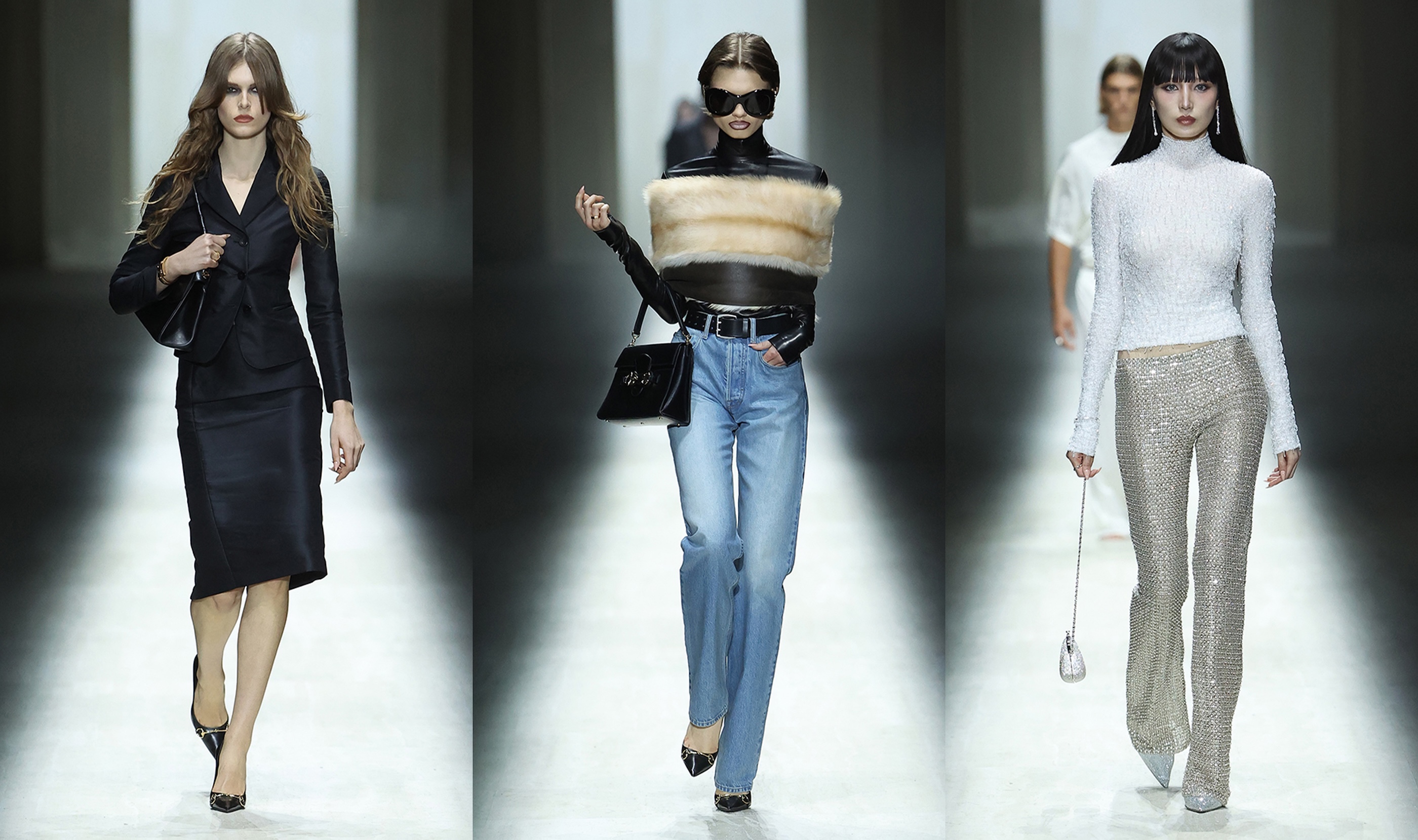
meta-Gucci: A while back, I was talking about the future of Gucci with a fashion designer who said, “Gucci no longer has a soul.” But do any brands really have a soul? That’s just a lie we tell ourselves to justify our obsession. Fashion is emotional, but the idea of luxury is a construct, one that Demna, Gucci’s new creative director, has spent much of his career interrogating and challenging. For years, he sold hundreds of millions of dollars’ worth of clothes and accessories by exposing
fashion for what it really is: clothes. That made a lot of people uncomfortable. However polarizing he may be, there’s no denying that Demna, along with former Gucci designer Alessandro Michele—who sat front row today, between the Hilton sisters and Donatella Versace—were the two most influential designers of the peak luxury era.
Can Demna succeed at Gucci, where he has to sell billions of dollars’ worth of clothes and
accessories? The company’s revenue has virtually halved over the past four years, and no one collection is going to change that, even if it’s “See now, buy now,” as many of the accessories, and some of the clothes, were today. And yet, it needs to work. No matter how you slice it, Kering is Gucci, and Gucci is Kering… It used to be called the Gucci Group, after all. Even if group C.E.O. Luca de Meo would like Bottega Veneta and Saint Laurent to pick up some of the slack, most of
the company’s profits come from Gucci and will continue to.
|
- For his
debut runway collection, Demna showed a meta-Gucci; months of researching the Tom Ford and Michele eras led up to this, which filched looks straight from Ford’s runways and ideas straight from Michele’s but debased them in Demna’s own, cynical way. The tacky travelers carrying Gucci shopping bags on the elevator up to the business class lounge were there. So was the guy wearing the crossbody logo pouch at the nightclub in Astoria. The men of the show were purposefully vile
looking, the women purposefully crass. All the models—Karlie Kloss, Kate Moss, Emily Ratajkowski, among them—walked in their own way: some fast, some slow, some with attitude, some with a blankness. (They were coached by movement specialist Pat Boguslawski and cast by Piergiorgio Del Moro.)
It was, if nothing else, deranged and entertaining, but also… I liked the clothes. Especially the women’s suiting at the beginning
and the crystalized garments at the end. The question, to me, is whether the accessories—super-straightforward heels for kicking someone in the shins, ultra-structured bags—are enough to at least reignite the machine. If the Chinese middle-class consumer really is coming back, Gucci must win them over. At the aftershow scrum, Demna looked exhausted. “I am so happy this is done,” he said. “But I don’t know how I can do it every time now.” We all laughed, and so did he: “I hope I made you feel
Gucci today.”
|
|
|
A MESSAGE FROM OUR SPONSOR |
The Maison is delighted to present the Dance Reflections by Van Cleef & Arpels Festival, returning to New York for
the second time from February 19 to March 21, 2026. Discover some twenty performances at this contemporary dance event presented in collaboration with prestigious institutions. |
|
|
- Meryll’s
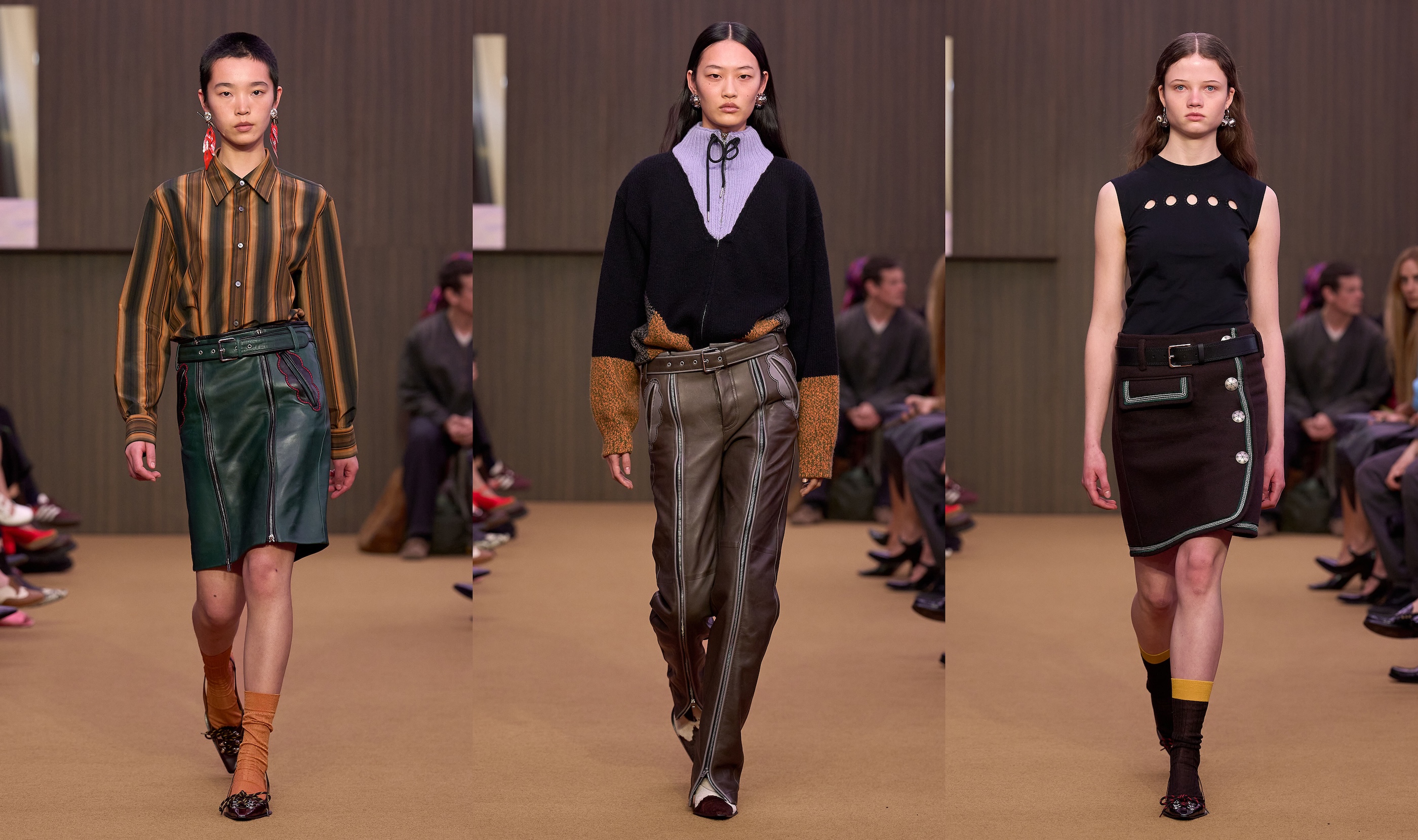
Marni remix: It’s hard to follow up a great Prada show, especially when you’re the new designer at Marni, two brands that were very much in conversation with each other in the 1990s. But Meryll Rogge did more than fine showing just a few hours after Raf and Miuccia, using some of the same principles of piecemeal dressing.
|
- Backstage,
Rogge said she never designs a head-to-toe look, but goes item by item instead. She was a teenager when Consuelo Castiglioni’s Marni cult developed, so perhaps it’s no surprise that she created a collection that looked as if she had raided a charity shop that only sold that one brand. It was right that Rogge should go back to the core of what made Marni so addictive to its rabid fan base. I liked all the little details: the silver buttons on jackets, the shag on the quarter-zip,
the beat-up metal earrings. I would also love to forget the art project that came between her and Castiglioni, who left in 2016 after the brand was acquired by OTB. Rogge is making that easy for me.
|
- A
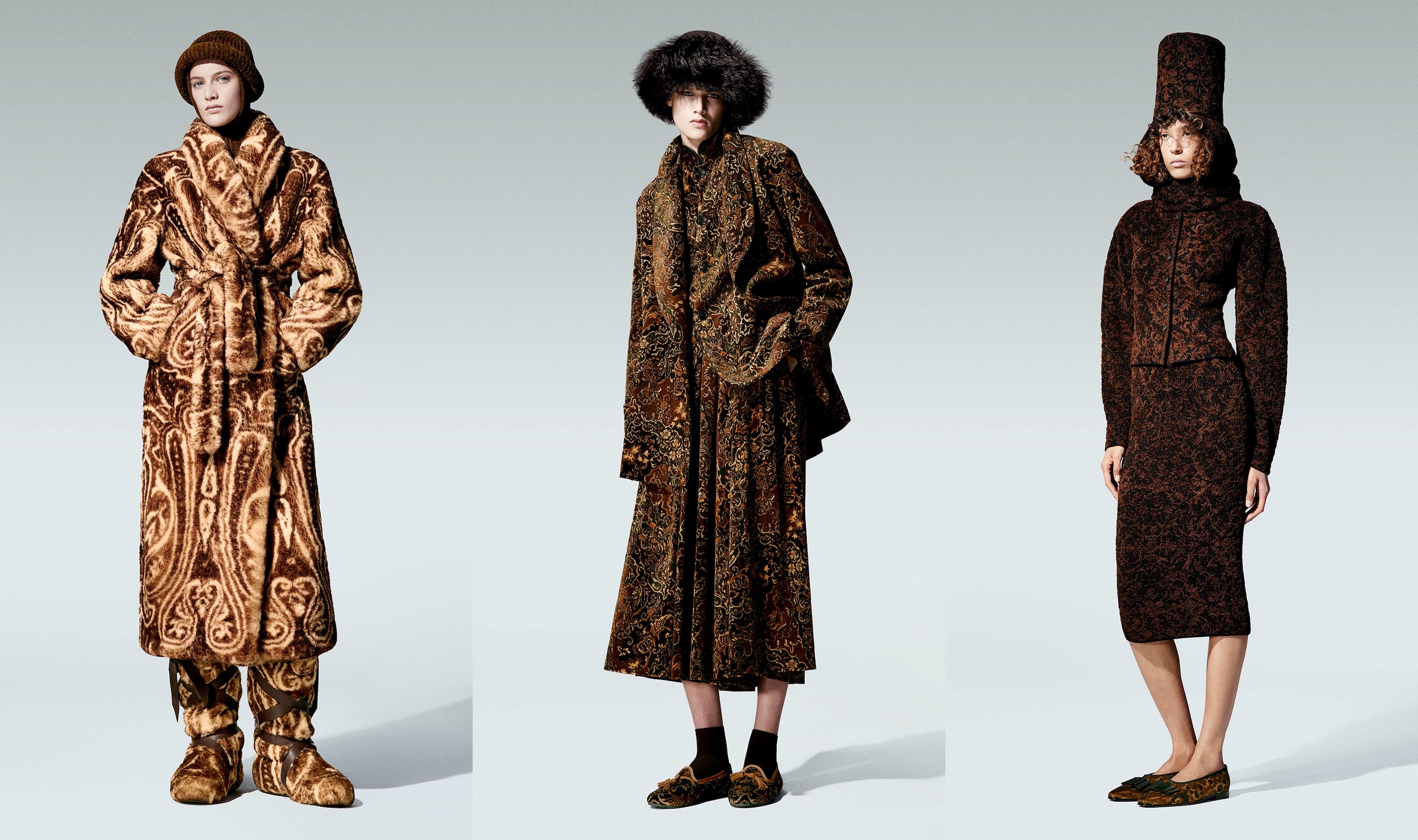
rich text at Loro Piana: Everything about Loro Piana is anonymous, from the people designing the clothes to the faceless mannequins all the way down to the poems written expressly for Friday’s presentation at its Milan headquarters. The collection was, in part, train-travel inspired: Everything was plush and tapestry-like, with paisleys, velvets, and plenty of fluffy
double-faced cashmere. Convenience or coincidence, there are always synergies at conglomerates. LVMH also happens to own a 50 percent stake in the long-distance train service Orient Express.
|
- But
really, LVMH has spent the last decade-plus building the Loro Piana brand into something meaningful. Prior to the group controlling the business, the then-family-run cashmere company was more of a yarn supplier, less of a fashion brand itself. In the early days of the LVMH takeover, it made sense to keep things faceless: Attaching a designer personality to the project would have caused confusion. But the brand is established enough at this point that it might be worth bringing someone compelling
into the mix who could tell an even richer story, while also serving as a spokesperson. The approach works well for Hermès, Brunello Cucinelli, and other formidable competitor brands. Just a thought.
|
- A
few new sets of eyes at Emporio Armani: Designers Leo Dell’Orco and Silvana Armani took a bow at the brand’s lovely show on Thursday, but there were additional folks behind the scenes lightly touching the gorgeous-if-steadfast collection, which featured lots of jewel tones, velvet, and doubled-up models in typical Armani style. I’m told by multiple sources that the company used both a stylist and a casting director for the show for the
first time. It’s clear that Armani does not want to shake things up in the short term, but rather offer continuity amid subtle changes. I like how they are handling this transition period, but I suspect there will be more significant developments on the image-making front sooner than later.
- The bag crisis: The spotlight on accessories at the Gucci show reminded me of something I’ve been wanting to say: Nobody wants to carry a purse anymore.
It’s not that we don’t want to buy bags, or that bags are too expensive—it’s that bags are unnecessary. I am finding that many of my most fashionable, chicest friends would rather carry their money clip or tiny wallet and their phone in… wait for it… their pockets!
Bags are ugly. Bags communicate too much about status. Bags are heavy. Bags are annoying. I buy coats with giant pockets now so that I don’t have to carry a bag. (This is a Sunday newspaper trend story if I ever did
see one.) Please, everyone needs to acknowledge that bags are out of fashion, and hopefully that’ll help explain away some of the luxury crisis.
|
|
|
A MESSAGE FROM OUR SPONSOR |
The Maison is delighted to present the Dance Reflections by Van Cleef & Arpels Festival, returning to New York for
the second time from February 19 to March 21, 2026. Discover some twenty performances at this contemporary dance event presented in collaboration with prestigious institutions. |
|
|

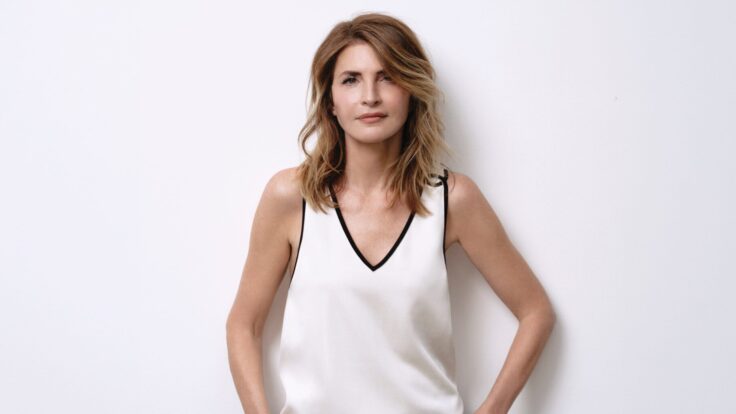
| Sarah Shapiro
|
|
- Nuuly’s night out: Urban
Outfitters reported earnings on Wednesday, and the headline is that Nuuly, the rental subscription subsidiary, is gaining traction with Gen Z, which accounted for 35 percent of new subscribers. Overall, Nuuly’s subscriptions grew by 50 percent in 2025, surpassing 400,000 active subscribers (nearly 70 percent of whom report never having tried rental before). Nuuly, under the guidance of president and C.T.O. Dave Hayne, benefits from a structural advantage over competitors like
Rent the Runway: direct access to inventory from Urban Outfitters, Anthropologie, and Free People.
The earnings report demonstrated strength across the company’s portfolio, with especially promising results from Free People wholesale. URBN increasingly looks like a retailer with a clear vision of its business. Q4 and full-year results delivered record sales and operating profits despite tariffs. In fact, margins strengthened thanks to fewer markdowns—a retailer’s ultimate goal. That takes
discipline and appealing inventory. The stock popped around 6 percent on Thursday before falling again. - The RealReal rises: The flywheel is accelerating at The RealReal. During its fourth-quarter earnings call this week, the online reseller announced that 40 percent of new consignors now come from its existing buyer base, as shoppers increasingly become sellers, a virtuous cycle that the company sure hopes will continue. Gross merchandise
value is expected to outpace revenue growth in early 2026—a dynamic explained by jewelry’s lower commission rates but higher dollar returns.
The RealReal, and resale in general, continues to be an entry point for buying luxury and designer, with big-ticket items like fine jewelry and watches driving a selection mix lately. Though these higher-value items carry lower margin rates, they generate stronger unit economics and attract stickier consignors who see resale as a smart investment
strategy.
|
|
|
With spring banging on the door, Resort hitting the shelves, and customers looking to
stretch their purchases, the savvy retailer knows that layered looks are moving at the moment. Plus, scene reports from Dallas, Palm Beach, and Litchfield. |
|
|
Something clicked for me watching the Prada runway progression on Thursday—15 models, 60 looks, the pieces
layered and stacked like a Matryoshka doll. As a former buyer, I recognized it immediately. That’s how you build an assortment, and that’s how you get a customer to buy eight pieces instead of two. Right now, that’s the strategy and sensibility behind what’s actually selling in stores and online. (Michael Rider at Celine is working with the same template.) Whatever the headlines say about the economy, the customer is still shopping. I heard it across the board this week. And
they are buying pieces that work harder, easily layer, and last longer than a single look.
With March approaching, the best-performing items are transitional and can work across contexts and seasons—layered now, worn alone later. At Hill House Home, crochet dresses are outperforming the rest of its ready-to-wear in warmer markets, as the brand continues to establish itself beyond just being
known for the Nap Dress. At Dôen, the Nico leather jacket generated early waitlist activity and pairs with other top sellers like the Lavon pant, a brand favorite the team continues to evolve with new fabrics and details after last year’s success with silk shorts. Shirting is selling well for TWP—the
5-year-old brand Trish Wescoat Pound launched with Andrew Rosen—alongside items that feel special, like shirting with crystals or a leather fringe skirt; an inside source used the phrase “emotional pieces” to describe the leather items driving sales. |
|
|
In Litchfield County, the weekend home enclave of discerning Gen X and Boomer WASPs, Pinnacle boutique is
experiencing a different strain of late-winter demand. The store has consistently sold out of cozy bandana scarves from brands such as Paris-based Kujten, Organic by John Patrick, and Guest in Residence, Gigi Hadid’s brand. Adding one to the cart lifts average order volume, and shoppers often
buy multiple colors.
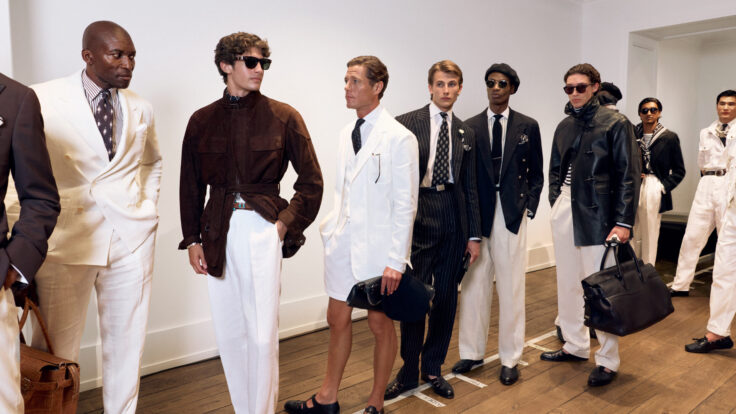
Mytheresa has offered a cross-section of current demand on the men’s side: Demna’s debut at Gucci is showing early traction with shoppers, specifically the horsebit in denim and belts, along with silk shirting. The Row is performing strongly in footwear, including
loafers and boat shoes, and leather jackets, like this one from Tom Ford, are also moving. The active category continues to expand as customers flock to brands like Satisfy, On (including its
collab with Loewe), and Bogner ski. The mix spans dressed-up staples and everyday basics, from Loro Piana t-shirts to leisure. |
Kirna Zabête owner Beth Buccini pointed to online sales and Palm Beach as the company’s
strongest performers at the moment. Developers are still investing in Palm Beach, signaling long-term capital flowing into the market and creating an opportunity for brands to establish a lasting presence rather than rely on seasonal pop-ups. (Where else do you think Melania Trump is going to shop?)
Dallas continues to draw shoppers. A source at Hill House Home told me its Dallas store generates the brand’s highest foot traffic and reports retail unit economics that are
20 percent higher than the company-wide average. While Highland Park Village has long anchored Dallas shopping, Knox is becoming the neighborhood to watch. It’s a walkable, design-forward corridor two miles from Highland Park Village that is rapidly becoming the city’s retail hub, with Staud, Toteme, Dôen, and TWP all opening. Trammell Crow Company, The Retail Connection, and Gillon Property Group—the same group that developed Highland Park Village—are jointly developing Knox Street.
Back
in New York, retailers are crafting a different narrative on Bleecker Street. As fast fashion and tweens overran SoHo, Bleecker became a more grown-up alternative. Even though snowstorms forced Leset to temporarily close its store, the brand still finished January and February with sales up a triple digit percentage year over year. Founder and C.E.O. Lili Chemla told me that locals still need somewhere to shop when they grab coffee or walk their dogs. Dôen also credits
walkability for driving strong sales in its Bleecker Street shop. The brand will open a Madison Avenue store this weekend—its second in New York—underscoring its continued confidence in neighborhood retail. |
Until Monday,
Lauren
P.S.: We use affiliate links because we are a business. We may make a
couple bucks off them. |
|
|
|
|
MATTHEW BELLONI & WILLIAM D. COHAN |
|
|
Need help? Review our
FAQ page or contact us for assistance. For brand partnerships, email ads@puck.news.
You received this email because you signed up to receive emails from Puck, or as part of your Puck account associated with {{customer.email}}. To stop receiving this newsletter and/or manage all your email preferences, click here. |
Puck is published by Heat Media LLC. 107 Greenwich St., New York, NY 10006 |
|
|
|