'Sing 2' Survivalism & The Trump Sidekicks Rehab Tour
Welcome back to The Daily Courant, our afternoon guide to the latest and most provocative new journalism at Puck.
Today, we lead with Matt Belloni's fascinating analysis of how the Sing 2 box office disaster—an $85 million-budgeted sequel that will probably top out at about half the gross of the original—is rewriting the usual rules in Hollywood, laying the groundwork for a new definition of franchise “success” in pandemic-era Hollywood.
Below the fold, Bill Cohan illuminates the investment thesis that inspired Bill Ackman to buy the dip in Netflix, and a micro-drama at JPMorgan Chase. And Tina Nguyen examines how Trump sidekicks Mike Pompeo and Mike Pence are rehabbing their public images in anticipation of ... what, exactly?
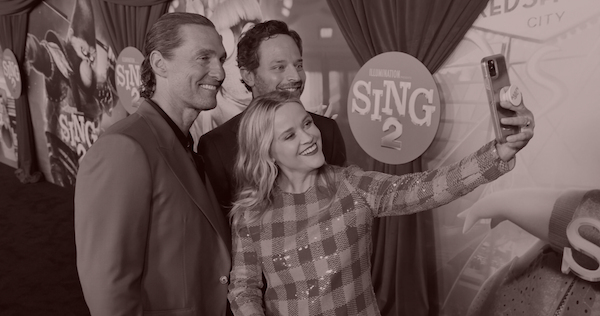
Hollywood’s new and diminished definition of success doesn’t actually require a film to be wildly profitable so long as its franchise can continue. Of course, how to define and create one in the streaming era is perhaps the most difficult and debated question of all. Stop me if this sounds familiar: In the lead-up to the late December release of Sing 2, Universal Pictures faced a predicament. Omicron was spreading, fears of family moviegoers were spiking, and, during internal discussions, some thought it made sense to either delay the film again (the sequel to the animated American Idol with farm animals had already been pushed a year), or ship it directly to streaming, or do some kind of hybrid release. A version of this debate has taken place almost daily on studio Zoom calls for two years now. It’s depressing.
NBC Universal C.E.O. Jeff Shell and film chief Donna Langley decided to keep the theatrical exclusive, then drop the film on premium video on demand 17 days after its release, for a higher-than-normal $25 rental charge. That strategy would potentially kneecap the box office of a film whose 2016 predecessor grossed $634 million worldwide, though films available at home recently have held up O.K. in theaters. I’m told it also meant cutting mid seven-figure checks to the voices of those farm animals—Matthew McConaughey, Reese Witherspoon and Scarlett Johansson, with smaller payouts for the rest of the main cast—to buy out a big chunk of their box office bonuses.
The buyouts weren’t necessarily required; Sing 2, after all, was getting an exclusive theatrical window, and Universal’s deal with theater owners allows an expedited P.V.O.D release for films that open to less than $50 million (with theaters getting a small cut of that at-home revenue). But given the Covid climate, the stars knew that if the film wasn’t pushed, their bonuses likely weren’t happening, and the last thing Universal wanted was an acrimonious, Black Widow-esque situation over the lost pay, especially involving the star of Black Widow. Disney C.E.O. Bob Chapek learned in the ScarJo litigation how quickly the town can turn on you when you piss off top talent...
FOUR STORIES WE'RE TALKING ABOUT 
Executives are verklempt. But could a lower valuation return some competitive normalcy to the rest of the entertainment industry? MATTHEW BELLONI 
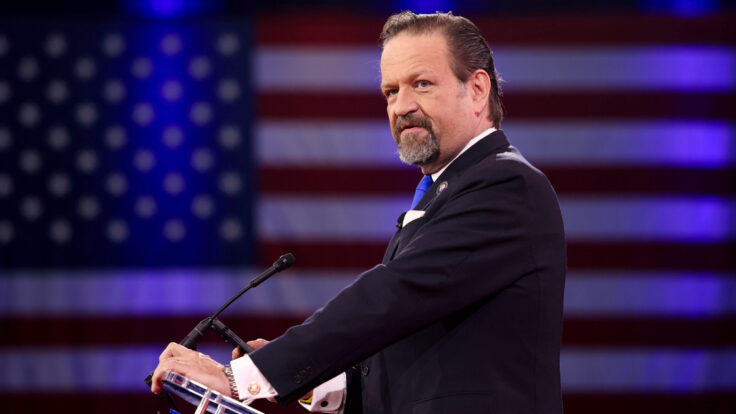
Reading the tea leaves on the political futures of Pence, DeSantis, and Pompeo. Plus, decoding the G.O.P.’s Kid Rock fantasy. TINA NGUYEN 
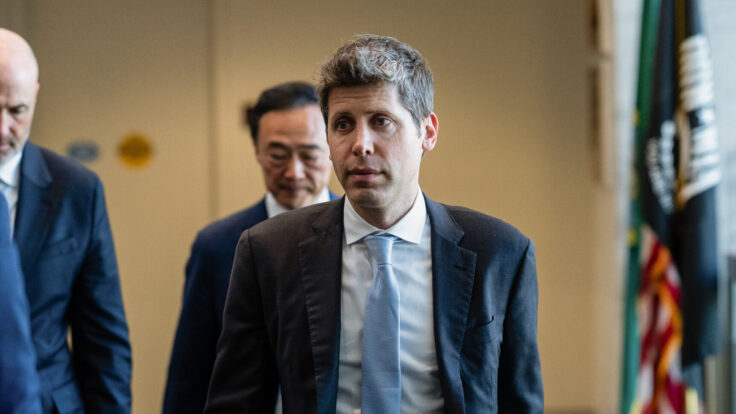
Notes on Jack Dorsey's successor, the stratification of digital media, and Omicron-era information overload. BARATUNDE THURSTON 
The inside conversation about Pershing’s new investment thesis, the wisdom of Warren Buffett, and JPMorgan in the penalty box. WILLIAM D. COHAN 
You received this message because you signed up to receive emails from Puck.
Was this email forwarded to you?
Sent to {{customer.email}}
Puck is published by Heat Media LLC.
For support, just reply to this e-mail. For brand partnerships, email ads@puck.news |


SHARE