Axios 3.0, the Return of Ruth Shalit, and Chapek's Week from Hell
Welcome back to The Daily Courant, your afternoon guide to what's new at Puck.
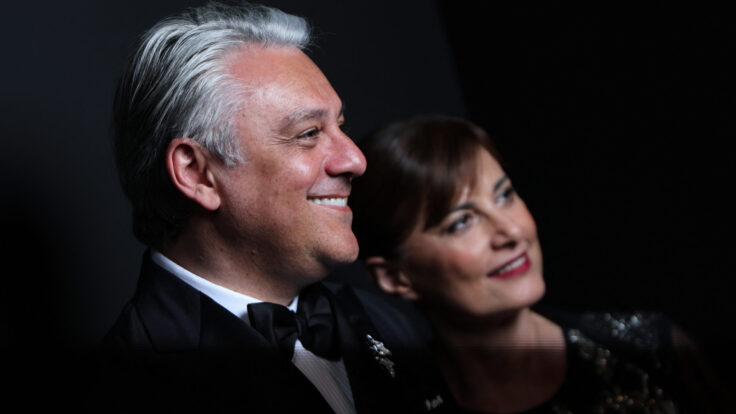
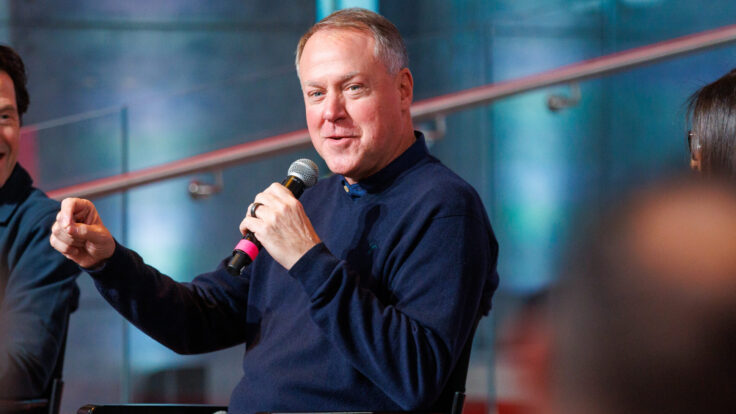
Today, we direct your attention to William D. Cohan's provocative and eye-opening conversation with the inimitable Michael Lewis, the author of The Big Short and Liar's Poker, about his salad days at Salomon Brothers, his mega-success in publishing, and why Wall Street will never be the same.
Plus, below the fold, Eriq Gardner digs into the remarkable libel case pitting Ruth Shalit Barrett against The Atlantic. Matt Belloni examines Bob Chapek's public relations week from hell. And don't miss the first episode of our new podcast, The Town, with Belloni and Puck executive editor Benjamin Landy discussing the HBO Max-Discovery merger, the fallout from Disney's “Don't Say Gay” fiasco, and more.
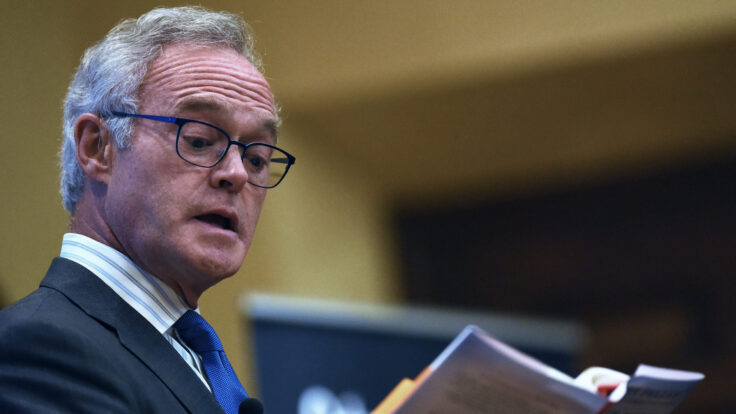
Finally, it's Media Mondays on the rebooted The Powers That Be, featuring Peter Hamby and Puck co-founder Jon Kelly riffing on what's next for Axios, how the decline of cable news mirrors the fall of the magazine industry, and Dean Baquet's successor at The New York Times.
|
|
|
Sure, the days of strippers on the Salomon Brothers traders’ desks are long gone, but the iconic author has another revelation about what has changed most on Wall Street. “One of the incredible feats Wall Street has performed is preserving the businesses that aren’t really necessary anymore,” he says. |
|
|
I've been friends with Michael Lewis, the journalistic juggernaut, for many years—from our time together in the heyday of Vanity Fair, dating as far back to his first marriage to Kate Bohner, my old Lazard colleague (who moonlighted in my recent, absurdist adventure with Carlos Watson). I admire Michael as a writer, as do so many others, for his ability to perceive things that other people don’t. While I was writing about the 2008 financial crisis from the perspective of a bank that failed (Bear Stearns, in House of Cards), and another that survived (Goldman Sachs, in Money and Power), Michael was writing about the financial crisis from the perspective of the handful of people who saw trouble brewing in the mortgage market in the years before the financial crisis and made a killing. I presume you’ve read The Big Short.
It’s been nearly 33 years since the publication of his first book, the seminal Liar’s Poker, about his brief and eventful stint at Salomon Brothers in the late 1980s. He’s also completed a five-part podcast, Other People’s Money, where he chats up, among others, various characters who were at Salomon Brothers with him back in the day. In other words, it seemed to me like a great time to reconnect with Michael and get his take on what’s up on Wall Street and how it’s changed since he wrote Liar’s Poker in 1989, where he thinks the money action is now, and what his mood is these days as the pandemic seems to be fading, only to be replaced by the growing threat of World War III.
When Michael and I spoke, he was in his car, driving north up the California coast to Santa Barbara, from the “little place” he has in Laguna Beach. He had been in San Diego working on his podcast and was on his way to give a talk at Westmont College, in Santa Barbara. He had become interested in re-reading Liar’s Poker for the first time in 30 years, he said, and in re-issuing it as an audio book, after hearing from his daughter Quinn, who is a junior at Harvard, that her friends were being told during their interviews for Wall Street jobs that they should read her father’s book, even though it was written in what was obviously a very different era. “I thought how strange that was,” he said, “because on the surface, it doesn’t seem all that relevant. I can’t believe that reading about strippers on the desks at Salomon Brothers in the 1980s, and traders all throwing pizza at each other, had any resonance for someone who’s walking into a hedge fund or into a big bank today...”
|
|
|
FOUR STORIES WE'RE TALKING ABOUT |
| |
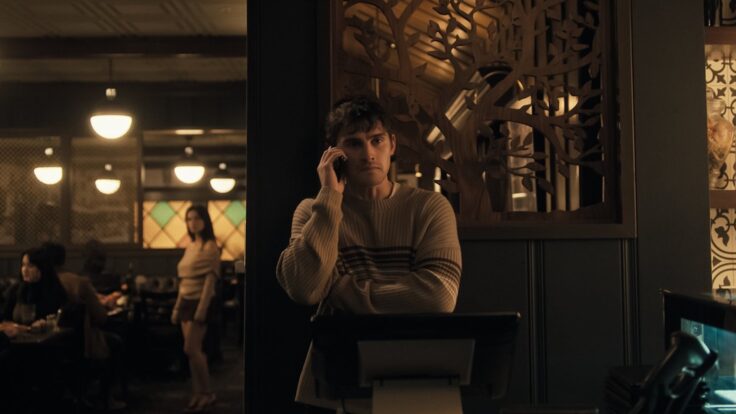
| Disney’s new C.E.O. badly miscalculated in his attempt to pivot the company's politics, compounding one of its worst crises in years. |
|
|
| A libel suit involving the spurned journalist and her former employer turns on—what else?—a question of narrative framing. |
|
|
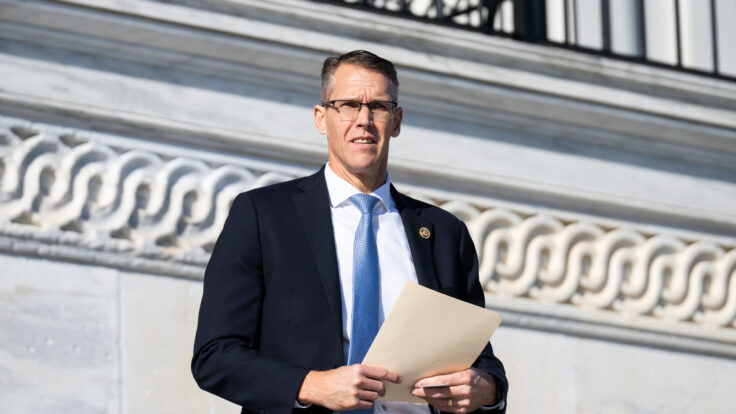
| War is the worst, but I'm holding onto hope that this conflict will also bring out the best in us, in Ukraine and beyond. |
|
|
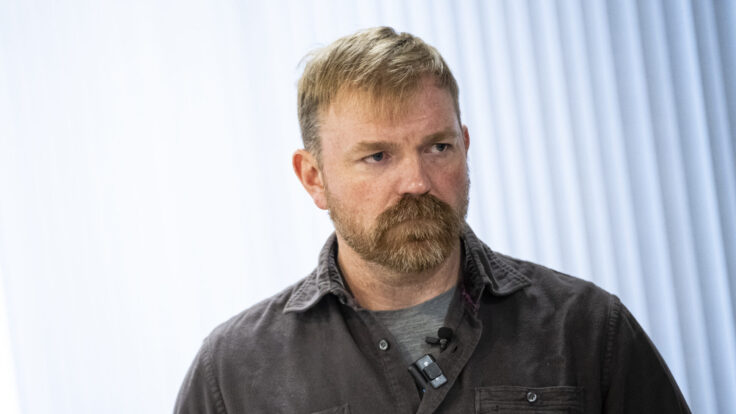
| On Wall Street, the horror of Russia’s invasion of Ukraine has become a uniquely dark investing opportunity. |
|
|
You received this message because you signed up to receive emails from Puck. Was this email forwarded to you?
Sign up for Puck here. Sent to {{customer.email}}
Unsubscribe Interested in exploring our newsletter offerings?
Manage your preferences.
Puck is published by Heat Media LLC.
64 Bank Street
New York, NY 10014
For support, just reply to this e-mail. For brand partnerships, email ads@puck.news |
|
|
|