{{ 'now' | timezone: 'America/New_York' | date: '%b %d, %Y' }}
|
|
|
|
Hello, and welcome to Line Sheet. I have succumbed to
pedal pushers.
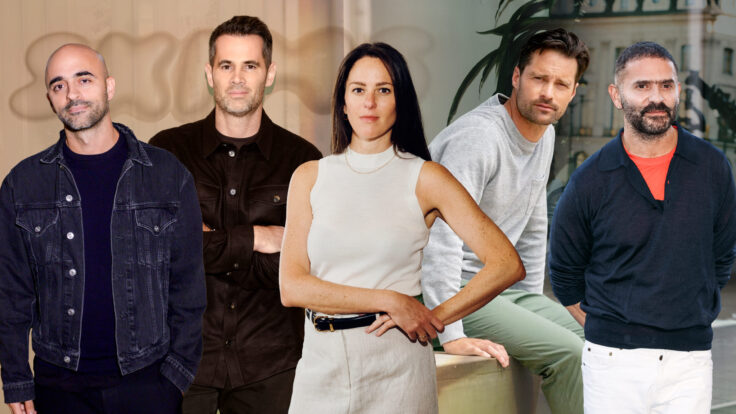
There are lots of M&A deals happening right now in fashion. Nothing blockbuster, but plenty of new alliances created out of opportunity, necessity, and/or pure desperation. We’ll be covering them all in the coming weeks.
First up, it’s a new day at Moschino and Aeffe as Adrian Appiolaza exits the brand, with a new design team expected to be
announced soon. I have many details. Plus, Malique has a major scoop on a new investor for OVO, the Drake brand, and I’ve got info on the future of Luisaviaroma and the potential revival of… Sassy! It’s such a fun, scoopy Monday.
Tomorrow on Fashion People, my guest is Paris-based, Australia-bred journalist Alice Cavanagh. We’re
chatting about the future of Moschino, the future of independent fashion brands, the Charvet conundrum, and plenty more. Listen here and here.
Also mentioned in this issue: Loris Messina, Marco Gobbetti, Bernard Arnault, WYouth, Phoebe Philo, Franco Moschino, Noah Shebib, Bruno Sialelli, Jeremy Strong, Jeremy Scott, Tyler Kolek, the Knicks, David Hockney, Dries Van Noten,
Alberta Ferretti, Neiman Marcus, Jonathan Anderson, Riccardo Bagolin, Adrian Appiolaza, Derek “Drex” Jancar, Canada, Eugene Rabkin, Isaac Mizrahi, Michael Fiddelke, Oliver El-Khatib, Becky Malinsky, scarves, Simone Rizzo, Drake, Rick Caruso, and more.
|
Three Things You Should Know…
|
|
|
|
 |
Malique Morris |
|
- Who wants to own
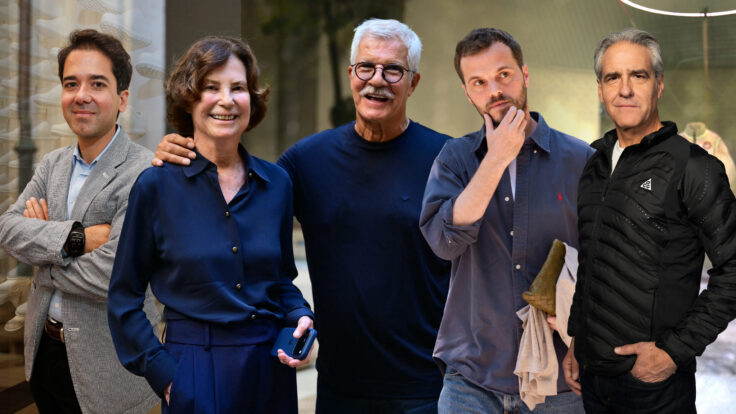
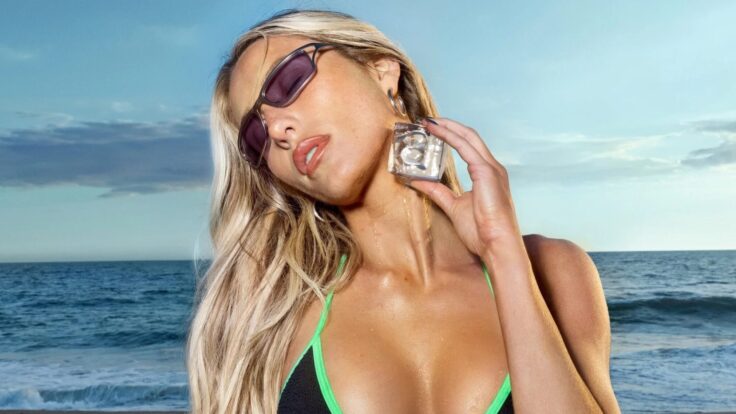
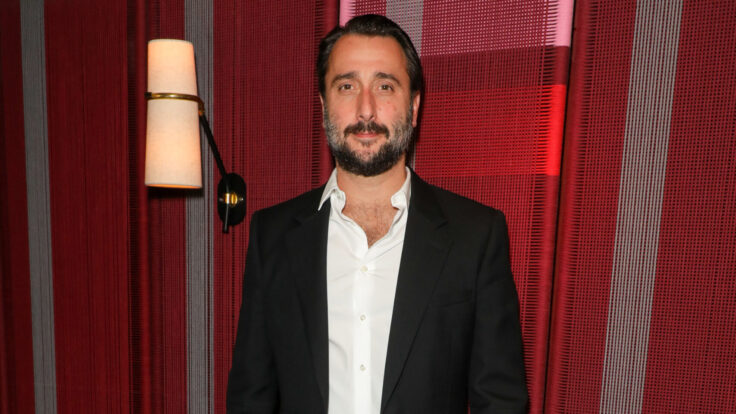
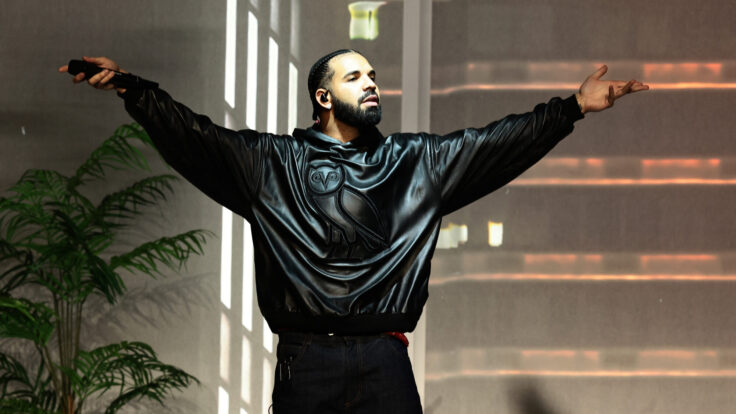
OVO?: October’s Very Own (OVO), the record label and mid-priced apparel brand that Drake co-founded with fellow Ontarians Oliver El-Khatib and Noah Shebib in 2008, has been looking for financing lately. Now I’m told that OVO, which just released Drake’s latest album, Iceman, is in the process of selling a 50 percent stake to Authentic Brands Group, according to multiple sources familiar with the deal. (A rep for OVO declined to
comment. ABG didn’t respond to a request for comment.)The timing and terms of the deal are unclear. But OVO’s pursuit of a sale to the licensing giant may come down to a matter of timing for C.E.O. Derek “Drex” Jancar. Although Drake remains one of the most famous musicians in the world, his reputation took a hit in 2024 amid his prolonged feud with Kendrick Lamar. OVO’s apparel business is largely built around logo-driven staples like $62 tees and $162
hoodies, and a partnership with ABG could provide broader and additional licensing opportunities. Now that Drake is hot again, I suspect there will be more to come.
|
|
|
|
-
Another store bites the dust: Independent journalist Eugene Rabkin reports that Florence retailer Luisaviaroma’s New York location on Bond Street has closed. It’s no surprise given the financial issues afflicting its parent company, which recently liquidated in Italy, but it’s nonetheless unfortunate.LVR was an early
Phoebe Philo stockist, and the store was originally conceived as a good downtown place to shop mainstream luxury fashion amid otherwise dwindling options. In late April, the parentco was saved by a group of investors led by Paolo Corinaldesi, the former C.E.O. of Woolrich. The arrangement, which is currently being reviewed by a court in Florence, allows current C.E.O. Tommaso Andorlini to stay put. But there is likely no future for the U.S.
store or entity. According to a statement released by the company, “The decision regarding the U.S. store forms part of the ongoing procedure in Italy and reflects the need to focus resources on the group’s core activities, while preserving the value of the brand, the digital platform and the expertise Luisaviaroma has developed over more than 90 years in the luxury retail sector.”
This is a unique situation, sure, and reflective of the current retail landscape, but it’s also a tale as old
as time. New York is the most unforgiving retail market in the world, and LVR is just one of dozens of stores that have tried to make it and ultimately failed—from Neiman Marcus at Hudson Yards and Totokaelo to Forty Five Ten (also at Hudson Yards, hee-hee) and 10 Corso Como. There are so many more. It’s even been hard for Nordstrom, though they keep trying. Let’s see what happens to Printemps!
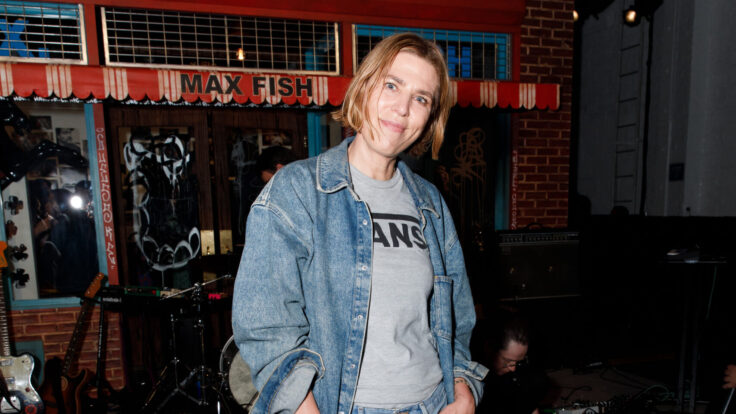
- A Sassy return?: I hear that Jane Pratt, the founding editor of Sassy (and Jane, and xoJane, and Another Jane Pratt Thing), is in talks to revive the teen magazine, which changed my life and the lives of many others. (Marisa Meltzer even wrote a book with that exact title.) There is something to be said about fan service revivals, and the forthcoming launch of Sara Moonves’ WYouth this fall suggests there is a commercial market. If Pratt can get the financing, why not?
|
|
|
|
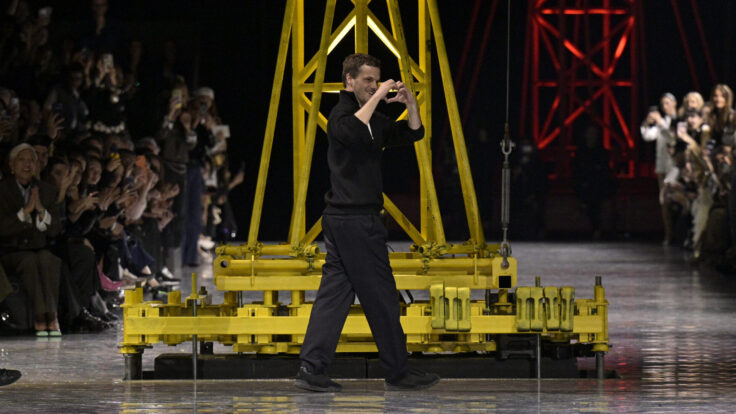
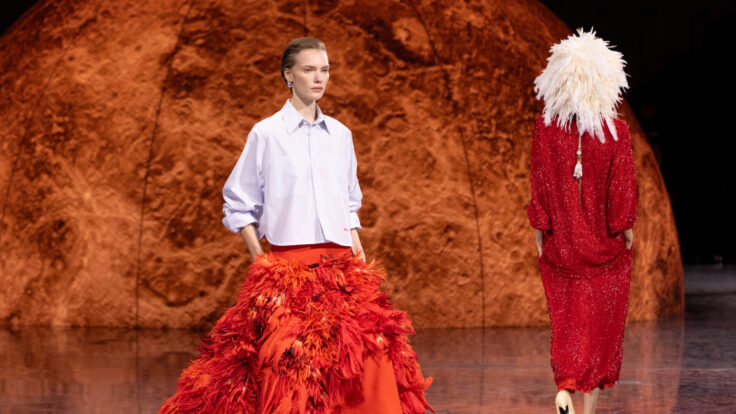
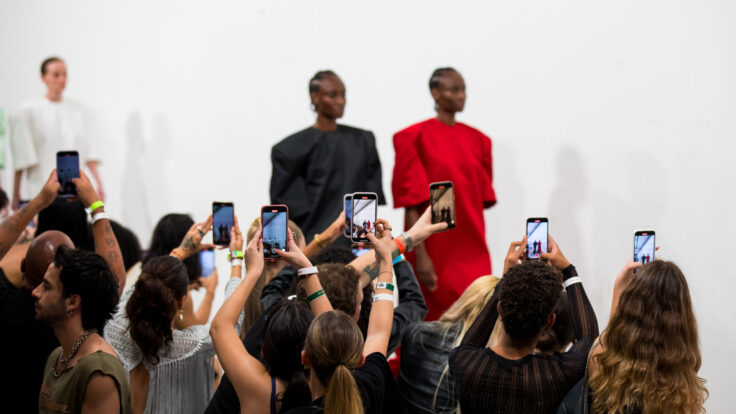
Moschino, the irony-pilled Italian fashion label, has a new set of creative directors who
theoretically better understand the assignment. But in a world that’s rapidly moving on from wholesale, is that enough to revive the brand?
|
|
|
|
In designer fashion, France may be the center of creativity and America may be the heart of commerce, but
Italy remains the capital of industry—the place where bags and shoes and clothes are made. Perhaps that’s why the market is home to so many globally recognized Italian fashion brands. Versace, Gucci, Armani, and Prada are not necessarily the biggest businesses, but they are by far among the most recognizable. And there are obviously plenty of lesser names that punch above their weight when it comes to exposure: Salvatore Ferragamo and Missoni, Etro and Roberto Cavalli,
etcetera.
Of course, renown doesn’t equate to success. Over the years, as the large conglomerate-owned brands have moved further upstream to capture value, it’s become harder for many of the independent Italian labels to prosper. While the big groups have focused on direct-to-consumer sales, opening stores, and improving their online shopping experiences, many of the Italian brands have remained reliant on showrooms and wholesale, even as these channels continue to shrink in size.
|
|
|
|
Perhaps no organization has suffered more during this transformation than Aeffe, the 40-something-year-old
fashion group that has owned various well-known names over the years, including Narciso Rodriguez and Jean Paul Gaultier. (Okay, I’m being hyperbolic, but it hasn’t been easy.) Founded in the early ’80s by Alberta Ferretti and her brother, Aeffe’s cornerstone has long been Moschino, Franco Moschino’s irony-pilled fashion brand that it bought in 1999 when there were strategic groups being formed in the country by everyone from the Bertellis (who
picked up Helmut Lang and Jil Sander to run with Prada) to the Pinaults (who famously brokered the deal to buy Gucci).
Over the years, as Aeffe has sold off many of its other key interests, including Jean Paul Gaultier and Narciso Rodriguez, its financial challenges mounted and the company increasingly relied on Moschino. Last year, former Burberry and Salvatore Ferragamo exec Marco Gobbetti joined the board, triggering a series of changes, including the
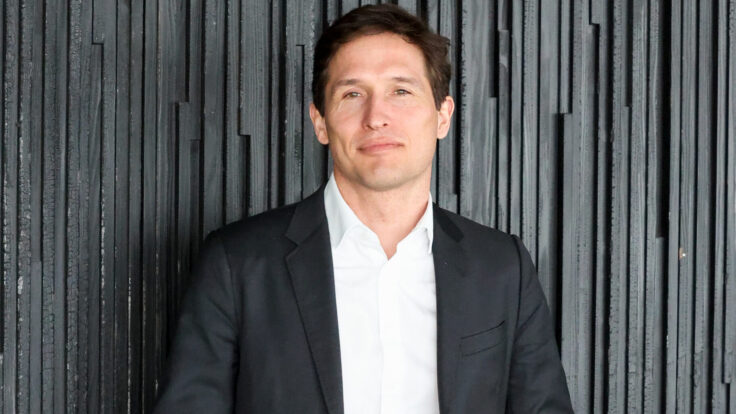
elimination of about 200 jobs. Then, in early June, less than a month after Moschino disclosed to shareholders that it was insolvent, Aeffe named Riccardo Bagolin as C.E.O.
And now Oxy Capital, a Lisbon-based P.E. firm that specializes in restructurings, wants to pay off Aeffe’s debts in exchange for controlling ownership of its assets, including Moschino—a quid pro quo that would leave Aeffe as a shell of itself and move all the brands to Oxy.
The binding offer was expected in early June, though the company has yet to communicate anything further to shareholders.
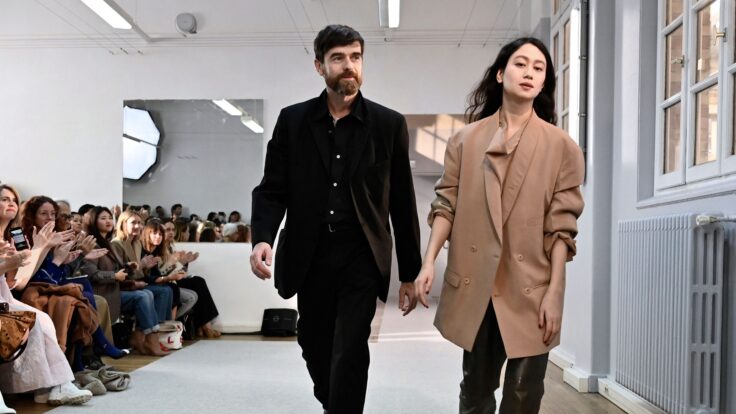
It’s no coincidence that Bagolin, an operations guy whose title at textile company Imprima was chief transformation officer, is moving quickly. On Friday, Moschino creative director Adrian Appiolaza left the business, I’m told. His replacement will, in all likelihood, be Loris Messina and Simone Rizzo, the founders of
Sunnei, whose contract is set to be signed this week. (A representative for Moschino declined to comment. Appiolaza did not respond to my messages, nor did Rizzo.)
|
The switch makes sense on many levels. Last September, Messina and Rizzo announced their departure from the
brand they founded with performance art: a staged auction created in collaboration with Christie’s. (The line, owned by Budapest-based Vanguards, which has backing from Hungary’s state owned import-export bank, has continued without them.) Messina and Rizzo proved, in their decade in business, that they had a global sensibility with commercial appeal, and a sense of humor—core to the Moschino proposition.
Appiolaza, who joined from Loewe in late 2023, never managed to gain traction. Some
of that was on him: A gifted designer with an incredible understanding of fashion history (he’s a collector and rents his archive), Appiolaza nevertheless failed to communicate the irony on which Moschino was founded. Since its birth in 1983, Moschino’s whole shtick has been lampooning the clichés of the fashion industry. Jeremy Scott, Moschino’s creative director from 2013 to 2023, gave the joke an American top note, overseeing collaborations with Barbie and McDonald’s along
the way. Appiolaza, his successor, never made us laugh. Perhaps it was the trickiness of the brand; perhaps he is one of those designers who is better utilized behind the scenes. (He could, theoretically, end up working for Jonathan Anderson again.)
Any sort of relaunch won’t be easy, even with a clean slate and promising talent. Through the Scott years, Moschino managed a business north of $250 million in annual sales, but the death of wholesale has made business a whole
lot harder. In the first half of 2025, the last time Aeffe reported financial results, Moschino’s sales were down 30 percent. And given the company’s debt, Oxy or some other restructuring artist will almost surely be required on the next leg of the journey. (Suppliers have complained of slow payments or no payments at all.)
|
|
|
|
Hopefully it all works out. It’s unknown whether Messina and Rizzo, aided by a new C.E.O. and the specter of
new funding, will fare better than the previous regime. But at least they understand the assignment.
|
What I’m Reading… and
Watching…
|
Interesting. Human Made, the company led by Kenzo creative director Nigo, which I.P.O.ed in
Japan last year and made a lot of people a lot of money, has acquired Undercover, the acclaimed fashion brand designed by Jun Takahashi. [Vogue Business]
The rise of Knicks benchwarmer Tyler Kolek shows that you really just have to be cute. To quote: “I ain’t get
dressed, I got Dries.” [ The People Gallery on Instagram]
Becky Malinsky shows everyone how to wear a scarf and it’s helpful. [ 5 Things You Should Buy]
The Lyas watch party is headed to Marseille, Saint-Loubès, Bordeaux, and Lyon,
with more French cities to be announced. [ Instagram]
Palisades Village reopens August 1. When is Rick Caruso coming on Fashion People? [ WWD]
Bruno Sialelli, the
former Lanvin designer who then went to work for his former boss Phoebe Philo at her namesake brand, is supposedly headed to Balenciaga. [ WWD]
If you want to read a nice homage to David Hockney’s sense of fashion, this is the one!
[ N.Y. Times]
“The tragedy of greed is that it slowly closes people up,” writes Dries Van Noten. “It standardizes desire, tells us what to admire before we have had the chance to discover anything for ourselves.” [ Cultured]
There was a Loro Piana regatta and Jeremy Strong wore a mustache. [Inbox]
Are you going to read Audrey Millet’s new Bernard Arnault biography?
[ Libération]
There’s a twist to the Isaac Mizrahi x Target reboot: The designer has been named Target’s first creative director at large. I guess we’ll find out what that means over time. As we
reported last month, this partnership—a redux of Target’s early aughts collaboration with the designer, which redefined what we expected at big-box retailers—was months in the making. Mizrahi’s return is new C.E.O. Michael Fiddelke’s most ostentatious attempt to restore Target’s fashion authority after apparel and accessories sales dropped 5
percent last year. Whether anyone under 45 will care remains to be seen. But he does have good taste. [ Target]
|
Until tomorrow,
Lauren
P.S.: We use affiliate links because we are a business. We may make
a couple bucks off them.
|
|
|
|
Puck founding partner Matt Belloni takes you inside the business of Hollywood, using exclusive reporting and insight to explain
the backstories on everything from Marvel movies to the streaming wars.
|
|
|
|
The industry’s go-to source for unflinching reporting on the trillion-dollar business of artificial intelligence - perhaps the
single most important technology of our time. Ian Krietzberg, the powerhouse journalist behind The Deep View, delivers twice-weekly insights into the latest dealmaking and breakthroughs in A.I., and how the intersecting worlds of finance, entertainment, media, and politics are being transformed in its wake.
|
|
|
|
Need help? Review our
FAQ page or contact us for assistance. For brand partnerships, email ads@puck.news.
You received this email because you signed up to receive emails from Puck, or as part of your Puck account associated with {{customer.email}}. To stop receiving this newsletter and/or manage all your email preferences, click here.
|
Puck is published by Heat Media LLC. 107 Greenwich St., New York, NY 10006
|
|
|
|
|