Hi, and welcome back to Line Sheet. In today’s issue, Malique
“Malique@puck.news” Morris is here with an update on LuxExperience post-YNAP acquisition. I remember a time when people thought someone in Silicon Valley would buy Net-a-Porter. That didn’t happen, of course, but tech bros still dress better than they used to… Meanwhile, Malique analyzes the outfits at our favorite nerd convention, WWDC, and offers some (relatively) good news out of Ssense’s
headquarters. I’ve got a take on Chanel’s big-time fine jewelry poach from Cartier.
Also mentioned in this issue: Heather Kaminetsky, Matthieu Blazy, Craig Federighi, Claudia Plant, Me+Em, Alice Casely-Hayford, Tim Cook, Natalie Massenet, Marie-Laure Cérède, Kay Barron, Richemont, Maria Grazia Chiuri,
Ibiza, Sumbul Ahmad Desai, Michael Kliger, Leslie Ikemoto, Alison Loehnis, Moda Operandi, Christopher Bailey, Gwyneth Paltrow, Stacey Ford, Steve Jobs, Finlay Renwick, Toby Bateman, and more. |
Three Things You Should
Know…
|
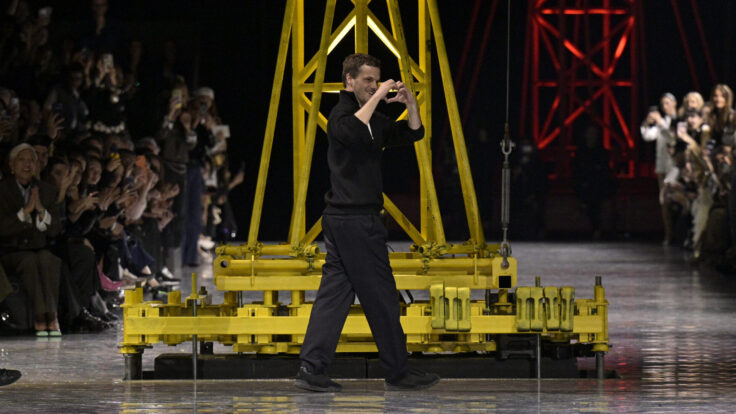
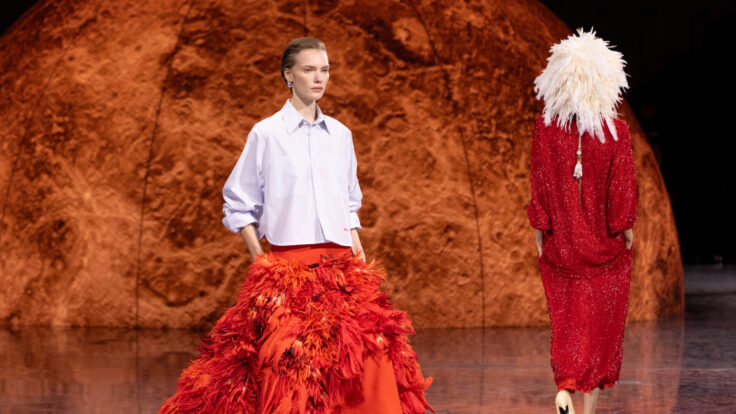
- Chanel’s hardcore hard luxury play: All eyes might be on Matthieu Blazy, whom I spotted tonight on my way to Terroirs d’Avenir to pick up a rotisserie chicken, but I’ve been wondering how the other elements of Chanel’s business will be affected by his runaway success. Plenty has already changed with the image—one former employee noted the novel way that Blazy is scattering the brand’s interlocking C’s logo in advertising. (Previously, this sort of innovation was verboten:
The name “Chanel” could only be presented under certain conditions.) Other changes are afoot: Rachel Strugatz will get into the business of Chanel beauty tomorrow, but the Wertheimer Family & Co. announced today that they’ve hired Cartier’s top designer to lead jewelry. It’s a sign that Chanel wants its hard luxury division to become as relevant as its fashion business.
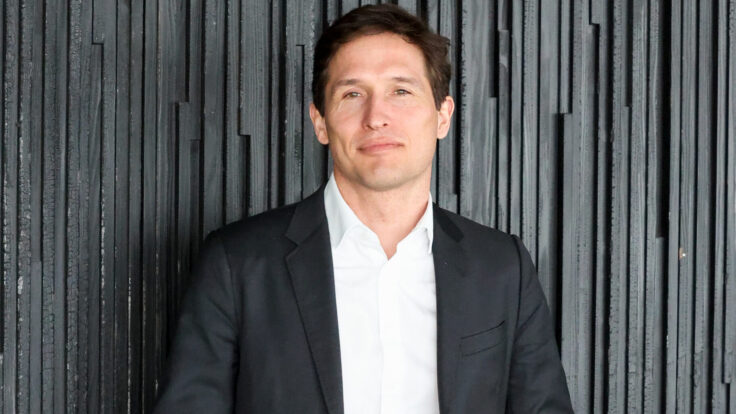
Marie-Laure Cérède spent the past decade as creative director of
Cartier’s jewelry and watch division—a tremendous period for sales growth at the Richemont-owned brand. High jewelry has become a big driver of growth for fashion brands, and this move will only help Chanel deepen its authority in the space. Previously, only LVMH-controlled Tiffany posed a real threat to Cartier, and the animosity was mutual. (Cartier famously sued Tiffany a
few years ago for filching “trade secrets.”) But Cérède’s new alliance will increase competition, and it’s yet another sign that C.E.O. Leena Nair is ensuring the business will work from 360 degrees.
|
|
|
|

| Malique Morris
|
|
- Ssense pay bumps: Amid
its restructuring, Ssense is doing what it can to stanch employee churn. Last month, the Montreal e-tailer announced its first salary bump since its pay freeze the previous May—a modest 3 percent cost-of-living increase that was deployed in lieu of “year-end performance assessments,” according to an internal memo. “Given the unique circumstances of FY26, and in recognition of the contributions and commitment demonstrated throughout the year, we have adopted a simplified approach to this year’s
end-of-year decisions while continuing to ensure fairness across the organization,” the email read. Alas, the paltry bump is merely the latest sign of the company’s belt-tightening economics—as I reported last month, Ssense is in the process of closing an entire floor in its Montreal headquarters.
- Apple nerd-camp fit
check!: No tech executive has ever managed to replicate the Issey Miyake–assisted nerd chic that defined Steve Jobs—least of all his successor, Tim Cook. Over the years, however, Cook and his deputies have stealthily refined their look for Apple’s Worldwide Developers Conference, where the wardrobe choices draw almost as much scrutiny as the product updates. Money doesn’t buy taste, but it does buy better stylists.
Presiding
over his last WWDC as C.E.O., Cook went pretty nuts. He mismatched a lush dark-green polo with what appeared to be Japanese dark denim, white Nikes adorned with a yellow swoosh and black laces, and a rainbow Apple Watch band. (Happy Pride!) At least he seemed to be enjoying himself. Meanwhile, his underlings generally stuck to the anodyne uniform of neutral-hued polos, straight-leg pants, and sneakers. Craig Federighi, Apple’s tall, handsome, well-coiffed senior vice president
of software engineering, wore a pale-blue dress shirt—unbuttoned just enough to reveal a grazing plume of silver chest hair—tucked into black, straight-leg jeans paired with black lace-up derbys.
The female executives were more adventurous. Operating systems vice president Stacey Ford paired a teal button-up with a distracting white floral-patterned skirt; Leslie Ikemoto, the company’s director of input experience, chose a statement red top that gathered
at the collar. Sumbul Ahmad Desai, head of health and fitness, tucked a black, short-sleeved mock neck into the type of bulbous skirt that Maria Grazia Chiuri routinely showed for Dior. Taken together, the event served the slightly elevated, restrained clean look we’ve come to expect from tech executives engaged in some form of looksmaxxing. No one is expecting sprezzatura from Silicon Valley. Apple, much like Taylor
Swift, operates on too vast a scale to project actual elitism.
|
|
|
|
And now, the latest at Net-a-Porter… |
|
|
|
The Mytheresa-ification of Net-a-Porter is underway, but can LuxExperience C.E.O. Michael
Kliger remind customers why they loved the platform in the first place? |
|
|
|
Back in April 2025, during one of the first town hall meetings following its acquisition of struggling Yoox
Net-a-Porter from Richemont, Mytheresa C.E.O. Michael Kliger offered a blunt assessment to his new colleagues. “We need to get shit done,” he said. Now, a year into the journey, some things have gotten done. Mytheresa, for its part, formed LuxExperience, which now owns all these once-bright shopping platforms, and Kliger ascended to C.E.O. of this mini-conglomerate. Among his top agenda items, in the meantime, has been restoring Net-a-Porter, the genre-defining company
that Natalie Massenet created many lifetimes ago, in 2000, ushering in the era of online luxury shopping. |
|
|
|
In its day, Massenet’s upscale digital emporium combined aspirational and ultra-luxury brands while producing
editorial content—from first-rate style guides to celebrity interviews—that could rival the glossies. Unfortunately it all started falling apart, as is often the case, through a series of ill-fated mergers and combinations and moronic executive decisions that have become industry lore. There was the 2015 Yoox merger, which blindsided Massenet and eventually sent her into the higher calling of venture capital, and predictably led to an era of bloat and undifferentiated irrelevance. Then there was
Richemont’s controlling investment, in 2018, which was followed by disastrous tech investments, lousy customer service, and more cries from the digital salt mines. Meanwhile, Net-a-Porter’s interim president and C.E.O. from 2022 to 2025, Alison Loehnis, became the public face of a business she had limited ability to reshape. (These days, she’s living
the dream as a part-time influencer.) By 2024, NAP found itself caught in the luxury slowdown that forced Farfetch, which was once supposed to buy a near-majority stake in YNAP, to sell itself to Coupang, while Matches collapsed altogether. (A relaunch might happen next year.) And so along came Mytheresa and Kliger, followed by the Germans.
Anyway, Kliger has been true to his word and seems genuinely committed to rekindling the magic that once made Net-a-Porter special. A year ago, he elevated Heather Kaminetsky, a Mytheresa executive who was once Net-a-Porter’s vice president of global marketing, to C.E.O., and allowed her the space to perform some overdue, if obvious,
housekeeping. Kaminetsky eliminated more than 100 labels, introduced exclusive capsule collections and V.I.P. events, focused on affluent customers willing to pay full price, yada yada. Last summer, she recruited Claudia Plant, who spent more than a decade at Net-a-Porter before decamping in 2016, as chief brand and customer officer. Kliger also summoned back Toby Bateman, who’d helped launch Mr Porter, to run that brand.
In the old days, Net-a-Porter and
Mr Porter established themselves as destinations for the luxury aspirant who starts out buying Me+Em and graduates to The Row. “There is so much room in luxury to fulfill these positions and attract different customers,” Kliger once told me at the time, likely seeking to quash any concerns about a monopoly.
The tension, of course, is
that Mytheresa built its reputation on serving the ultra-wealthy luxury shopper through exclusive capsule collections with brands such as Brunello Cucinelli and Bottega Veneta, along with invitation-only experiences like pool parties with Missoni in Ibiza. Under Kliger, Mytheresa emerged as pretty much the only luxury e-tailer standing, thanks to sharp edits of brands that high-net-worth customers actually wear, disciplined marketing spend, and fastidious one-to-one customer experience, such as
tracking browsing behavior to identify potential top spenders and giving them perks including free shipping, returns, and access to personal shoppers. Most importantly, Mytheresa resisted the temptation to use aggressive paid marketing to fuel inorganic growth. As a result, it never reached the scale of some competitors, but the business remained manageable and, in most quarters, profitable. Can Kaminetsky achieve something similar? (LuxExperience declined to comment.) |
Alas, Net-a-Porter’s results will probably get worse before they get better. In LuxExperience’s fiscal third
quarter, sales at Net-a-Porter and Mr Porter declined 12 percent, while EBITDA fell 75 percent. LuxExperience could very well be following the shrink-to-grow philosophy that has become common across luxury retail. Yet the declines also highlight a flaw in the strategy: Net-a-Porter is not Mytheresa. NAP still has the strongest “brand” in the market, but
it sacrificed some of that singular quality in the name of growth under Richemont. A prominent multibrand retail veteran recently told me that fashion-literate women in their circle talk more about Moda Operandi than Net-a-Porter.
Facing renewed competition, Net-a-Porter and Mr Porter are overhauling their editorial operations. I’m told that Plant hasn’t sugarcoated the need for the content to improve. Notable departures—last November, Net-a-Porter’s fashion director Kay
Barron left to start a video-first shopping app, and content director Alice Casely-Hayford likewise left in February—weren’t necessarily related to the new regime. Nevertheless, Net-a-Porter is pushing less content to YouTube, including its popular fashion challenge. As I wrote last week, Mr Porter laid off several editorial
employees last month, including head of content Finlay Renwick. That came after the 700 layoffs that occurred between November 2025 and March 2026. |
|
|
|
Insiders tell me that Net-a-Porter and Mr Porter are migrating to Mytheresa’s in-house e-commerce software
platform, even though that latter tech apparently isn’t as efficient as NAP’s, which can troubleshoot shipping delays and product returns faster. During a staff meeting last fall, Kaminetsky acknowledged that Mytheresa’s software was imperfect, according to a source who heard the remarks, but asserted it was good enough—a significant risk in a business largely predicated on customer experience.
At the same time, Net-a-Porter and Mr Porter are improving conditions for valuable brand
partners. One IYKYK menswear label, which ships around €200,000 worth of goods to the e-tailer each season, told me its buying budget at Mr Porter has tripled in the last year, and that its sell-through before markdown increased 50 percent year over year for the spring 2026 season. Meanwhile, people in and around the business have a lot of confidence in Kliger, Bateman, and Kaminetsky. Kliger, after all, made Mytheresa the online luxury standard while the industry was reeling, and
Kaminetsky was a key deputy in that effort. Bateman, meanwhile, has been described as “Mr Porter himself.” As the multibrand veteran commented, “They’ve got good people over there. It’s not going to happen overnight.” |
Gwyneth Paltrow simply cannot help herself!
[Entertainment Weekly]
Christopher Bailey has saved a historic British pottery firm from extinction. He is truly kind. [Financial Times]
Rachael Proud, the designer behind
Raey, Matches Fashion’s beloved in-house line, has a new job designing Dagmar. Good, because she’s really good. [British Vogue]
It’s simply too much! [Josh O’Connor Looking Incredibly Cute and Perfect in Dior]
Here is a quick analysis of the
Gracie Abrams Vogue cover: She is incredibly beautiful. The images are clear and a few are striking. I wish it didn’t feel so empty. But maybe that’s just a reflection of our time. [Vogue] |
Until tomorrow,
Lauren
P.S.: We use affiliate links because we are a business. We may make
a couple bucks off them. |
|
|
|
Need help? Review our
FAQ page or contact us for assistance. For brand partnerships, email ads@puck.news.
You received this email because you signed up to receive emails from Puck, or as part of your Puck account associated with {{customer.email}}. To stop receiving this newsletter and/or manage all your email preferences, click here. |
Puck is published by Heat Media LLC. 107 Greenwich St., New York, NY 10006 |
|
|
|
|