Disney's Spin-off Strategy, Chappelle Hell, and the Laurene Mystique Happy Friday, and welcome back to The Daily Courant, our afternoon bulletin highlighting all the most important journalism being published across Puck.
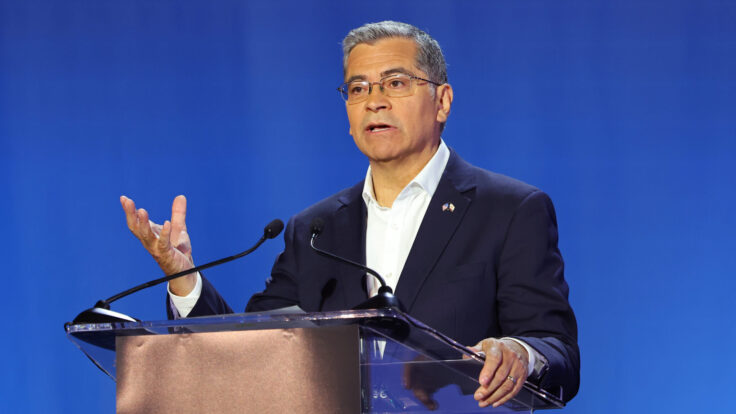
Today, don’t miss Dylan Byers’ market-moving report on the strategic conversations taking place inside Disney about the possibility of spinning off ESPN, the live sports cash cow that, according to the M&A logic, is nonetheless weighing on the stock. Bob Iger was a romantic about ESPN, but his successor, Bob Chapek, “takes a more mathematical, tactical viewpoint.” Could separating the companies unlock more shareholder value than with their assets combined?
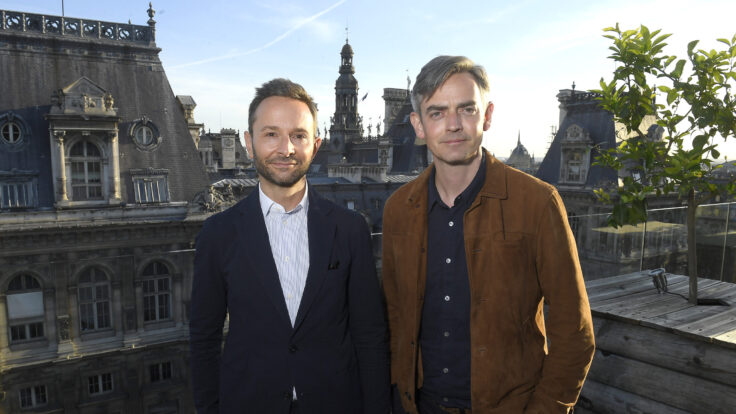
Plus, below the fold, Teddy Schleifer takes a closer look at the tensions within Laurene Powell Jobs’ fast-expanding empire. And Matthew Belloni reports on the internal upheaval at Netflix as Ted Sarandos goes to the mat for Dave Chappelle.
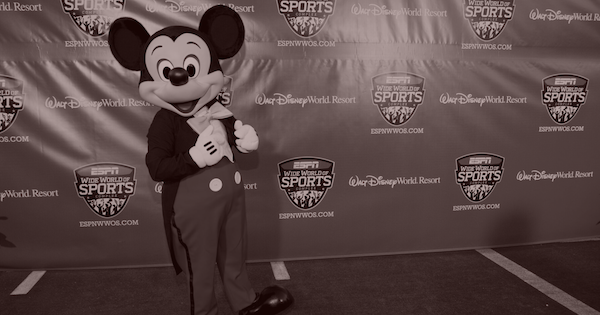
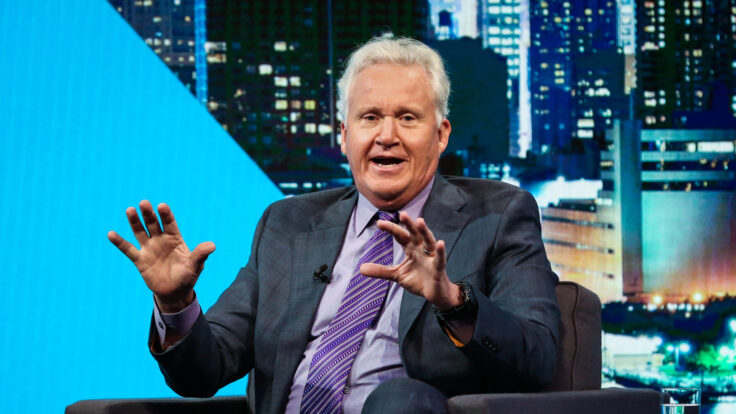
Bob Chapek has asked some of his closest deputies to explore the strategic rationale for potentially spinning off the sports network, sources say. As one person with knowledge of the discussions told me, “There are now conversations happening regularly at Disney about whether or not to spin off ESPN.” During his extraordinary tenure as C.E.O. of The Walt Disney Company, Bob Iger methodically and dexterously transformed the organization from a single brand to a brand of brands, stringing together an M&A trophy shelf perhaps unparalleled in modern media history: Pixar, Marvel, Lucasfilm, and, in the final years of his tenure, the majority assets of 21st Century Fox. In sum, the accumulation of these extraordinary creative companies positioned a bulked-up Disney to enter the streaming business in a full-throated, double-barreled manner. It took Reed Hastings ten years to get Netflix to one hundred million subscribers. Disney+ achieved that feat in a year-and-a-half, and it continues to gain on Netflix every quarter.
As Iger grew the company, Disney was also buttressed by another set of assets: the linear television businesses, particularly ESPN, which came over in the 1995 Cap Cities deal that brought Iger to the mothership in the first place. For a generation, stars like Keith Olbermann and the late Stuart Scott turned ESPN into a synonym for the global sports business. The company competed aggressively for the live rights to franchises such as Monday Night Football and the College Football Playoff; SportsCenter, among other shows, seemed as much a part of the cultural firmament as Disney I.P., from Star Wars to Toy Story to Frozen. Not only was ESPN core to the overall business, but Iger also appeared to personally cherish it. After all, he came of age as a stage manager on ABC television sets and got his break as a senior program executive on the 1988 Winter Olympics. Today, he remains a loyal Packers, Yankees, and Clippers fan, and is friendly with the likes of Aaron Rodgers and Chris Paul. He even tried, and failed, to bring two NFL teams to Los Angeles. (The rival bid won.)
Even as consumers began cutting the cord on cable years ago, Iger remained steadfastly supportive of ESPN. For years, private equity firms have reached out to Disney and ESPN leadership to encourage them to spin off the sports channel, current and former high-level Disney sources told me. Industry analysts have similarly been beating the drum for the company to go all-in on streaming. By freeing itself from the stagnation and costs of the linear business, they argued, Disney could become a direct-to-consumer “pure play” and be valued at a far higher multiple, like Netflix. Iger spent years listening to this argument, the sources said, but assured his colleagues that ESPN would never leave Disney under his watch.
Now, it appears, Disney’s stance may be shifting...
FOUR STORIES WE'RE TALKING ABOUT 
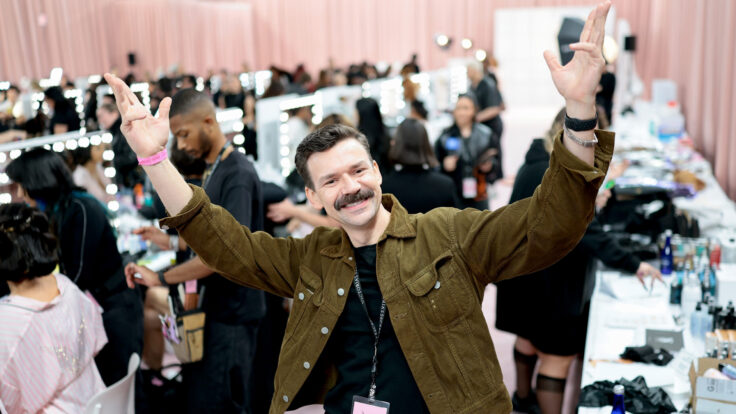
The streamer's rationale for defending Chappelle’s transphobic routine has deepened an internal crisis that is not going away. MATTHEW BELLONI 
The Virginia gubernatorial race is always a fetish for politicos—an off-year Rorschach test and harbinger of the general mood. This year’s iteration is more indicative than ever. PETER HAMBY 
Ten years after Steve Jobs’s death, Laurene Powell Jobs has transformed Emerson Collective into a sprawling enterprise to save the planet. Can the operation scale alongside the ambition? THEODORE SCHLEIFER 
Most financial projections are rosy, as Wall Street well knows. But winning the case may prove more troublesome than having opened it at all. WILLIAM D. COHAN 
You received this message because you signed up to receive emails from Puck.
Was this email forwarded to you?
Sent to {{customer.email}}
Puck is published by Heat Media LLC.
For support, just reply to this e-mail. For brand partnerships, email ads@puck.news |


SHARE