“Woke-ism” in the Boardroom and the New Face of Apollo
Good afternoon and thanks as always for reading The Daily Courant, a private, members-only email highlighting the latest journalism at Puck.
Today, we kick off with Teddy Schleifer's wide-ranging conversation with Eric Schmidt, the former Google executive and Obama bromantic partner, as Silicon Valley's consummate influence-peddler navigates the hyper-charged politics of Joe Biden's Washington.
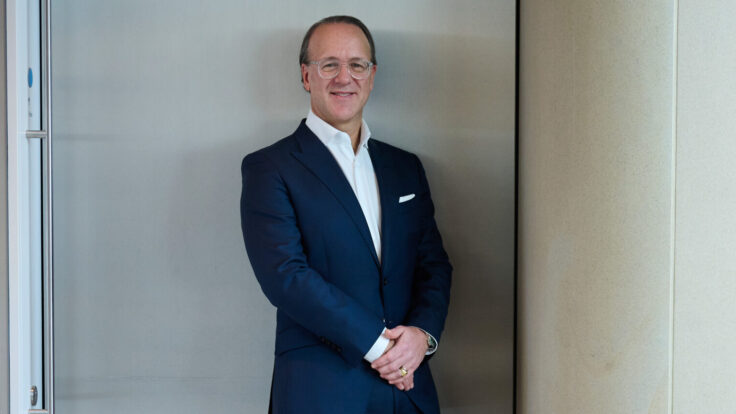
Plus, below the fold, William D. Cohan returns with an illuminating and intimate portrait of Marc Rowan, the billionaire Apollo co-founder whose unlikely ascent to the C.E.O. position atop the legendary private-equity firm, after the fall of Leon Black, was anything but ordinary.
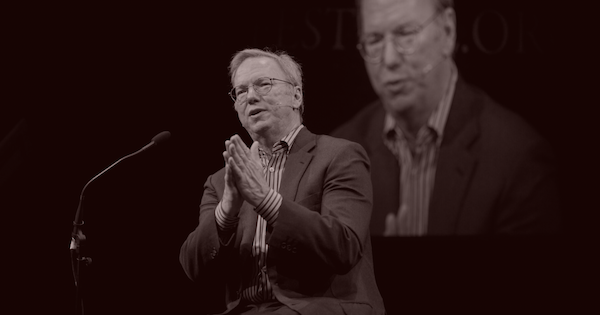
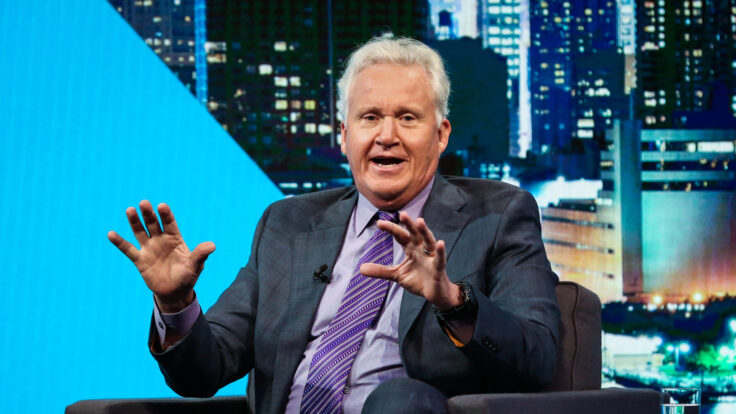
A candid conversation with Eric Schmidt about the A.I. apocalypse, his relationship with Joe Biden, and how “woke-ism” has changed the C-suite. Eric Schmidt, the former C.E.O. of Google and Obama pal and adviser, for years personified, if not molded, the Silicon Valley-Washington axis of influence. So I was somewhat taken aback when Schmidt told me from his New York living room this week that he didn’t think there would be another Eric Schmidt after him. “I do think that my activism, ten years ago, is not likely to get repeated,” he said. “The reason is that the C.E.O.s that are now under such control—because of both woke-ism, employee activism, shareholder activism and boards—that this next generation of executives will be much quieter, not just on politics but on global problems.”
Schmidt is indeed something of a throwback: He’s a unique figure in Silicon Valley history, an embodiment of the bonhomie between politicians and the tech sector that defined the halcyon Obama era. He served as the tip of the spear not only for Google’s massive lobbying operation, but also for Silicon Valley’s charm offensive more broadly, cultivating a then-unrivaled network of political allies. The Obama White House, in turn, celebrated the dynamism and optimism of America’s newest mega-cap corporations: You couldn’t walk across the West Wing without tripping over a Google executive there for a meeting. Schmidt, somewhat famously, had a badge that read STAFF at Hillary Clinton’s November 2016 election night party.
Over the intervening years, that symbiosis deteriorated. In 2017, Schmidt left Google, stepping down as the company’s chairman. Since then, Schmidt has tended to two major passion projects. One is his philanthropy, Schmidt Futures, whose new $1 billion Rise program finds impressive teenagers overseas and offers them Rhodes-like scholarships. The other is less hopeful, and more dire: Schmidt’s gnawing concern that the U.S. military-industrial complex is not taking China’s dominance of artificial intelligence research seriously enough. He’s out this week with a new book I’ve read, The Age of AI, co-authored with a 98-year-old Henry Kissinger and computer scientist Daniel Huttenlocher, to paint a picture of what could be a dark future. As Schmidt told me, A.I. will soon be “extraordinarily better at targeting you.”
FOUR STORIES WE'RE TALKING ABOUT 
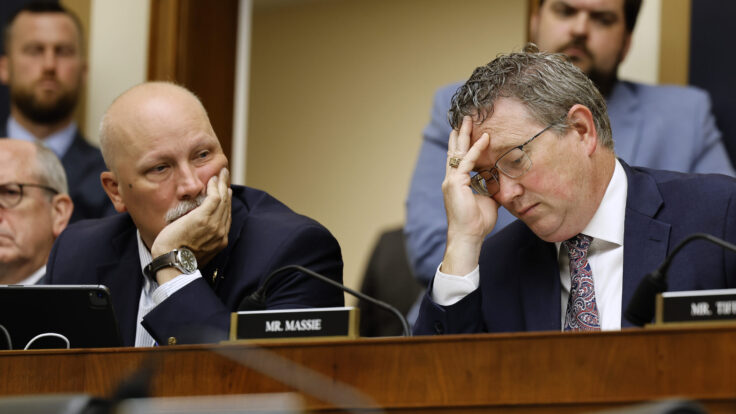
The Puck team discusses the tragedy on the set of Rust, what the Dune box office presages for the post-pandemic film business, and the most ridiculous parts of the TMTG pitch deck. PETER HAMBY, MATT BELLONI, AND WILLIAM D. COHAN 
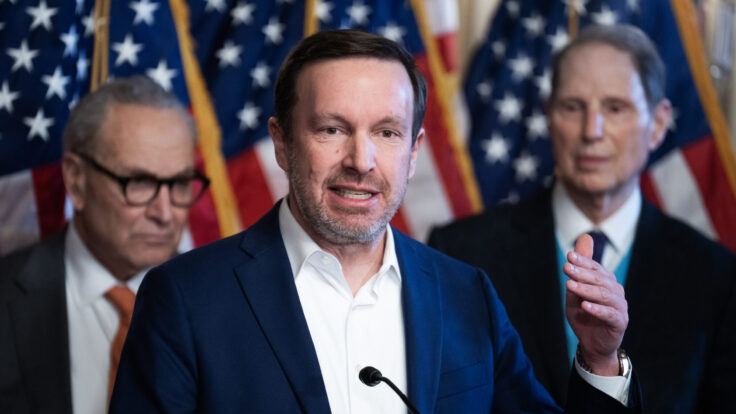
The merger appears reckless, even to those in Trumpworld. As one former senior advisor put it: “It's got as much gas as the Hindenburg.” TINA NGUYEN 
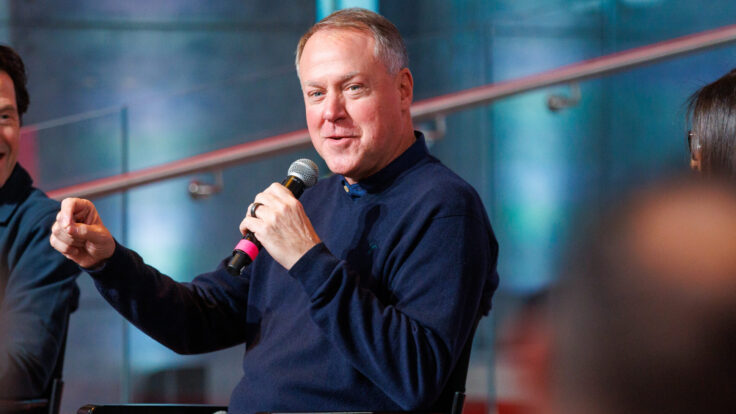
A conversation with Matthew Ball about how Hollywood botched the rise of the internet—and how studios could reverse their fortunes. MATT BELLONI 
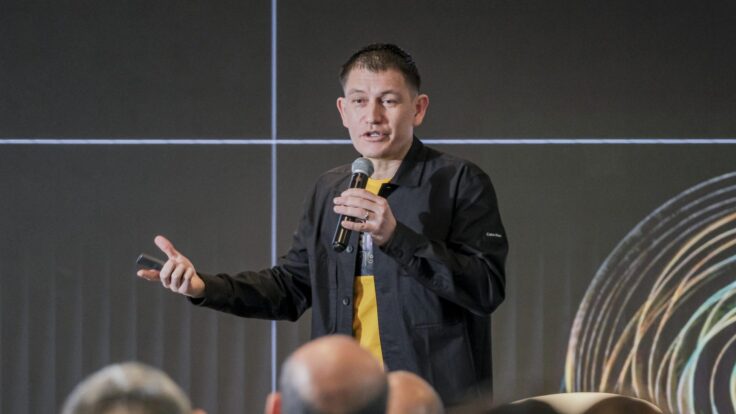
Apollo has long been identified with its co-founder Leon Black. Now his successor Marc Rowan is on a mission to change that narrative—pronto—and to make a killing in the process. WILLIAM D. COHAN 
You received this message because you signed up to receive emails from Puck.
Was this email forwarded to you?
Sent to {{customer.email}}
Puck is published by Heat Media LLC.
For support, just reply to this e-mail. For brand partnerships, email ads@puck.news |


SHARE