{{ 'now' | timezone: 'America/New_York' | date: '%b %d, %Y' }} |
|
|
|
Hello and welcome back to the Tuesday edition of What I’m Hearing, steered by Eriq
Gardner. Tonight, Eriq has the numbers on just how lucrative taking on Ticketmaster can be for the lawyer at the center of the recent antitrust trial win. Plus, Blake Lively’s latest attempt to spin her Baldoni case, and the unusual contract clause that could cost Netflix millions.
All yours, Eriq (and send him tips at Eriq@puck.news).
Not a Puck member
yet? Never too late. Just click here.
Also
discussed in this issue: Jeffrey Kessler, Elinor Hoffmann, Lewis Liman, Ike Perlmutter, Tyra Banks, Rob Bonta, Harold Peerenboom, Thomas Clare, Catherine Simonsen, Shaoul Sussman, Nicolas Stebinger, David Ellison, Gail Slater, Katie Couric, Michael
Black, Arun Subramanian, Andrew Ross Sorkin, Robert Van Nest, and more. |
|
|
|
A MESSAGE FROM OUR SPONSOR |
Comedy, authenticity and performance – YAHYA ABDUL-MATEEN II on stepping into the world of WONDER
MAN and balancing humor and drama to hit on the anxieties of Hollywood.
Read Here
|
|
|
|

| Eriq Gardner
|
|
- A Blake-Baldoni afterword:
Judge Lewis Liman’s ruling on Blake Lively’s post-settlement gambit landed more or less where I expected: some attorney’s fees, yes; compensatory and punitive damages, no. One of the footnotes would theoretically tee up the
potential sequel I wrote about earlier, but I wouldn’t hold my breath. After two years of expensive, reputation-scorching total war, it’s fair to wonder whether Lively would want to do any of this again. And even if she did,
the settlement seems to preclude that possibility. My conclusion stands: She came out worse from that deal.
That said, Lively did notch a small but meaningful victory beyond the headline-ready fee award (which is likely to be just a fraction of her overall legal costs). In wrestling with how to
incorporate Section 47.1—California’s still-fresh #MeToo statute—with federal rules of civil procedure, Liman effectively treated the law as shifting the burden on malice. In other words, once Lively established that her statements alleging sexual harassment on the It Ends With Us set were privileged, it was up to Justin Baldoni’s side to prove bad faith (which he didn’t). That aspect of the
opinion is likely to be cited often in future cases, and it may even help spur other states to experiment with their own versions of § 47.1. Lively can at least hold on to that.
Still, anyone contemplating a defamation suit over a sexual harassment complaint will take comfort in the other half of the ruling: Federal procedure, specifically Rule 54(d), isn’t the
right vehicle for further damages. That finding will also likely encourage plaintiffs to keep steering these fights to federal court. Anyhow, these are the sort of issues that will one day wind up before an appeals court—just not in this particular battle, thanks to the unusually structured Lively-Baldoni settlement. - Netflix gets sued… again: For those in need of fresh defamation drama, there’s Tyra
Banks’s new lawsuit against Netflix over Reality Check: Inside America’s Next Top Model. Banks alleges that producers selectively edited her interview to suggest she knew a contestant had been sexually assaulted and either ignored it or helped cover it up. That’s the real heart of this case, though don’t overlook a Lanham Act claim that Netflix used
her image on a soundtrack album in a way that falsely implied her endorsement—a savvy touch by her lawyer Thomas Clare, because it helps keep this fight in federal court, where the path to discovery may prove smoother than it would elsewhere.
It would be easy to toss this case into the growing pile of libel suits challenging Netflix documentaries, or to compare it to Clare Locke’s
unsuccessful litigation over the allegedly deceptive editing of Katie Couric’s gun-control documentary. But this case has an extra wrinkle: Banks’s appearance
release included a provision stating that her interview footage “may not be edited in such a way as to … portray me in a manner that constitutes actionable defamation.” That’s not language you see every day. Does it meaningfully constrain a producer’s editorial discretion? How much work is the word “actionable” doing in that sentence? And how does that provision interact with the rest of the release, where Banks broadly waived claims against the producers, including claims for defamation and
breach of contract? However this plays out, it’s unlikely to be a straightforward First Amendment fight. - Yet more defamation: You may remember the batshit spat between former Marvel chairman Ike Perlmutter and his very rich Palm Beach neighbor Harold Peerenboom. What began as a nasty little battle over tennis evolved into hate mail, allegedly pilfered DNA, and leaks to Andrew Ross Sorkin at The New
York Times. Anyway, as I wrote last year, the decade-long war had made its way to the Florida Supreme Court, which had to decide how much gatekeeping state judges must do before allowing a litigant to seek punitive damages. The answer from the justices this past week:
Not much.
That’s a win for Perlmutter, who accuses Peerenboom of a malicious attempt to destroy his reputation. But it’s also potentially useful for other Florida libel plaintiffs, including Dr. Michael Black, another Clare Locke client involved in a
marathon case against CNN. Trials in both cases may happen… eventually.
|
|
|
|
And now for the main event… |
|
|
|
As states assume the lead on antitrust enforcement, a number of private attorneys are
getting creative with success fees—including Jeffrey Kessler, whose firm bet tens of millions of dollars on his ability to take Live Nation to the cleaners. |
|
|
|
Back in February, as word spread that Justice Department antitrust chief Gail Slater was
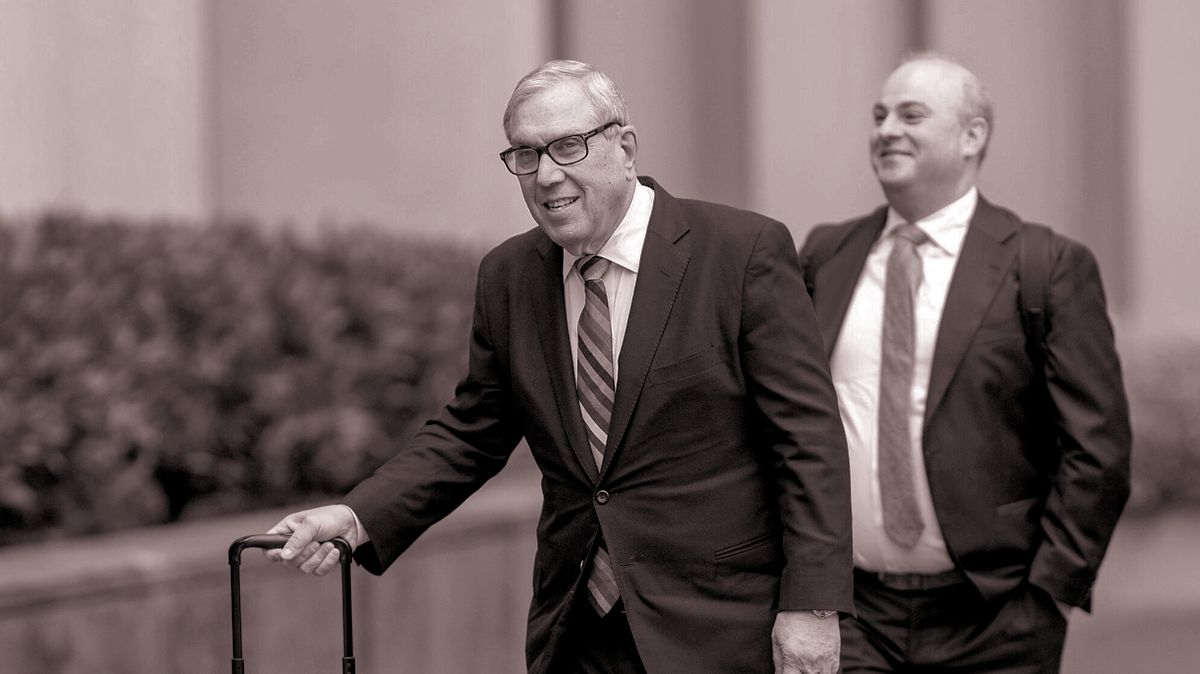
being pushed out, a few state A.G. offices—New York, Tennessee, and D.C. in particular—saw the writing on the wall. The D.O.J. was preparing to cut a lobbyist-fueled deal in the Live Nation case and leave the states holding the bag just weeks before a trial many hoped would culminate in a long-sought breakup of Ticketmaster. The states weren’t equipped to lead a monopolization trial of this magnitude on their own. So they went looking for outside help—and got it from Jeffrey
Kessler of Winston & Strawn (now Winston Taylor), one of the country’s premier antitrust trial lawyers.
But what exactly did it cost to bring him in? And how much in fees might Kessler ultimately collect following the jury’s April verdict that Live Nation illegally maintained monopoly power? Thanks to public-records requests, I can now answer both those questions.
The fee arrangement the states negotiated with Kessler was anything but conventional. The Winston
firm agreed to a 10 percent discount and to collect only half of its fees as the case progressed—effectively receiving just 45 percent of its normal rates. Kessler’s standard billable hour was $2,250, but the states would pay only about $1,013 of that amount as the litigation unfolded. The remaining 55 percent would be carried by the firm as an at-risk investment.
If the states lost, Winston would eat those deferred fees—perhaps as much as $15 million, given the trial’s duration and the
number of partners and associates working on the case. If the states obtained damages or penalties, however, Winston would receive a success fee equal to 15 percent of the recovery, capped at twice the value of its unpaid fees. (In other words, if Winston had invested $15 million in deferred fees, it could earn a success fee worth as much as $30 million, bringing its total compensation to $42.3 million.) And if the states obtained injunctive relief (i.e., a Ticketmaster breakup)—even
without monetary damages—the firm was guaranteed at least 120 percent of its full fees. Meaning that Winston wasn’t merely representing the states; it was wagering millions on its ability to deliver a win. |
|
|
|
A MESSAGE FROM OUR SPONSOR |
BEN KINGSLEY, Creator/Director/EP DESTIN DANIEL CRETTON, Creator/Writer/EP ANDREW GUEST and more
of the Team discuss bringing a very different kind of story to the Marvel Universe. Watch as they discuss the series’ unique tone and grounded comedic narrative that allowed these characters and the ensemble cast to flourish.
Watch
Here
|
|
|
|
It was a major risk, but Kessler was confident from the start. He sent his first proposal detailing a
contingent relationship on February 13, just one day after Slater’s departure became official. The state A.G.s didn’t balk at the concept of a success fee, though they did push back on some of the economics, eventually insisting that any such payment come from a recovery rather than state-appropriated funds. As negotiations intensified, so did the urgency. “Would your team consider a quick, upfront retainer with a cap that would enable you to get up to speed now, regardless of what happens down
the line?” New York Antitrust Bureau chief Elinor Hoffmann asked Kessler in one email. “This would be an ‘insurance policy’ should circumstances change in the middle of trial.” Kessler quickly agreed to a $400,000 cap.
That proved prescient. At the end of the trial’s first week, federal prosecutors announced a settlement. U.S. District Judge Arun Subramanian appeared furious, calling the surprise development “mind-boggling.” Nevertheless, he ordered the
case to continue. Fortunately for the states, Kessler was already lined up, though the engagement letter would not be formally signed until March 6, a Friday. The insurance policy had paid off. Kessler took over at trial that Monday.
It will be a while before any of these contingent fees are realized. The Live Nation case has just concluded its liability phase, and the judge must decide whether to approve the feds’ settlement and Live Nation’s motion for a do-over of the trial. Only then,
after further briefing and more oral arguments, will he decide on a remedy. The states have recently delivered a list of proposed remedies—including, of course, divestment of Ticketmaster. |
One consequence of Washington becoming more hesitant (or more politically constrained) on antitrust
enforcement is that private law firms like Winston Taylor are beginning to step into the vacuum as deputized bounty hunters of sorts. For years, the most lucrative antitrust work was defending corporations or bringing private class actions. That may no longer be the case.
Part of the reason is economic. When the Justice Department brings an antitrust case, there is no damages pot. The work is prestigious enough that the government has traditionally been able to attract talented lawyers,
but it could never offer the kind of upside available in private litigation. State competition laws are different. Many authorize monetary recoveries in the form of penalties, restitution, and damages, creating room for compensation structures that look far more like those used by the plaintiffs’ bar.
To be sure, states have long hired private lawyers in areas such as tobacco and opioid litigation, environmental enforcement, and consumer protection. Antitrust, however, has largely
remained the province of government lawyers. That is what makes the Kessler arrangement so notable. The question now becomes whether introducing outside lawyers with a direct financial stake in the outcome changes the shape of these cases, influencing everything from settlement dynamics to trial strategy.
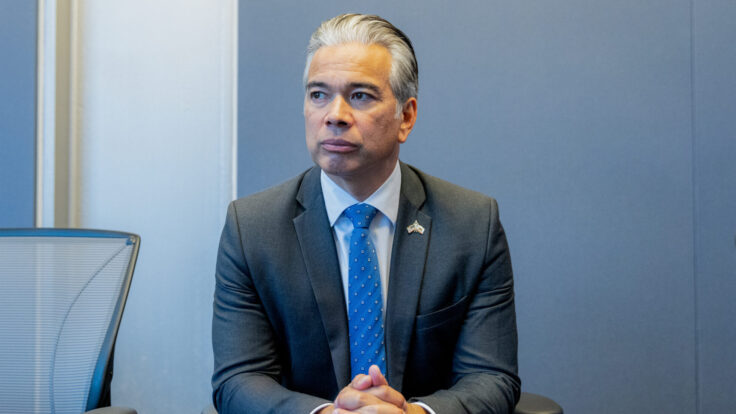
Kessler’s deal may offer a glimpse of what’s ahead. California Attorney General Rob Bonta has already enlisted Simonsen Sussman—the firm founded last year by former
F.T.C. officials Catherine Simonsen, Shaoul Sussman, and Nicolas Stebinger—to help him fight the Nexstar–Tegna merger. Meanwhile, The Hollywood Reporter reported this week that Bonta has also been in discussions with superstar trial lawyer
Robert Van Nest about representing California in a challenge to the Paramount–Warner Bros. Discovery deal. Hiring a lawyer of Van Nest’s stature would not come cheap. A go-to litigator for Google, Qualcomm, and OpenAI, he commands rates comparable to Kessler’s. That said, if states can build contingency or hybrid-success arrangements into these engagements, they may suddenly find themselves able to recruit the most-desirable antitrust trial lawyers in the country. |
Kessler declined to discuss his fee arrangement. But I did interview him a few weeks ago about defending the
Paramount–WBD merger against court challenges—including, potentially, some of the very state A.G.s he represented in the Live Nation case, a possibility he anticipated early enough to insist on a conflict waiver. Something he said at the time caught my attention.
In discussing a possible preliminary injunction, Kessler pointed to the roughly $700
million quarterly “ticking fee” that Paramount would owe WBD shareholders if the deal failed to close on schedule. I was struck by how he had transformed what was originally a signal of confidence—a carrot offered to WBD shareholders who had once entertained a rival bid from Netflix—into a reason that a judge should hesitate before delaying the merger.
But the more I thought about it, the more it occurred to me that the ticking fee could serve another purpose. Every quarter of delay now
carries a measurable cost. What if David Ellison promised his lawyers a bonus for helping avoid those fees? What if merger defense, like merger challenges, starts to incorporate success-based economics?
To be clear, I don’t know if that’s Kessler’s arrangement here. But the Live Nation documents establish that he’s certainly comfortable getting creative. And given the stakes involved in the Paramount deal, it is hard to imagine that a lawyer of his stature signed on under
entirely ordinary terms.
Whatever the answer, it’s clear the economics of antitrust are changing—not just for those challenging mergers, but also for those defending them. If state A.G.s are building a private antitrust bar on the enforcement side, it may be a matter of time before dealmakers respond in kind. The next antitrust arms race may not be over legal theories, but compensation. |
Thanks, Eriq. What I’m Hearing will be back tomorrow.
Matt |
|
|
|
Puck founding partner Matt Belloni takes you inside the business of Hollywood, using exclusive reporting and insight to explain
the backstories on everything from Marvel movies to the streaming wars. |
|
|
|
Ace media reporter Dylan Byers brings readers into the C-suite as he chronicles the biggest stories in the industry: the future
of cable news in the streaming era, the transformation of legacy publishers, the tech giants remaking the market, and all the egos involved. Also featuring a weekly dispatch from Puck’s crack streaming/media analyst, Julia Alexander. |
|
|
|
Need help? Review our
FAQ page or contact us for assistance. For brand partnerships, email ads@puck.news.
You received this email because you signed up to receive emails from Puck, or as part of your Puck account associated with {{customer.email}}. To stop receiving this newsletter and/or manage all your email preferences, click here. |
Puck is published by Heat Media LLC. 107 Greenwich St., New York, NY 10006 |
|
|
|
|