Fox’s Creator Studios Doesn’t Care Where You Watch… as Long as You’re Watching
Studios and streamers have had mixed success trying to graft YouTube stars onto their own platforms. Fox’s new Creator Studios is trying something different: investing in I.P. across the internet, regardless of where it shows up.
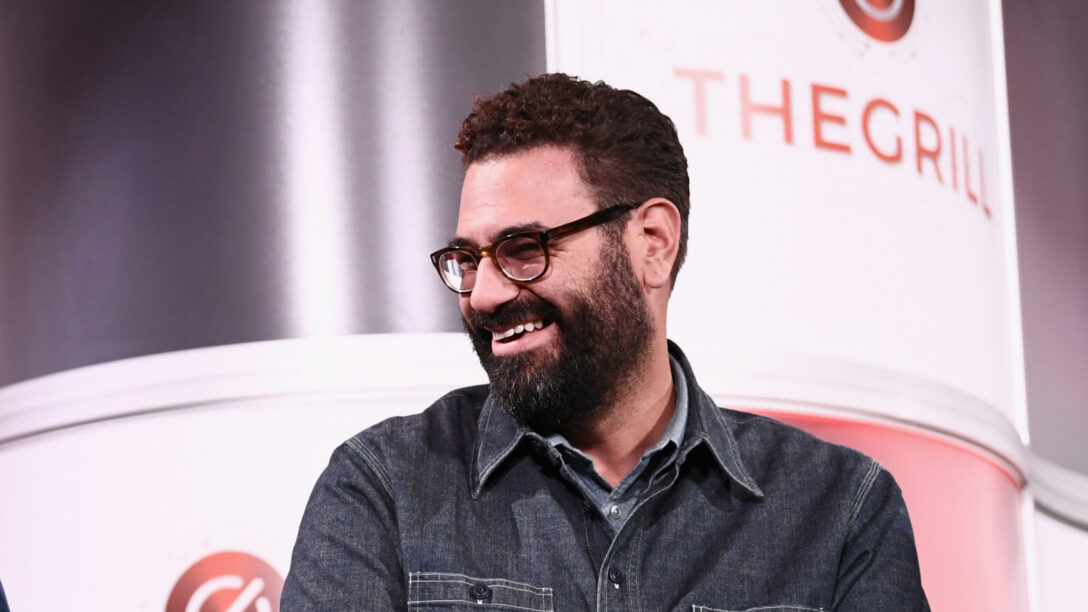
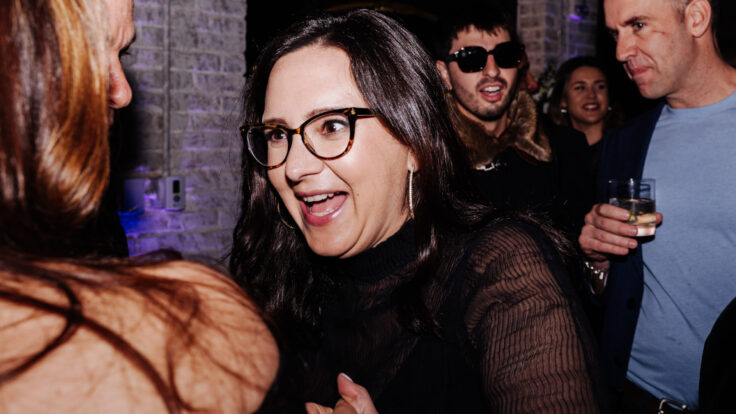
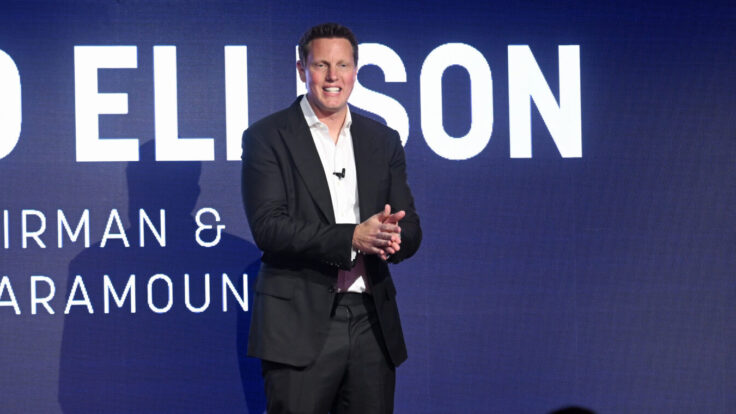
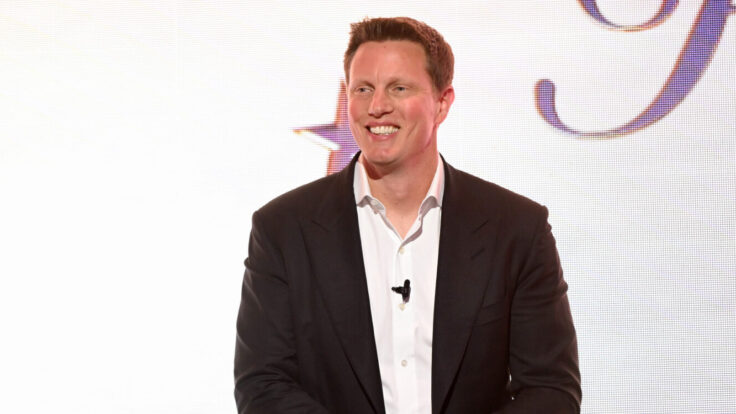
Head of Fox Creator Studios, Billy Parks
Photo: Emma McIntyre / Getty Images
Twenty years after YouTube launched, Hollywood is still trying to figure out what to do about it. Over those two decades, what began as a lo-fi website for user-generated content has become the largest threat to traditional TV as well as the streaming giants that grew up alongside it. The platform generates more than $60 billion in annual revenue, and is now home to NFL Sunday Ticket and the Oscars. Most recently, of course, YouTube-native content creators Kane Parsons, Curry Barker, and Mark Fischbach, among others, have crossed over to the multiplex, evidence that the next generation of Hollywood talent is being minted far outside the studio system.
Everyone in town is trying to combat the 800-pound gorilla in their own way. Netflix has repurposed children’s content from Ms. Rachel and Daniel Coleman (Danny Go!) while ingesting big-ticket video podcasts from figures like Jay Shetty and Bill Simmons and a three-hour daily livestream from The Breakfast Club’s Charlamagne tha God. (Sources at multiple data analytics firms told me it’s too soon to know whether these bets are working.) CAA is teaming up with TPG for a $250 million fund to invest in the future of YouTube talent, Bloomberg reports. (Usual disclosure: TPG is an investor in Puck.) Meanwhile, Amazon Prime Video broke into the Nielsen streaming top 10 last year with Jimmy Donaldson’s Beast Games, although viewership has dropped off for the second season—and, at a reported $150 million a season, the deal is not cheap.
But licensing or poaching digital creators isn’t the only way to get ahead. Early last year, Fox Entertainment launched Fox Creator Studios with a very different mandate: Identify talent and develop I.P. that can be platform agnostic. Billy Parks, a former Chernin Group executive,is running the accelerator program, which is focused on building new I.P. around digital projects across major platforms and formats, including Instagram, TikTok, and others. Projects will run the gamut from scripted, unscripted, and animated shows to podcasts.
Notably, the strategy doesn’t rely on simply licensing content for Fox’s owned-and-operated platforms—although that’s also part of the deal—but investing real dollars into these other platforms where audiences don’t seem to want to leave. “We are not trying to drive people to any particular platform,” Parks told me. “We are giving capital to creators, and then sharing in the I.P. ownership, letting them publish where they have their relationship with their audience.”
Put more succinctly, Fox’s Creator Studios is focused on “making money on the internet,” Parks said, not necessarily trying to compete with the internet. Creators can still keep content behind paywalls (like Patreon) if they choose, and collect AdSense dollars from YouTube. (Parks did not say how Fox’s revenue-sharing program works.) Parks acknowledged that convincing top creators to leave their original platforms and produce content for a streamer would ultimately defeat the purpose of working with those creators by essentially cutting them off from their audience. Drew Rowny, who leads product at Patreon, agreed with the sentiment. “Growing your audience on one platform and owning or monetizing it elsewhere is an artifact of history,” he told me.
Indeed, many of today’s top creators are allergic to exclusivity. ESPN was never going to pry Pat McAfee away from YouTube, and Amazon couldn’t lock MrBeast into a traditional overall deal. In fact, when Prime Video first announced Beast Games, Donaldson appeared at the upfronts alongside Neal Mohan to explicitly state that YouTube was home—even if he’d be monetizing his brand everywhere.
In many ways, the Fox Creator incubator is trying to bypass this dynamic by investing in talent earlier. According to Parks, Fox wants to help creators build their own audiences, not simply try to replatform audiences onto TV. “We are not uncomfortable with the lack of control,” he told me. On another level, however, the Creator program appears to be attempting just that: attaining some control over the creative pipelines that operate independently of legacy media.
Don’t Bet Against the House
To its credit, Fox has always been open-minded when it comes to media strategy and acquisitions. Over the past few years, the company has bought Tubi, TMZ, the Bento Box animation studio, Red Seat Ventures, Supercast, and has inked other forward-looking new media deals. Now, with Creator Studios, Fox is “trying to bridge YouTube internet culture with a very entrepreneurial culture here,” Parks told me. But it’s also true that for every creator that Parks & Co. manages to mint, YouTube will churn out 100 more—all while continuing to dominate the ad side of the equation.
Indeed, thanks to its revenue-sharing business model, YouTube doesn’t need to invest anything in this next generation of superstars. These creators know a launchpad when they see one, and the platform itself doesn’t rely on standout shows to generate the majority of its engagement. To wit, YouTube’s top 100 channels (excluding Shorts) accounted for only about 6 percent of total viewing time last year, per Digital i, although it continues investing in premium content to secure top-tier CTV ad dollars.
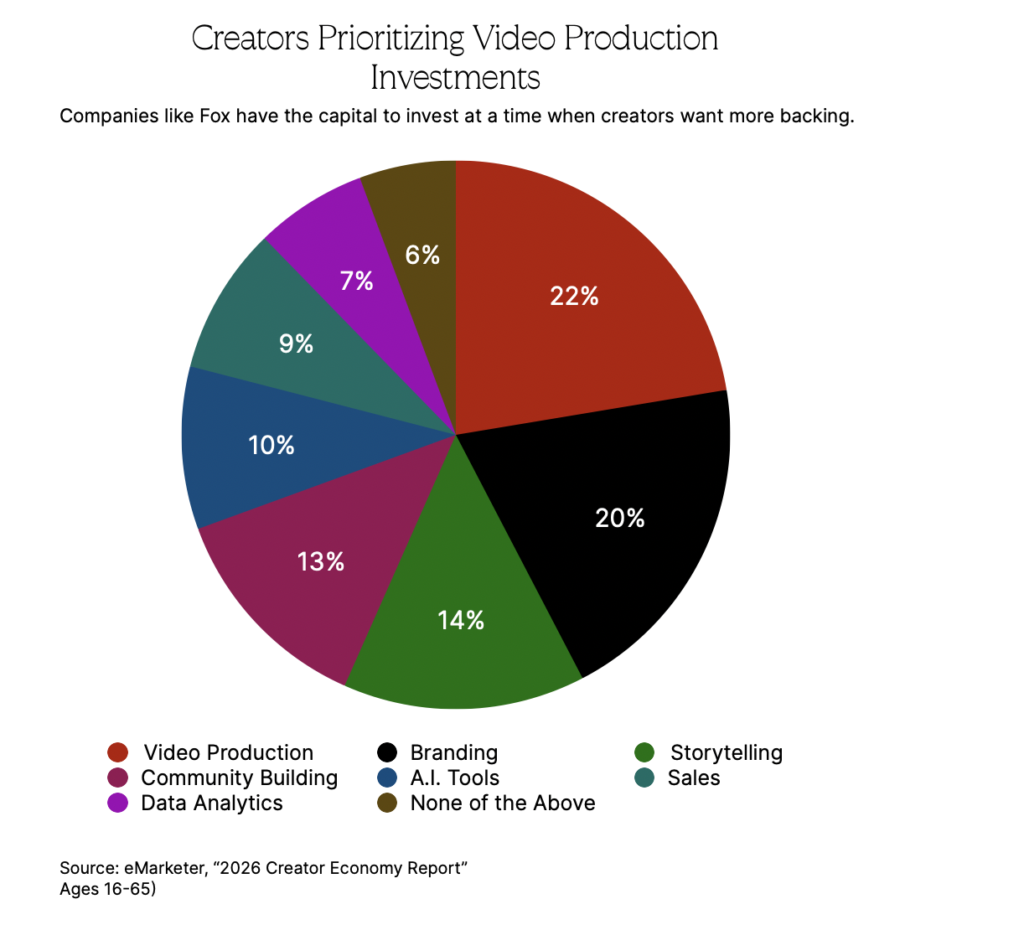
Fox seems to have realized that you can’t beat YouTube at its own game, so you might as well invest in creator talent to capture some of the upside. The data supports the strategy: In a recent Harris poll produced with Tubi that surveyed 2,500 U.S. adults who stream at least one hour a week, nearly 70 percent of respondents said they prefer creators to traditional entertainment, with nearly 80 percent saying they want new creator content from their favorite personalities without having to pay for it. At the same time, less than 40 percent of respondents said they were interested in older videos from their favorite creators moving over to other streaming services. That puts companies like Netflix, Disney, and Amazon in a bind—but Fox, rather savvily, navigates around the problem entirely.
Alas, it’s still too early to know whether the best strategy is to partner with YouTube, compete with YouTube, or develop native YouTube talent. But the winning formula is probably some combination of all three. For my money, the safest option would be to hitch a ride on the YouTube bullet train rather than try to stand athwart the tracks. If I’ve learned anything in my digital media career, it’s never to bet against the house.
Try Puck for free
Sign up today to join the inside conversation at the nexus of Wall Street, Washington, A.I., Hollywood, and more.
Didn't get an email? Check your spam folder and confirm the spelling of your email, and try again. If you continue to have trouble, reach out to fritz@puck.news.
Didn't get an email? Check your spam folder and confirm the spelling of your email, and try again. If you continue to have trouble, reach out to fritz@puck.news.
Member Exclusive
Get access to this story
Create a free account to preview Puck’s full offering, including exclusive articles, private emails from authors, and more.