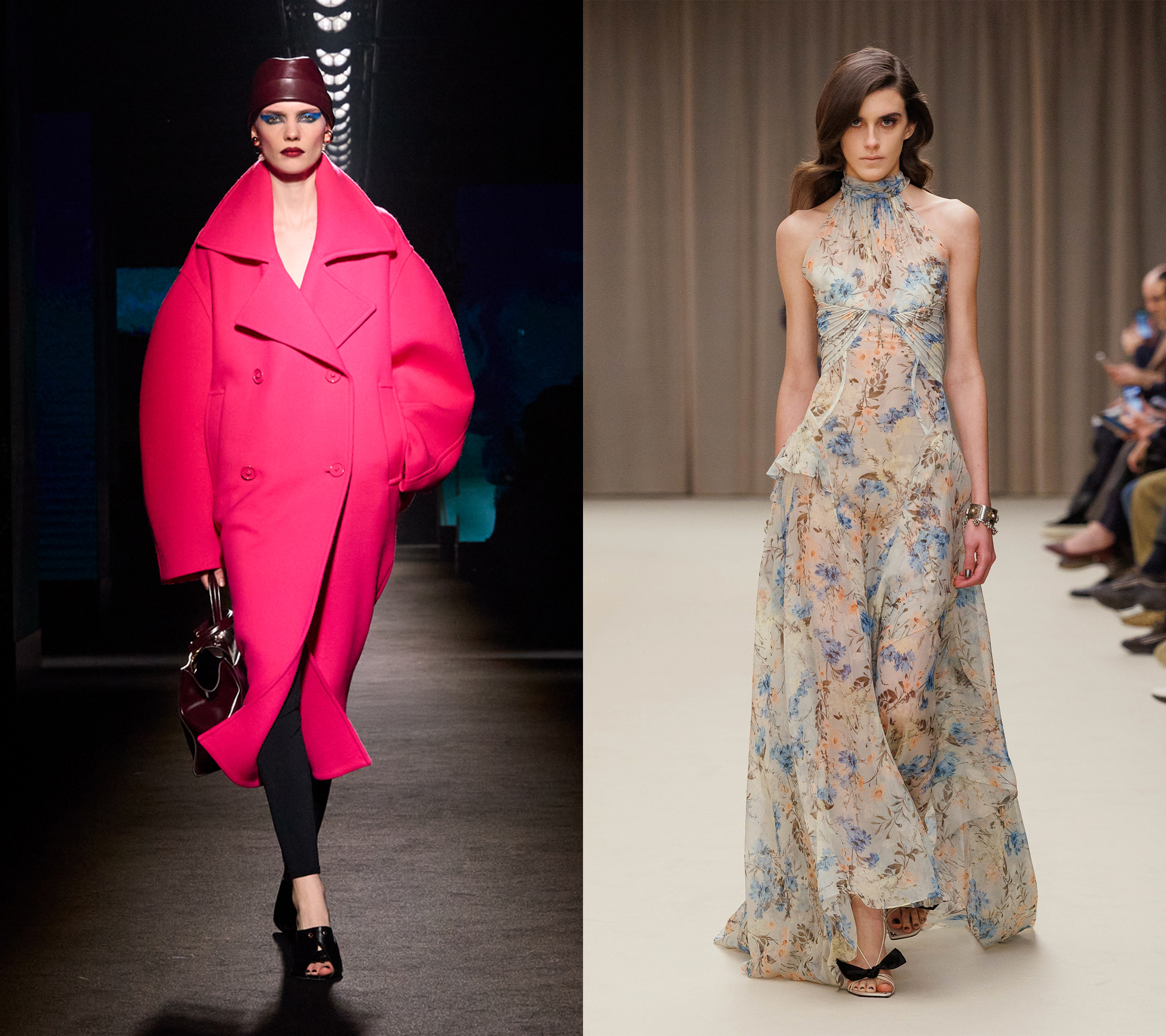
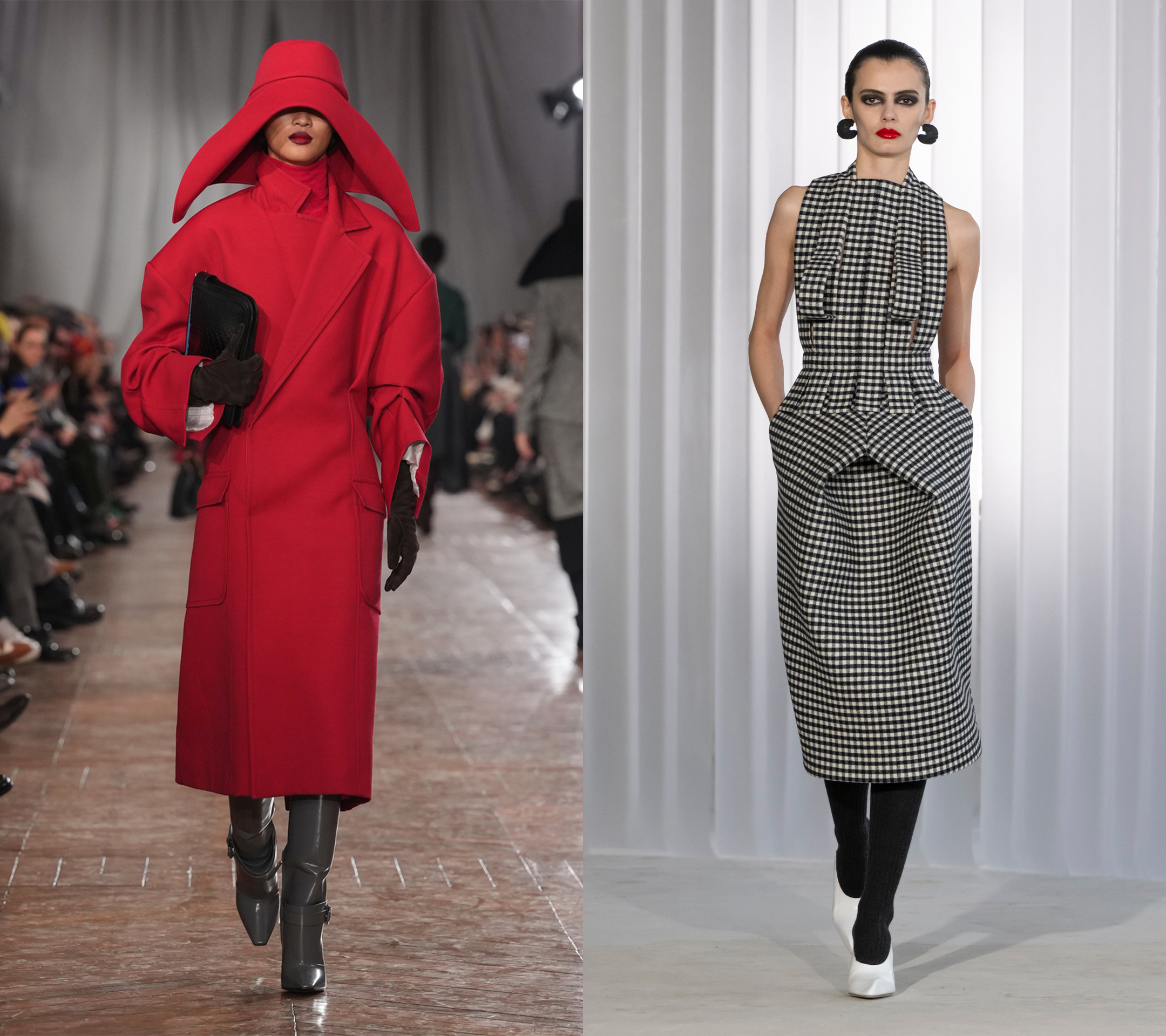
Hello, and welcome to Line Sheet. Am I the only person in the world who doesn’t smoke
cigarettes?
I was certainly tempted last night at Giuliva Heritage co-founder Margherita Cardelli’s dinner with Becky Malinsky and Plum Sykes at the newly opened (and beautifully done, don’t laugh) Sant Ambroeus on Rue Saint-Benoît, where the party favor was an engraved matchstick box. It’s rare to attend and enjoy a proper dinner toward the end of Fashion Month, but perhaps
that’s because it felt like a friend dinner, not a work dinner. I probably would have skipped it if I’d been asked by anyone else, but they are all one-and-onlies in their own right.
Meanwhile, I’ve been busy talking and looking and, yes, shopping. The Chanel frenzy is real now that Matthieu Blazy’s first collection has dropped. More on that below, plus a readout on the best and worst of the shows so far (somehow they are not over!!), as well as a few other quick hits on
everything from Saks Global’s store strategy to the whereabouts of minor Line Sheet celebrity Nick Vogelson. Later this week, I’ll be ranking my favorite shows of the season and doling out superlatives—send your thoughts, nominations, etcetera.
By the way, tomorrow on Fashion People, a rare double-header. First up, How Long Gone’s Jason Stewart joins me to chat about his first trip to Paris (!) as well
as the Loewe show, to which he was inexplicably invited. Then, Substacker extraordinaire (and more, of course) Derek Blasberg pops in to survey Paris Fashion Week and roast me. Listen here and here.
Also
mentioned in this issue: Jack McCollough, Phoebe Philo, Julien Dossena, the Sun Belt, Julian Klausner, Anthony Vaccarello, Sam Levinson, Seán McGirr, Michael Rider, Duran Lantink, Nadège Vanhee, Ashley Olsen, Carina Frey, Marie Adam-Leenaerdt,
Camille Bidault Waddington, Picasso ceramics, Luca Solca, Mary-Kate Olsen, Jonathan Anderson, Stefanie Barth, Raf Simons, Geoffroy van Raemdonck, Jodie Barnes, actual zippers, Talia Chetrit, Lazaro Hernandez, Pierpaolo Piccioli, Peter Copping, and more… |
Four Quick Things You Should Know…
|
- The
nine lives of Nick Vogelson: The last we heard from the Document co-founder and editor-in-chief, his magazine was facing insolvency. Vogelson owed tons of money to former employees, as well as to brands for editorials that never materialized. Now I’m hearing from annoyed publicists and former employees alike that Vogelson has launched a consultancy called Mythologies. (There is already a creative agency called Mythology. Just an F.Y.I., Nick.)
Perhaps it’s no surprise that
he’s back. Document went through several iterations, and if people are willing to pay Vogelson, he will stay in the mix. That said, he definitely has a lot of apologizing to do. As one former employee told me, no one ever expected to be paid much from Document, but they nevertheless felt misled by Nick—he apparently kept saying that everything was going to be okay and promising things he couldn’t deliver on. I asked Vogelson what he was up to. He said that he’s “taking
a little time” after everything that went down, and that Mythologies is “just a placeholder umbrella for now while I think through a few different directions.” - The great Saks culling continues: Saks Global C.E.O. Geoffroy van Raemdonck is keeping his promise to investors and closing a ton of underperforming locations, including 12 more Saks Fifth Avenue stores and three more Neiman Marcus locations—on top of the eight Saks stores and
one Neiman location that were announced in February. Distribution is shrinking, but that’s actually a good thing. As one former Saks Global executive told me years ago, Saks is stronger in the north, and Neiman Marcus is stronger in the Sun Belt, so expect the closure pattern to reflect this trend.
The reductions will also increase productivity at the remaining stores and open up space for more competition. We don’t want more Saks and Neiman Marcuses, we want more A’maree’s and
Hirshleifers. (Disclosure: Last year, Saks Global sued Puck over our coverage of its debt structure and liability management.)
|
|
|
|
A MESSAGE FROM OUR SPONSOR |
For Fall Winter 2026, MALO offers an early view into what comes next. Grounded in the house’s long-standing commitment
to quality without compromise, knitwear comes into quiet focus with elongated silhouettes, and generous volumes. Pieces are conceived to layer naturally—knits over shirting, coats over dresses—creating a dialogue between softness and discipline, with modern proportions. Cashmere is shaped with precision yet worn with ease, expressed in a mineral palette of stone, camel, slate, and deep chocolate. Designed and made exclusively in Italy, this is a considered view of the season ahead, shaped with
clarity and intention. Explore Fall Winter 2026. |
|
|
|
- The
day of D.I.Y.: There have been a lot of great clothes on the runway this season, which I think, ultimately, has been driven by the fact that fashion consumers are thrifting more than ever and have full, beautiful closets. The competition for room in them is simply greater than it used to be. For the past few seasons, you could see designers like Miuccia Prada and Raf Simons, Dario Vitale,
Michael Rider, and others working this challenge out on the runway, and the conversation has continued here in Paris.
|
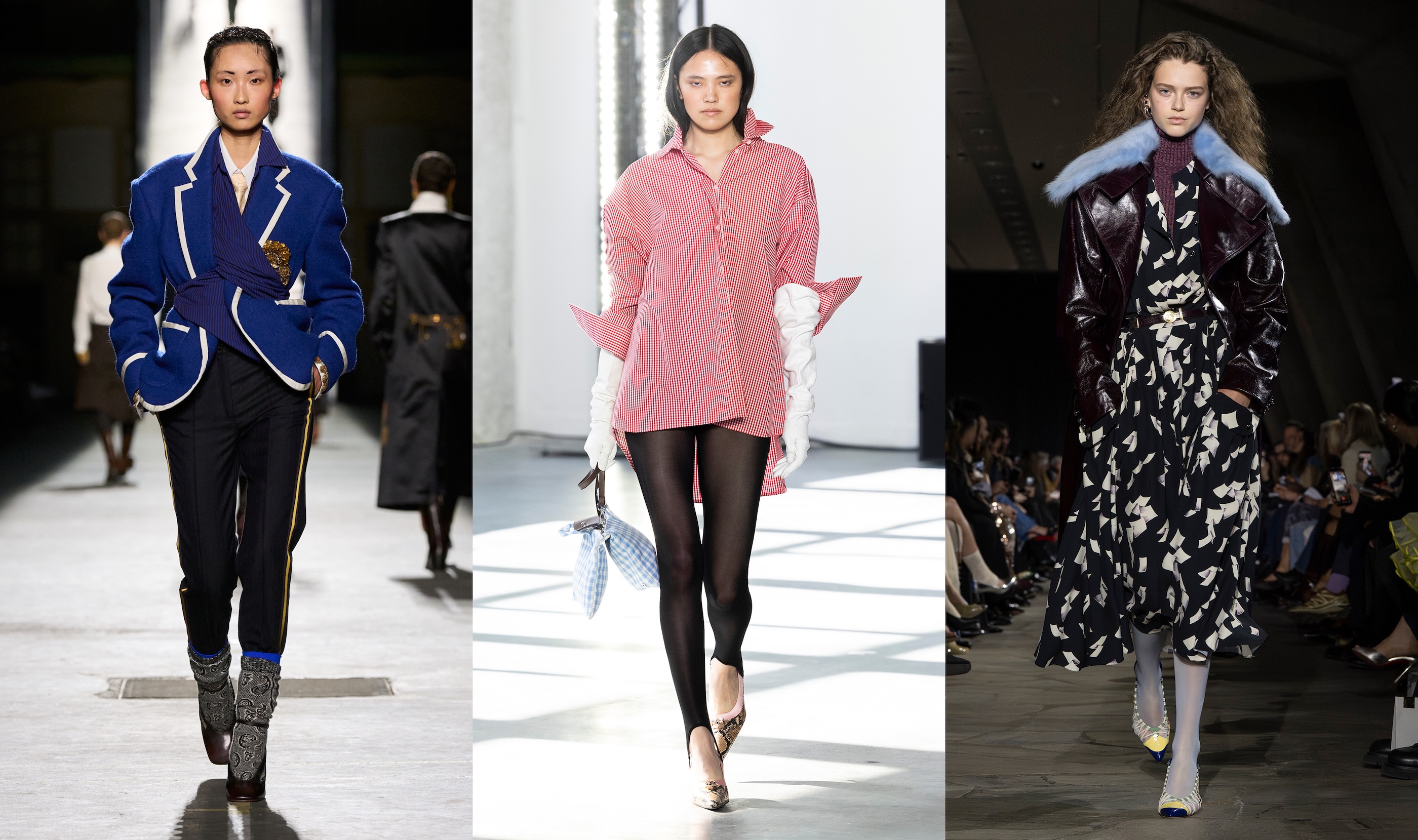
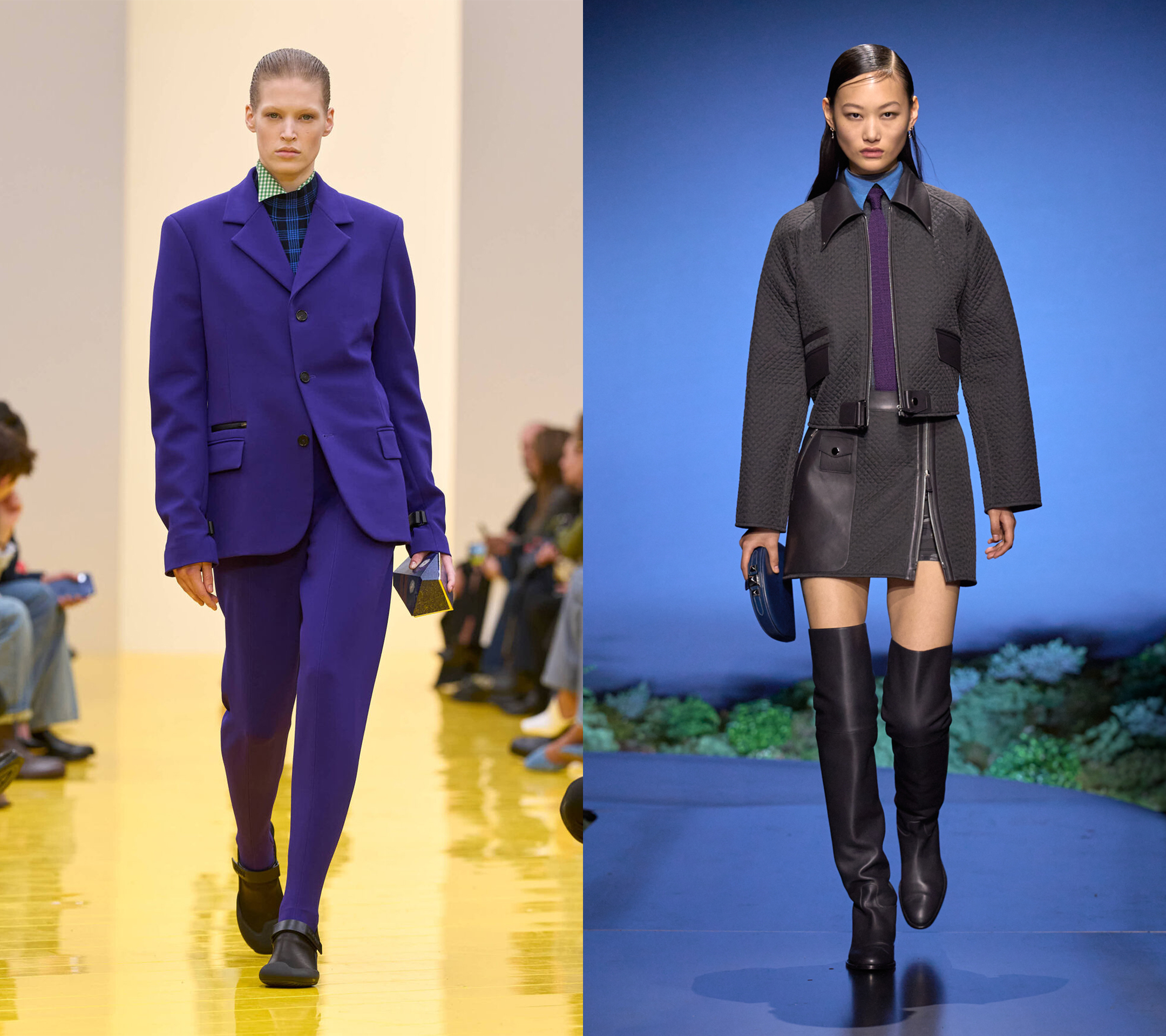
From left: Runway looks in Paris from Dries Van Noten, Marie Adam-Leenaerdt, and Rabanne. Photos: Courtesy of Dries Van Noten, Alessandro Garofalo/Marie Adam-Leenaerdt, Yannis Vlamos/Rabanne |
- Marie
Adam-Leenaerdt, who showed almost a week ago, used the idea of D.I.Y. specifically to pull together her collection. She is so good at twisting traditional concepts, and I loved her take on the pointelle knit tee that was everywhere this season. Dries Van Noten was always about personal style, and creative director Julian Klausner has reinforced this with confidence and his growing, singular authority. (I loved the way he tied a scarf inside a royal blue
prep-school blazer piped in white.)
Julien Dossena has been designing Rabanne for 12 years, and yet it feels incredibly new every season because it’s about the mix, not some fake idea of what fashion should be. I really liked the calico florals mixed with the candy-colored tango heels; it was all very cinematic.
|
- Yes,
the Chanel frenzy at the stores is real: We won’t see the financial impact until early summer 2027, when 2026 figures are released, but it’s happening. So much is sold out from Matthieu Blazy’s first collection. Everyone at the shows on Monday was wearing their Chanel shoes and Chanel jackets and Chanel bags. It is amazing to see a dowdy British fashion editor, with all her high street clothes, in a $6,000 jacket.
|
And now, on the main event... |
|
|
|
This season, Jonathan Anderson’s philosophy became clearer than ever—fashion brands can only succeed in the modern market if their designs can justify their own existence. Easier said than done, of course.
|
|
|
|
Less than a week ago, Jonathan Anderson made a definitive yet overdue
state-of-the-fashion-industry declaration: Repetition doesn’t sell anymore. Brands must deliver clothes that justify their own existence. What’s the why? At Dior, Anderson is wending his way on this path. At Saint Laurent, Anthony Vaccarello
knows his raison d’être almost too well. Throughout Paris Fashion Week, after last season’s avalanche of debuts, designers have been searching for their own answers. Some have introduced compelling propositions, resulting in the best clothes we’ve seen in a long time. Many others, however, are still searching for a rationale.
At
Loewe, Jack McCollough and Lazaro Hernandez are having a lot of fun. Their version of the Spanish house is playful and imaginative, and their experimentation with materials and color makes for a propulsive runway show experience. (Inflating some of the pieces to add dimension was an effective trick.) They are leaning heavily into sport and technology, which I like: It’s very them, but also sets the brand apart in a
moment where a lot of fashion is muddy-looking. Inserted among the showboat pieces were some great Crombie coats and an updated version of the three-button jacket made for spring. I’d love to see a bit more of that real-life stuff showcased on the runway, because there is tremendous value in what they’re proposing at their price point. (I tried one of the jackets from last season, which is beautifully made for around €2,000. That’s a lot of money, but downright reasonable when you survey the
market.) |
From left: Runway looks in Paris from Loewe and Hermès. Photos: Courtesy of
Loewe, Filippo Fior/Hermès |
Visiting Loewe stores this past week, I was impressed by how great the new shoes, belts, bags, and clothes
looked in the refreshed spaces, even though the aesthetic of the wares has changed significantly. (The flagship on Rue Saint-Honoré also has a special selection of art, everything from Picasso ceramics to Flemish portrait paintings.) It helps that McCollough and Hernandez have such a great sense of the image they want to put forward; they’re working with the art directors Carina Frey and Stefanie Barth, the
photographer Talia Chetrit, and of course, the stylist Jodie Barnes, who is the best match for them on this project. |
|
|
|
A MESSAGE FROM OUR SPONSOR |
For Fall Winter 2026, MALO offers an early view into what comes next. Grounded in the house’s long-standing commitment
to quality without compromise, knitwear comes into quiet focus with elongated silhouettes, and generous volumes. Pieces are conceived to layer naturally—knits over shirting, coats over dresses—creating a dialogue between softness and discipline, with modern proportions. Cashmere is shaped with precision yet worn with ease, expressed in a mineral palette of stone, camel, slate, and deep chocolate. Designed and made exclusively in Italy, this is a considered view of the season ahead, shaped with
clarity and intention. Explore Fall Winter 2026. |
|
|
|
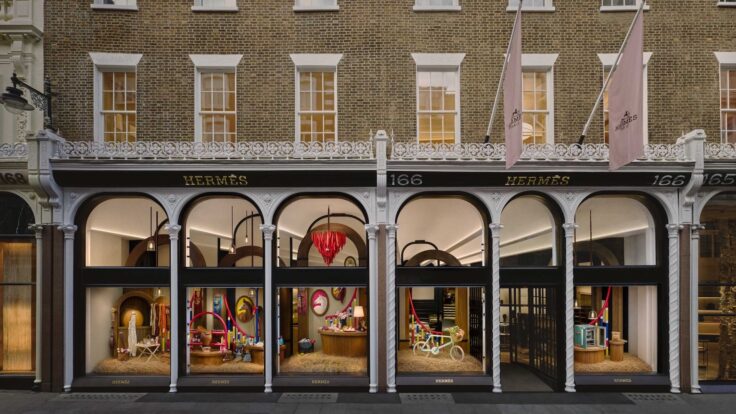
I’m missing Barnes over at Hermès; he had a good thing going with designer Nadège
Vanhee. Still, Vanhee was aggressive this season, building on the zipped-up look she’s been honing for the past few years with actual zippers, which opened up the silhouette, giving it more of an A-line. I appreciate her ability to bring Hermès into the fashion conversation without getting too close: pairing thigh-high boots with bike shorts, presenting a less severe version of this season’s skirt suit, etcetera. The bags were great, too: The more structured version of a
near-micro Picotin toughened up the Upper East Side–mom favorite.
It almost felt like Celine’s Michael Rider was pushing back on my recent “Handbags are so over” statement by having a model walk the runway holding one beside her heart. Or maybe he just wants to flex: I love that his bags are rendered in familiar shapes,
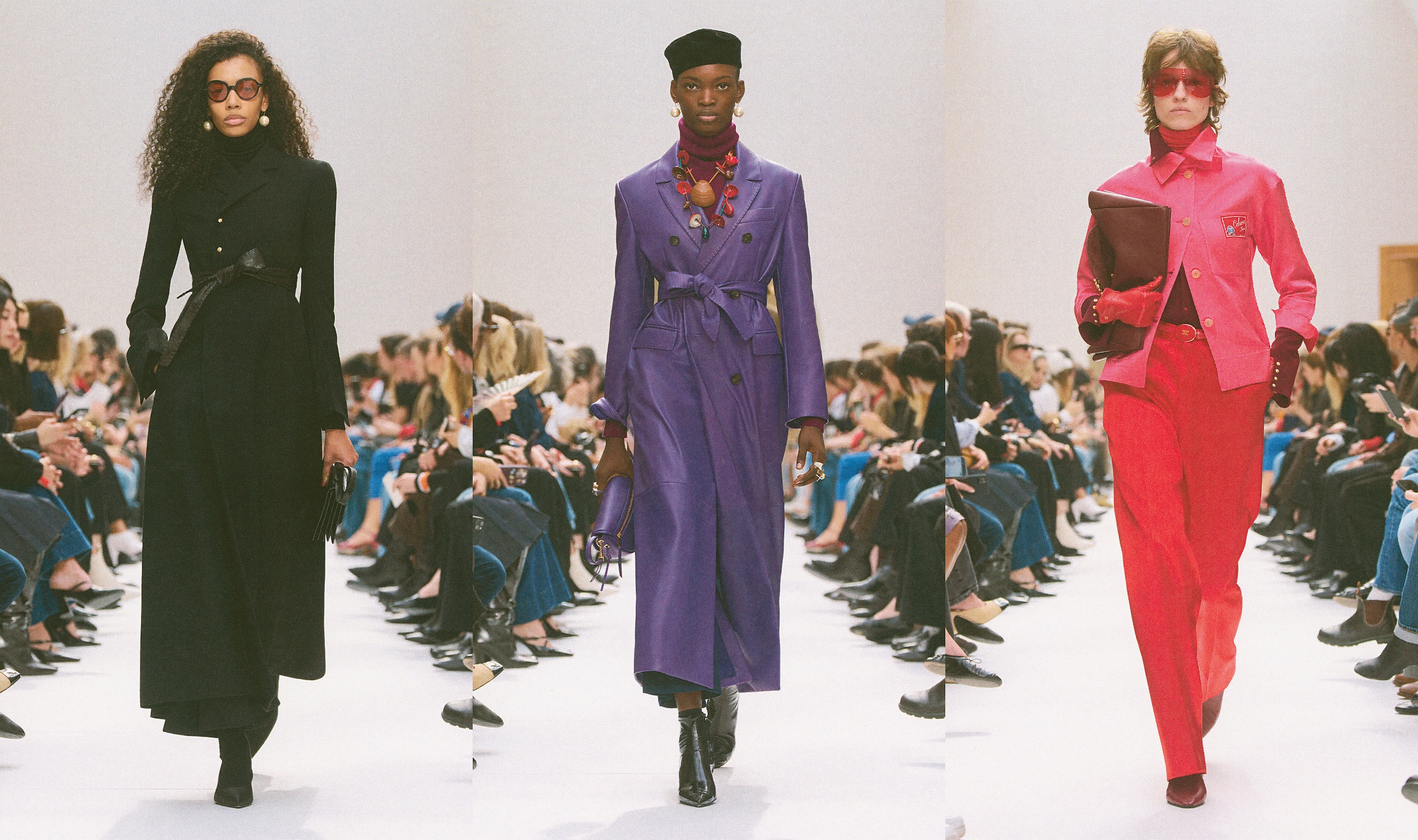
although softened up for real life, which is what Rider’s Celine is all about. There’s been a lot of talk this season about designer-to-designer transitions, and Rider’s is one for the books; his mastery of typography and codes is unparalleled, and feels so good. What he gets (and what his predecessors got, too) is that Celine is a bourgeois brand; it’s not precious, and the way he mixes silhouette and color and texture is so specific that it is difficult to straight-up copy. That’s why even the
Europeans, who hate prescriptive runway proposals, are loving what he’s up to. |
Runway looks in Paris from Celine. Photos: Courtesy of Celine
|
We’re not going to see another designer do Celine next season because there are so many elements of
the brand to consider. Any unoriginal rival will only be able to conjure and knock off elements of Rider’s work. I’m betting his cropped flare pant silhouette, silk scarf–lined trenches, and pointed booties are the big sellers and big influences. I also can’t wait to wear purple now. |
The latest collection from The Row received glowing reports from both buyers and editors. (People especially
liked the furs, but it all looked more distinctive and special this season.) As usual, no one was permitted to take photos during the show, save for shots of the individually wrapped blackberries parceled out as treats. The images, which were finally released on Monday morning, several days afterward, were nice because they showed the movement of the clothes.
I wonder if it’s enough. I am all for brands presenting their collections in a manner that feels germane and comfortable, and it
has made sense for The Row to retain their policy of omertà: After all, designers Mary-Kate and Ashley Olsen value privacy. Also, The Row has been so incredibly influential on the broader market. I am sure that the copycats are annoying. But there is also a value in imitation. Look no further than Phoebe Philo, who does not even show at Fashion Week (yet), but whose presence is felt on pretty much every runway through the
potency of her work and our access to imagery of it. Philo has used Instagram as her main form of communication, and along the way changed how women want to dress. The P.P. business is booming, in part, because so many people are mirroring her, not in spite of it.
Even Pierpaolo Piccioli caught the Phoebe bug. At his Balenciaga show on Saturday night, leather jackets and wraparound sunglasses abounded. Piccioli is a great designer, but his vision
for Balenciaga feels incongruent with his actual talent. He makes beautiful dresses and cuts a beautiful coat, but he’s not great at interfacing with pop culture, at least not in the way he is trying to at Balenciaga. A collaboration with Euphoria creator Sam Levinson, months in the making, was just confusing. The collection was universally panned. At a dinner this weekend, one constant contrarian argued that the line will sell. I am not convinced.
Kering needs excitement at its houses, and this is not providing that. |
From left: Runway looks in Paris from Balenciaga and Alexander McQueen. Photos:
Courtesy of Balenciaga; Alexander McQueen |
Over at another Kering-owned brand, the mid-restructuring McQueen, Seán
McGirr is getting better at designing for the runway. I liked that he worked with Camille Bidault Waddington on the styling this season. The collection had a Valley of the Dolls strangeness to it. That said, I still don’t see the “why” of McQueen. |
|
|
|
I am, however, finally starting to see the “why” of Peter Copping’s Lanvin. He showed a
great collection of skirt suits; gorgeous, easy-to-wear dresses; and fabulous boots. Lanvin’s parent company’s struggles are quite public—it’s still trading as a penny stock—and I really don’t understand how they can keep going this way. This collection had no business being as beautiful, well-made, and well-executed as it was. |
From left: Runway looks in Paris from Lanvin and Jean Paul Gaultier. Photos:
Courtesy of Lanvin; Jean Paul Gaultier |
Duran Lantink has it better over at Puig, where Jean Paul Gaultier makes its money off of
fragrance. I appreciated that his sophomore collection for the house had more depth. Lantink’s namesake line was stunty, but I could sense a keen commercial sensibility underneath it all. That came out in his latest J.P.G. proposal. Sure, no one is wearing the 3D suit that cuts a reptilian figure, but the picnic check it’s rendered in? Definitely. And the trompe l’oeil wooden doll look? Fine. At least there were ideas. |
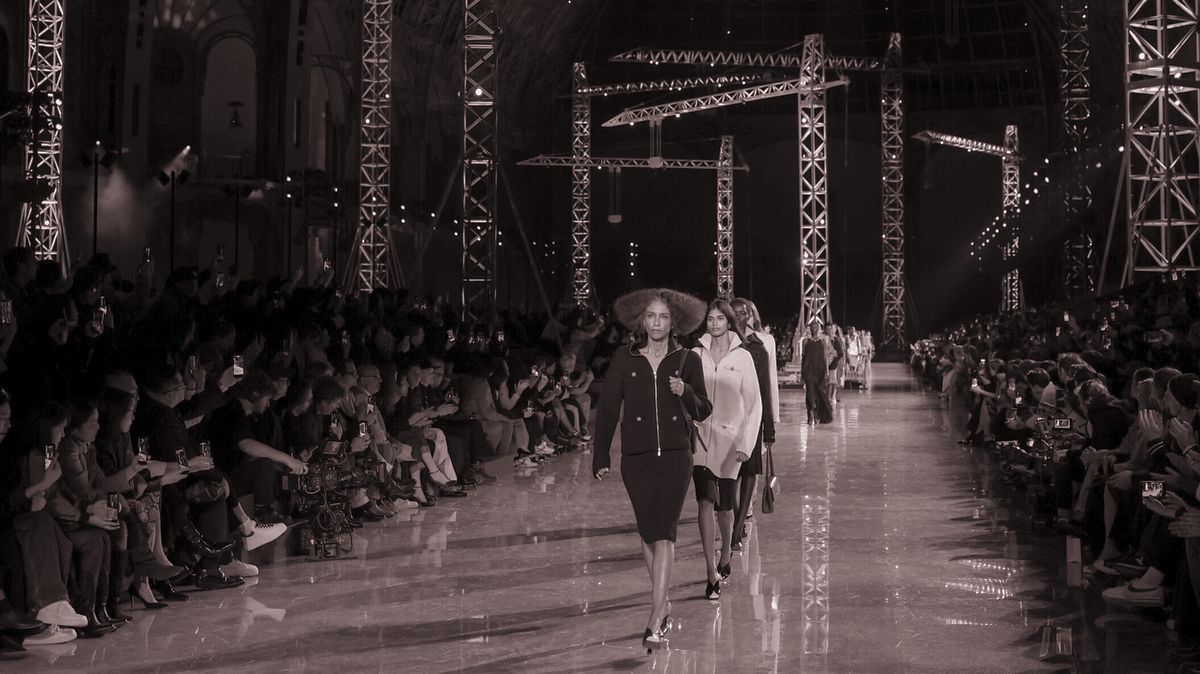
Runway looks in Paris from Chanel. Photos: Marc
Piasecki/WireImage
|
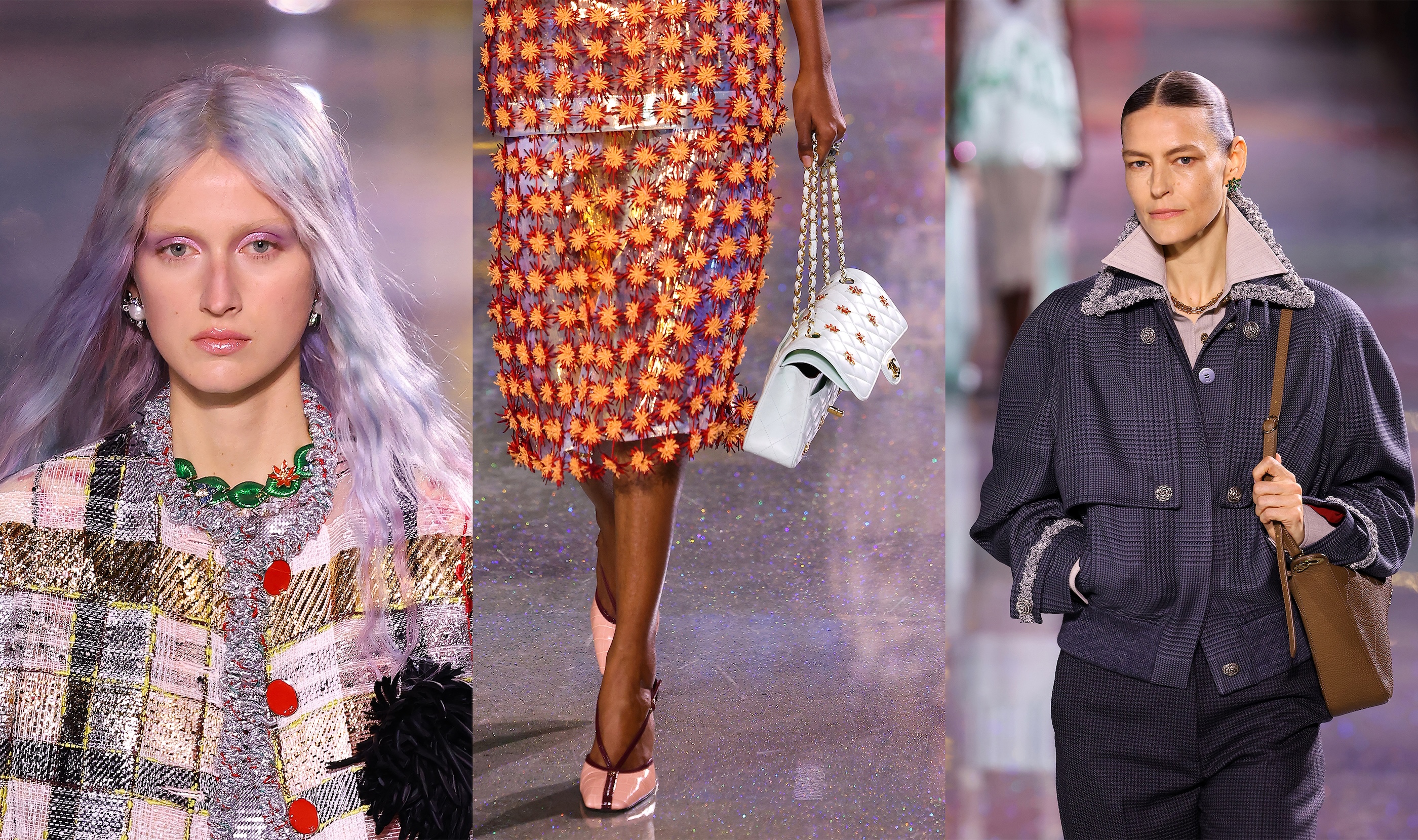
Of course, nothing really mattered until Chanel. Call me hyperbolic, but Matthieu Blazy is
changing the fashion game, from the silhouette to the materials to the way we think about getting dressed each day. For his second ready-to-wear collection, he made his big idea bigger with more color, more texture, and more glamour. Given the set concept—a construction site of sorts, with metallic flooring and giant primary-color levers erected in the sky above the seating and the runway—I thought perhaps he was going to experiment with more humble fabrics. (Look 1 was flannel-like.)
But, really, everything Blazy does is about seeing fashion anew; he makes the kind of things that, as a kid, I imagined I would wear as a grown-up.
By re-creating that wonder so convincingly, he is allowing people to be excited about clothes again—and stoking desire by giving them the thing they thought didn’t actually exist. That’s not to say these are simple ideas. (The drop-waist skirt, for instance, can be a challenge.) But there is something magical about blue stone buttons on a
jacket, or a plaid check woven with metallic thread, or a single flower positioned between the shoulder blades. It’s not exactly easy to replicate these looks, and yet, each element will inspire much of what we see next season from other designers. In the process of reinventing Chanel, Blazy is proving the value of originality. He knows his why. |
Bernstein’s Luca Solca published a readout on Prada’s earnings, rating it
“outperform.” His take: The group is doing way better than the stock reflects, and they should be more forward about their plan for Versace and other initiatives, or think about taking the company private again. Whatever happened to that Milan listing, by the way? [Inbox]
Remember that there is a war happening, and yes, it will affect sales of luxury goods in one way or another.
[Reuters]
Dakota Johnson is really hot but I am not sure she is right for Calvin Klein. Sorry, just being honest! [Instagram] |
Until tomorrow,
Lauren
P.S.: We use affiliate links because we are a business. We may make
a couple bucks off them. |
Need help? Review our
FAQ page or contact us for assistance. For brand partnerships, email ads@puck.news.
You received this email because you signed up to receive emails from Puck, or as part of your Puck account associated with {{customer.email}}. To stop receiving this newsletter and/or manage all your email preferences, click here. |
Puck is published by Heat Media LLC. 107 Greenwich St., New York, NY 10006 |
|
|
|
|