 |
|
Happy Monday, I’m Eriq Gardner.
|
|
Welcome back to The Rainmaker, a private email about money, power, fame, and most of all, the law. (Was this email forwarded to you? Click this link to subscribe.)
In this week’s edition, shareholder heartache feels good in a place like AMC Entertainment. Also: Donald Trump, Tiger Woods, Steven Tyler, Olivia Wilde, Kanye West, Kesha Sebert, and many, many more.
But first…
|
|
|
- E. Jean Carroll v. Donald Trump made for a memorable trial where the former Elle writer attempted the tough task of proving something that allegedly happened decades ago, while the ex-president teased until the final moments whether he’d show up. The aftermath may be just as compelling if she wins (which, despite his lackluster defense, is no sure thing). It’s hard, after all, to see Trump readily paying even a nominal amount, which could portend collection efforts like seizing Trump Tower. He’ll also likely pursue an appeal over the constitutionality of the recent New York law that gives victims of long-ago sexual assaults a fresh window to file a civil claim.
- Remember that nanny working for Olivia Wilde and Jason Sudeikis who claimed unbearable anxiety from their divorce? Now comes the motion to kick her dispute to arbitration, although not without attorney Marty Singer’s argument about how a claim for wrongful termination fails when there’s no actual firing. Here’s Wilde’s declaration detailing exactly how the nanny attempted to double her starting salary.
- Did Adidas have a duty to disclose what it knew about Kanye West—that the rapper allegedly made anti-Semitic comments in front of company staff and even suggested naming an album after Adolf Hitler—and was Adidas required to take meaningful measures to limit its financial exposure to the controversial rapper? These shareholders are testing this legal theory.
- Finally, a message to my friends at Fox News: If you want to be taken seriously about these Tucker Carlson leaks, you need to do better than sending a cease-and-desist with a single-paragraph missive that suggests Media Matters “misappropriated proprietary footage” without providing any detail. And how about some case law citations (not that I don’t know about Harper & Row)? Also, some of us realize the big difference between asking Dominion to probe leaks and telling the judge there’s been a violation of the protective order.
And now on to the main show… |
 |
| War for the Planet of the AMC Apes |
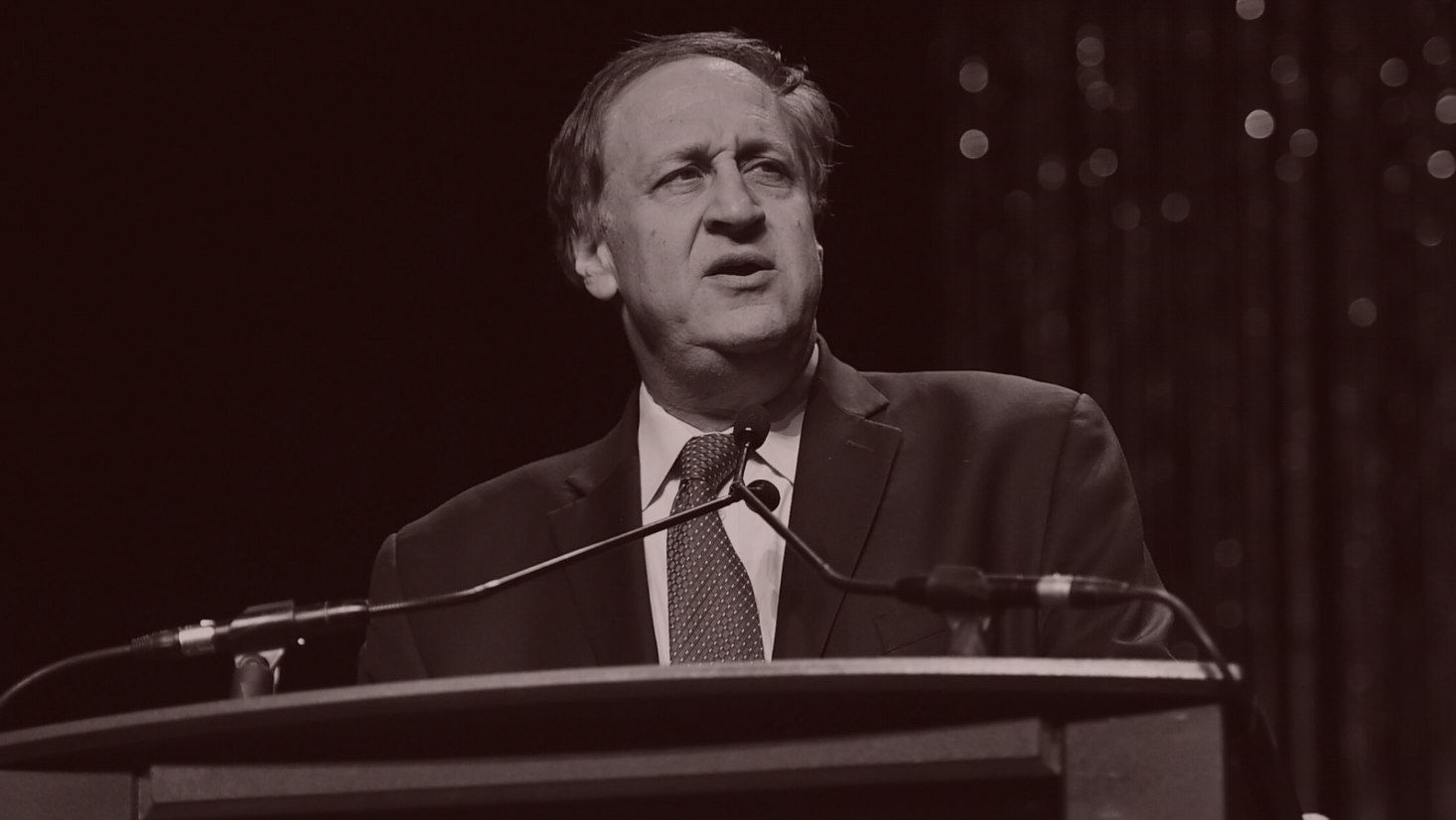
| Movie theater baron Adam Aron is struggling to settle litigation with AMC’s meme stock investor army after a dilutive $2 billion gambit caused his “apes” to go, well, apeshit. |
|
|
|
| Are the retail investors who famously came to AMC’s rescue two years ago, saving the movie theater colossus from bankruptcy, about to get screwed? That’s the concern gripping many of them. In fact, if Hollywood’s writers weren’t on strike, those David versus Goliath scripts might need an update. This time around, it’s not Redditers taking on the hedge funds shorting the stock. Instead, they’re directing their ire at AMC’s own leadership and what they perceive to be double-crossing plaintiff attorneys.
You’re probably already familiar with how AMC became a meme stock at the beginning of the Covid pandemic with its theatrical business in tatters and vulture capitalists swirling. AMC’s wily C.E.O., Adam Aron, seized the moment and raised nearly $2 billion by issuing new stock, staving off creditors as the company’s digital army of retail investors—self-described AMC “apes”—banded together to overcome short sellers and send the share price through the roof. But that was only the beginning of the story.
Chinese conglomerate Wanda Group also used the opportunity to sell off its entire stake in AMC while many of the company’s executives took advantage of suddenly valuable vested stock options. Meanwhile, the company remained significantly in debt, with delayed rent bills coming due and money spent on questionable ventures, like gold and silver mining. And so, AMC began raising hundreds of millions of dollars more last autumn through the issuance of a special class of “preferred” stock (which, honestly, wasn’t exactly preferred since it began trading at a heavy discount).
Then, AMC announced a controversial plan to allow for the conversion of this preferred stock (currently trading at about $1.50 a share) into common stock (currently at just over $5.75) while also pursuing a one-for-ten reverse stock split. This dilutive gambit, maybe aimed at shifting power, caused the apes to go, well, ape shit. Shareholders sued in February, and nearly immediately, Delaware Vice Chancellor Morgan Zurn agreed to maintain the status quo while considering an injunction to prevent AMC’s conversion plan.
Last month, AMC announced it had a deal to settle the litigation by giving the suing shareholders an additional 6.9 million shares of common stock—basically to increase their relative equity ownership. The swift turnabout turned heads, and Aron and his troops put out word that this $100 million deal needed to happen quickly. But there were two big problems: A new ape uprising and a judge who wasn’t accustomed to getting out of the way just because there was a proposed settlement. Not for the sake of expediency anyhow.
So after catching the attorneys flat-footed by basically saying, “Not so fast,” Vice Chancellor Zurn is now hearing from everyone—including shareholders who are protesting the deal—about whether this settlement is truly fair. Up first: AMC and the plaintiff attorneys. |
|
|
| First of all, it’s worth saying, people are still going out to see movies. Of course, that shouldn’t be taken for granted now that the Writers Guild is leading a strike and AMC’s main competitor, Cineworld, is in bankruptcy. But this past weekend, Guardians of the Galaxy: Vol. 3 opened the summer season with a $118 million domestic take—a sign that not all is lost in the movie house business.
That said, AMC’s lawyers at Weil, Gotshal are (somewhat opportunistically) painting a very dire picture. Attendance is still not at pre-pandemic levels, the company had a net loss of $1 billion last year and is highly-levered to the tune of $5.1 billion in debt. In the short term, AMC could continue to raise money through discounted shares (which, of course, would further dilute the stock), but that might not be enough and could even be invalidated by a judge. That would put AMC at a “significant risk of failing to meet its financial obligations beyond 2023, which would likely result in a bankruptcy or financial restructuring,” which, the company’s lawyers pointedly add, may wipe out shareholders.
Hearing AMC run through the doomsday scenario isn’t at all surprising, but why are the shareholders’ lawyers suddenly on board with the plan to essentially authorize new common stock without shareholder approval? In their own brief (read here), attorneys at Bernstein Litowitz and Grant & Eisenhofer offer an extraordinary take. It starts, of course, with some comical tut-tutting how AMC management pursued “‘clever’ financial engineering with disregard for their fiduciary duties” and their hope that “unless companies facing imminent bankruptcy must take radical action to save the enterprise, no public company board ever again engages in such a heavy-handed and improper abuse of power.” (The key word, which I’ve emphasized in case you missed it, is unless.)
Deeper in the brief, the plaintiff attorneys explain how they heard about AMC’s imperiled ability to manage its debt and were nevertheless prepared to fight for an injunction despite the risks of bankruptcy. But then, they determined the “best-case outcome” would come from leveraging the mere threat of the injunction into payment. That’s partly because preferred stock had already been sold in the market, and because the judge might not wish to invalidate securities purchased by innocent parties (who now hold significant voting rights). As such, they didn’t believe “they could put the proverbial genie back in the bottle,” according to the brief.
In short, these lawyers gave up and decided it best to take a payoff, and if you want to be extra cynical about what’s happening, you can look at how they are now asking for a $20 million award for fees and expenses from a case that settled barely a month after it was filed. |
|
|
| Over the last month, many of AMC’s retail investors have been inundating Vice Chancellor Zurn with letters expressing alarm at this proposed settlement and pleading for his intervention. That’s not regular procedure whatsoever, but then again, most of these investors aren’t represented by fancy lawyers and don’t know better. It’s unclear whether they’ll hire someone to formally oppose the settlement or whether they might just show up at the hearing en masse, but I decided to reach out to a few of them anyway to see what they had to say about the just-offered rationale for this settlement.
On its face, a $100 million deal doesn’t seem terrible. After all, it’s likely one of the biggest ever in the history of the Court of Chancery to settle breach of fiduciary duty claims. And AMC offers a compelling case that given how it is billions in the hole, shareholders are staring at the possibility of a much worse outcome than dilution. Just look at the fate of Cineworld’s investors, who are getting wiped out.
But AMC retail stockholders that I consulted are still mighty angry and not convinced this lawsuit should be taken out of the judge’s hands. One shareholder pointed me to revelations in the plaintiff attorneys’ memorandum about “Project Popcorn,” what AMC management and Citigroup bankers evidently called the novel issuance-and-conversation plan. According to this new filing, by mid-May 2022, while Aron was making rosy public statements about AMC’s financial outlook, execs were already exploring giving preferred stockholders special voting powers that could be maneuvered so management could force amendments to its certificate of incorporation.
These stockholders with an alternative class of equity, according to the brief, eventually got “superior voting power” through “financial trickery” in the form of “mirror voting,” achieved by instructions to AMC’s transfer agent. And ultimately, AMC’s board made a $75 million deal where the hedge fund Antara Capital acquired preferred shares with “nearly dispositive weight,” allegedly in return for voting in favor of the conversion plan. As the brief puts it, “The Antara Transaction smacked of improper vote-buying to obviate the Board’s need to get common stockholders to support the Certificate Amendments.”
So you can see why these retail shareholders are so pissed. Two years ago, they rallied to the company, forging a weird investment community around moviegoing nostalgia and a shared desire to stick it to Wall Street short-sellers. Now, they’re not only frustrated that AMC is diluting their stock, but also that the company has ripped power away from them and made a deal with the greedy Wall Streeters that they were once fighting. That’s a much different ending from the one that Hollywood has already written to celebrate the meme stock phenomenon. |
|
|
- Before this Trump-Carroll case, before the Johnny Depp trial, before the Harvey Weinstein allegations and even before the Bill Cosby scandal, pop star Kesha Sebert accused her well-connected producer Dr. Luke of rape. Now, ten years after this lawsuit was filed, the trailblazing case may finally be headed to trial. This past week, the two sides jointly submitted a pre-trial report that ran through a list of pending issues in advance of a hearing later this month and a trial set for late July. Of course, a New York appellate court is still grappling with a few lingering topics that could impact the timing and nature of this trial. That includes whether he’s a public figure (the trial judge said no) who will need to show actual malice when she accused him of sexual assault during contract negotiations.
- Speaking of the actual malice standard, we’re about to get another temperature check on whether the Supreme Court is ready to re-examine New York Times v. Sullivan. That’s courtesy of a cert petition by former Florida congressman Alan Grayson, who is asking the justices to revive his libel suit against No Labels for tarring him as a spousal abuser in ads. The petition will be considered by the justices on May 18. Justices Clarence Thomas and Neil Gorsuch are already on record supporting a re-examination—and this one gives Amy Coney Barrett an opportunity to show which camp she’s in now that the overturning of Roe v. Wade has put long-established, much discussed precedent in the crosshairs.
- This ongoing dispute between the Saudi-backed LIV Golf and the PGA Tour continues to expand. The Justice Department has reportedly sent subpoenas to Trump over his dealings with LIV while Tiger Woods’ agent Mark Steinberg has filed in a California court looking to quash a subpoena he received from LIV. Incidentally, Steinberg is represented by Sean Hecker, who is a partner of Roberta Kaplan, who, of course, is representing E. Jean Carroll in her suit against Trump. Everything’s connected.
- A First Amendment win for TikTok against the state of Indiana somehow got lost in all of last week’s shuffle, but this decision deserves more attention. Here, after a mini-trial, the Indiana judge refuses to enjoin TikTok from making certain representations to Apple about the suitability of its content for young children. (Read the ruling.)
- Music publishers, represented by appellate superstar Paul Clement, are asking the Supreme Court to review a lengthy battle over what the Wall Street Journal once described as “the most important collection of rock memorabilia and recordings ever assembled.” At issue is whether William Sagan, who ran a site that hosted bootleg recordings of rock concerts, is personally liable for direct copyright infringement. (Here’s the petition.)
- Aerosmith frontman Steven Tyler apparently admits to a relationship with an underage woman—fifty years ago. He’s now trying to escape her defamation lawsuit and argues that the First Amendment prevents her from relying on what he wrote in his memoir. (Read his motion.)
- Want to see what a billion-dollar motion looks like? Check out how the NCAA aims to get a judge to reject an expert who wishes to testify arguing that athletes deserve 10 percent of total broadcast revenue. (Read the brief.)
Send any comments, tips, and Tucker Carlson leaks to eriq@puck.news. |
|
|
|
| FOUR STORIES WE’RE TALKING ABOUT |
|
|
|
|
|
 |
|
|
|
Need help? Review our FAQs
page or contact
us for assistance. For brand partnerships, email ads@puck.news.
|
|
|
|
Puck is published by Heat Media LLC. 227 W 17th St New York, NY 10011.
|
|
|
|