• Washington
  • Wall Street
  • A.I.
  • Hollywood
  • Media
  • Fashion
  • Sports
  • Art
  • Join Puck Newsletters What is puck? Authors Podcasts Gift Puck Careers Events
  • Join Puck

    Directly Supporting Authors

    A new economic model in which writers are also partners in the business.

    Personalized Subscriptions

    Customize your settings to receive the newsletters you want from the authors you follow.

    Stay in the Know

    Connect directly with Puck talent through email and exclusive events.

  • What is puck? Newsletters Authors Podcasts Events Gift Puck Careers
Happy Monday, I’m Eriq Gardner. Welcome back to The Rainmaker, a private email about how those in power are staying on the right side of the law—or calling crafty attorneys when they don’t.
 ‌ ‌ ‌ ‌ ‌ ‌ ‌ ‌ ‌ ‌ ‌ ‌ ‌ ‌ ‌ ‌ ‌ ‌ ‌  ‌ ‌ ‌ ‌ ‌ ‌ ‌ ‌ ‌ ‌ ‌ ‌ ‌ ‌ ‌ ‌ ‌ ‌ ‌  ‌ ‌ ‌ ‌ ‌ ‌ ‌ ‌ ‌ ‌ ‌ ‌ ‌ ‌ ‌ ‌ ‌ ‌ ‌  ‌ ‌ ‌ ‌ ‌ ‌ ‌ ‌ ‌ ‌ ‌ ‌ ‌ ‌ ‌ ‌ ‌ ‌ ‌  ‌ ‌ ‌ ‌ ‌ ‌ ‌ ‌ ‌ ‌ ‌ ‌ ‌ ‌ ‌ ‌ ‌ ‌ ‌  ‌ ‌ ‌ ‌ ‌ ‌ ‌ ‌ ‌ ‌ ‌ ‌ ‌ ‌ ‌ ‌ ‌ ‌ ‌  ‌ ‌ ‌ ‌ ‌ ‌ ‌ ‌ ‌ ‌ ‌ ‌ ‌ ‌ ‌ ‌ ‌ ‌ ‌  ‌ ‌ ‌ ‌ ‌ ‌ ‌ ‌ ‌ ‌ ‌ ‌ ‌ ‌ ‌ ‌ ‌ ‌ ‌  ‌ ‌ ‌ ‌ ‌ ‌ ‌ ‌ ‌ ‌ ‌ ‌ ‌ ‌ ‌ ‌ ‌ ‌ ‌  ‌ ‌ ‌ ‌ ‌ ‌ ‌ ‌ ‌ ‌ ‌ ‌ ‌ ‌ ‌ ‌ ‌ ‌ ‌ 
The Rainmaker

Happy Monday, I’m Eriq Gardner.

Welcome back to The Rainmaker, a private email about how those in power are staying on the right side of the law—or calling crafty attorneys when they don’t. (Was this email forwarded to you? Click this link to subscribe.)

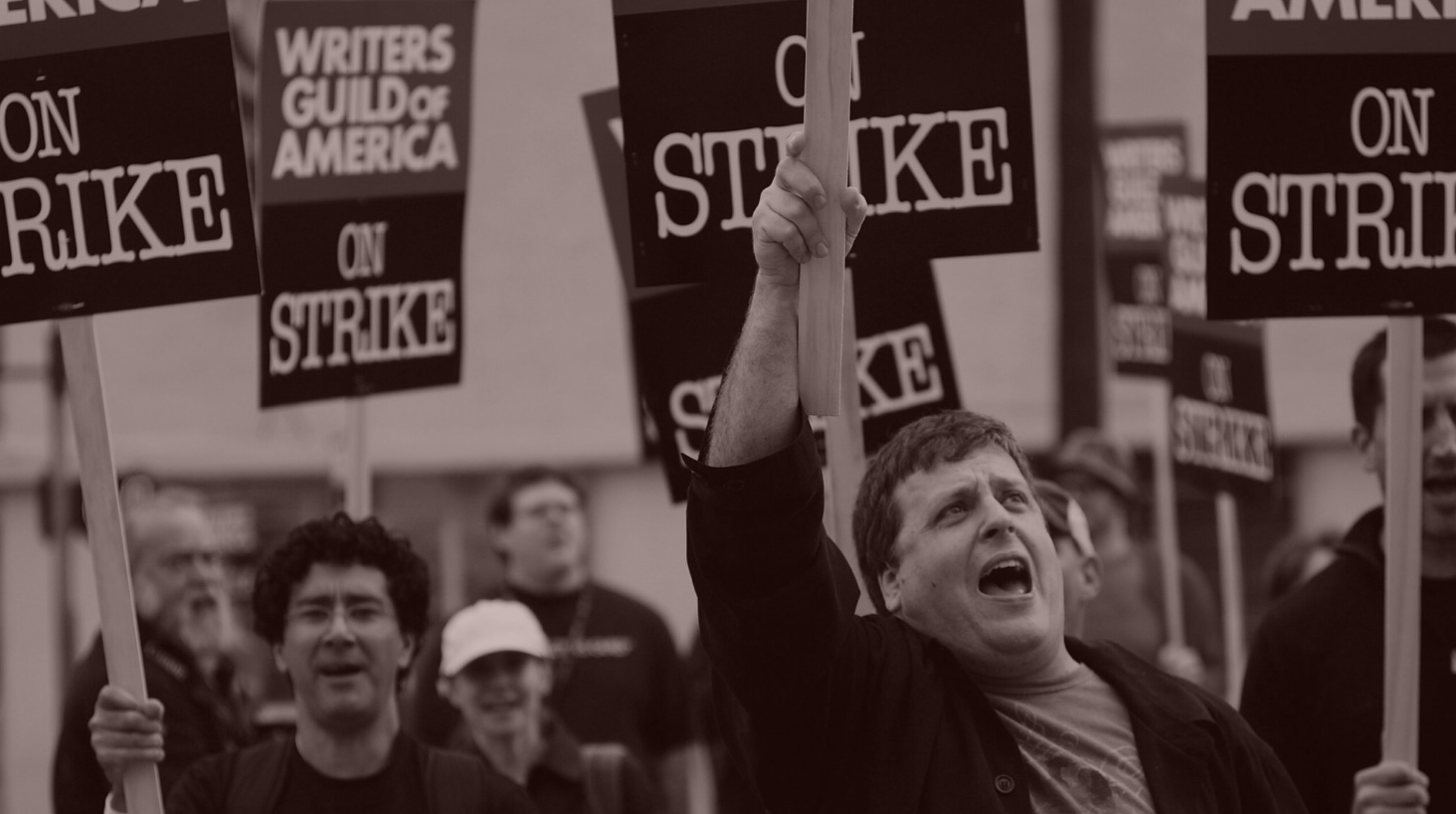
In this week’s edition, it’s Hollywood on strike! Again, because there’s nothing showbiz likes more than a sequel. Plus, a Supreme Court justice’s Pirates of the Caribbean prophecy, Barstool Sports’ right to smear, a rapper’s non-delight, and finally, the new wrinkle in Bob Iger’s war with Ron DeSantis.

But first…

On the Docket
  • The grudge match between actor Michael Rapaport and Barstool Sports is exploring the line between trash talk and defamation. Back in 2017, Rapaport taped podcasts for Dave Portnoy’s bro media platform, but the relationship quickly deteriorated, with Barstool Nation soon attacking the actor as a racist who beat up his girlfriend and had herpes. Nasty, but after Rapaport sued, a federal judge stressed the context—that observers would understand these opinionated vulgarities weren’t assertions of fact. Now, both sides have filed briefs with the Ninth Circuit Court of Appeals. Rappaport’s lawyer agrees that context does matter—but argues the proper context is understanding Barstool as a bully for profit. Barstool, in turn, contends that Rappaport still can’t get around his own reputation as the M.V.P. of trash talk. (Read both Rapaport’s and Barstool’s briefs).

  • A Washington, D.C. jury has found Fugees rapper Pras Michel guilty of acting as an unregistered foreign agent to covertly influence the Obama and Trump administrations. The hip-hop star now faces decades in prison, although this controversy could also become intriguing on appeal. Before trial, Michel was reportedly seeking to finance his criminal defense by pitching a stake in the separate but related $75 million forfeiture proceeding that depended, in part, on the outcome of the case. Now, I wonder whether Michel might attempt to entice foreigners wishing to take a crack at the constitutionality of lobbying prohibitions.

  • The lack of a tie-breaking vote on the F.C.C. is becoming a huge problem for the industry it ostensibly oversees. Apparently President Biden is fine with this state of affairs—a couple months ago, Gigi Sohn finally withdrew from consideration as a fifth commissioner, and Biden appears to be in no rush to nominate someone new to an agency that now occupies its time fighting robocalls. Meanwhile, the National Association of Broadcasters has become so frustrated by the lack of action that on April 24 it filed a writ of mandamus to the D.C. Circuit of Appeals over the FCC’s failure to finish up its 2018 quadrennial broadcast ownership review. At stake, among other restrictions, is the future of the Dual Network Rule, which effectively prohibits a merger among CBS, NBC, ABC, and Fox. Is that Shari Redstone calling? I can’t tell as caller ID indicates it might be a scam.
Force Majeure: Inside Hollywood’s Counterstrike Strategy
A candid conversation with labor expert Jonathan Handel about the most pressing issues on the table, from the mini-room contretemps to how streamers could leverage a prolonged strike to right-size their books.
ERIQ GARDNER ERIQ GARDNER
Every three years, Hollywood gathers around the bargaining table to negotiate the rules and profit-sharing governing the industry’s multi-hundred billion dollar spoils. The process isn’t always contentious, but this year’s round is proving highly sticky, with the Writers Guild of America and the Alliance of Motion Picture and Television Producers both looking to settle core structural issues in streaming.

What’s on the table? Basic wage increases, of course, “mini room” working conditions and downstream residuals. But that’s just for starters, with A.I. coming into view, and the directors’ and actors’ guilds soon airing their own grievances. While their contracts are up June 30, the writers’ agreement expires tonight.

On the eve of a possible WGA strike, I spoke to Jonathan Handel, whom I worked alongside for years at The Hollywood Reporter and more recently at Puck, where he occasionally contributes to What I’m Hearing, Matt Belloni’s private email. (Check out his latest dispatch on the strike here.)

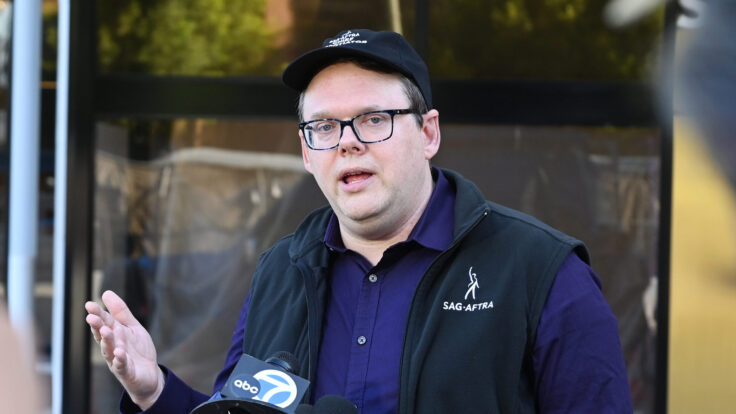
Jonathan is the best labor reporter I know, and he’s also an attorney who has worked on these very issues for decades. Previously, he was on the legal staff of the WGA and he has acted as outside counsel to SAG-AFTRA. He now regularly represents producers and others in their dealings with guilds. He’s also the author of Hollywood on Strike! chronicling the WGA’s last walkout. We talked this past weekend about the negotiating showdown, whether some of the debt-laden streamers are insidiously rooting for a strike, and the fraught role of showrunners. Herewith our edited back and forth…

Eriq: The last strike was back in 2007, and that one lasted three months. My sense is the WGA and AMPTP aren’t close at all right now and we should be bracing for a long work stoppage—maybe even longer than what happened sixteen years ago. But I do realize that there have been bargaining rounds, like in 2017, when a deal comes together at the very last second. What’s your sense?

Jonathan: I’m not hearing any notes of progress—on the contrary, I’m told that the WGA is standing pretty firm in its demands, as you’d expect from a union that faced down the major talent agencies just a few years ago and that garnered almost 98 percent support for a strike authorization. A strike, if it happens, could come as early as 12:01 a.m. Tuesday—or the Guild could wait a few days if it thought that to be strategic, which I doubt.

Eriq: I suppose there’s always the possibility that the two sides make enough progress that they give themselves some extra time. But I’d be surprised if there’s no strike. Tell me about the key negotiators and how they are contributing to the dynamics of this situation.

Jonathan: The AMPTP—the alliance of studios and streamers—is headed by its longtime president and chief negotiator, Carol Lombardini, who has to keep a very divergent group of companies corralled and working towards a deal. Meanwhile, the WGA’s chief negotiator, Ellen Stutzman, is a first-timer in that role and, although a 17 year veteran of the guild, has been assistant executive director for just five years. She stepped in when the guild’s fiery executive director, David Young, was sidelined for medical reasons. Stutzman is a calmer presence, but she has a mandate to stand tough and a membership that expects her to do so.

Eriq: I’m curious how the studios are going to react to this work stoppage. Last time, a lot of them famously turned to unscripted fare. What happens this time if there’s a prolonged strike? Do they use A.I. to write new seasons of shows? (Is ChatGPT a scab?) Will we see them going to foreign countries for content? Netflix is already stocking up. What are some of the strategies you’ve heard about as everyone prepares?

Jonathan: I think ChatGPT is still busy trying to break up journalists’ marriages and isn’t ready to settle down in an otherwise empty mini room. Maybe a mini computer room? We’ll definitely see more unscripted content, as we did in the last strike and the 1988 one before that. And it’s helpful to Warner Bros. Discovery that HBO Max and Discovery+ are set to merge and become Max on May 23, just three weeks after a potential strike starts. That’ll be a real test of the interchangeability of some of the most premium content and some of the, well, less premium content. (I’ll hold my tongue because, full disclosure, I have clients with a show on Discovery+.) And, yes, foreign content is something Netflix has prioritized, and I think we’ll see more of it, along with news and sports on both linear and streaming.

Eriq: Yeah, that also touches on an important point. This will be the first writers’ strike during the true streaming era. As a result, the stoppage is really going to feel different. In the old days, the industry was programming to a time and place, and so the absence of a C.S.I., House, or Grey’s Anatomy really hit. Consumers noticed. Will they care as much if the new season of The Night Agent on Netflix is delayed or if Max rearranges its home screen to emphasize Naked and Afraid and Love It or List It? I’m not quite sure.

Jonathan: Yes, a key difference: streamers have library content they can exploit. You never watched Stranger Things or even The Sopranos? Time to binge!

Eriq: You referenced mini rooms, which also seem like a product of this streaming era. It’s the first time that this has come up in bargaining, but it’s also no surprise given how the TV industry has largely moved away from pilot episodes as the primary way that executives decide which shows to greenlight. Now, they have small groups of writers break several episodes to have a better sense before committing to where a series may go. That, of course, creates strain, and the writers feel like they’re being taken advantage of. This seems like a hybrid of a compensation issue and a demand for respect. My cynical side says that the writers ultimately just care about the money. They’ll end up sacrificing dignity if it advances them financially, especially in the short term. And the studios will want to preserve as much flexibility as possible. Am I off here?

Jonathan: Mini rooms are a product of streaming and short seasons. The issue actually came up in 2020, but those negotiations were cut short by the pandemic just as talks were starting. Many of the WGA’s leaders view this year’s negotiations as taking care of unfinished business from three years ago. I think you’re right that respect is an issue, but I’m not sure that sacrificing dignity is the automatic outcome. And there’s another aspect: because mini rooms often close before production, junior writers lose out on the opportunity to do production rewrites, participate in post-production and work directly with actors, directors and editors. Those are essential experiences, essential skills—and essential contacts—for staff writers looking to move up the career ladder.

Eriq: How about actors and directors? For a couple of months at least, until the bargaining agreements for their unions expire in late June, the rest of Hollywood keeps working. But do they? Will it really be status quo in the face of writers’ picket lines and their own deals imminently expiring?

Jonathan: Well, the no-strike clauses in their agreements mean that directors and actors may have to cross picket lines—if there’s any production to cross lines for. By all reports, filming has already slowed to a trickle, and producing anything without a writer on hand for emergency rewrites is a risky approach that most producers avoid.

Eriq: Some writers wear producer hats. Showrunners, after all, are writer-producers. It’s going to be strange for those who are ostensibly on strike to show up at work and do half their job. I know the WGA just put out strike rules. Still, I imagine it’s going to be plenty weird in town for the next couple of months.

Jonathan: They might not show up. That’s my memory of 15 years ago. Many just didn’t do their producing, even though producing is outside the WGA’s purview. Of course, some will, and might work from home. They have the right—and contractual responsibility—to do so, as long as they’re not writing. So it’s awkward.

Eriq: Talk a little bit about the role of showrunners in these negotiations and (probable) strike.

Jonathan: They can be incredibly powerful in WGA dynamics. Showrunners and a small group of screenwriters are the high earners and are the “stars” of the profession. But unlike with SAG-AFTRA, where most stars—“high-pros,” as they call them internally—play little role in guild politics, some of the showrunners do have a part in Writers Guild affairs. I’m not necessarily talking about the mega-showrunners, the Shonda Rhimeses and Greg Berlantis, but perhaps the next level down. Indeed, it was a group of showrunners who finally drove the ending to the 1988 strike, approaching guild leadership and saying it’s time for a deal.

Eriq: Big showrunners often have seven-, eight- and even nine-figure overall deals, and one thing I’m really watching is whether studios and streamers use the strike to get out of the expensive deals they regret. Will they turn to the force majeure provisions?

This is no small thing. There’s a lot of speculation that the studios want the strike so they can clean the books—for some reason, I’m thinking about Zaz and debt right now—and while I don’t quite believe the theory, I do think we’ll see some high-profile projects and relationships canceled. Also, if there’s any subject that will prompt litigation, it’s this.

Then again, I’ve heard that force majeure clauses have evolved somewhat in the past decade or two with transactional attorneys thinking about how to better protect actors, directors, and writers from strikes. Is that so? And how do you think this issue plays out?

Jonathan: Force majeure is definitely going to be in play. If a strike lasts more than a few days or so, the studios and streamers have an incentive to let the work stoppage continue for eight weeks, because that’s typically the timeframe that triggers the company’s right to terminate an overall deal under force majeure. Those provisions allow for suspension and ultimately termination in the event of a massive halt to the industry such as would be caused by a major earthquake, civil unrest or, in this case, a strike. I think we’re likely to see terminations and also renegotiations under threat of termination. And then the companies have a cost-cutting narrative to sell to Wall Street and perhaps even move share prices.

Eriq: I’ve also heard that to protect themselves from being singled out and give studios pause before terminating a relationship, some talent deals now require studios not only to execute force majeure clauses against them, but everyone. So, for example, you can't just fire the writer. You have to fire the director and the actors, too.

Anyway, it’s likely to be a very interesting next couple of months. I bet the Cannes Film Festival is going to be super weird this year. Those strike rules may mean a lot of meetings where people are supposedly not shopping their projects.

Jonathan: Oh, the glamor! The sun, the sea, the yachts, food and wine—and parties without pitches? It’s hard to imagine, but rules are rules, even a continent away.

Iger vs. DeSantis: The Next Steps
Last week, Disney sued Ron DeSantis over control of some very valuable swampland. The decision to go to court was predictable, of course: C.E.O. Bob Iger wants wide discretion on land use around Disney World, which covers some 43 square miles of Central Florida. And DeSantis, who says he doesn’t believe in “old-guard corporate Republicanism,” won’t stop yapping about “woke ideology.” Now comes a case over the voiding of Disney’s developmental contracts—a reflection, the company claims, of how DeSantis is waging a “relentless campaign to weaponize government power against Disney in retaliation for expressing a political viewpoint unpopular with certain State officials.” (Here’s the complaint.)

One thing about Disney’s legal action that has escaped commentary—even though it’s likely to become the center of attention—is how O’Melveny litigation superstar Daniel Petrocelli has managed to file this case in federal court. Disney’s move makes tactical sense. The company, after all, surely wanted to bypass DeSantis-appointed judges, eventually at Florida’s Supreme Court. But can it?

Here’s where the 11th Amendment may come up. This constitutional addendum restricts the ability of citizens to bring suits against states in federal court. This bar, enacted at a time when states had debt problems and sovereignty was a paramount concern, can be puzzling. Four years ago, for instance, the Supreme Court wrestled with the hard-to-fathom yet evidently correct notion that states have immunity for their intellectual property thievery. “One might think that Walt Disney Pictures could sue a state for hosting an unlicensed screening of the studio’s blockbuster film Pirates of the Caribbean (or any of its many sequels),” wrote now retired Supreme Court justice Stephen Breyer, marveling at the unanimous ruling by his colleagues. “Yet the court holds otherwise."

Of course, the 11th Amendment isn’t impenetrable. There are ways around it, and Disney is steering its case towards the most legally famous (and most controversial) path by citing the Ex Parte Young doctrine, which dates back to a 1908 case that held that state officials could be sued in federal court to prevent them from enforcing unconstitutional laws. Notably, Disney isn’t shooting for damages in its power battle with DeSantis. That would be a sure loser under sovereign immunity precedent. Instead, the corporation aims for declaratory and injunctive relief to ensure that local officials honor previously recognized contracts.

DeSantis will probably respond that this stretches the Ex Parte Young doctrine beyond what’s permissible. He’ll likely argue that land use is a local issue—and that despite the fact that the governor now appoints members to the oversight board, he has no real enforcement authority over these contracts. If that’s the DeSantis administration’s initial move to beat a First Amendment claim in federal court (while pushing a parallel suit in state court), it won’t be the first time. In fact, that’s pretty similar to what DeSantis tried in Dream Defenders, a 2021 case that dealt with a DeSantis-era anti-rioting law that came in the wake of Black Lives Matter protests. There, U.S. District Court Judge Mark Walker rejected the governor’s challenge to being hauled into federal court, pointing out that DeSantis has the authority to call the state militia to respond to a “riot” and had actually done so. Walker wrote, “Does Governor DeSantis really contend that no plaintiff in any case could ever have standing to sue him?”

Disney v. DeSantis, of course, has just been assigned to the very same Judge Walker, who also once called the Stop WOKE Act “positively dystopian.” (By filing in Tallahassee, Disney had a 35 percent chance at landing its case with Walker, the same probability of being stuck with Trump appointee Allen Winsor. Some magical fairy dust, I guess.)

Still, don’t shrug off this sovereign immunity issue just because of the judge. Anyone inclined to do so would be well-advised to heed DeSantis’s battle with Andrew Warren, the Tampa-area district attorney whom the governor suspended, ostensibly for pledging not to prosecute certain low-level offenses. Warren went to federal court, claiming, like Disney, that the governor retaliated against him for speaking up on social issues (in his case, on abortion and transgender issues). In January, U.S. District Court Judge Robert Hinkle—a Clinton appointee—agreed that DeSantis was wrong to oust Warren yet nevertheless ruled the 11th Amendment tied his hands. (Incidentally, Warren is scheduled to argue his appeal tomorrow at the 11th Circuit.)

If this situation starts going badly for Disney, the company may lean on its alternative claim that the Takings Clause of the Fifth Amendment prevents citizens from being deprived of property without just compensation. The Supreme Court recently held that a Takings Clause claim can be brought against a local government in federal court so it’s not a surprise to see Disney trot it out as a secondary legal theory in its complaint. Although, on further thought, is Disney really suggesting that DeSantis stole Disney World? Now that’d be some villainy in the Magic Kingdom.

That’s it for this week. Hit me up with comments and tips at eriq@puck.news. This writer, of course, will be working.
FOUR STORIES WE’RE TALKING ABOUT
Hollywood’s Executive Amnesia
A Thursday Thoughts edition of What I’m Hearing.
MATTHEW BELLONI
Defusing Carbon Bombs
A bottom-up view of the progress to combat global warming.
BARATUNDE THURSTON
Lazard Anxieties
Lazard Anxieties
Dissecting a trifecta of Wall Street plotlines.
WILLIAM D. COHAN
Fox News Sweepstakes
News and notes on Tucker’s future, his succession, and a new CNN threat.
DYLAN BYERS
Puck
Facebook Twitter Instagram LinkedIn

Need help? Review our FAQs
page
or contact
us
for assistance. For brand partnerships, email ads@puck.news.

Puck is published by Heat Media LLC. 227 W 17th St New York, NY 10011.

SEE THE ARCHIVES

SHARE
Try Puck for free

Sign up today to join the inside conversation at the nexus of Wall Street, Washington, A.I., Hollywood, and more.

Already a member? Log In


  • Daily articles and breaking news
  • Personal emails directly from our authors
  • Gift subscriber-only stories to friends & family
  • Unlimited access to archives

  • Exclusive bonus days of select newsletters
  • Exclusive access to Puck merch
  • Early bird access to new editorial and product features
  • Invitations to private conference calls with Puck authors

Exclusive to Inner Circle only


Latest Articles from Hollywood

Obsession
Scott Mendelson • May 1, 2023
Letters from the HollyTube Revolution
The breakout weekends for ‘Backrooms’ and ‘Obsession’ tell us something real about the origin of Hollywood’s next generation of talent—and something more complicated about its future.
Blake Lively court
Eriq Gardner • May 1, 2023
The Blake Lively–Justin Baldoni Suit Could Be Headed for a Do-Over
While Lively elected to settle with her ‘It Ends With Us’ director, her search for attorneys fees and damages has vexed the judge overseeing the case. Will the solution be a new suit in a new venue?
Brendan Carr
Eriq Gardner • May 1, 2023
Disney Is Ready to Clobber Brendan Carr
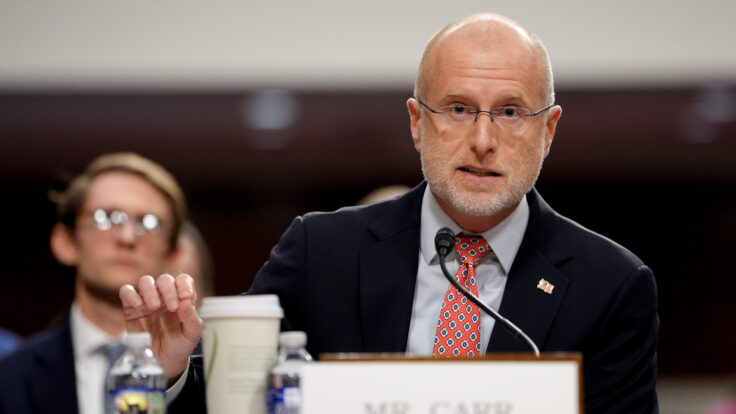
The F.C.C. chairman is forcing a showdown with Disney over its D.E.I. policies—seemingly a thin pretext for punishing ABC News. But Carr, usually a savvy operator, has an unusually weak hand. And Disney’s lawyers have figured out exactly how to exploit it.


Backrooms movie
Matthew Belloni • May 1, 2023
The 27-Year-Old Assistant Who Found ‘Backrooms’
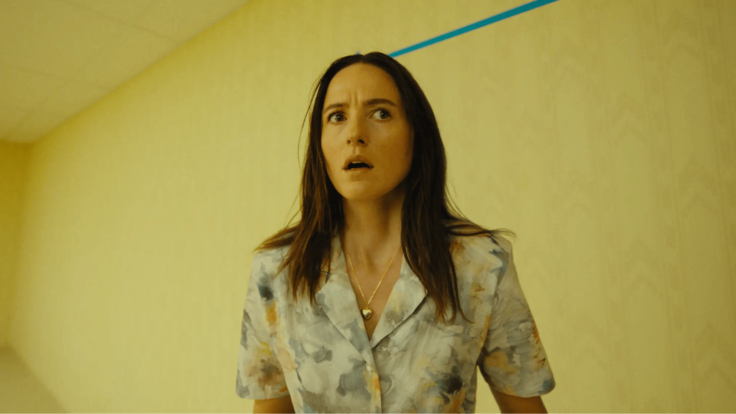
Shawn Levy’s production company assigned a young staffer to monitor YouTube for potential talent. Four years later, Kane Parsons’ fantasy thriller opened to $118 million worldwide and has everyone in town talking about a possible sea change.
dreams of violets
Matthew Belloni • May 1, 2023
The Hollywood A.I. Appeasement Vibe Shift
As the industry—even the creative class—shifts to cautiously accept A.I., a Cate Blanchett–founded nonprofit is pushing to adopt a framework of consent for performers. Meanwhile, the business is groping around for new ratings standards in an effort to separate out the slop. Both battles are just beginning.
Mohammed bin Salman
Kim Masters • May 1, 2023
Hollywood’s Saudi Tax Rebate Problem
Saudi Arabia has been offering generous rebates to lure productions to the Gulf. But even before the region experienced war and instability and spending slowed, some producers had been left holding an empty bag.


David Ellison
Eriq Gardner • May 1, 2023
The Ellison Trust-Busting Is Getting Political
Paramount’s planned takeover of Warner Bros. has triggered an all-out legal arms race between white-shoe law firms and an increasingly aggressive coalition of state A.G.s. Among the first battle lines: whether the Ellisons secured favorable regulatory treatment in exchange for favorable coverage.


Get access to this story

Enter your email for a free preview of Puck’s full offering, including exclusive articles, private emails from authors, and more.

Verify your email and sign in by clicking the link we just sent.

Already a member? Log In


Start 14 Day Free Trial for Unlimited Access Instead →


Latest Articles from Hollywood

toy story 5
Matthew Belloni • May 1, 2023
Hollywood’s Gen Z Gap Is Real… and It’s Growing
In a complementary study to my annual survey of L.A. teens, it turns out that young people across America have pretty specific—and not all that shocking or unfair—gripes with the movie business.
Johnny Hallyday photographers
Matthew Belloni • May 1, 2023
What I’ve Heard: Five Years of Hollywood Disruption
A half decade of M&A opportunists, Peak TV casualties, industry contraction, devastating strikes, and approximately 1,500 David Zaslav mentions later, show business still can’t figure out if it’s reinventing itself or fading away. So I asked 100 industry sources what they think is going on.
Mandalorian and Grogu
Scott Mendelson • May 1, 2023
Summer Box Office Blackjack: What the Biggest Movies Need to Beat the House
From Grogu to Spidey, here’s what each of this summer’s top 10 tentpoles actually needs to earn—and why success means something different for everyone.


Duncan Crabtree-Ireland
Eriq Gardner • May 1, 2023
SAG-AFTRA’s Surprise A.I. Détente
News and notes on the union’s peace treaty with digital “actress” Tilly Norwood. Plus: The bizarre lawsuit over Tung Tung Tung Sahur, which may be the first major test of whether trademark law can do what copyright won’t—protect an A.I.-generated creation.
shadow and bone
Julia Alexander • May 1, 2023
Streaming TV’s Romantasy Problem
Hollywood keeps trying to mine the red-hot genre for adaptations with built-in female fandoms. So why haven’t Amazon or Netflix cracked the code?
David Zaslav
Matthew Belloni • May 1, 2023
The Hollywood C.E.O. Gluttony Index
Executive compensation in media has exploded in the past 30 years, even in a period of steady decline for the industry and a generally stagnant stock market. An eye-opening new study ranks the boom’s victors and their jaw-dropping spoils.


ted sarandos
Kim Masters • May 1, 2023
Netflix Goes to the Movies & Baldoni’s Second-Act Chances
News and notes from around town: Will the famously theater-shy streamer go all-in on distribution? And now that the Blake Lively war is almost over, what are Justin Baldoni’s Hollywood prospects?
Get access to this story

Enter your email to get access to one article and free previews of our private emails from Puck authors and editors.

OR

Already a Member? Sign in


Latest Articles from Hollywood

Justin Baldoni blake lively lawsuit
Eriq Gardner • May 1, 2023
Yes, the Blake-Baldoni Case Does Have a Winner
Lively’s lawyers say the ‘It Ends With Us’ settlement is just the preface to another battle to recover attorneys’ fees, treble damages, and potentially punitive awards, too. But will a Manhattan judge really apply an untested California law to a conflict on a New Jersey film set?
Josh D'Amaro
Matthew Belloni • May 1, 2023
Disney’s Josh D’Amaro Manifesto Translator
In his first earnings call as C.E.O., D’Amaro dropped a 3,000-word mission statement preaching A.I., a “One Disney” strategy, and a super-app to end all super-apps. But perhaps what’s most telling is what he glossed over: coming layoffs, the rising costs of sports, and the price for each attempted spin of the Disney flywheel.
gavin newsom
Eriq Gardner • May 1, 2023
Trump Defamation Theories & Newsom’s Weak Case
California’s governor is fighting to highlight the president’s legal inanities with a ridiculous Fox lawsuit of his own. Meanwhile, the lawyer battling Melania offers a bold legal theory: If the president can’t be held liable for what he says in office, he shouldn’t be able to sue anyone else.


Greta Gerwig
Matthew Belloni • May 1, 2023
Why Netflix Caved for Greta Gerwig’s ‘Narnia’
Securing a wide release and 45-day window for 'The Magician's Nephew,' the 'Barbie' director broke the streamer's will on its previously nonnegotiable day-and-date strategy. So why now?
Mandalorian and Grogu movie
Scott Mendelson • May 1, 2023
Can ‘Grogu’ Rescue ‘Star Wars’ From Itself?
After years of creative chaos, executive indecision, and a streaming glut that cannibalized the franchise’s theatrical appeal, Lucasfilm is returning to theaters with something very different. Will ‘Grogu’ be a ‘Solo’-sized disaster? Or has Disney just lowered the bar for success?
Nia Long
Matthew Belloni • May 1, 2023
‘Michael’ Star’s Pay Dispute & Who Will Direct Part Two?
News and notes on the chatter that ‘Michael’ producer Graham King is stepping in to direct the sequel, and Nia Long’s quiet fight with Lionsgate over her compensation for the movie.


Spider-Man: Brand New Day
Matthew Belloni • May 1, 2023
Hollywood’s Report Card, According to High School Kids, Pt. 3
My annual sit-down with a candid group of teen moviegoers, who share their brutally unfiltered thoughts on the stars and stories that do (and don’t) get them into theaters—from ‘Spider-Man’ (“always gonna hit”) to Spielberg (“He’s no Nolan”) to Sydney Sweeney (“like… no”).


  • Terms
  • Privacy
  • Contact
  • FAQ
  • Careers
© 2026 Heat Media All rights reserved.
Create an account

Already a member? Log In

CREATE AN ACCOUNT with Google
OR YOUR EMAIL

OR

Use Email & Password Instead

USE EMAIL & PASSWORD
Password strength:

OR

Use Another Sign-Up Method

Become a member

All of the insider knowledge from our top tier authors, in your inbox.

Create an account

Already a member? Log In

Verify your email!

You should receive a link to log in at .

I DID NOT RECEIVE A LINK

Didn't get an email? Check your spam folder and confirm the spelling of your email, and try again. If you continue to have trouble, reach out to fritz@puck.news.

CREATE AN ACCOUNT with Google
CREATE AN ACCOUNT with Apple
OR USE EMAIL & PASSWORD
Password strength:

OR
Log In

Not a member yet? Sign up today

Log in with Google
Log in with Google
Log in with Apple
Log in with Apple
OR USE EMAIL & PASSWORD
Don't have a password or need to reset it?

OR
Verify Account

Verify your email!

You should receive a link to log in at .

I DID NOT RECEIVE A LINK

Didn't get an email? Check your spam folder and confirm the spelling of your email, and try again. If you continue to have trouble, reach out to fritz@puck.news.

YOUR EMAIL

Use a different sign in option instead

Member Exclusive

Get access to this story

Create a free account to preview Puck’s full offering, including exclusive articles, private emails from authors, and more.

Already a member? Sign in

Free article unlocked!

You are logged into a free account as unknown@example.com

ENJOY 1 FREE ARTICLE EACH MONTH

Subscribe today to join the inside conversation at the nexus of Wall Street, Washington, A.I., Hollywood, and more.

START 14-DAY FREE TRIAL

  • Daily articles and breaking news
  • Personal emails directly from our authors
  • Gift subscriber-only stories to friends & family
  • Unlimited access to archives
  • Bookmark articles to create a Reading List
  • Quarterly calls with industry experts from the power corners we cover