 |
 |
|
Welcome back to What I’m Hearing, coming at you from one of 50 candy stations at the Wonka premiere, which I’m definitely reporting to the American Diabetes Association.
We had another great Puck private dinner on Thursday at Mother Wolf in Hollywood. Thanks to DC’s Peter Safran for co-hosting with me, the Camden Film Quarter for sponsoring, and the filmmakers, producers, and executives from Warner Bros., CAA, Legendary, Amblin, and more who attended. We’ll do more in 2024.
Programming note: This week on The Town, Bloomberg’s Ashley Carman and I debated the Spotify layoffs and weird state of podcasting, Axios’s Sara Fischer looked ahead to the deals landscape in 2024, and former Amazon film chief Ted Hope called his ex-employer “predatory.” Subscribe here and here.
Give your team what they really want for Christmas: Puck! Click here to become a member, or to gift subscriptions.
Discussed in this issue: Shari Redstone, Maverick Carter, David Ellison, Byron Trott, Adam Bold, Ted Sarandos, Jeff Shell, Gerry Cardinale, Reese Witherspoon, Taylor Sheridan, Taylor Swift, Bob Iger, Charles Barkley, Shohei Ohtani, and the Norman Lear shiva.
But first…
|
| Who Won the Week: Hayao Miyazaki |
|
| It’s gotta be the 82-year-old Japanese animation legend, who scored a $12.8 million opening weekend for The Boy and the Heron, a record for an anime film in the U.S. I’m also pretty sure this vaults Heron past Spider-Verse 2 and Elemental to frontrunner status for the animated feature Oscar.
Honorable mention: Bryan Freedman, the litigator, who filed the Hollywood lawsuit of the year, accusing A3 Artists Agency owner Adam Bold of being a “sex pest” and “office creep” who fires employees he “deems unattractive,” as well as a habitual cocaine user “so bad that it caused a rupture in his sinuses.” Then, when Bold denied the claims and said Freedman had a “personal vendetta” against him, Freedman told Variety that Bold is “not important enough to have a vendetta against.” Excellent stuff.
Let’s go right to the big news of the week… |
|
|
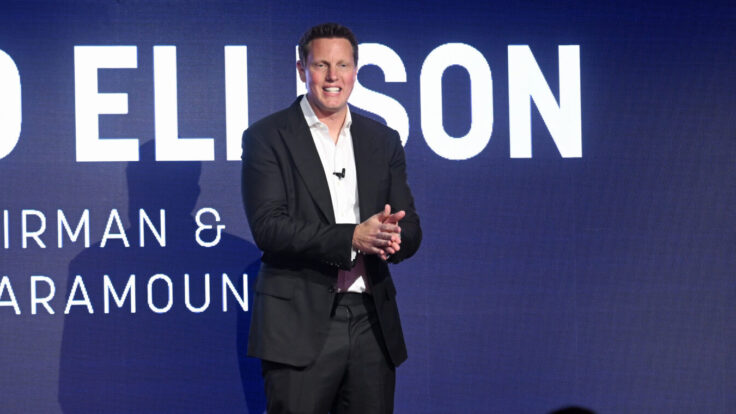
| The saga of Paramount Global took a new turn on Thursday when I reported that David Ellison, proprietor of Skydance Media, and Gerry Cardinale, of RedBird Capital, had teamed to explore an offer for parent company National Amusements. Today, William Cohan, the longtime Redstone chronicler and author of the excellent Puck financial newsletter Dry Powder (sign up here!), joins me to debate the merits of such a deal, what Shari Redstone and Ellison are thinking, and what makes the most sense for these iconic entertainment assets… |
|
A MESSAGE FROM OUR SPONSOR
|
 |
| |
|
|
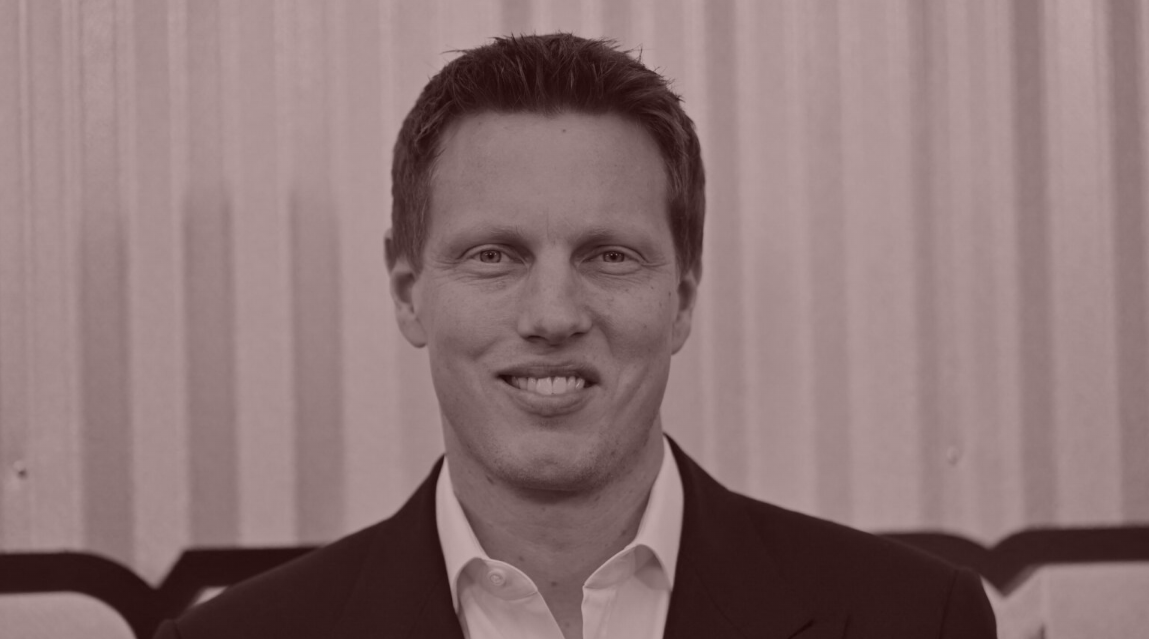
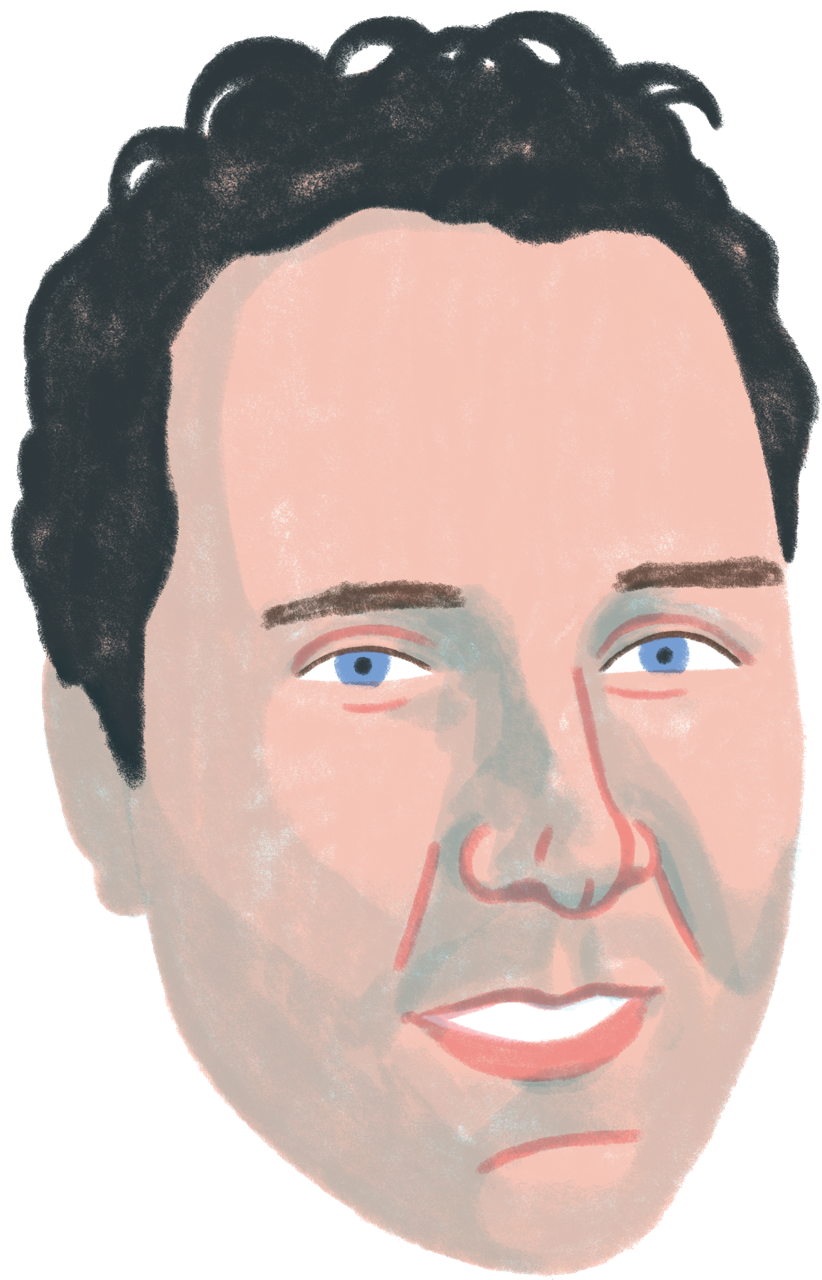
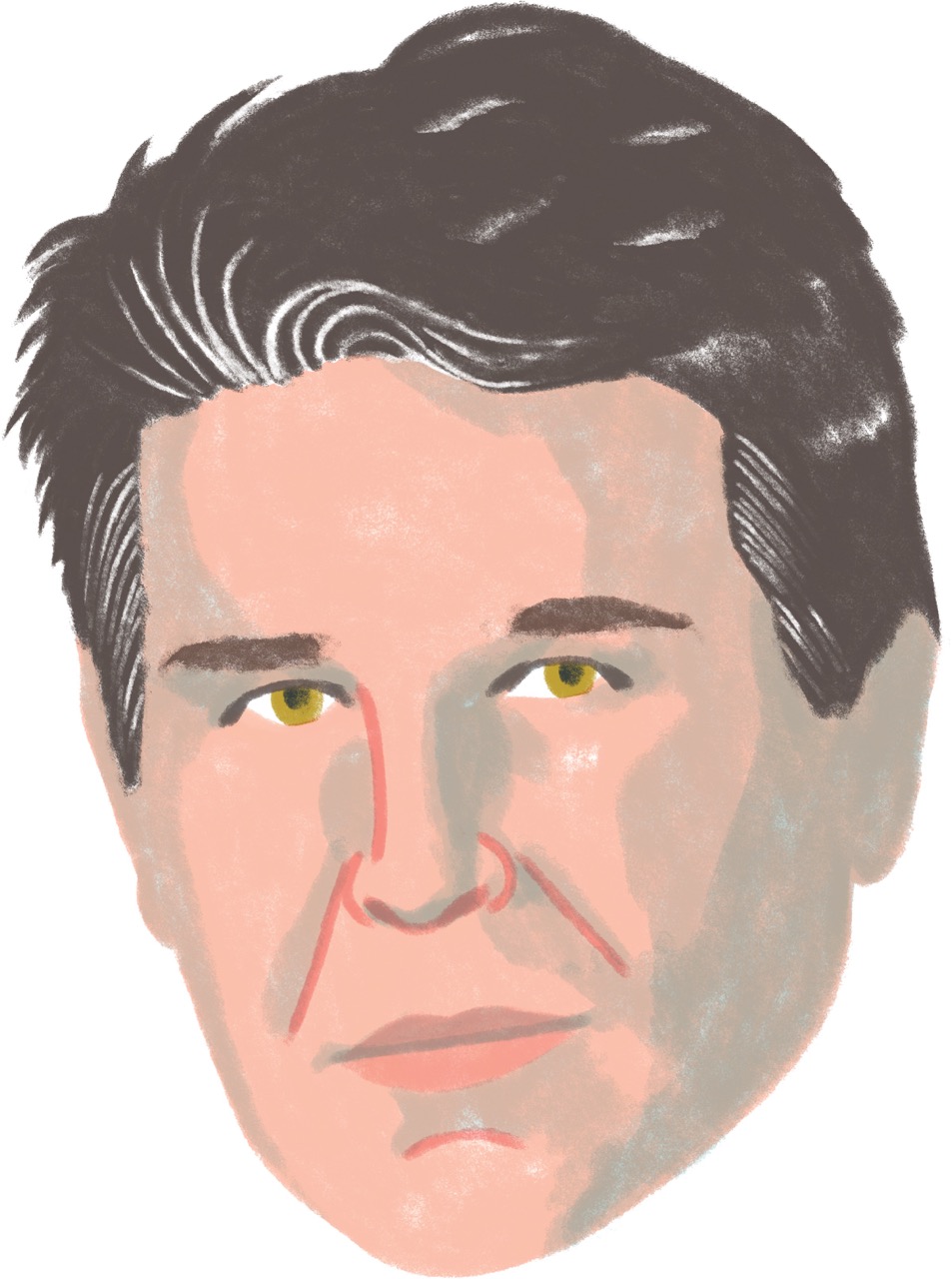
| Matthew Belloni: Let’s talk Shari Redstone! I know the fate of Paramount Global is one of your favorite topics.
William D. Cohan: First, Matt, nice scoop on this one. It’s still likely to be a tough sell, but at least Shari finally has someone on the line.
Matt: Okay, so here’s where we are: On Thursday night, I reported that Ellison’s Skydance Media has teamed with RedBird Capital, and they’re interested in acquiring control of the Redstone media assets. That’s CBS, the Paramount Pictures film and TV studio, rapidly declining cable TV assets, the streamers Paramount+ and Pluto TV, and more. The Paramount Global stock then spiked 14 percent on Friday in response, even though I was pretty clear that these talks are waaaay early and there’s a bunch of possible scenarios here. My question for you is, What do you think of the specific strategy? RedBird and Skydance potentially want to buy a majority stake in National Amusements, Inc., the parent company, not Paramount itself. Is this the right way in?
Bill: I’m not sure why National Amusements would be the focus for these guys. What would buying NAI get them? Control of Paramount Global, of course. Shari, through NAI, owns some 80 percent of the voting shares of Paramount. That gives her the ability to hire and fire the C.E.O. and the board of directors. If RedBird/Skydance buys NAI, they get that. Good for them. They also get Shari’s 10 percent economic stake in Paramount, which, thanks to your reporting, is now worth about 14 percent more than it was on Thursday, about $1.1 billion. Still, at $1.1 billion, the family’s fortune is a fraction of what it used to be when her father, Sumner, was alive and she was on the outside looking in. What should someone pay for a 10 percent economic stake in Paramount that is now trading at $1.1 billion, and that also carries with it absolute voting control of the company?
Matt: Is that the first question to be asking? I think priority No. 1 for potential buyers is how to convince Shari to part with the company. Paramount has some great assets, but it has lost a ton of value since 2019, when she took control and re-combined CBS and Viacom into the company that exists today. But she has so far been unwilling to sell the whole thing or auction off its parts, which would likely be the most beneficial scenario for the shareholders. In fact, I think selling all of Paramount at its current valuation, rather than divesting the parts, would open her up to shareholder lawsuits. Remember, the company recently settled two separate suits from CBS and Viacom investors, respectively, over claims that the merger harmed them and benefitted Shari. So instead, she might be more likely to part with her controlling interest in NAI, which would in turn allow a buyer to dispose of the Paramount assets, get the stock price up, make its shareholders whole, and then do with the remaining assets as they please.
Bill: First of all, Matt, let’s not kid around. Shari is a seller of Paramount Global and/or NAI, and has been for a long time. The question is, At what price can she sell either one, or both, while saving face on Wall Street, in Hollywood, and with her family? So, for the sake of argument, let’s say the two sides settled on a price of $2 billion for Shari’s stake in NAI. Fine. At that kind of number, Shari could declare victory and set her children up for the long haul.
But what does the NAI buyer get? A bunch of troubled movie theaters in New England (that I used to go to as a kid, and where Sumner got his start in the business), as well as something like $1 billion of debt, plus a $125 million preferred stock investment made in May by the ex-Goldman partners at BDT & MSD Partners. BDT’s Byron Trott is now reportedly advising Shari on potential deals.
In September, BDT paid another $25 million to NAI for the right—a “warrant”—to buy 700,000 Paramount Global shares from NAI. That tells me that Shari is a seller, or at least a diversifier of her holdings in NAI and Paramount. But I’m not sure why Ellison and RedBird would want to take on the debt, the theaters, or the preferred owed to Michael Dell, the MSD in BDT & MSD Partners, et al. I know the RedBird folks—also ex-Goldman guys—are clever. Just look at the deal that RedBird IMI is in the process of doing for The Telegraph and The Spectator in the U.K. But they may find that there are things going on at NAI they would rather stay far away from, if they can. Think about it: If they buy NAI, they are just paying a premium to Shari to inherit all her problems, both at the NAI level and at the Paramount Global level. What’s the point of that?
Matt: Well, you’d get control of some pretty iconic entertainment assets. But it’s true, buying control of NAI doesn’t resolve the headaches at Paramount that have made it such a troubled company.
Bill: Yes, the very same headaches that Shari has had for years, including a dying linear TV business; a sub-scale, money-losing streaming business; and a Hollywood studio that doesn’t control as many franchises as Disney or Warner Bros. (but that has had some recent successes). Shari has not been able to make heads or tails of this collection, and neither has Bob Bakish, her C.E.O.
So Cardinale and Ellison can unlock that value when others haven’t? Maybe they could merge Skydance with Paramount, but if they buy NAI, that will be harder to accomplish. Paramount would then be forced, in effect, to buy Skydance in order to get the benefits of a merger, it seems to me. Whereas if Ellison/RedBird used Skydance to buy Paramount, including Shari’s voting control stake and Warren Buffett’s large economic stake, they could immediately join it together with Skydance, and they wouldn’t have the additional burden of forcing Paramount to buy Skydance, or get all the additional crap that’s at NAI. I might be missing something, but I’d be focused at the Paramount Global level, not the NAI level, although that is a bigger deal, I concede.
Matt: Yes, another key advantage of NAI is the cost would be significantly lower. Money isn’t free for the taking these days. RedBird manages about $10 billion in assets, and it has been in the mix on other deals in the media space, including launching Artists Equity with Ben Affleck and Matt Damon. In addition to RedBird, Skydance has KKR and Tencent behind it, as well as Larry Ellison, worth about $150 billion. But it’s naive to think that Dad would just write a check for David to own a legacy studio. Remember, David’s sister, Megan Ellison, got into some trouble with her Annapurna Pictures, and Larry basically put his foot down and forced her to right-size the company. The principals would need to raise outside money for this deal to happen, and the cost of capital is significantly higher these days.
Bill: Sure, but it’s not so high as to be prohibitive. I’m old enough to remember that today’s rates still seem relatively attractive. You just change a cell in the Excel program and recalculate, Matt, but can you imagine how pissed the shareholders at Paramount Global will be if Ellison/RedBird does a deal for NAI and not for Paramount Global? Shari gets out at some premium, and they get nothing but a new owner. That stock, which you levitated on Friday, would sink like a stone. Again, I’m sure the clever folks at RedBird are thinking they’re onto something with NAI, but there’s trouble in River City there, if you ask me. |
|
|
| Matt: Maybe. Or maybe it’s the best outcome: getting a new controlling shareholder that, unlike Shari, is willing to carve up the company to unlock value. Shutting down Paramount+ would instantly save billions, and all that owned content, like the Taylor Sheridan shows and first-run movies, could be licensed to other streamers for tons of cash. Pluto TV is a growing asset that would likely fetch billions if sold to a media company that doesn’t have a FAST channel. Some vulture P.E. firm is probably willing to take the still-profitable TV networks and suck them dry, just like P.E. firms are currently doing with newspapers. Or maybe RedBird itself would do that. And how much would Netflix pay for the iconic studio lot in Hollywood? Ted Sarandos has always wanted that flex. There’s a ton of value to be generated, and a new ownership team would dispassionately go about a carve-up. Maybe that’s one reason RedBird is negotiating to bring in Jeff Shell, the former NBCUniversal C.E.O.
Bill: It’s easy to talk about carving a company into pieces. But there are tax considerations here. I’ve got to assume the tax basis in these Paramount assets is close to zero, so the tax bite of breaking them up and selling them off will be considerable. That’s one of the reasons Shari re-combined CBS and Viacom in the first place, to make it easier to sell the assets in a tax-efficient way. That would be out the window for Ellison/RedBird if they break the company up.
I take your Jeff Shell point, but what about my buddy Jeff Zucker, who is already in the RedBird fold? As you know, Matt, I’ve been an advocate of Zucker leading Paramount Global for years. I still think he could be the one to run it for Skydance/RedBird, perhaps sharing the duties with Shell. I’m told Zucker won’t be running The Telegraph or The Spectator day-to-day, which would free him up.
Matt: What Ellison really wants, I think, is Paramount Pictures, the studio. He came to Hollywood to make blockbuster films and TV. He’s got a piece of Mission: Impossible there, the Reacher and Jack Ryan franchises. It’s one of the original studios, home of The Godfather and It Happened One Night and Forrest Gump. He could sit in the office of Adolph Zukor, one of the original Hollywood moguls, and run a nice little theatrical movie studio and content supplier to all the other streamers. Will it happen? Who knows, but this does make sense to me.
Bill: I’m more skeptical. What Paramount Global needs is more scale, more heft to be able to compete effectively against NBCUniversal, Disney, Warner Bros. Discovery, Netflix, Apple, and Amazon. It’s a seriously subscale business at this point. And I’m not sure a combination with Skydance would help that problem. How does being owned by another financial buyer do anything for Paramount? Replacing Shari with David Ellison and Gerry Cardinale may be great for Shari, but I don’t see it doing much for its non-Redstone shareholders.
Matt: So you would merge Paramount with another competitor, even if that presents regulatory issues?
Bill: I like a deal with Warner Bros. Discovery or Apollo Global Management, which has a ton of money plus a network of local television stations that could be part of the Paramount Global deal. Synergy! My gut tells me that maybe your scoop is Shari’s way of letting the market know she’s ready to sell, so other bidders can possibly emerge, although WBD and its C.E.O., David Zaslav, are boxed out until next April because of the Reverse Morris Trust rules.
Or maybe this is the best Shari could come up with, and her only way out is by selling NAI. Good for her, if true, but lousy for Paramount Global shareholders. If Ellison wants Paramount, his best bet is to buy Paramount Global through Skydance backed by RedBird, KKR, Tencent et al. There’s plenty of dry powder out there for smart deals. But buying NAI is not a smart deal, I don’t think. |
|
|
|
|
| “Fuck those Nielsen people.” —Charles Barkley, venting on his podcast after his new CNN show with Gayle King lured only 466,000 total viewers (115,000 in the 25-54 demo).
Runner up: “What has happened is that the availability to license has opened up a lot more.”
—Netflix co-C.E.O. Ted Sarandos, at the UBS media conference, basically twisting the knife into traditional studios in explaining that Netflix won’t have to make as many originals because the other players are so desperate to sell off titles to generate cash from their libraries.
A little more on this…
When people ask when the Streaming Wars ended, cite this interview. Sarandos characterized licensing as “the natural state of the business,” which might be true, but Netflix doesn’t license its library, and there’s a reason for that: It doesn’t have to, and as it pulls away from the competition, Sarandos is pushing for an ecosystem where his company is the single global television network and then everyone else must feed it with 100 years of Hollywood content. Great for Ted, but is that great for the overall entertainment ecosystem? Probably not. |
|
|
| Candle Media, the Blackstone-backed Kevin Mayer-Tom Staggs outfit writing big checks in 2021-22, is expected to miss its numbers by about 50 percent this year. Reese Witherspoon’s Hello Sunshine is off by 90 percent. [Bloomberg]
I’m OK with the Times referring to the current state of nearly dead cable networks as “Zombie TV,” but TV Ridiculousness also works. [NY Times]
Sam Lansky did a nice job with Taylor Swift’s Person of the Year profile, justifying the choice, including newsy quotes, and inserting a bit of skepticism of Swift’s victim narrative. [Time]
The Cinerama Dome might remain closed, but the Tiki, the last porn theater in L.A., is still chugging along for some reason. [L.A. Times]
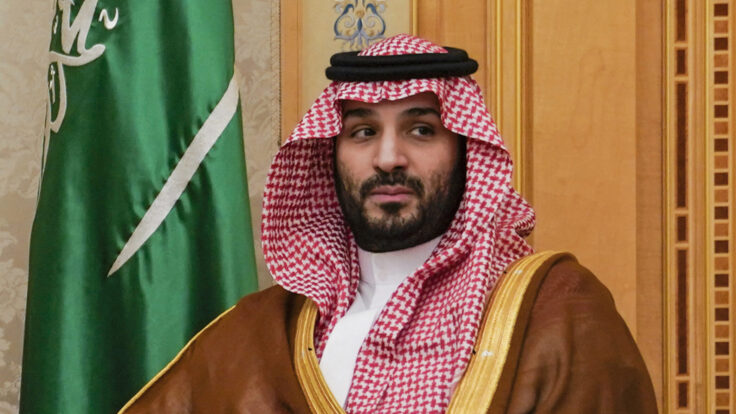
Find someone who loves you as much as Deadline Hollywood and the Penske trades love shilling for the Saudis. [Deadline]
Now an item from Eriq Gardner, whose The Rainmaker newsletter will tell when your company is being sued before anyone else even suspects… |
| The Feds Have Names of Hollywood Gamblers |
|
| Dodgers fans might be currently fixated on Shohei Ohtani, their new $700 million star, but an investigation of a former player could expose an illegal gambling network that reached elite circles.
Former Dodgers outfielder Yasiel Puig agreed to plead guilty a year ago to lying to federal agents about using a bookie named Wayne Nix. Puig, however, had a change of heart and is now heading for trial next month.
As a possible defense, Puig’s legal team has probed whether prosecutors exhibited racial bias by singling him out instead of Nix’s other clients. Some of those materials made it to The Washington Post, which, on Nov. 30, revealed that Maverick Carter, LeBron James’s friend and partner in their SpringHill Entertainment entity, was among those who confessed to betting on NBA games through Nix.
Now, federal authorities are scrambling to conceal other “uncharged clients” of Nix, including “approximately 30 professional athletes and celebrity clients.” Who might be on that list? In court papers, prosecutors insinuate that Puig’s lawyers leaked the materials (which they deny), and they are now seeking to safeguard the anonymity of these people. Puig’s team is opposed, portraying the feds’ move as a reaction to media coverage. They also highlight that betting is not a federal crime and that these public figures are witnesses. On Thursday, prosecutors persisted in their push for secrecy, noting that placing wagers on sports remains illegal in California. —Eriq Gardner |
|
|
| Lots of opinions about what Shari Redstone should do with Paramount. Some examples:
“Shari is in a really difficult position because she is emotionally attached to the company. She feels that she rescued the company from Sumner’s girlfriends and all the yes-men in her father’s life, and now what did that get her? A ticking time bomb. If she doesn’t sell now, the options are going to be terrible very quickly. That’s why the National Amusements route makes sense for [David] Ellison. He can get Shari out without her having to decimate her father’s company first. And once she’s gone, David can do whatever he wants.” —A Paramount employee
“At least Ellison loves movies and TV. Better him than Steve Schwarzman.” —A producer
“Excellent work, per usual. I still don’t know why they didn’t sell BET when Tyler Perry came calling. I don’t know what other person is coming along with an offer. They can’t afford to be as choosy as they’ve been.” —A filmmaker
“Shari’s a Trump buddy, and so is Larry Ellison. They’re a match made in hell.” —An agent |
|
|
| Joe Biden stopping by the Norman Lear shiva yesterday at the Lear home made a ton of headlines, but the industry outpouring has been equally impressive. Some names who have paid tribute to the late TV icon: Bob Iger, Ted Sarandos, Rob Reiner and Cary Elwes (Lear financed and produced The Princess Bride), Greg Berlanti, Ryan Murphy, Jimmy Kimmel, George Clooney, Matthew Weiner, Julia Louis-Dreyfus, Keegan-Michael Key, Robert Downey Jr., J.J. Abrams, Phil Rosenthal, Albert Brooks, and Amy Poehler, and that’s just the first two days. |
|
|
Have a great week,
Matt
Got a question, comment, complaint, or a “sex pest” you’d like to expose? Email me at Matt@puck.news or call/text me at 310-804-3198. |
|
|
|
| FOUR STORIES WE’RE TALKING ABOUT |
 |
|
 |
| Ari’s Anxieties |
| Notes on Endevor’s go-private and Zucker’s Telegraph bid. |
| WILLIAM D. COHAN |
|
 |
|
 |
|
|
|
|
|
 |
|
|
|
Need help? Review our FAQs
page or contact
us for assistance. For brand partnerships, email ads@puck.news.
|
|
You received this email because you signed up to receive emails from Puck, or as part of your Puck account associated with . To stop receiving this newsletter and/or manage all your email preferences, click here.
|
|
Puck is published by Heat Media LLC. 227 W 17th St New York, NY 10011.
|
|
|
|