 |
|
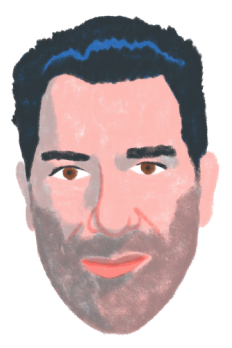
Happy Monday, I’m Eriq Gardner.
|
|
Welcome back to The Rainmaker, a private email about money, power, fame, and, most of all, the law.
For a minute, it looked like Elon Musk and Mark Zuckerberg were going to settle their differences the old-fashioned way: fisticuffs. But now it looks like an even older-fashioned way: with the best lawyers that money can buy. Also in this week’s edition: Does Nevada’s possible future as a business mecca ride on giving James Dolan some peace of mind? Will this be the week that a federal judge gives Lina Khan heartburn? And what does the math say about pay disparity at Disney?
Was this email forwarded to you? Click this link to subscribe.
|
|
|
- Even James Dolan haters have to admit that the July 4th debut of his MSG Sphere in Las Vegas was pretty spectacular. (Here’s a video.) Of course, there’s been some pretty spectacular legal fallout from the $2.3 billion project, too. A few weeks ago, Rider Levett Bucknall, a construction firm that was fired from the project, sought to depose Dolan, and a Nevada judge agreed. Nevada, after all, has never adopted the “apex doctrine,” which shields top corporate officers from the nuisance of testifying unless absolutely necessary. Dolan is now taking this matter to the state Supreme Court, and that’s no small thing. As I’ve noted, Nevada is trying to supplant Delaware as the preferred state where businesses incorporate. A permissive approach to C.E.O. depositions, though, probably stops this cold.
- I detailed my top five media and entertainment cases I’m watching in Matt Belloni’s newsletter. Making the cut was Federal Trade Commission v. Microsoft Corporation, which will decide the fate of the $69 billion acquisition of Activision. I think this case carries significance beyond the video game industry thanks to its focus on vertical foreclosure, whereby an acquiring firm (Microsoft) might sacrifice profit by withholding newly controlled supply (like Call of Duty) from competitors (Sony, Nintendo). In other words, is content exclusivity an antitrust concern? That’s the aspect of federal judge Jacqueline Corley’s decision that I’m particularly keen to read. My expectation is the ruling will come Friday, if not sooner.
- Later this year, a judge will decide whether to certify a class action against Disney because female professional employees in California earn 2 percent less than similarly situated men. According to one economist hired by plaintiffs, the odds of a gender gap this large occurring randomly are less than one in one billion. (Read the class certification memorandum.) What does Disney have to say on the matter? Not much, so far, but its lawyers at Paul Hastings are due to respond on Sept. 8.
|
| A Billion-Dollar Meta Mystery |
|
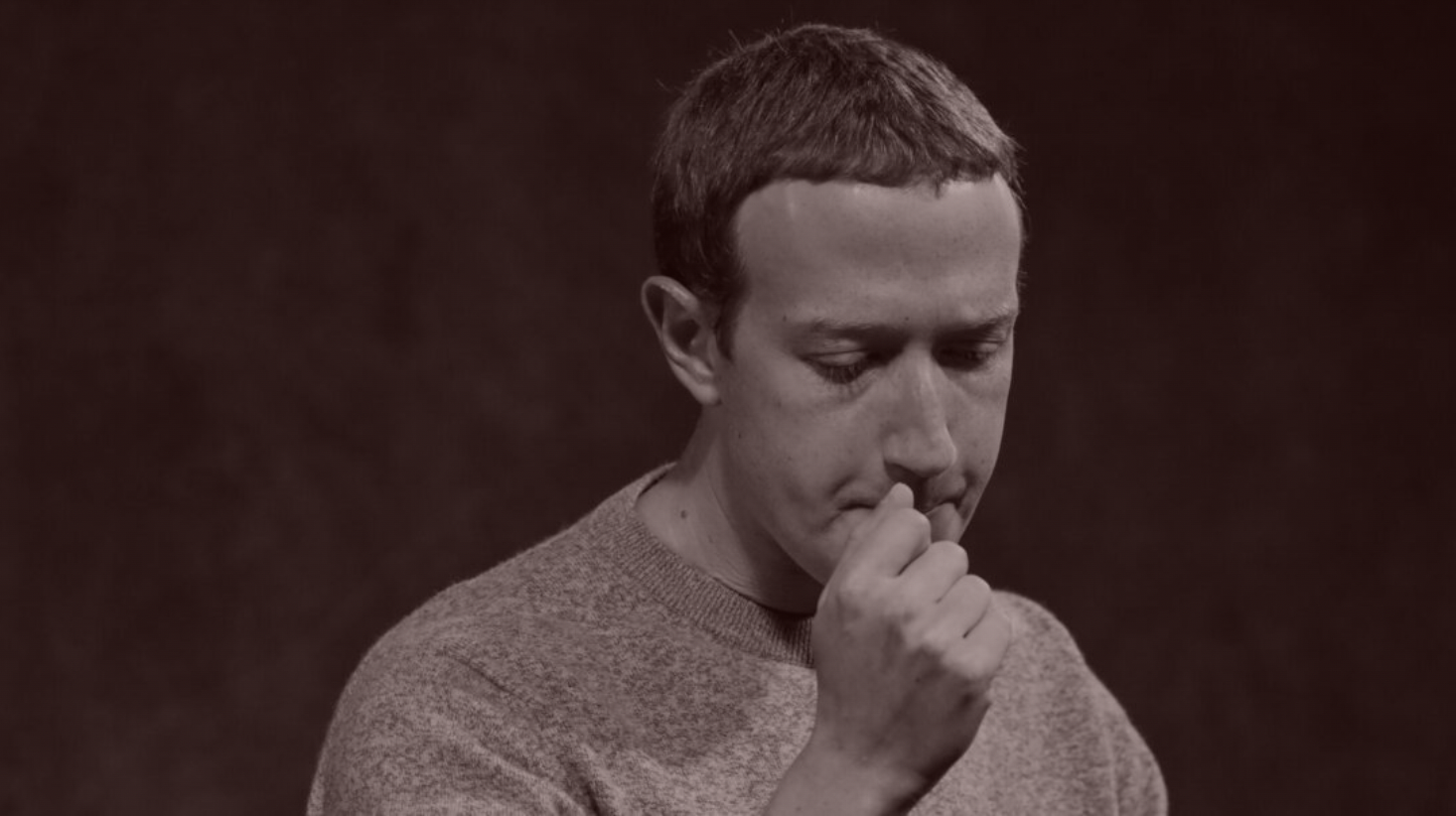
| While Mark Zuckerberg appears to be laughing off Elon Musk’s legal threats over Zuck’s instantly popular Twitter clone, there is another lesser known but equally intriguing lawsuit on Meta’s calendar. On Sept. 18, the company is slated to face Neural Magic, Inc., a Massachusetts startup that claims its former employee, Dr. Aleksandar Zlateski, shared the company’s trade secrets when he took a position at Facebook’s A.I. group.
Earlier this year, Massachusetts federal judge Denise Casper rejected Meta’s request to avoid a trial and ruled that NMI could seek damages for the diminished value of its enterprise, along with reasonable royalties for whatever code might have been incorporated into Meta’s products. NMI has suggested the theft of secrets resulted in more than $880 million in damages—although the judge agreed to exclude the plaintiff’s expert who arrived at that figure. The trial offers an opportunity to witness Meta defend its aggressive recruitment before a jury. Notably, NMI is represented by Quinn Emanuel, a.k.a. the home of Musk’s brash, Harvard Law-trained fixer, Alex Spiro, who wrote Zuckerberg that testy letter.
And speaking of Zuckerberg’s legal headaches… |
|
|
| With all the other legal problems on Mark Zuckerberg’s plate—fighting an A.I. trade secrets lawsuit, defusing Elon Musk’s “copycat” threat over Threads, appealing a $1.3 billion E.U. fine—it’s no wonder that Meta is moving swiftly to put to rest a class action from a group of aspiring sex workers who accuse the company of unjustly shadow-banning them.
It all started a year ago when the adult entertainers claimed that Instagram had colluded with OnlyFans to “blacklist” rival NSFW sites including ManyVids, LiveJasmin, and FanCentro. Adding fuel to the fire, the plaintiffs pointed to financial records purporting to show payments to top Meta executives Nicola Mendelsohn, Christian Perrella, and Nick Clegg, the former deputy prime minister of the U.K. who is now Meta’s president for global affairs. Were they bribed by OnlyFans to favor its content? That was the implication of a so-called Facebook employee in a “whistleblower” report that supposedly came into the company’s integrity reporting site. Meta and OnlyFans have called the allegations meritless, but in late November, U.S. District Court Judge William Alsup deemed them plausible enough to reject Meta’s motion to dismiss, thrusting the sordid affair into the discovery phase.
And, oh boy, did things get adventurous from there. When Alsup learned, for instance, that Wired reporter Dell Cameron may have interacted with the mysterious whistleblower and had gotten ahold of a version of the report, he demanded answers. “Well, are these people from Wired willing to come and testify here under oath, and explain the origins of this document?” he asked. Taking the hint, David Azar, the plaintiffs’ attorney, proceeded to depose both Cameron and his editor in late May. (According to court documents, the two journalists evaded most of the questions.)
Then there was the tantalizing financial trail. Initially resistant to a subpoena for their records, British bank HSBC eventually conducted a search but found no evidence of the alleged wire transfers. During a March hearing, Azar unveiled new “anonymous source” documents that he said indicated the executives received interbank wire transfers. He also expressed a desire to subpoena the Federal Reserve. So far, no word on any results.
Now, Meta’s lawyers at Kirkland & Ellis insist that the clock has run out. In a bid to shut down the controversy, Meta has provided sworn denials from Clegg, Mendelsohn, and Perrella and is demanding a swift conclusion to the case. Meanwhile, the parent company of OnlyFans, a co-defendant represented by Quinn Emmanuel, has gone further, filing a motion for sanctions for what they perceive as a wild goose chase. Azar didn’t respond to my request for comment, although he previously told the judge that he didn’t think his case hinged on proving the bribery aspect.
While this creepy case may amount to nothing more than an annoyance for Meta, it’s evident that the company’s legal department views this situation as potentially more explosive than usual. Plus, it’s not every day that a case against a social media company overcomes Section 230 arguments. It now falls on Judge Alsup to decide whether to allow the plaintiffs to continue an investigation, whether that means compelling the Wired reporter to answer questions, or allowing Azar to pivot to figure out whether there’s another reason for Meta seemingly favoring OnlyFans. Alternatively, the case might come to an unceremonious conclusion with a few lingering news articles from the lawsuit’s early days about the possibility of some conspiracy. |
|
|
| Shortly after it launched, I eagerly signed up for Threads, becoming one of the staggering 100 million users who overlooked Meta’s unsavory history—of privacy violations, covert social experiments, and, oh yeah, that OnlyFans scandal—to experiment with Zuckerberg’s censorship-friendly, community-guidelines-bound, unapologetically brand-safe Twitter alternative.
Ironically, Threads owes its existence on some level to a chain of events sparked by sensational stories of content censorship at Twitter. While there may not have been porn sites bribing executives, certain communities on the right perceived Biden officials as pressuring Twitter to remove posts from Covid vaccine skeptics. Musk was among those who believed the principle of free speech had been violated, providing one incentive, among who knows what other reasons, to acquire Twitter for $44 billion. (Though, yes, he did try to get out of the deal once or twice…) Of course, his subsequent leadership managed to irk a significant number of Twitter’s most prominent users, leading them to seek refuge on other platforms—even turning to the previously distrusted Meta.
Now, Musk is threatening legal action over the “copycat” Threads. Alex Spiro, his go-to Quinn Emanuel bulldog, asserts in a two-page letter that Meta relied upon former Twitter employees for trade secrets and other intellectual property—claims that Meta categorically denies.
Personally, I’m skeptical that this dispute reaches the courtroom. Spiro’s letter lacks any specific references to patents or former employee contracts that might genuinely raise concern for Meta’s lawyers. As for the vague invocation of trade secrets, any lawsuit would have to countenance that social media is a pretty mature industry with numerous competitors offering similar features. Musk himself has already publicly disclosed Twitter’s recommendation algorithm and internal emails about moderation.
Then there’s the question of whether Musk took reasonable measures to protect trade secrets, which would undoubtedly be scrutinized in any court battle. If protecting that turf was his game plan, Musk probably should have been wiser about securing the confidences of the more than 6,000 Twitter employees he fired. Of course, given Musk’s unpredictable nature, one can’t entirely rule out the possibility of him pursuing an iffy case against a tech giant capable of mounting a formidable counterattack, perhaps if only for shits and giggles. Remember, only weeks earlier, he was threatening to square off with this potential litigant in the ring. |
| Zuck’s Least Favorite Law Firm |
|
| If Musk indeed proceeds with a trade secrets case against Meta, Spiro will have a deep bench to draw in for this case. There are a number of Quinn Emanuel partners and associates currently representing Neural Magic, Inc. in its trade secrets suit against Meta, plus Hollywood super lawyer Robert Schwartz, who worked alongside Spiro in successfully defending Musk at the “pedo boy” defamation trial (and is getting ready for a trade secrets trial of his own). Spiro can also talk to his firm’s U.K. team, which is leading a massive class action claiming Facebook abused its dominant market position to access personal data. (Meta experienced a huge setback on this front last week, and it’s no coincidence that Threads has yet to launch in Europe.)
Indeed, Spiro can even tap his colleagues currently representing OnlyFans in the porn blacklisting case. Although Quinn Emanuel ostensibly sides with Meta in that lawsuit, the firm is one reason why the case has been painful for Zuckerberg’s colleagues. Quinn Emanuel “inadvertently” revealed the names of Meta’s allegedly bribed executives due to sloppy redaction fails. |
| A Coda: Elon’s Least Favorite Law Firm |
|
| Meanwhile, Musk just ignited a feud with Wachtell, the prestigious law firm that Twitter’s former board hired last year to ensure his $44 billion acquisition of the company went ahead. While Musk is no stranger to the courtroom, he rarely finds himself on the plaintiff’s side. In this case, he is seeking the return of $90 million in fees that Twitter paid to the firm, causing quite a stir in the legal community.
The complaint and exhibits (read here) are rather remarkable. They include partner Ben Roth’s original pitch to secure Twitter as a client (“matters like this are squarely in our wheelhouse”), a breakdown of what various lawyers were billing (Leo Strine took three $2,000-an-hour hours to “consider next options regarding scheduling”), and, most spectacularly, a mid-boardroom emailed double-take from Twitter’s then-director Martha Lane Fox upon learning what Wachtell would be paid: “O My Freaking God.”
The legal claims revolve around how Wachtell allegedly exploited the lame duck officers and directors running Twitter just before Musk’s takeover. The complaint suggests that Wachtell modified the previously negotiated hourly fee arrangement to include tens of millions in “success” fees. Not only did Twitter’s board rubber stamp it, but according to Musk, they wired over $84 million just ten minutes before Twitter’s former legal head Vijaya Gadde was fired upon the closing of the merger. A gift to these powerful lawyers is how Musk’s lawsuit frames it.
While this may appear damning, it should be noted that Wachtell has a history of incorporating “success” into its fee structure. The engagement letter, which outlines the fee terms and serves as the basis for Musk’s claims, may not be the sole document addressing compensation. Additionally, Wachtell has a history of successfully defending post-merger fees in contentious fights. For instance, when Carl Icahn launched a hostile bid for CVR Energy about a decade ago, Wachtell represented CVR and implemented hefty banker fees in the event of a successful close. Icahn would later go after Wachtell for legal malpractice, with Wachtell emerging victorious.
Of course, just because Wachtell might have a defense doesn’t mean there won’t be settlement considerations. Other company boards will surely keep close tabs on this one. How much is the firm willing to compromise to safeguard its secrets? Plus, hiring lawyers these days ain’t cheap. No one is giving Wachtell a discount. |
|
|
| That’s all for this week. Email me back with any comments. And follow me on Threads. Until next time, Eriq |
|
|
|
| FOUR STORIES WE’RE TALKING ABOUT |
 |
|
 |
|
 |
| Impeachment Agita |
| Unpacking McCarthy’s various dilemmas. |
| TINA NGUYEN & ABBY LIVINGSTON |
|
 |
| ESPN Anxieties |
| Notes on the network’s uncertain trajectory. |
| DYLAN BYERS |
|
|
|
|
|
 |
|
|
|
Need help? Review our FAQs
page or contact
us for assistance. For brand partnerships, email ads@puck.news.
|
|
You received this email because you signed up to receive emails from Puck, or as part of your Puck account associated with . To stop receiving this newsletter and/or manage all your email preferences, click here.
|
|
Puck is published by Heat Media LLC. 227 W 17th St New York, NY 10011.
|
|
|
|