 |
|
Happy Monday, I’m Eriq Gardner.
|
|
Welcome back to The Rainmaker, a private email about money, power, fame, and, most of all, the law. (If you’re not already subscribed, click here to receive this newsletter weekly.)
In today’s edition, the explosive Lizzo and Leah Remini-Scientology lawsuits. Fair warning: Not everyone is going to like what I have to say about these cases. Plus, Ari Emanuel, Jeff Bezos, Christiano Ronaldo, Marty Singer, Tom Cruise, MrBeast, Elon Musk, Aaron Sorkin, Sam Altman, Bob Woodward, and Donald Trump.
But first…
|
|
|
- The Ben Smith Defense: Carlos Watson, the Ozy Media founder whose enterprise imploded when Ben Smith exposed his misrepresentations to investors in a now-famous New York Times column two years ago, is attempting to position Smith as the centerpiece of his legal strategy to defeat pending criminal fraud charges. Watson argues that prosecutors are “stretching the law beyond recognition to criminalize what is at worst commonplace puffery,” pointing to how Buzzfeed, where Smith once worked, manipulated its own pitch to investors with projections that turned out to be far from accurate. A dismissal motion (read here) includes extensive quotations from Smith’s recent book, Traffic, and notes, “As of this writing, neither [Jonah] Peretti nor Smith has been charged with any crime.” Smith declined to comment.
- Ari Emanuel’s Summer Reading: It’s trial-or-bust time for David Carde, the consultant who claims Endeavor appropriated his blueprint for its $10.3 billion I.P.O. in 2021. On Thursday, Endeavor filed a summary judgment motion (read here), which includes a declaration from C.E.O. Ari Emanuel swearing (curse-free) that he never read the Carde essay that laid out the strategy and, in fact, never heard of the guy when a mutual friend forwarded the essay in a 2019 email. After Endeavor’s previous failed attempt to defeat the case a year ago, a tentative trial is scheduled for next August. Endeavor is hoping to avoid that showdown by convincing a Los Angeles judge that, among other things, there was no use of Carde’s ideas, and that it had already embraced “network effects”—hardly a novel idea in the business world—long before Carde came along. The consultant is due to highlight his own evidence soon.
- The Bezos Affair Suit: Speaking of Endeavor, executive chairman Patrick Whitesell just helped the National Enquirer’s parent company beat a defamation lawsuit filed by his former brother-in-law, Michael Sanchez. Four years ago, tabloids were all over the story that Whitesell’s then-wife Lauren Sanchez was having an affair with Amazon’s Jeff Bezos, based in part on sexually explicit text messages apparently provided by her brother. Michael Sanchez filed a libel claim after being identified as the source, alleging that Whitesell told the Enquirer about the affair. But in a deposition, Whitesell insisted he did no such thing, and also revealed other inconsistencies undermining Michael’s case. On Wednesday, a federal judge finally issued a judgment in the three-year-old case. (Read here.)
- To Kill a Lawsuit: Scott Rudin and Aaron Sorkin just scored a court ruling that confirms their rights to mount a stage production of To Kill a Mockingbird. The duo’s Broadway production shut down in 2020 amid Covid, bullying allegations against Rudin, and more obscurely, an arbitration loss to the Dramatic Publishing Company, which once had an exclusive deal with Mockingbird author Harper Lee for stage rights. But those exclusive rights haven’t survived the termination provisions of copyright law. (Here’s the judgment.)
|
|
|
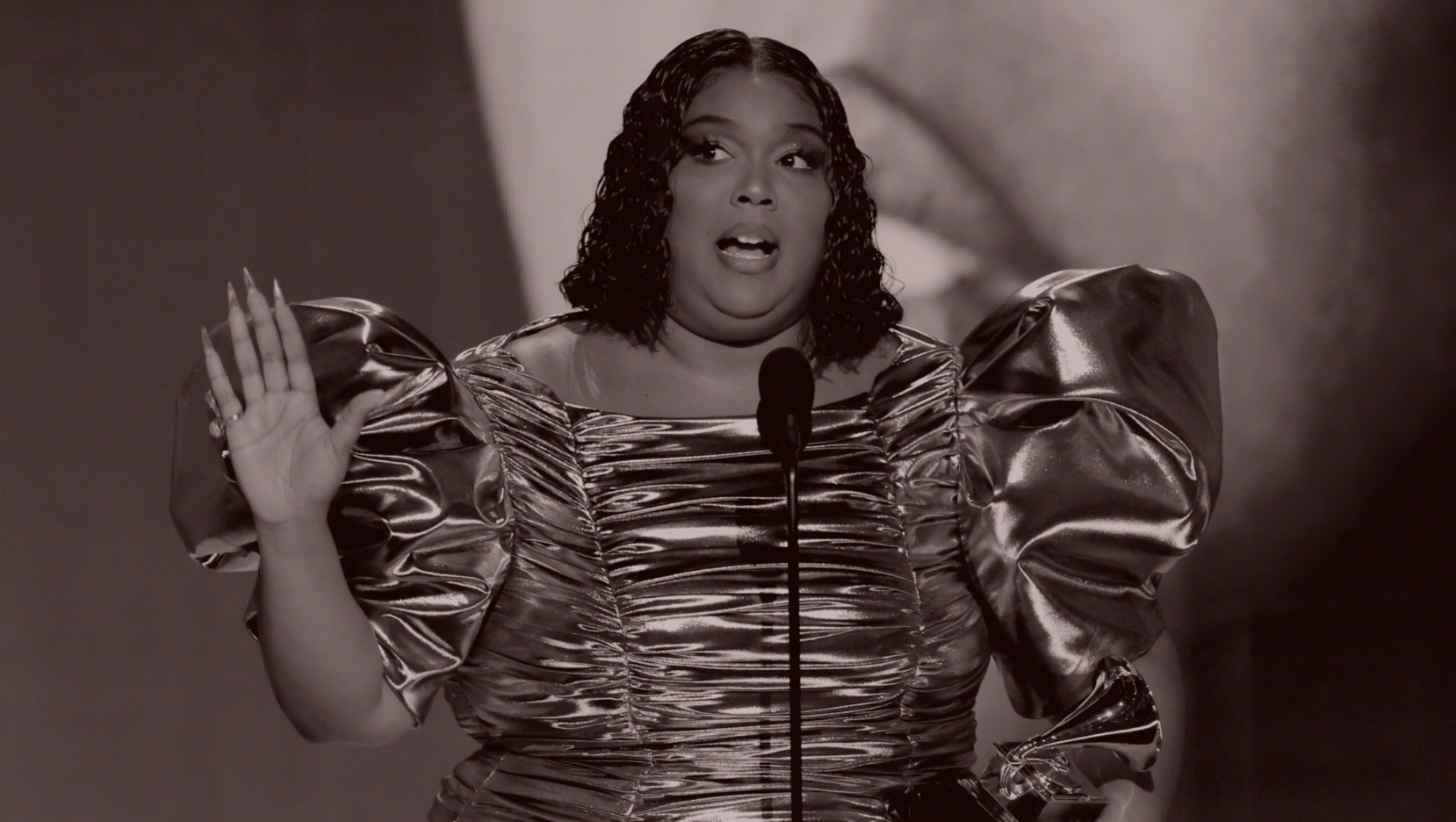
| Over the past five years, rap-pop star Lizzo has become an international symbol of full-figured empowerment, with a thriving musical career and blossoming reality TV success. That feel-good narrative was upended last week when three former background dancers—Arianna Davis, Crystal Williams, and Noelle Rodriguez—lodged a provocative complaint in Los Angeles Superior Court, accusing the 35-year-old singer of cultivating a hostile work environment. Their scandalous accusations (sexual, religious, and racial discrimination; weight shaming; false imprisonment, etc.) ignited social media. Yet, amid all the hullabaloo, little consideration has been given to whether the case against Lizzo holds any legal merit.
In short, is this yet another celebrity legal mess defined by sensationalistic headlines, but where courtroom victories remain elusive? In my view, the answer is a resounding yes. That’s because this case, despite its buzz, will almost certainly draw a formidable First Amendment challenge.
There is, after all, a long history of entertainers evading harassment or discrimination in the context of artistic expression. Consider the famous two-decades-old case involving a female writing assistant on Friends, who tried (and failed) to win a hostile workplace claim after enduring sexually-coarse language in the sitcom’s writers’ room. Or the series of lawsuits targeting The Price Is Right producers for allegedly discriminating against pregnant models. That evolved into a topsy-turvy courtroom battle, with trial verdicts, appellate reversals, and ultimately settlements. More recently, an appellate opinion addressed how Marlon Wayans bullied another actor with racially-inflected language during the making of A Haunted House 2. But California appellate justices stood behind Wayans’ speech, rationalizing it as part of the improvisational creative process that often goes into making and promoting a comedic movie.
Yes, despite the changing culture post-#MeToo, artists still enjoy substantial latitude in how they express themselves. Moreover, California law is designed to swiftly dispense with frivolous cases that impinge on someone’s free speech. That dynamic will probably result in Lizzo and her pitbull attorney, Marty Singer, soon filing an anti-SLAPP motion (assuming an arbitration push isn’t the strategy), demanding that these dancers demonstrate a prima facie likelihood of success before continuing any further. If the dancers can’t meet that bar, not only will claims be dismissed, but they’ll have to pay Lizzo’s legal costs, too, adding to the pressure for them to settle.
Is that where all this is headed? Based upon what I see in the complaint (available here), that’s more than possible. While I won’t cover everything (e.g. “sexually explicit songs on the tour bus,” something involving a banana), a few notable areas stand out.
For example, take Lizzo’s alleged concerns about Davis’s weight gain, which has drawn considerable media attention for obvious reasons. While Lizzo’s concerns, if true, are undoubtedly incongruous with a star who champions inclusivity and body positivity, courts have generally deemed casting decisions to be protected by the First Amendment, even if they raise discrimination concerns. Davis claims to have an eating disorder, while she and Williams also say they’ve been subjected to derision as lazy dancers with bad attitudes, unlike non-Black members of the cast. However, their accounts of mistreatment, like being forced to dance for extended periods without breaks in soiled attire, or having to be photographed in risqué clothing, might be explained away as legitimately serving an artistic purpose. As long as firing decisions weren’t substantially motivated by racial and disability animus, the pop star probably has the upper hand.
The Lizzo complaint certainly ventures into intriguing territory, such as a post-show excursion to an Amsterdam club, where Davis claims she felt pressured to touch the breasts of a nude performer. While the suit acknowledges that attendance was not mandatory, Davis apparently believed she needed to do this to gain favor with Lizzo and avoid being ostracized from the group. The question arises, though: was this an act of sexual harassment in the workplace, or an attempt to build camaraderie with Lizzo, who famously flaunts her own sexuality? After-hours, out-of-office trips can sometimes get employers into trouble, but I also foresee Lizzo’s attorney emphasizing the context and addressing what the dancers expected—and maybe even expressly consented to—when joining a bawdy star whose show is titled Lizzo’s Watch Out for the Big Grrrls.
Eventually, we may also see an attack on some of the lawsuit’s quirks, such as the highly dubious religious harassment claims. While courts are certainly protective of religious liberty these days (see the recent Supreme Court opinion on refusing services to same sex couples), this suit’s vision of religious infringement is extraordinary, to say the least. After all, the harassment claims are not based on the dancers being prevented from exercising their own religious beliefs, but rather on some implied theory that the dancers enjoyed a right to be free from the proselytizing of Shirley Quigley, the dance troupe captain who is a co-defendant in this case. I’m skeptical that this is going to fly.
All in all, while this controversy is generating a fair amount of heat for Lizzo, I’ll be surprised if it causes her trouble down the road. I’ve witnessed way too many cases much like this one crumble under the slightest bit of courtroom scrutiny. |
|
|
| Speaking of newly sacred texts, there’s another just-filed lawsuit that has gone viral but also seems vulnerable to a First Amendment counterattack. Alas, I’m referring to the complaint filed by Leah Remini against David Miscavige and the Church of Scientology in L.A. Superior Court. Let me say upfront that I admire Remini, an actress who has bravely used her bully pulpit to expose the inner workings of the church in a popular A&E series and beyond. But frankly, the 64-page complaint (read here) is less than impressive.
Beyond the background on L. Ron Hubbard and the tenets of Scientology, and matters that are likely outside the statute of limitations (such as “psychological torture” Remini says she endured after expressing concerns about what she saw at Tom Cruise’s wedding), the core of the complaint is essentially the smear campaign that the Church of Scientology supposedly orchestrated to discredit her. In short, Remini claims that she continues to face surveillance by operatives posing as freelance journalists, as well as harassment on social media and via letter-writing campaigns to business associates and advertisers. More specifically, it will be the court’s job to assess whether she’s the victim of civil harassment, stalking, intentional infliction of emotional distress, tortious interference, and defamation.
I’m dubious of the latter claims, in particular. Remini’s lawyers present numerous instances of people saying disparaging things about her, but even if these statements can be traced to the Scientology conspiracy, much of the challenged speech is vague, opinionated, and hyperbolic, rather than provably false. For instance, the filing mentions past accusations that Remini has “blood on her hands” for a Scientologist’s murder and how she’s a “rape apologist” who believes sexual abuse of women is not a big deal, or that she’s a “vicious, lying, narcissistic, deranged, demented, and dangerous bigot.” Are these statements abhorrent? Certainly. But much of this sounds like exaggerated, over-the-top speech. With such an unfocused complaint, Remini risks having a court perceive her as merely griping about people saying mean things about her online.
There are also potential legal shortcomings. To make a defamation claim, Remini needs to show that any false statements about her were made with knowledge of falsity or reckless disregard of the truth—a burden the complaint doesn’t come close to meeting. (At the pleading stage, she needs to at least show her case is plausible.) Additionally, the suit doesn’t credibly allege that any of Remini’s economic losses from the supposed interference were the motivation behind and direct result of a premeditated P.R. campaign. Apart from AudioBoom, which explicitly informed her that the termination of their agreement was due to the harassment of its executives and the controversy surrounding her, Remini relies solely on the suddenness and timing of deal cancellations and non-renewals with the likes of iHeartMedia, the Game Show Network, and Vice News. This suggests these entities never disclosed why they were cutting ties with her, and that Remini is merely speculating. It’s possible she gets the opportunity to explore the true reasons if the case progresses to discovery, but a court could find her pleading to be lacking in substance and cut her off beforehand.
Certainly, Remini is not the only one running to court these days over hurtful criticism. Even self-proclaimed free speech absolutist Elon Musk just launched a legal attack against a group that came out with research about a surge in hate speech on Twitter, which his company alleges amounted to a “scare campaign to drive away advertisers on the X platform.” So, Remini isn’t alone in facing the challenges that come with vicious online appraisal. That doesn’t mean she will be successful in her legal pursuit, and there’s no benefit to pretending otherwise. |
|
|
- Last week, I reported that Fox News was fighting a Donald Trump subpoena for an unaired Tucker Carlson interview that Trump thinks could help his Jan. 6 case. Coincidentally, less than 24 hours later, a federal judge in a separate suit rejected the network’s argument that journalist’s privilege shielded its former reporter Catherine Herridge from having to comply with a subpoena and disclose her sources. There’s significant concern in media law quarters about this ruling, even from those who love to hate Fox News, so it’s worth watching.
- Speaking of Fox, too much attention is being paid to a nearly hopeless petition to get the Federal Communications Commission to deny a license renewal to Fox 29 in Philadelphia for character reasons after the Dominion case, and not enough to the announcement last week that Fox Corp. is shutting down Fox Bet, its wagering platform that struggled to win market share. Keep in mind that gambling operations require licensing too, and the Murdoch company has already proven to be a little sensitive about this subject. Fox indicates it still has plans in this arena, but for now, the move could provide some relief from disclosures to gambling authorities.
- A legal dispute involving YouTube megastar Jimmy “MrBeast” Donaldson is heating up. A couple weeks ago, his suit against Virtual Dining Concepts got plenty of attention for the allegation that the company served “inedible” and “disgusting” burgers bearing his name. Now Virtual Dining Concepts has just filed its own legal action. Represented by Mathew Rosengart, the former prosecutor best known for representing Britney Spears and Sean Penn, a new suit filed today states the product was really “excellent,” frames bad reviews as nothing unusual in the restaurant industry, and targets MrBeast for disparagement and alleged contractual breaches. V.D.C. demands an injunction.
- Attorney Leslie Stovall is now fighting tooth and nail to salvage his law license following a devastating setback in a racketeering case against Christiano Ronaldo. Stovall represented Kathryn Mayorga, who says she was raped in 2009 by the soccer superstar. After Der Spiegel began publishing articles revealing her claims as well as the existence of a $375,000 settlement, Stovall reached out to the cyber hacker who apparently had provided the German newspaper with documents. Stovall asked the hacker for old communications from Ronaldo’s lawyers, referenced on a website called “Football Leaks,” as part of a bid to invalidate the settlement so he could move forward on Mayorga’s 2018 lawsuit against Ronaldo. But in June 2022, a federal judge dismissed the case with the conclusion that Stovall acted in bad faith by relying upon stolen, privileged documents. Stovall is now before the Nevada Supreme Court in an effort to stop the state’s bar association from advancing a disciplinary proceeding against him. (Read his writ petition.)
- This might be surprising, but OpenAI hasn’t yet secured the trademark registration to its own name. In fact, the ChatGPT owner has just filed a lawsuit against Open Artificial Intelligence, an entity that apparently beat Sam Altman to the U.S. Patent & Trademark Office. (Here’s the complaint.)
- A Florida federal judge is declining to hear a case involving Donald Trump. No, not that case. On Friday, Judge M. Casey Rodgers, whose courtroom is a few hundred miles north of Mar-a-Lago, decided that New York was the most appropriate, convenient forum to hear a copyright suit that Trump brought against Simon & Schuster and Bob Woodward over ownership of a series of presidential interviews.
Speaking of Trump… |
|
|
| I’ve long been told by lawyers that Donald Trump is the “world’s worst client,” a man who goes by the tune of his own whistle. So I can’t decide what’s more ironic: that, in response to criminal charges related to efforts to overturn the results of the 2020 election, he’s primed to trot out an “advice of counsel” defense, basically arguing his actions are excused because he relied on his lawyers in good faith; or that this strategy might all but require Trump to take the witness stand, which, frankly, is something few lawyers who know him well would advise him to do now.
I’ll be discussing the Trump cases on an exclusive call with Inner Circle members on Thursday at 4 p.m. EST. Email fritz@puck.news if you’re looking for the link or want to upgrade your membership. |
|
|
| That’s it for now. I’ll be off next week for vacation. But send me comments and tips because I easily get bored on the beach and I’ve got to write about something when I get back. |
|
|
|
| FOUR STORIES WE’RE TALKING ABOUT |
 |
| Strike Setbacks |
| Is Hollywood’s labor dispute back to square one? |
| JONATHAN HANDEL |
|
 |
|
 |
|
 |
|
|
|
|
|
 |
|
|
|
Need help? Review our FAQs
page or contact
us for assistance. For brand partnerships, email ads@puck.news.
|
|
You received this email because you signed up to receive emails from Puck, or as part of your Puck account associated with . To stop receiving this newsletter and/or manage all your email preferences, click here.
|
|
Puck is published by Heat Media LLC. 227 W 17th St New York, NY 10011.
|
|
|
|